
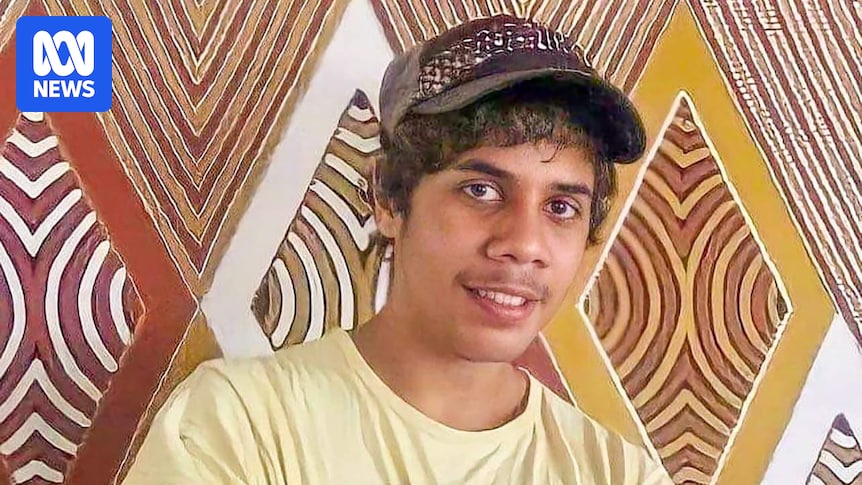
A Queensland coroner has found a contentious police tactic used during the arrest of Indigenous man Steven Nixon-McKellar was not the cause of his death in custody on the Darling Downs.
The name and image of Mr Nixon-McKellar have been published with permission from his family.
A coronial inquest was held in Toowoomba in September 2023 to examine the death of Mr Nixon-McKellar in October 2021 following an altercation with police, during which a lateral vascular neck restraint (LVNR) was applied to him.
Police had been responding to an anonymous report of a car that may have been bearing false plates when they came across Mr Nixon-McKellar on Stone Street, Wilsonton, in Toowoomba.
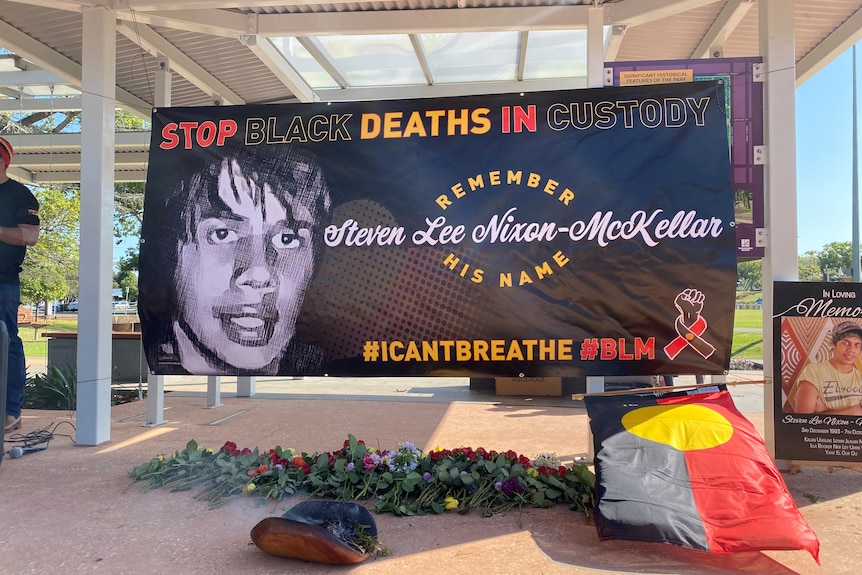
Many people gathered at the coronial inquest to hear the evidence. (ABC Southern Qld: Laura Cocks)
Police body camera footage of attending officers Constable Brandon Smart and Senior Constable Simon Giuliano engaged in a five to 10-minute struggle with Mr Nixon-McKellar and radioing for backup was shown during the inquest.
When other officers arrived at the scene, Senior Constable Giuliano was heard on the body-worn camera footage calling out for one of his colleagues to “choke this c*** out”.
His colleague, Senior Constable Tylarr Colman, approached Mr Nixon-McKellar and applied an LVNR.
Senior Constable Giuliano told the inquest he saw Mr Nixon-McKellar lose consciousness while this tactic was being applied.
Coroner determines cause of death
In April 2023, five months before the coronial inquest into Mr Nixon-McKellar’s death, Queensland Police banned the use of the LVNR as a Use of Force option for all officers, effective immediately.
A forensic pathologist could not determine the cause of Mr Nixon-McKellar’s death during the autopsy but said “the death represents a cardiac death during restraint”.
However, in his findings released today, state coroner Terry Ryan found Mr Nixon-McKeller’s death “occurred after a protracted struggle” but the LVNR was not the cause of his death, “despite it being the final use of force option exercised” during his arrest.
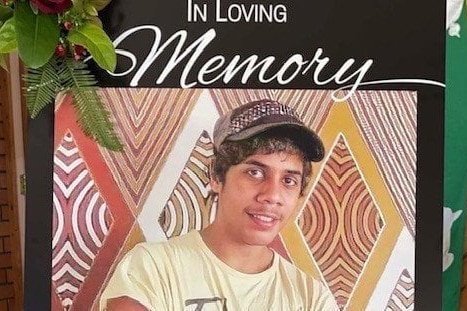
The coroner found Steven Nixon-McKellar died after a protracted struggle. (Supplied: Raelene Nixon)
The inquest had heard from two pathologists about Mr Nixon-McKellar’s physiological state at his time of death.
Mr Ryan said following their evidence, he found Mr Nixon’s death was “multi-factorial” and had “most likely” been the combined result of several factors, including “physical and psychological exertion related to the restraint, brief pressure applied to the neck, stimulant drug intoxication, asthma, bronchopneumonia, and coronary atherosclerosis”.
“While the LVNR was the final use of force option exercised it was not the cause of Steven’s passing,” Mr Ryan said.
“The LVNR may have been contributory, but the extent of its contribution cannot be quantified.
“The cause of Steven’s passing is much more complex. Attempting to narrow the cause of the passing to the LVNR alone is simplistic and was not supported by the expert medical evidence available to the court.”
Family’s search for answers
During the four-day inquest, family and friends of Mr Nixon-McKellar wore shirts adorned with images of the 27-year-old and held a large rally outside Toowoomba Court House calling for justice.
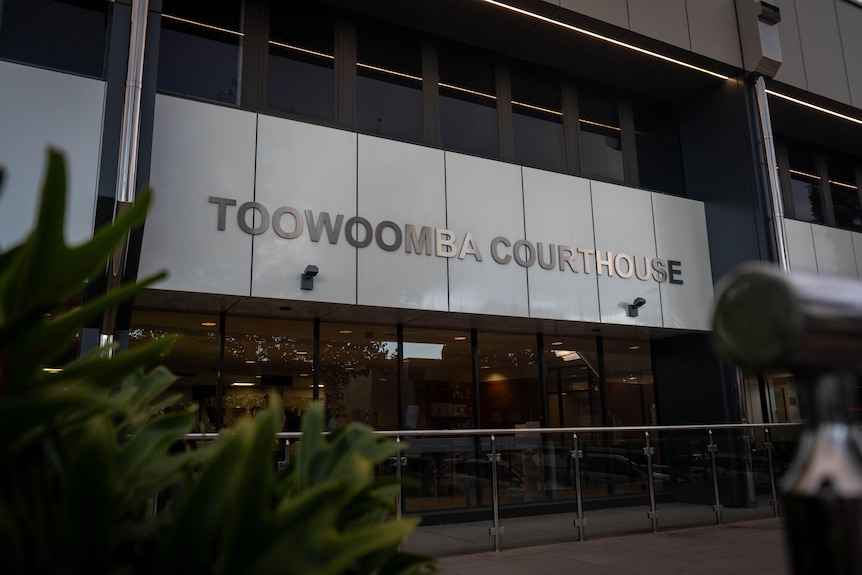
The coronial inquest was heard in the Toowoomba Court House in September 2023. (ABC News: Tobi Loftus)
In his findings, Mr Ryan said no submission was made by counsel assisting in respect of any referral to the Director of Public Prosecutions or any other relevant disciplinary body in relation to the officers involved in Mr Nixon-McKellar’s arrest.
“While the force used to restrain Steven has likely contributed to his death, it is less apparent that the police officers’ conduct was ‘a substantial or significant cause of his death’,” he said.
Queensland Police have been contacted for comment.