
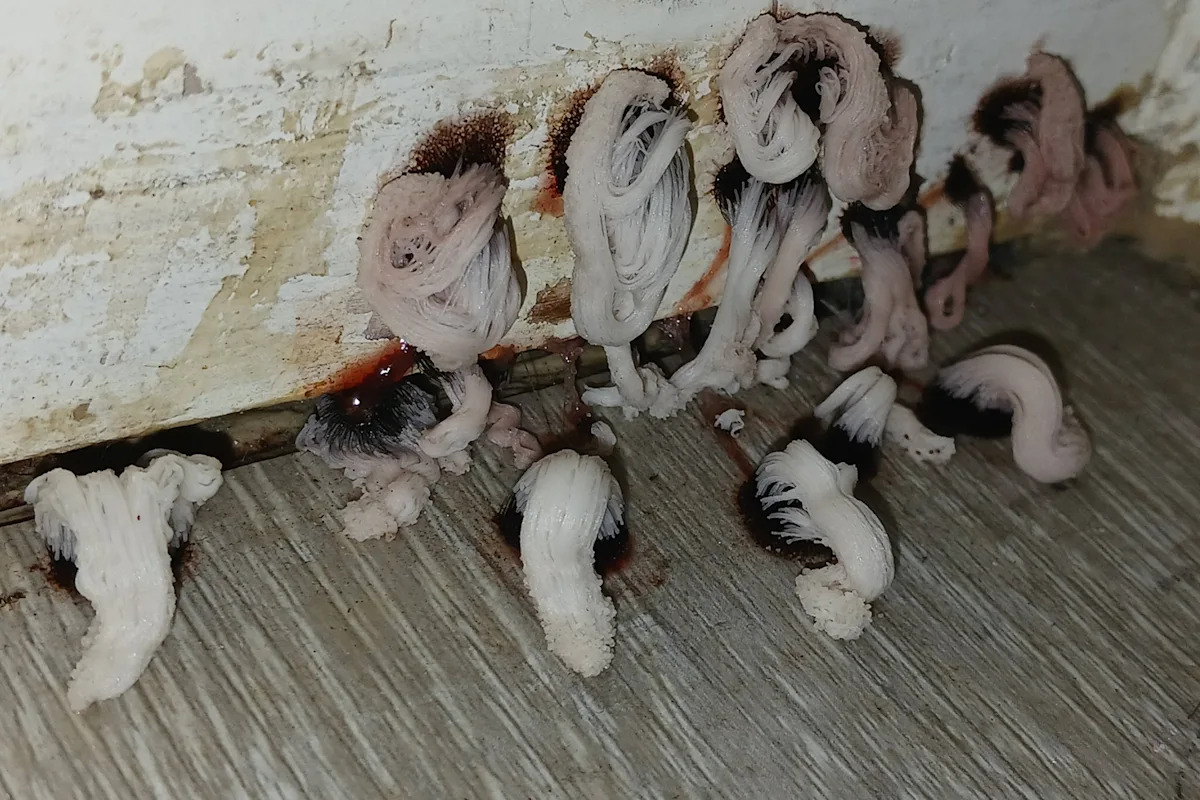
A “horrifying” discovery sprouting on a bathroom floor caused an Aussie to lose their breakfast this week. The resident went green after spotting a growth resembling “the stuff of nightmares” on a kickboard in their home in Yeppoon, Queensland.
“Not sure what was even spilled here from the kids…” the person pondered online before asking members of a Facebook group dedicated to fungus if they could throw it in the compost.
While not harmful, they said the bizarre flesh-like clumps are likely a sign there’s a much bigger problem lurking underneath — a leak.
“Depressingly, about a year ago, we replaced those walls and redid the whole bathroom,” the resident said, adding they were “so upset”.
“Spent a small fortune on it. I’m going to crowbar off the kickboards today and see what’s underneath. When I wiped it up with toilet paper, the bottom of the fungi was like pinky red blood. I might have vomited tbh.”
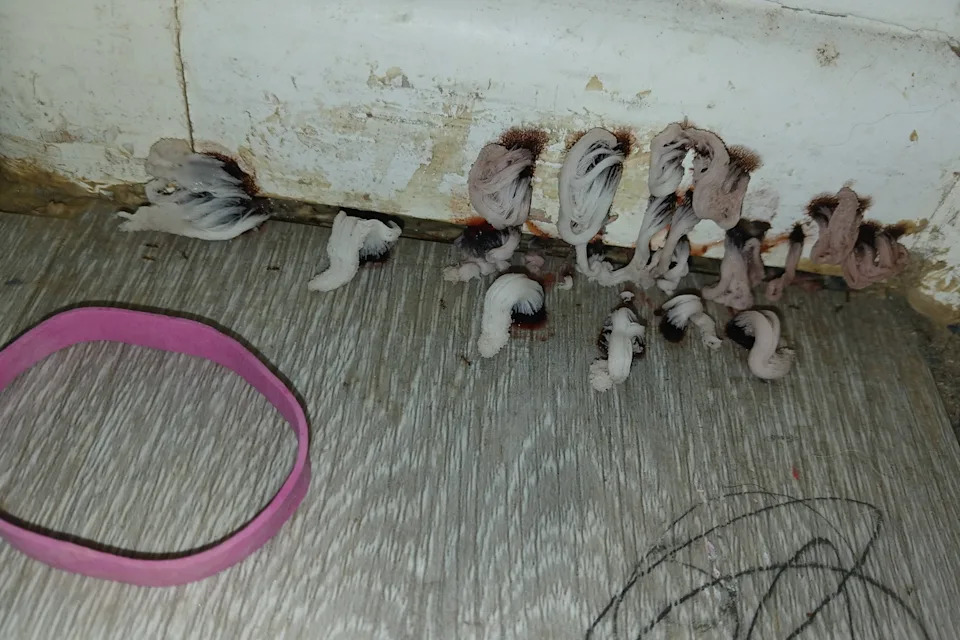
The growth appears to be a chocolate tube slime mould. Source: Australia & New Zealand Fungus Identification/Facebook
What is the ‘nightmare’ growth?
Similar to online enthusiasts, Professor Brett Summerell, Chief Scientist and Director of Science at the Botanic Gardens of Sydney, told Yahoo News he believes the growth is a type of slime mould.
More specifically, it appears to be a chocolate tube slime mould.
While they appear white at first, Professor Summerell said the “ends are likely to produce chocolate brown coloured spores in masses soon”.
“They are often found on rotting timber or in very moist conditions on timber,” he explained.
Slime moulds are neither fungi, plant, nor animal
Slime moulds, which can be found across Australia, are neither fungi, plant nor animal.
Instead, they sit firmly in the ‘protista’ kingdom, a miscellaneous category where scientists put organisms they can’t quite place elsewhere.
“Slime moulds are peculiar protists that normally take the form of amoeba but also develop fruit bodies that release spores, and are superficially similar to the sporangia of fungi,” Professor Summerell told Yahoo.
“They die off quickly once the spores are formed.”
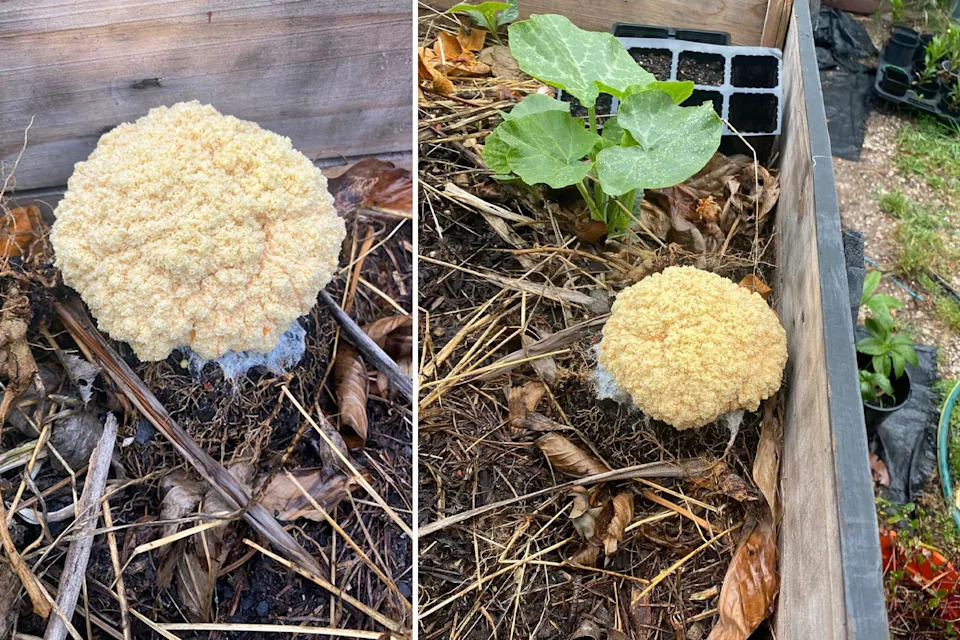
Slime moulds, including the more well-known ‘dog’s vomit’ (pictured), are an indicator of good soil health. Source: Facebook
While they’re not such a pleasant sight inside a home, slime moulds in a garden actually indicate “great soil health”.
Entomologist Tanya Latty previously told Yahoo that despite lacking a brain, slime moulds “are capable of solving mazes and making complex decisions”.
Do you have a story tip? Email: newsroomau@yahoonews.com.
You can also follow us on Facebook, Instagram, TikTok, Twitter and YouTube.