
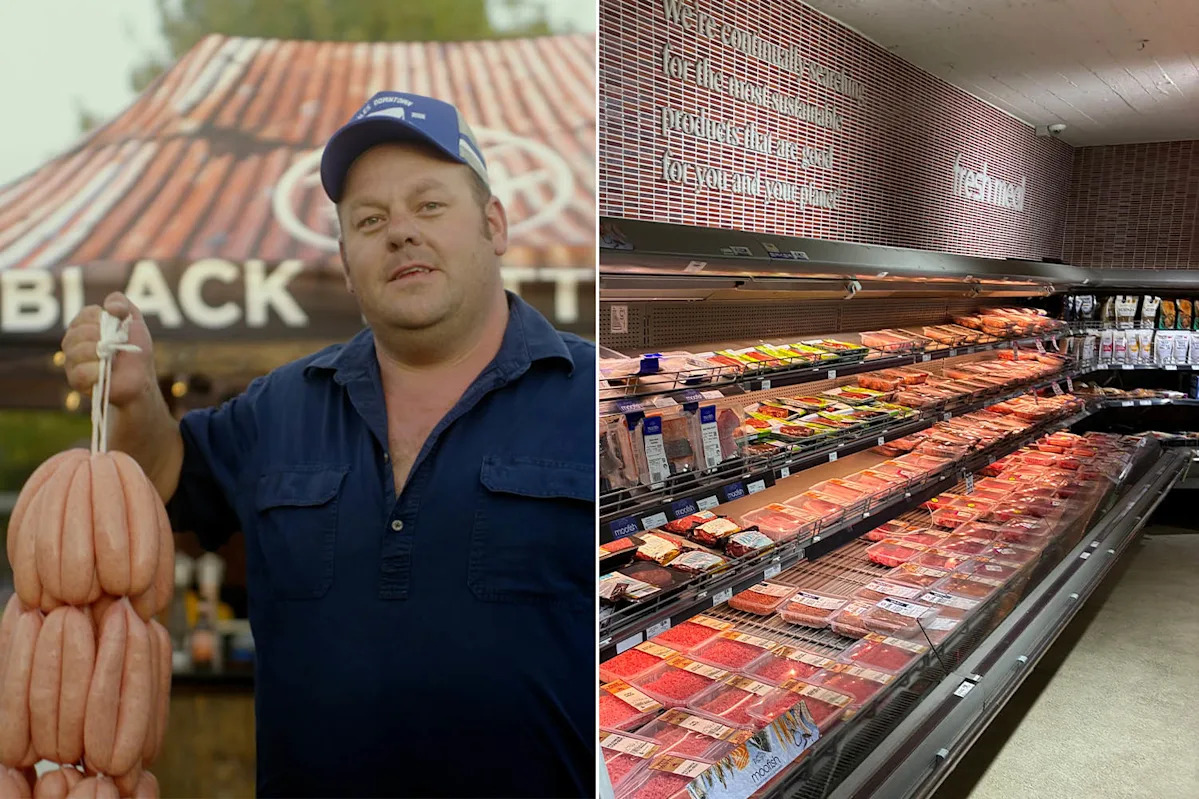
By 5am, Australian butcher Dale Goodwin is already at work. Carcasses are broken down by hand, smallgoods are made from scratch, and wholesale orders are packed before most people have had their first coffee.
On his property, in the NSW New England region, the sheep and cattle are born and raised before ending up in his family-run shop, a full paddock-to-plate operation three decades in the making.
“In a typical day, I’ll start anywhere from five o’clock in the morning. Prepare all our carcasses for sale and wholesale orders,” Dale said in an interview with Yahoo News Australia.
“We make all our own handmade smallgoods in store from local pork and beef.”
A second-generation butcher, Dale grew up in the trade.
“My parents had a butcher shop as well. It’s been in my blood for a long time,” he said.
For years, he believed the craft was fading under the weight of supermarket convenience and industrial-scale production.
Now, he says, something has shifted.
“Butchery was a dying trade, but now it’s become more of an art,” he said.
“It’s come a long way, especially in the last 15 years. I love it. You’ve just got to have passion and vision.”
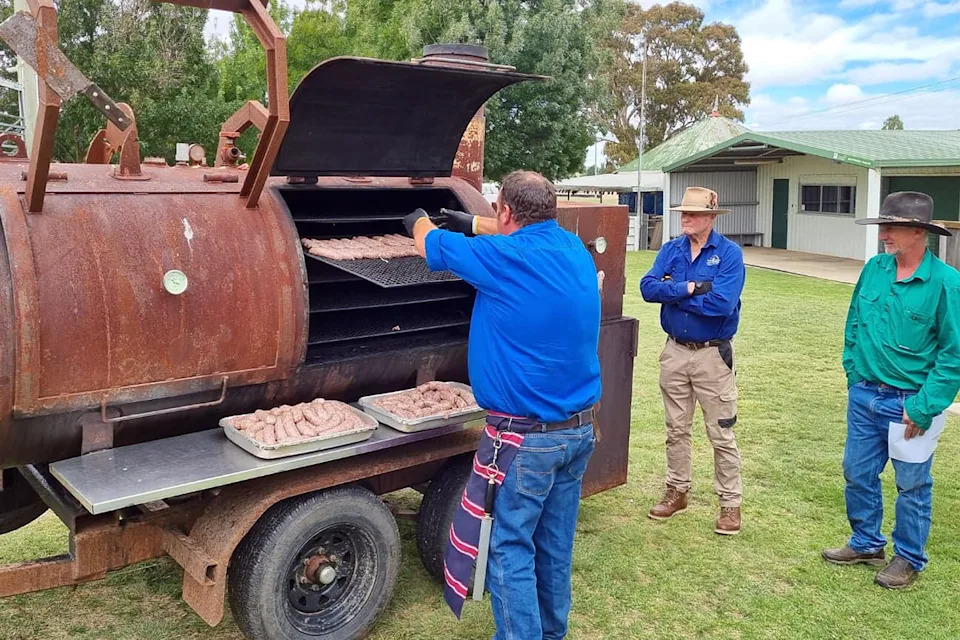
According to Dale, left, demand for handmade, locally produced food has surged in recent years. Source: NSW LLS
According to Dale, demand for handmade, locally produced food has surged in recent years.
“It’s been the last four to five years, probably more so since Covid. It’s definitely taken a massive turn for the best.”
He believes consumers are becoming more conscious about what they eat and where it comes from.
“I just assume that people are more aware and more conscious of what they want, what they’re eating and buying. Obviously, people want Australian-made and produced.”
That shift is particularly noticeable among younger customers.
“Even the younger generation seems to be putting more effort into checking what they’re eating and where it’s from, locally produced,” Dale said.
“People are really prepared to pay a little bit more to get that better product and know where it’s coming from,” he said.
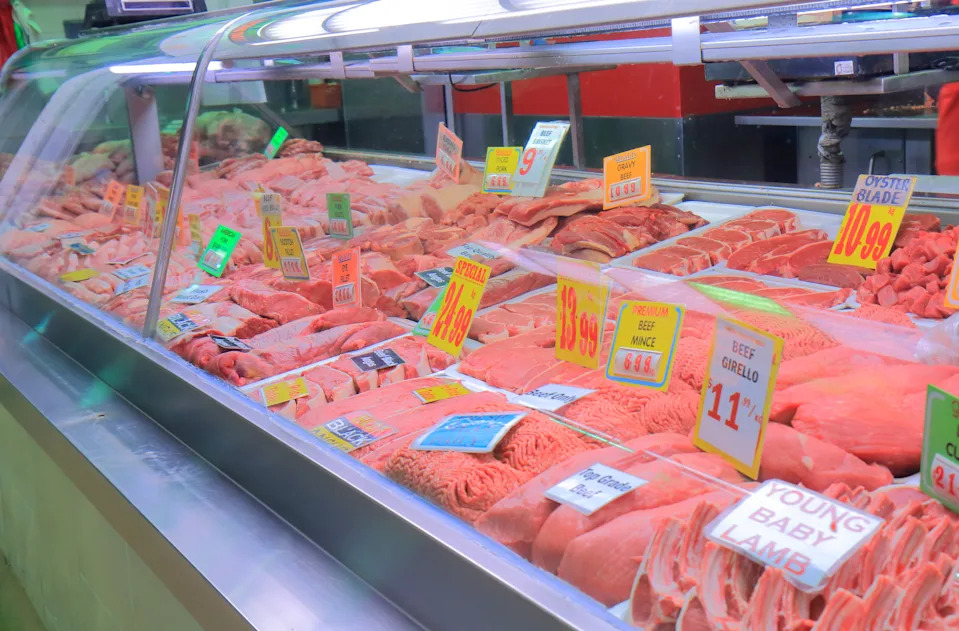
Australians are increasingly turning to homegrown products. Source: Getty
(TkKurikawa via Getty Images)The growing appetite for homegrown produce in Australia
Recent consumer data suggests Australians are increasingly favouring locally made and not mass-produced goods, driven by national pride, sustainability concerns and a focus on quality.
Research by Roy Morgan, commissioned by the Australian Made Campaign, found 95 per cent of Australians are more likely to buy products made locally, with 72 per cent willing to pay a premium, most up to 10 per cent more.
About 67 per cent said they intend to increase their purchases of Australian-made products over the next year.
Spending trends reflect that shift.
The Australian gourmet food market was valued at $782 million in 2024 and is projected to grow at more than nine per cent annually through to 2033, amid rising demand for specialty and traceable food products.
Independent butchers and farm-direct suppliers are benefiting from increased interest in grass-fed, organic and breed-specific meat, while artisan bakery items such as sourdough continue to outperform standard packaged loaves.
Beyond food, the handicrafts sector — including handmade pottery, furniture and textiles — is expanding at an estimated 12.4 per cent compound annual growth rate.
Separate consumer insights from CommBank iQ indicate 84 per cent of Australians believe locally manufactured goods are more important now than before the pandemic, with trust and sustainability among the key drivers.
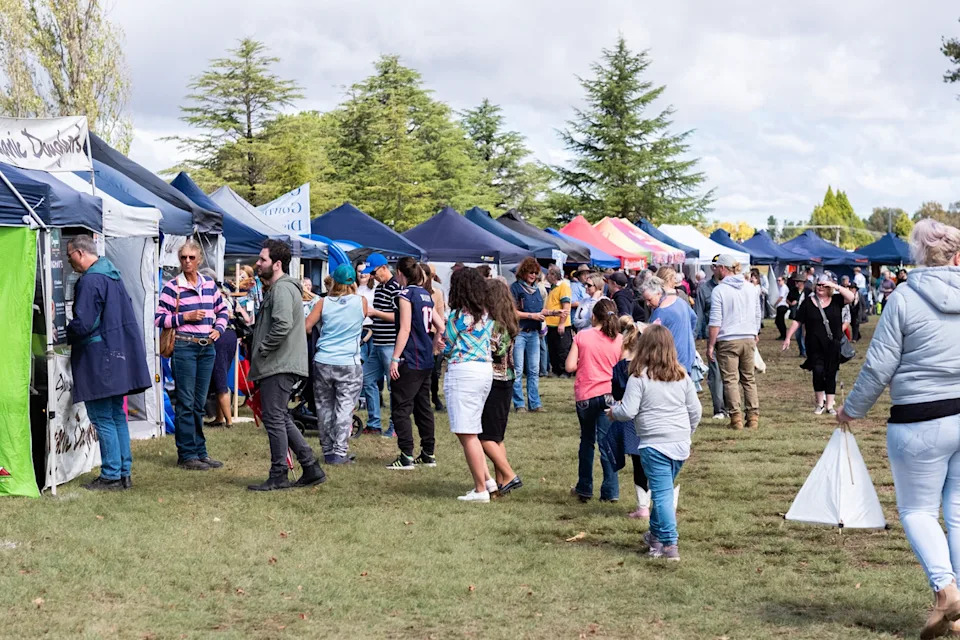
Uralla is home to just 2,728 people, but in March the town will welcome thousands of visitors to the Seasons of New England Expo. Source: Supplied
‘Huge’ showcase of Australian-made goods
Dale is one of dozens of makers involved in the Seasons of New England Expo in Uralla — an event that has become a showcase for the region’s growers, producers and artisans.
“It’s a conglomerate of handmade, artisan products and producers,” Dale said.
With around 6000 people expected to descend on a town of just 2700 residents, Dale said the event’s growth has been extraordinary.
“It’s huge, mate, huge,” he said.
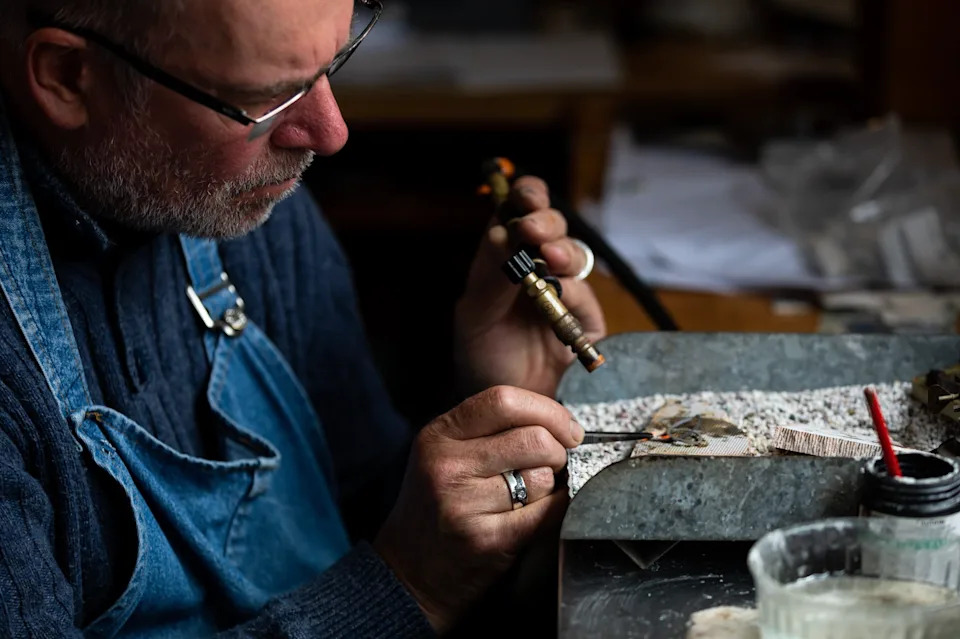
Silversmith Richard Moon will display his craft at the Seasons of New England Expo. Source: Supplied
Richard Moon is another local producer who has noticed a resurgence in artisan trade.
He’s a silversmith and is also set to attend the expo.
“At other markets, I often find myself repeating the phrase, ‘everything I’m offering is handmade’, because it’s too easy for truly artisanal products to get lost amongst all the mass-produced and imported ranges at other markets,” he told Yahoo.
“But at Seasons of New England, I don’t have to say it, because attendees know that everything has been lovingly created by the vendors.”
Richard, who has traded at the expo since 2018, said the event had become a key sales weekend for many regional makers and offered rare exposure to large crowds specifically seeking handmade products.
More than 60 per cent of attendees now travel over 100 kilometres to attend, with many booking overnight stays in Uralla and surrounding towns.
The event showcases locally made food, drink and artisan goods from across the New England region.
The Seasons of New England Expo will return to Uralla on March 28 and 29, with organisers estimating it will generate a $2 million boost to the regional economy.
Do you have a story tip? Email: newsroomau@yahoonews.com.
You can also follow us on Facebook, Instagram, TikTok, Twitter and YouTube.