
Australia and the EU are on the brink of striking a long sought after free trade agreement, with both sides talking up significant progress during talks in Brussels overnight.
Ahead of a planned visit to Australia by European Commission president Ursula von der Leyen, due within months, a joint statement issued after the latest talks attended by the trade minister, Don Farrell, signalled major progress.
The two sides said they had been able to “converge” on key differences which have dogged the deal for years.
The most recent round of negotiations stalled in 2023 but Canberra and Brussels have been showing growing optimism in recent days that a deal could finally be signed as soon as this month.
Major sticking points have included the right of Australian farmers and food producers to use product names such as prosecco, parmesan and feta on locally made products, and Australia’s luxury car tax, which affects sales for European manufacturers including BMW and Mercedes-Benz.
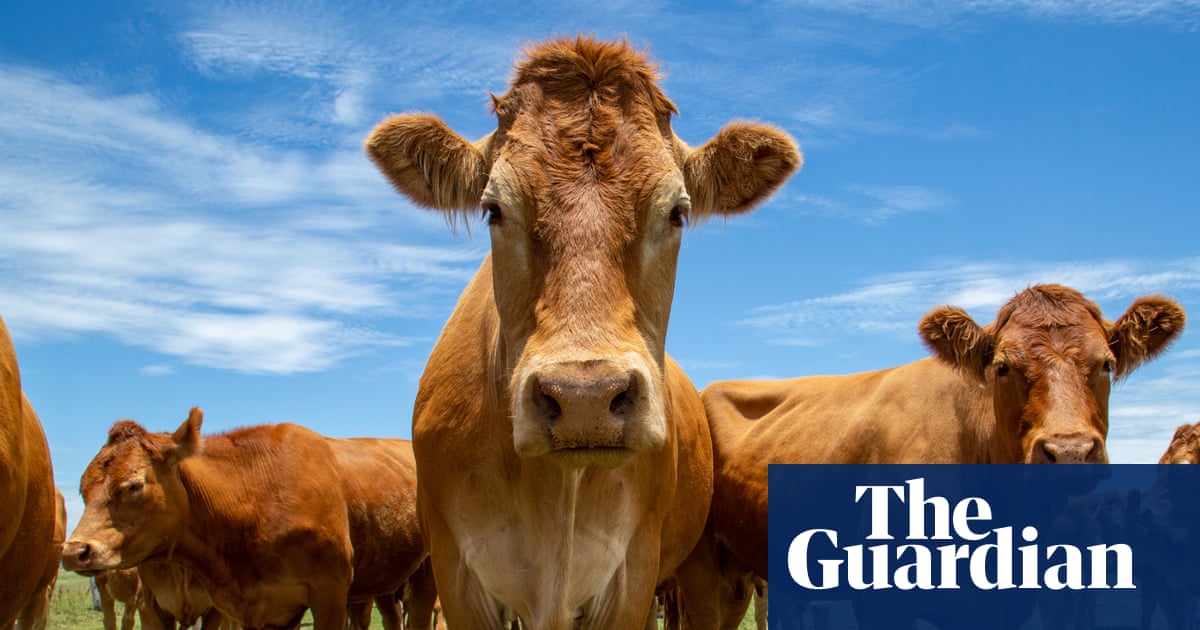
Farmers in the 27-member bloc are also concerned about greater imports of Australian beef and lamb, one of the last major hurdles to an agreement.
After two days of hastily scheduled talks, Farrell and his European counterparts – trade and economic security commissioner, Maroš Šefčovič, and agriculture and food commissioner, Christophe Hansen – said good progress had been achieved in narrowing gaps on a few remaining disagreements.
Australia won’t sign a deal that does not deliver improved access to the EU’s agricultural market, giving Australian farmers improved sales to more than 450m consumers.
“As I’ve said repeatedly, any agreement must be in Australia’s national interest and provide real benefit for Australian business, producers, exporters and workers,” Farrell said.
“I am confident that both Australia and the European Union will reach agreement that benefits both of our economies.”
EU sources have told Guardian Australia the deal is very close, and will be the centrepiece of von der Leyen’s visit later this year.
Von der Leyen and the prime minister, Anthony Albanese, have met regularly in recent years, with the European Commission president highlighting stronger and simpler trade as a key priority for 2026.
So-called geographic indicators on products including cheese and wine has been a hold up to a final agreement. EU officials insist the names of popular products should be for the exclusive use of French, German and Italian growing regions.
Farrell has previously said he believed a deal to allow Australian producers to continue using the product names was possible.
Australia’s total two-way trade with the EU was nearly $110bn in 2024-25.
Participants in the Brussels talks, overnight Australian time, have agreed to report back to their leaders before the next steps can be agreed.
A new defence and security partnership is also planned between the EU and the Albanese government, expected to cover areas including defence industry, cyber and counter-terrorism cooperation.