
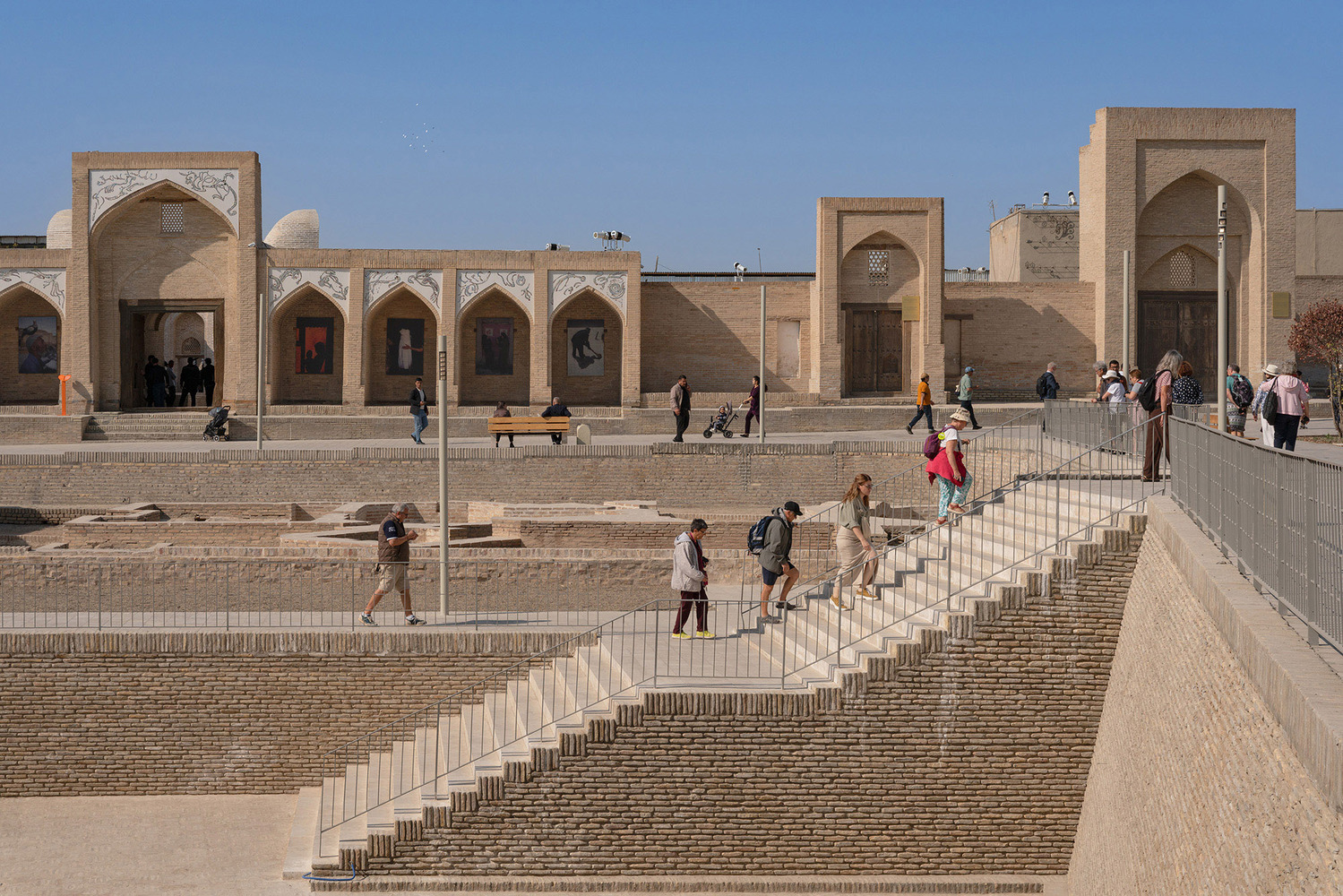
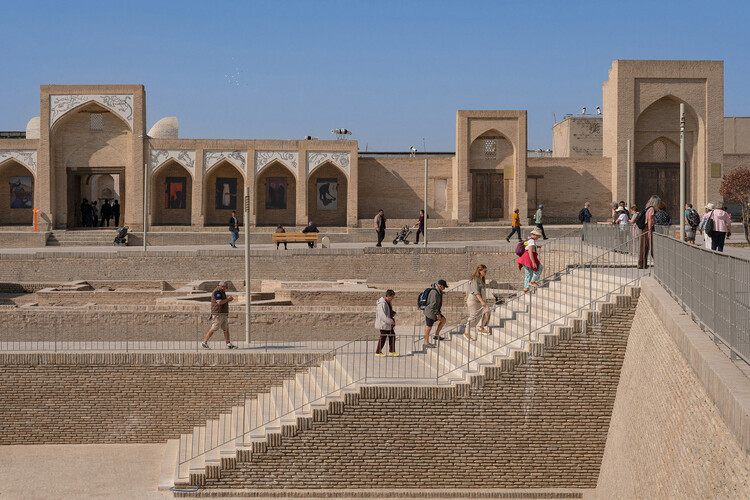
 © Deed Studio
Share
Or
https://www.archdaily.com/1038703/shaping-architectural-continuity-25-revitalization-projects-across-historic-industrial-and-natural-sites
Heritage sites constitute complex spatial archives in which architecture, history, and collective memory converge. They encompass a wide spectrum of contexts—from archaeological remains, ancient and historic townscapes, UNESCO-listed landscapes, to early modern civic structures and industrial infrastructures. Yet these environments confront challenges: climate change, urban transformation, disaster, shifting social needs, and the gradual erosion of material fabric. Revitalization and restoration projects respond to these conditions by positioning architectural and spatial practice as an active mediator between preservation and the contemporary topologies.
In current practice, conservation is understood as a creative process of adaptation and reinterpretation that serves both communities and inhabitants. At the same time, monumental architecture continues to define the identity and landscape of a place for wider audiences and future generations. Architects and planners are called upon to negotiate sensitive historic contexts while introducing new programs, techniques, and spatial experiences. They exemplify diverse design approaches, including precise structural interventions, climate-responsive strategies, and meticulous material restoration, alongside the thoughtful insertion of new architectural elements. Equally important is their engagement with vernacular knowledge and materiality, which preserves the locality and cultural specificity of each site.
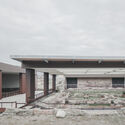
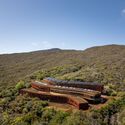
The 25 projects presented in this article illustrate how design thinking can reinterpret the identity of heritage sites while enabling them to function within present-day aesthetics. From urban-scale revitalization to the adaptive reuse of remaining structures and the protection of fragile sites in urban and rural contexts, these projects extend the presence of significant architectural knowledge, transgenerational technique, and materiality, contributing to shaping future landscapes.
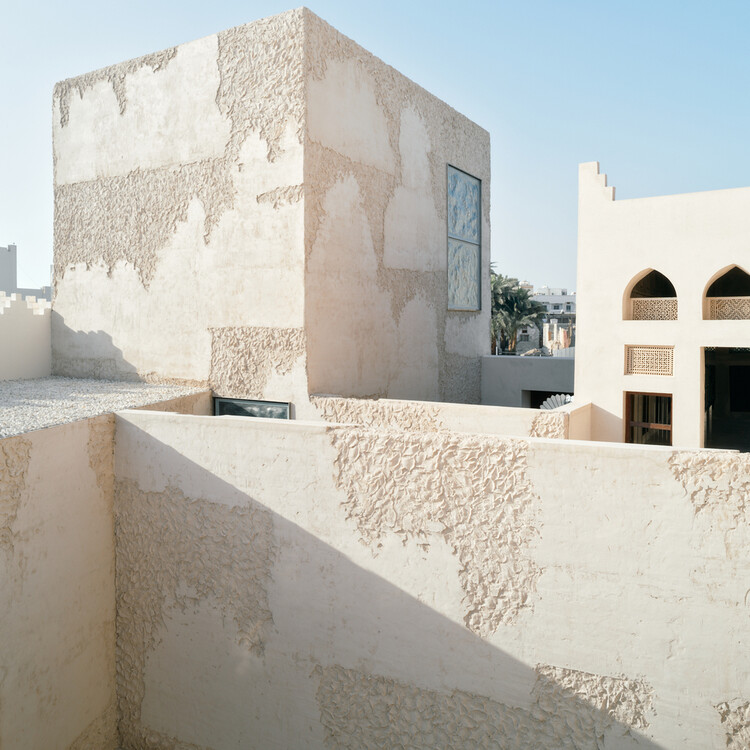
Reimagining Archaeological and Historic TownscapesBukhara Heritage District / waiwai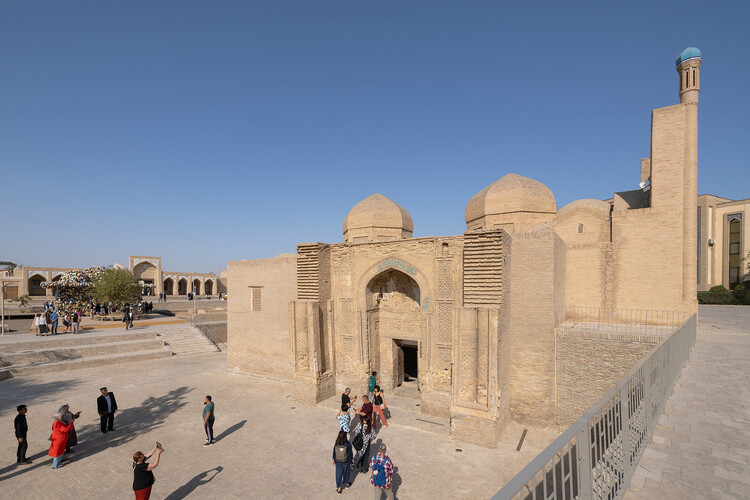 © Deed StudioPearling Site Museum and Entrance / Valerio Olgiati
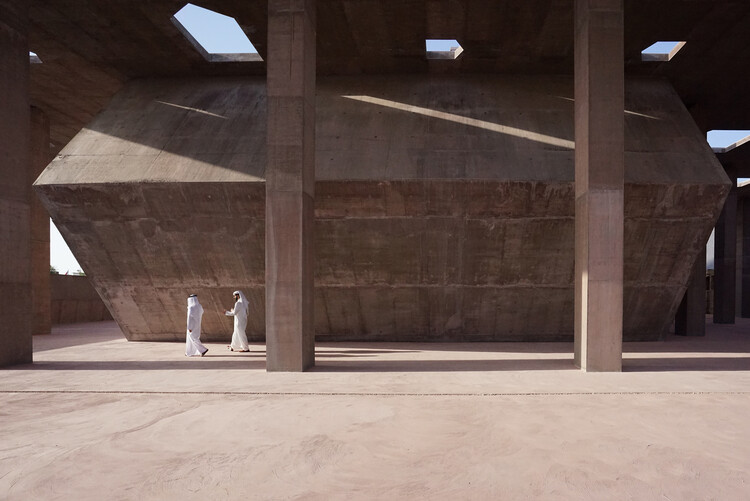 © Archive OlgiatiSiyadi Pearl Museum / Studio Anne Holtrop
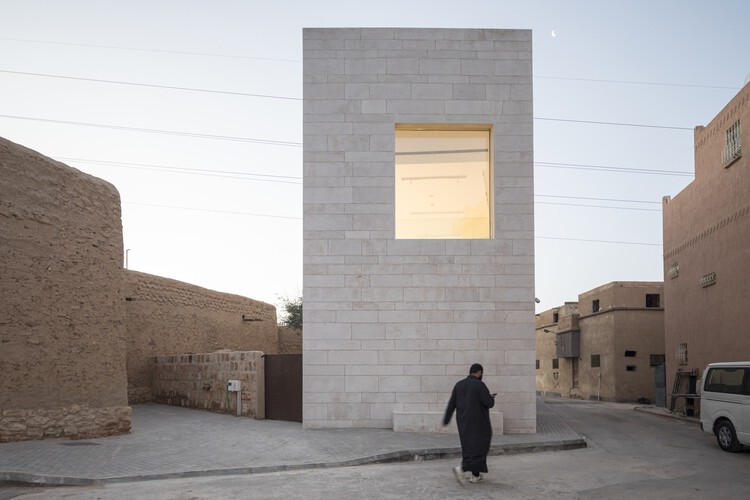
 Courtesy of Anne HoltropShamalat Cultural Center / Syn Architects
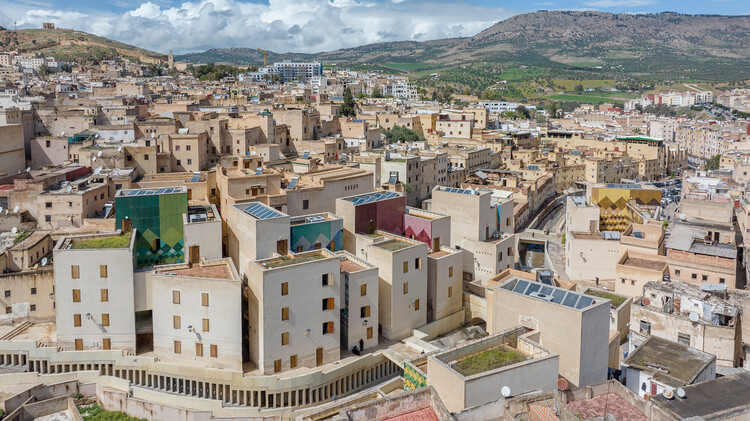
 © Laurian GhinitoiuLalla Yeddouna Square Revitalization / Mossessian Architecture + Yassir Khalil Studio
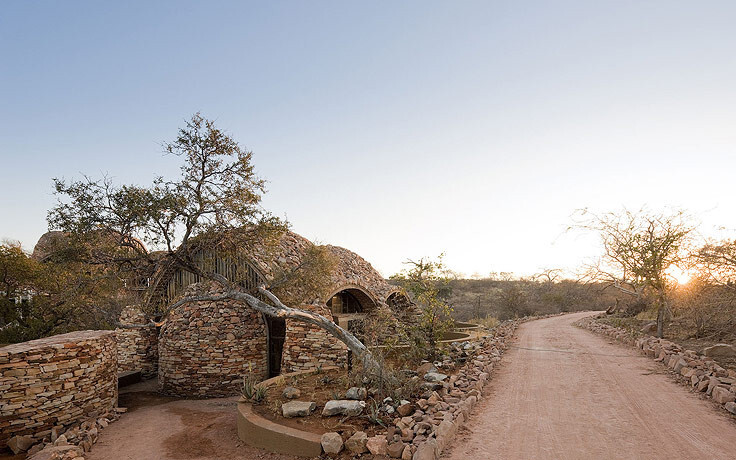
 © Amine HouariMapungubwe Interpretation Centre / Peter Rich Architects
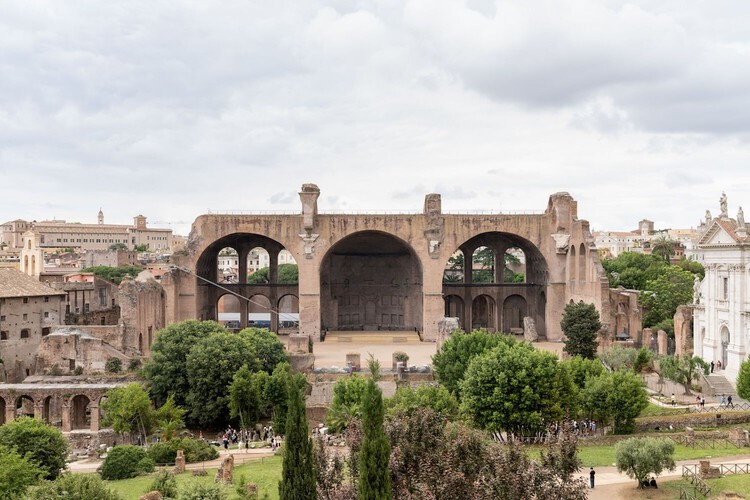
 © Iwan BaanBasilica di Massenzio Exhibition Pathway / Alvisi Kirimoto + Partners
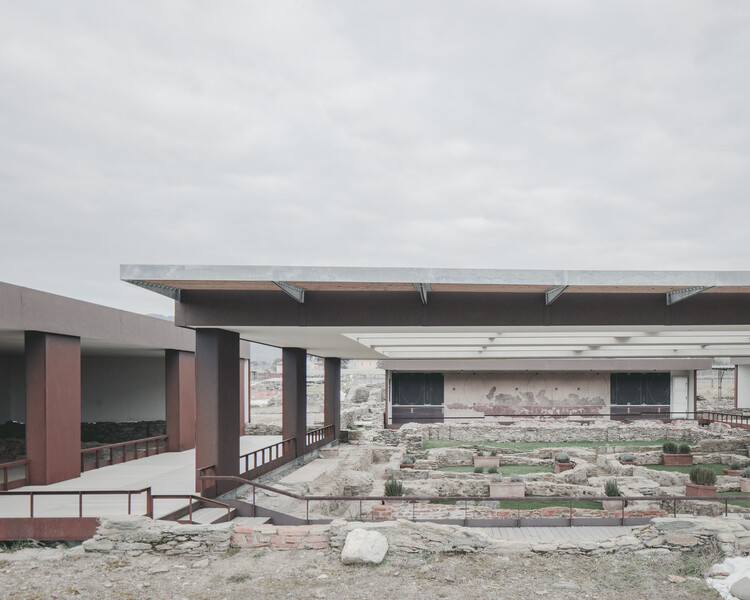
 © Giuseppe Miotto – Marco Cappelletti StudioDomus Affreschi Archeological Building Cover / LDArchitects
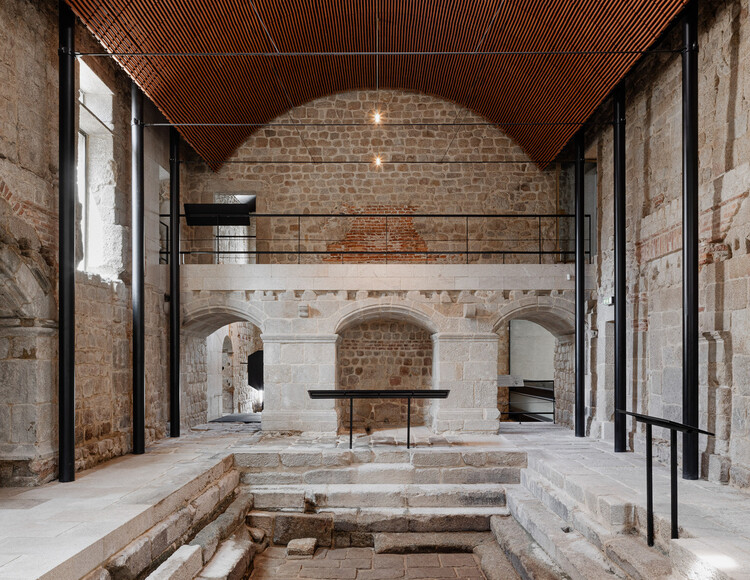
 © Aldo AmorettiSão Pedro do Sul Roman Baths / João Mendes Ribeiro
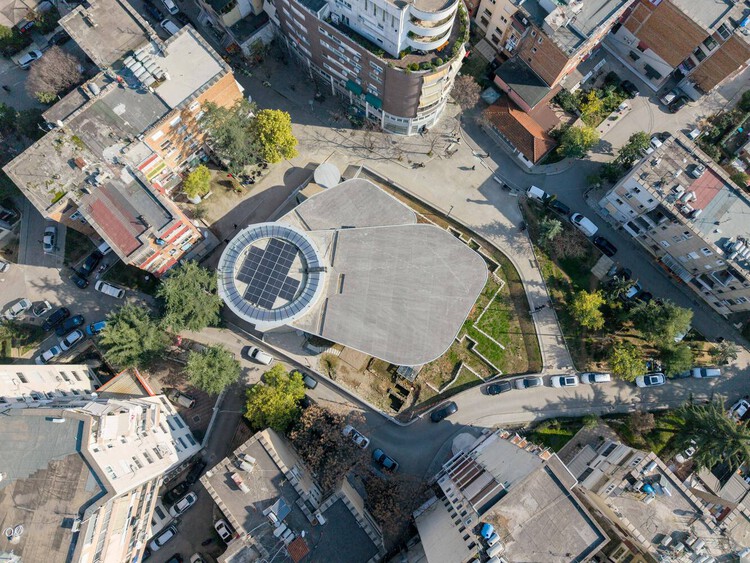
 © Alexander BogorodskiyMozaic of Tirana Cultural Intervention / SONarchitects
 © Besart CaniCheops Observatory Residence / Studio Malka Architecture
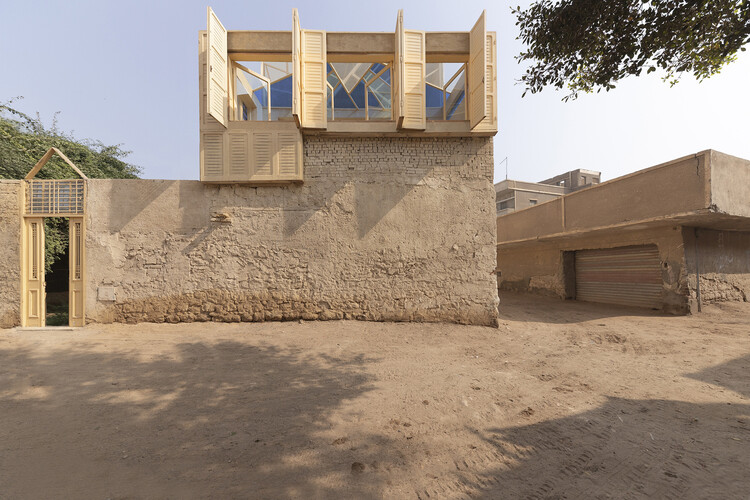 © RayemYanbu Old Dragon Park / Atelier cnS-CICADA ART
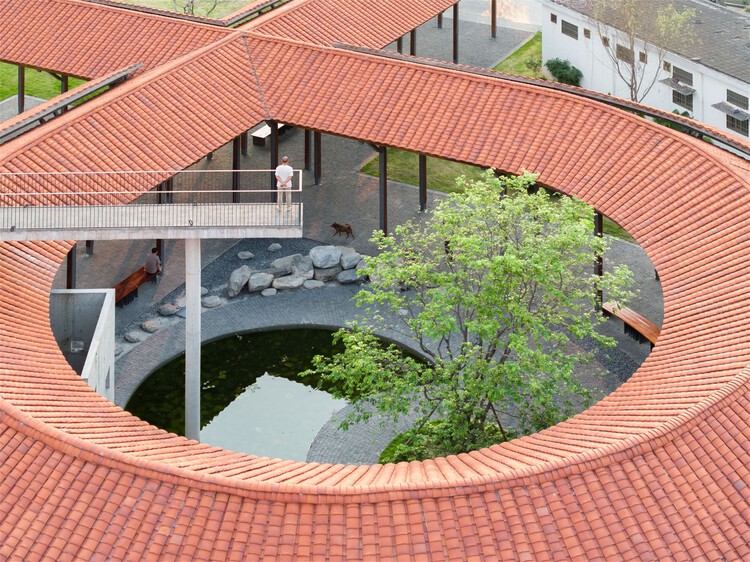 © Siming WuRenovation of Anren Liaowei Mansion Anren Tourist Center / Atelier Li Xinggang
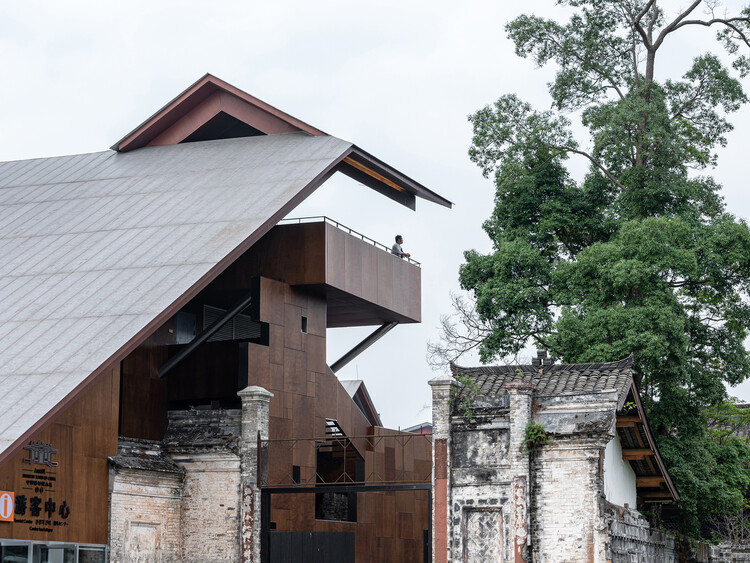 © Fangfang TianDar Al Majous / AAU ANASTAS
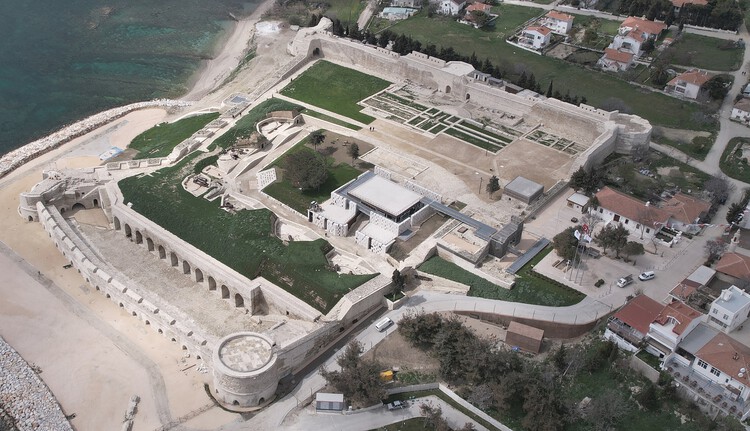
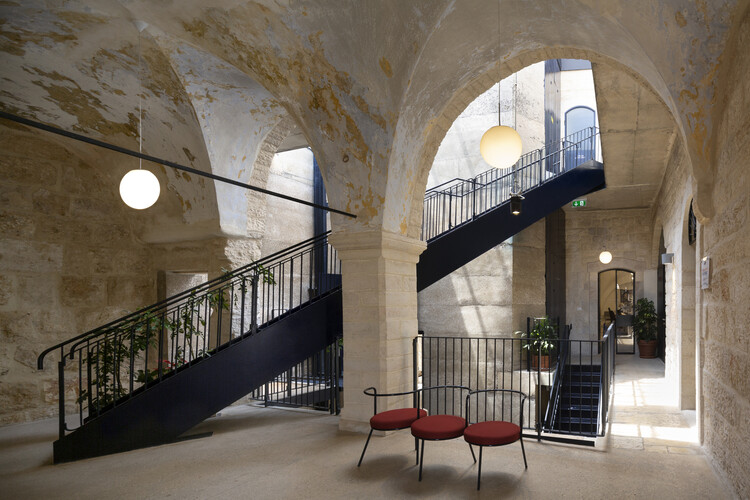 © Mikaela BurstowAdapting Industrial and Early Modern HeritageSeddülbahir Fortress / KOOP Architects + AOMTD
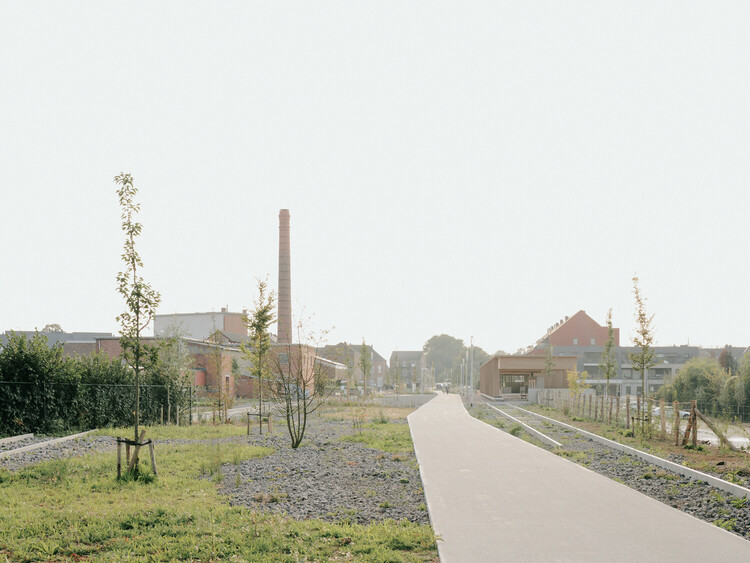
 © Egemen KarakayaThe Borgloon Fruit Station / Burolandschap
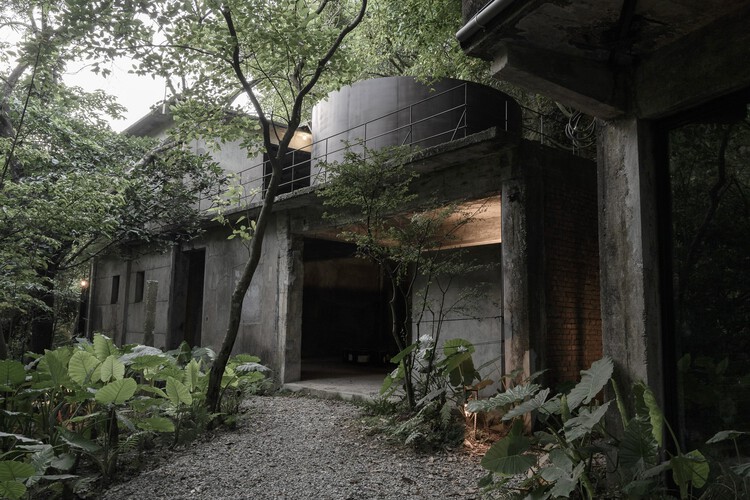
 © Pieter RabijnsThe Mineless Heritage Restoration Project / DIVOOE ZEIN Architects
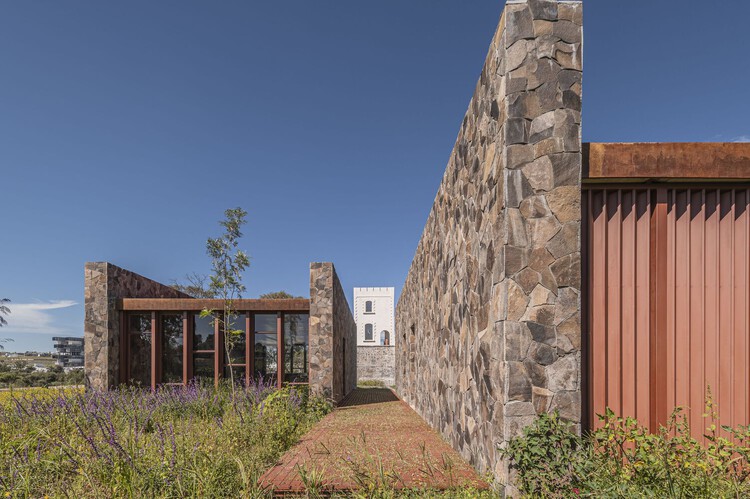
 © Justin KaoLa Carmela Cultural Center / ÁGORA
 © Andrés CedilloLoos Music Conservatory / Beal Blanckaert Architectes
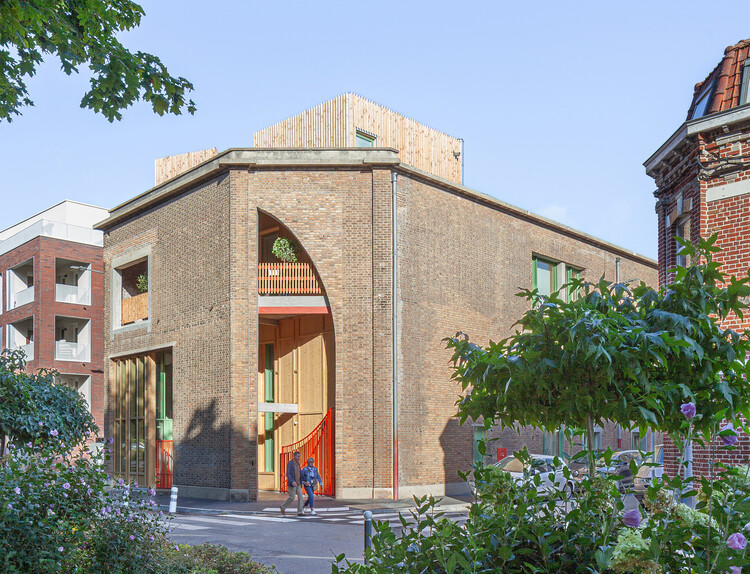 © Beal BlanckaertHoofddorp Fort Island / Serge Schoemaker Architects
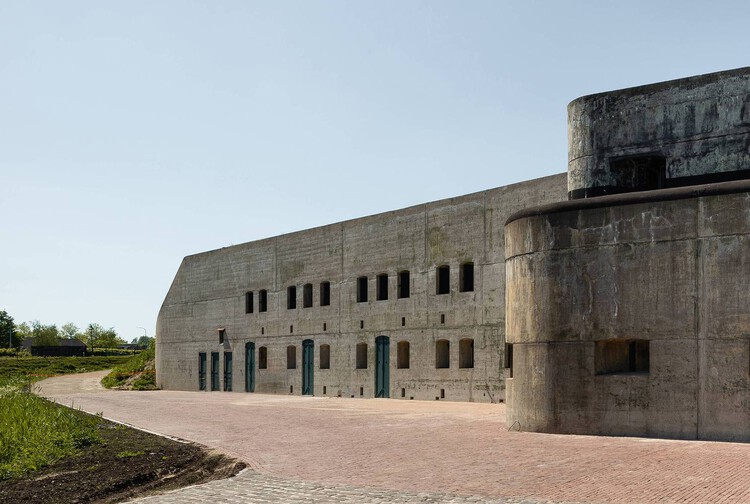 © MWA Hart NibbrigClifford’s Tower / Hugh Broughton Architects
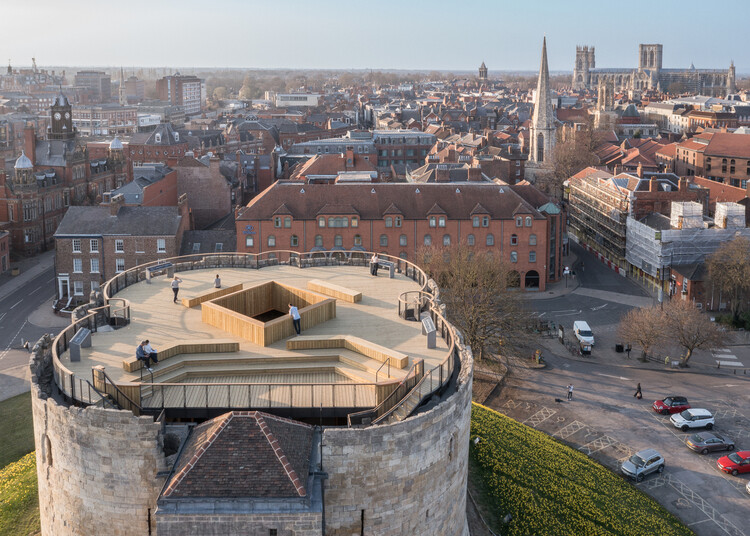 © Dirk LindnerKing’s Gate Caernarfon Castle / Buttress
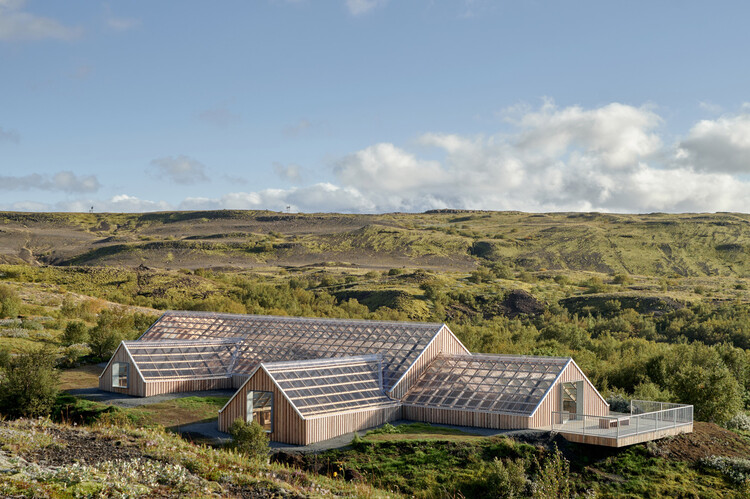
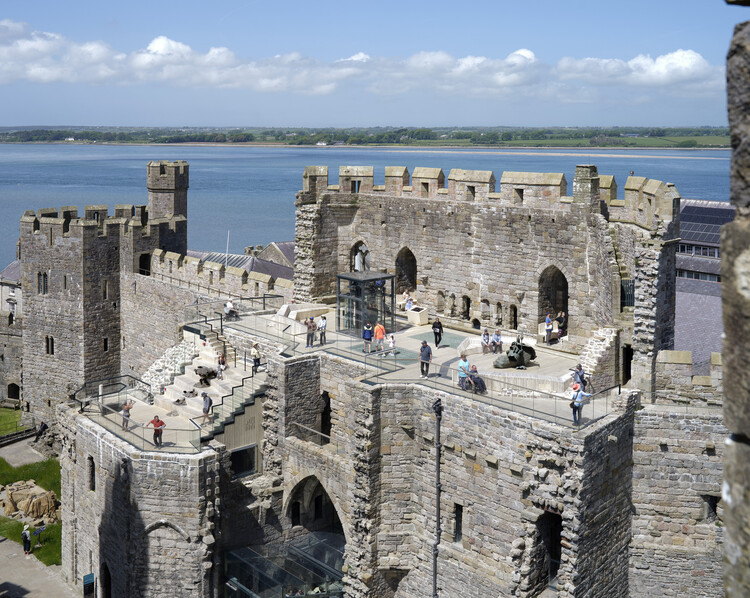 © Daniel HopkinsonInterventions in Heritage LandscapesStöng Ruins / SP(R)INT STUDIO
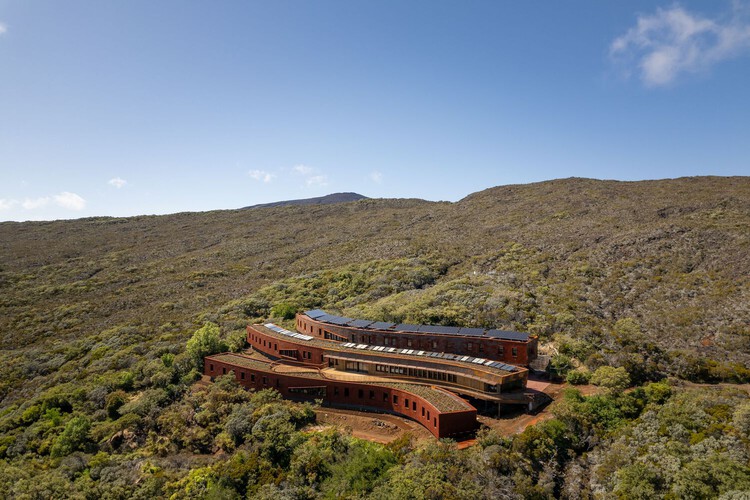
 © Claudio Parada NunesGîte du Volcan / Altitude 80 Architecture
 © Loris GazutThe Chuan Malt Whisky Distillery / Neri&Hu Design and Research Office
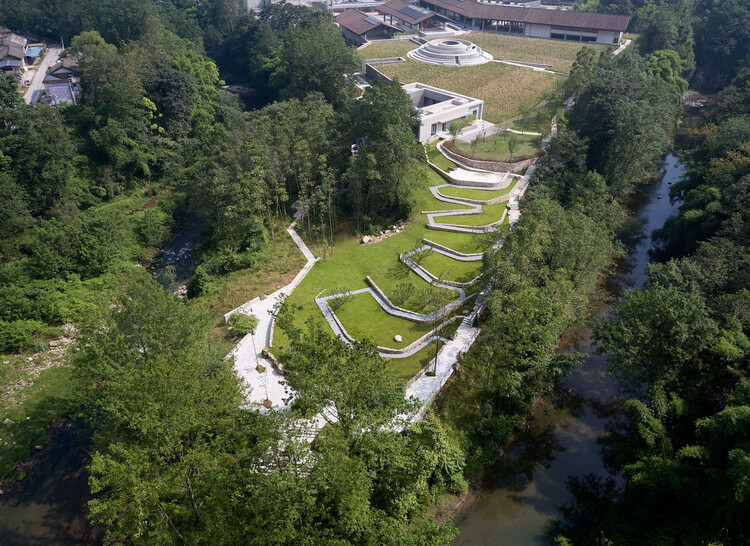 © Hao Chen
This article is part of the ArchDaily Topic: Rethinking Heritage: How Today’s Architecture Shapes Tomorrow’s Memory. Every month we explore a topic in-depth through articles, interviews, news, and architecture projects. We invite you to learn more about our ArchDaily Topics. And, as always, at ArchDaily we welcome the contributions of our readers; if you want to submit an article or project, contact us.