
In the long-running BBC quiz series QI, one of the defining elements of the show is the noisily discordant klaxon and dramatic lighting change whenever one of the contestants delivers an answer which is not just incorrect, but also drearily predictable.
It’s high time Formula 1 implemented something similar which we could trigger whenever some nitwit harkens back to some dimly remembered halcyon era where drivers could run flat out all the time. Those benighted folk who had signed up to attend this week’s Aston Martin 2026 F1 car launch in person would have been amply justified in slapping the button straight away. This event had much in common with tearing open an exquisitely wrapped Christmas present, only to find a pair of maroon crimplene drip-dry socks inside. Picture the scene: you’ve schlepped all that way to Saudi Arabia to speak to a typically uninterested and disengaged Lance Stroll, Adrian Newey is a no-show apart from a perfunctory appearance on stage, and only the VIPs are allowed to take photographs of the car – not that it matters because it’s only a new coat of paint on a show car, anyway.
Those watching at home, meanwhile, are stuck in a doom loop since somebody has forgotten to press play on the pre-recorded footage of the car unveil; in parallel, the TikTok feed is spinning its wheels in the proverbial gravel. Nobody has realised it would be greatly improved by Lance turning up to sign off by doing an apple dance and saying “skibidi toilet”.
But I digress.
There is much that remains unknown or at least uncertain about how qualifying and racing will pan out in 2026, given the new regulations. Naturally this has prompted no little competitive paranoia, with a side order of desire to put things back where they were – even if where they were is only where you thought they were.
Given how often the harvest/deploy cycle will have to unfold during every lap, energy management will be a factor in qualifying, too. This is likely to be the biggest adjustment of all, given that the focus of this session is to lay down the fastest lap time. Fair enough, but hesitancy over this is leaking into a generally dystopian view of the new regulations, as evinced by Stroll’s response when asked about qualifying.
“Unfortunately, I think motorsport has gone more in that direction with, you know, battery power,” he said. “Since I’ve been around, the last 10 years, even in the races, it’s all about fuel management, tyre management, where you’re just not pushing flat out. And even with the tyres we have now, and even a lot of qualifying laps in certain conditions, you’re not pushing flat out.
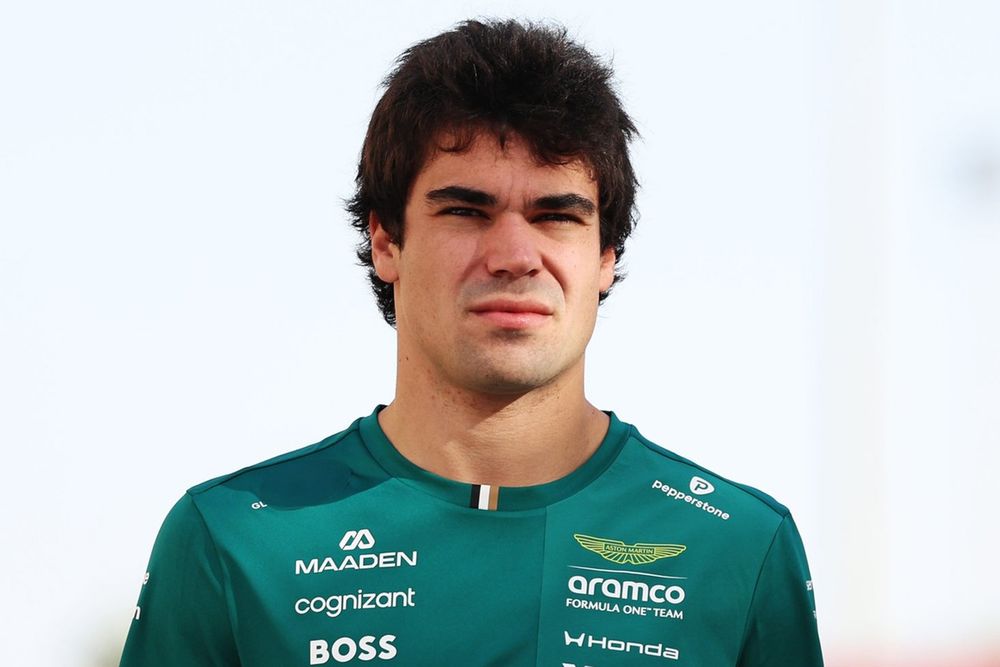
Stroll isn’t the only driver to voice a ‘better back then’ mantra
Photo by: Alastair Staley / LAT Images via Getty Images
“So, yeah, I would love to be in an era of F1, where we saw races in the past with refuelling, with light cars, good tyres, where it’s always pushing flat out. But, unfortunately, we’re not there today.”
So – better back then. But better back when?
Denis Jenkinson, held as the doyen of motor racing journalists, skewered spurious nostalgia in all its subjectivity in a 1973 op-ed column entitled ‘When Did You Lose Interest?’
“I can almost guarantee,” he wrote, “that as I cross the paddock at Brands Hatch, during the Race of Champions, to look at the new UOP-Shadow I will meet someone who will say ‘Grand Prix cars are not what they used to be, are they?’ hoping to draw me into conversation over his pet aversion.”
Of the aversions in question, there were many. The common denominator was disdain for ‘modern’ racing compared with some misty-eyed recollection of temps perdu.
“It’s always been the same whether it was Stirling [Moss] and [Juan Manuel] Fangio back in the day, or Jackie [Stewart] and Graham [Hill] and Jim [Clark]. Back then it was dog rings, drive shafts, universal joints, gearboxes in general, engines, suspension, rose joints, clutch – we were always protecting something” Martin Brundle
“The objections cover a wide range of things, like ‘they all look alike’, ‘can’t see the driver working’, ‘all those fancy sponsors’, ‘colours they paint them nowadays’, ‘can’t see the driver’s face with those space helmets’, and ‘they’d all got Cosworth engines’. While listening to all these moans I can’t help feeling that for people who have ‘lost interest’ they have a remarkable knowledge of the current scene!”
One imagines that if Jenks had stood still for long enough, some buffer would have clonk-clonked up to him with their zimmer frame – and rasped in his ear something to the effect that motor racing went to the dogs when Rudolf Caracciola smote the wall at Tabac and smashed his leg up.
“Occasionally I can track down an actual point in history of Grand Prix racing, like ‘when Alfa Romeo withdrew the 158s’ or ‘when Hawthorn and Collins died’ or even ‘when Jim Clark died’ but these are rare and most of the moaners cannot say exactly when they lost interest, but they know full well that they don’t like ‘Stewart and his lot’ or ‘their black and gold Lotuses’ or ‘the little rollerskate wheels’ or ‘the advertising and funny colours’, in fact, they don’t like anything that is on the current scene. To tell the truth they are professional moaners who keep in touch with all the latest trends just so that they can complain.”
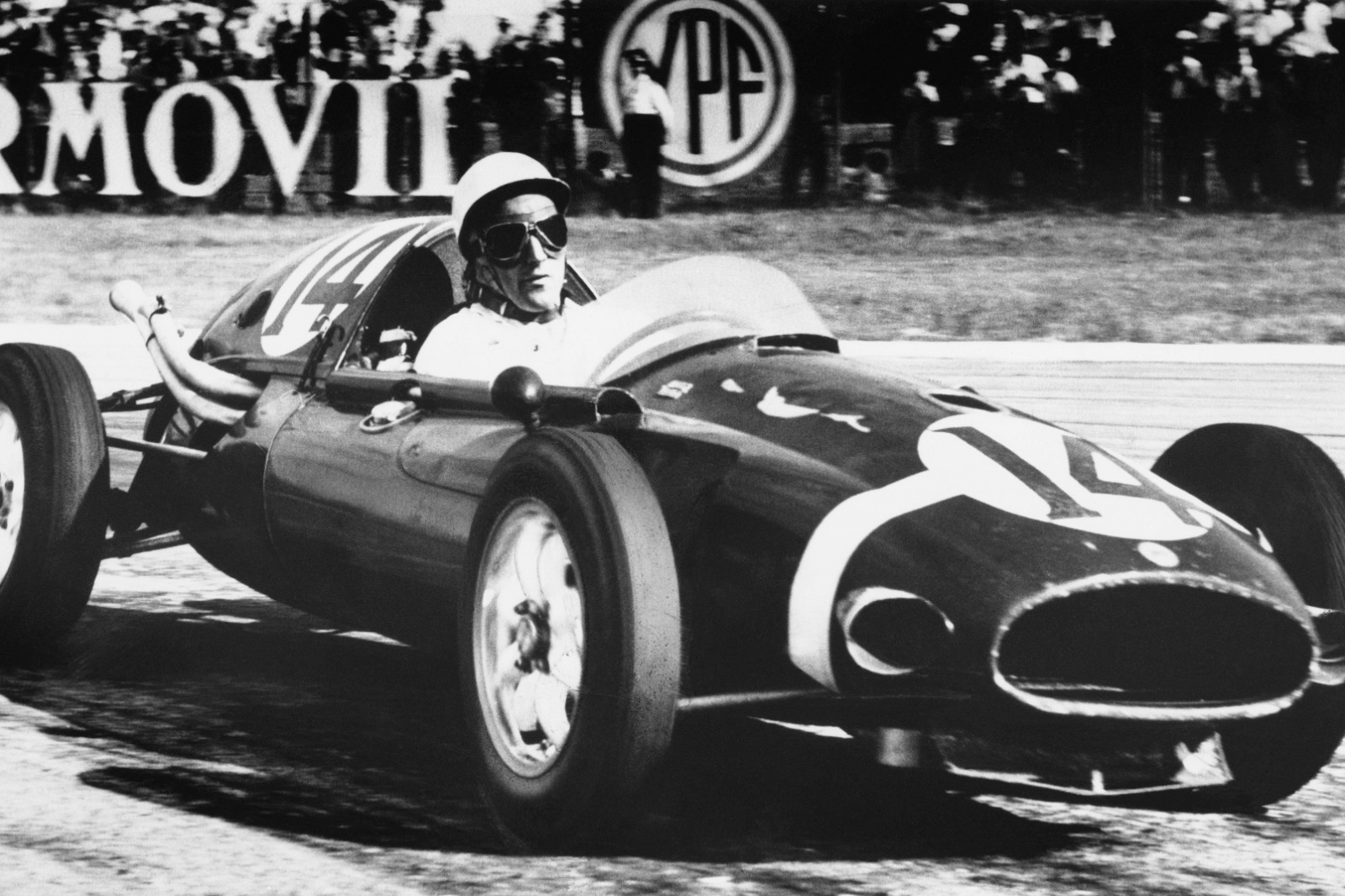
Moss in his Cooper on his way to victory in the 1958 Argentine Grand Prix using tyre management to beat the Ferraris
Photo by: Motorsport Images
In our present age the popular folly is to imagine that in the hinterland of F1 history, drivers were always flat out, and that management of such elements as fuel and tyres is a modern invention inflicted upon fans by ‘snowflakes’ and do-gooders. Poppycock, as Stirling Moss could have told you after winning the 1958 Argentine Grand Prix against more powerful Ferraris through – dread phrase! – clever tyre management.
During a pre-season McLaren press event, Oscar Piastri was handed a leading question by one of the scribes present, to the effect that nobody understands energy management and the 2026 regulations are an affront to the core philosophy of Formula 1. Piastri batted it off as best he could but Martin Brundle, MC for the evening, came to his aid with some essential context.
“It’s always been the same whether it was Stirling [Moss] and [Juan Manuel] Fangio back in the day, or Jackie [Stewart] and Graham [Hill] and Jim [Clark],” he said. “Back then it was dog rings, drive shafts, universal joints, gearboxes in general, engines, suspension, rose joints, clutch – we were always protecting something. Even in the fearsome ’80s turbo days, we had 220 litres of fuel, so we were lifting and coasting brutally through the entire race because that was the only way to get to the end with any kind of performance or fuel left at the end. I ran out going to the line once and lost third place in Adelaide because I wasn’t careful enough on that. So you’ve always had to protect something along the way.”
Has there ever been a period in grand prix racing where it was possible to be flat out all the time? Well, actually yes – for a brief window of time. But was it actually any good? That is debatable.
Brabham laid down the groundwork in 1982 when it reintroduced refuelling as a strategy point rather than the practical necessity it had been during the early years of the world championship. Designer Gordon Murray optimised the BT50 around a small tank so it could run faster between stops, but the realities of reliability in that era (followed by a ban on refuelling from 1983) masked the possibilities.
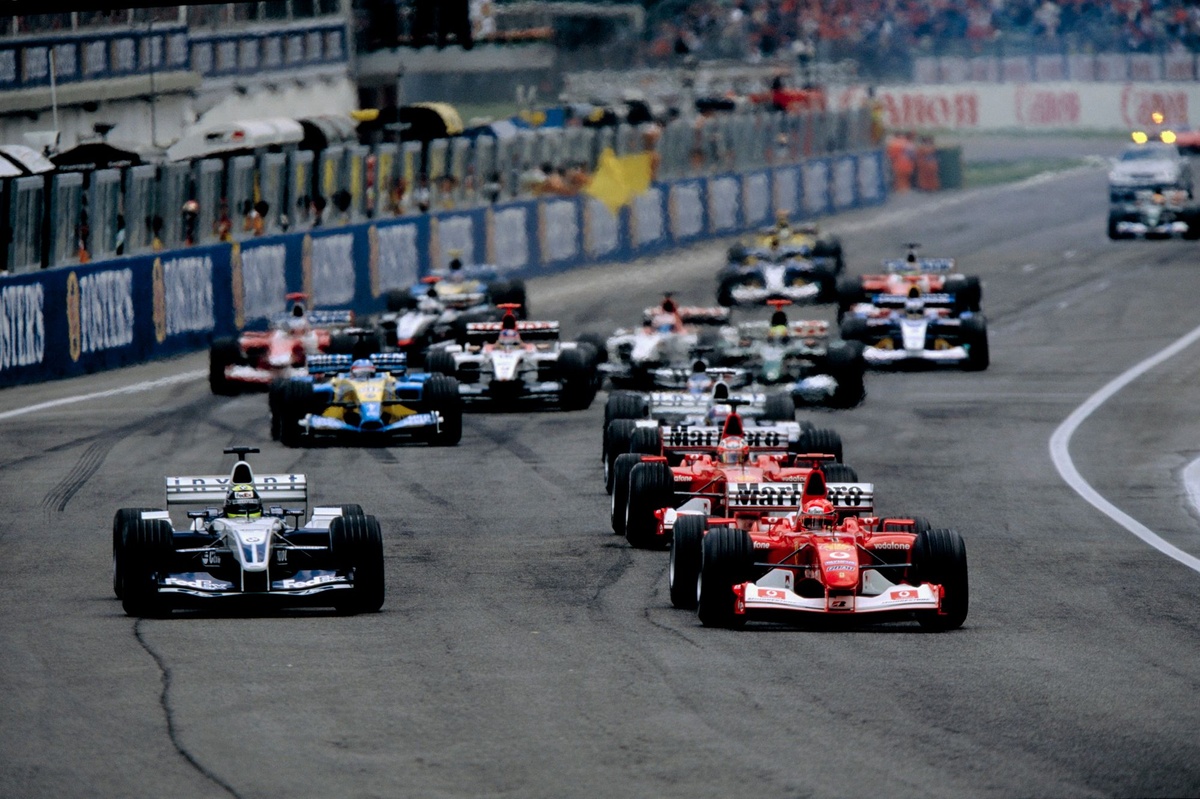
When refuelling returned in 1994, some teams were quicker than others to appreciate the tactical possibilities of varying fuel loads and the effect it could have on race pace. Reliability also played its part. But by the late 1990s, races had become in effect flat-out sprints between pitstops. This was an era, you’ll recall, of some spectacularly fast cars but also of one-team dominance. The Ferraris of 2001-2004 were all optimised around a small-tank philosophy, perfecting the sprint-stop-sprint-stop-sprint concept now they enjoyed stronger reliability. For quite a few fans will remember this era was rather dull.
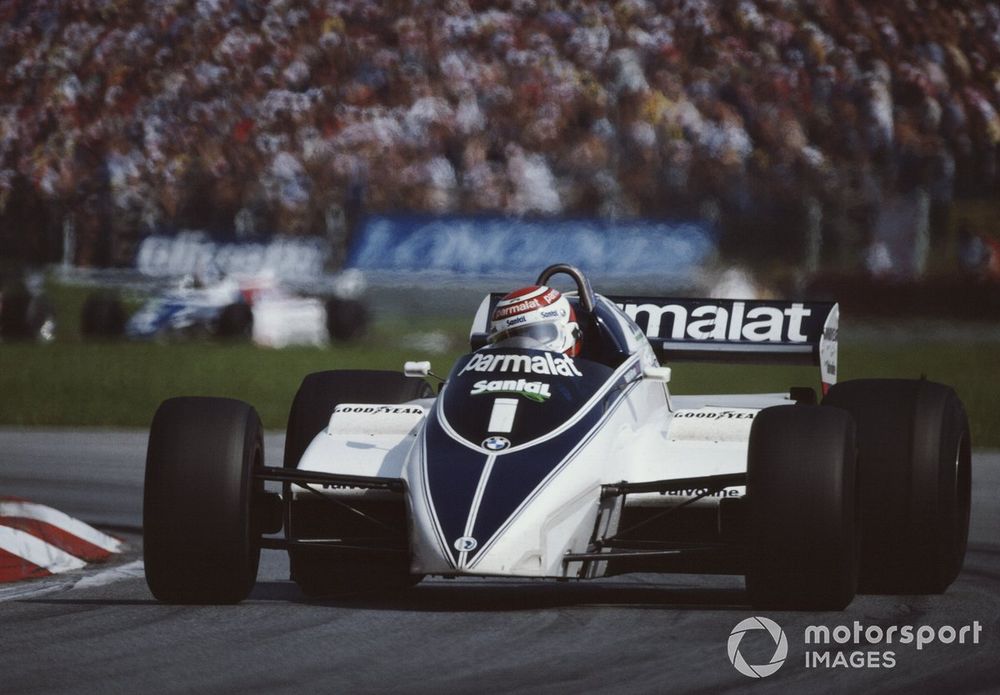
The Brabham BT50 was an early exploiter of sprint-style stint racing
Photo by: Rainer W. Schlegelmilch / Motorsport Images
This is not just a subjective view, for it was around this time that the Bernie Ecclestone-Max Mosley cabal began to panic about the effect on global viewing figures of one-team dominance and embarked on a ridiculous series of plucked-from-a-hat rule changes in a desperate bid to improve the spectacle. In 2005 alone, a season distorted by an absurd regulation banning in-race tyre changes, the qualifying system was revised so often that it would have been no surprise to find Mosley announcing that from now on the grid would be determined by a game of Spin The Bottle.
Ultimately refuelling was banned and the system of mandatory tyre changes with different compounds introduced with the precise purpose of ending flat-out racing because it was actually quite boring. Those who would voluntarily go back to that era would do well to remember this.
But of course, nostalgia is all about reversion to the carefree days of childhood and adolescence, is it not? Those hankering after a return to the 1990s and 2000s grew up in that era, blissfully ignorant that their elders thought the 1980s were better. In the 1980s, of course, mature folk disdained the spectacle of the day and yearned for the fat-tyred halcyon era of the 1970s – which, as Jenks recorded, left many racing fans of a certain age nonplussed.
I could go on, but Rudolf Caracciola is here. He wants you to hold his beer – and his walking stick.
Read Also:
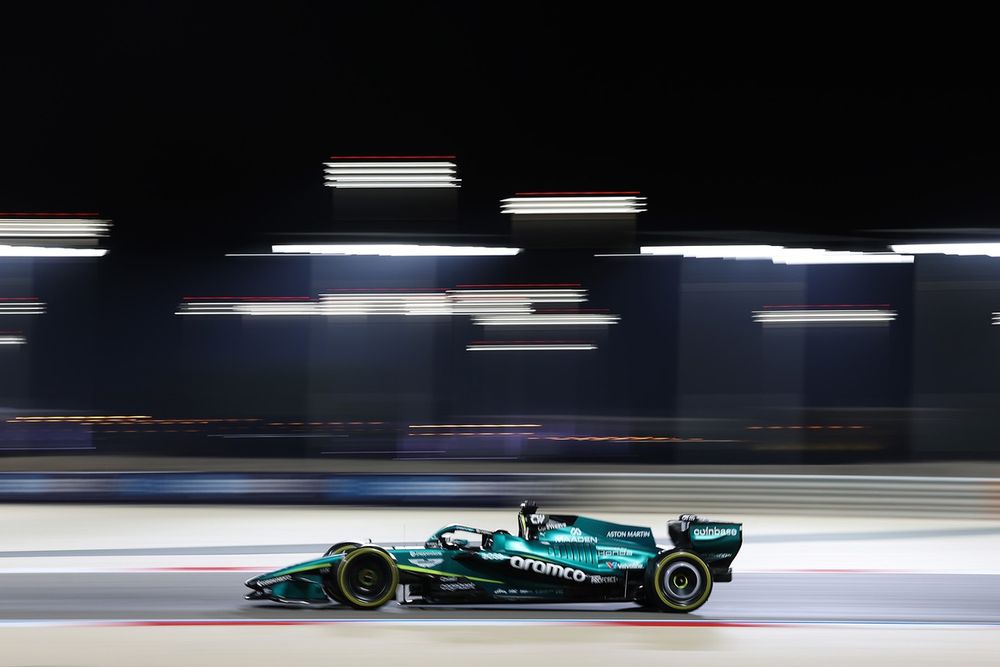
F1 drivers will need to do a lot of management with the new cars – but that concept isn’t new at all
Photo by: Mark Thompson / Getty Images
We want to hear from you!
Let us know what you would like to see from us in the future.
– The Autosport.com Team