
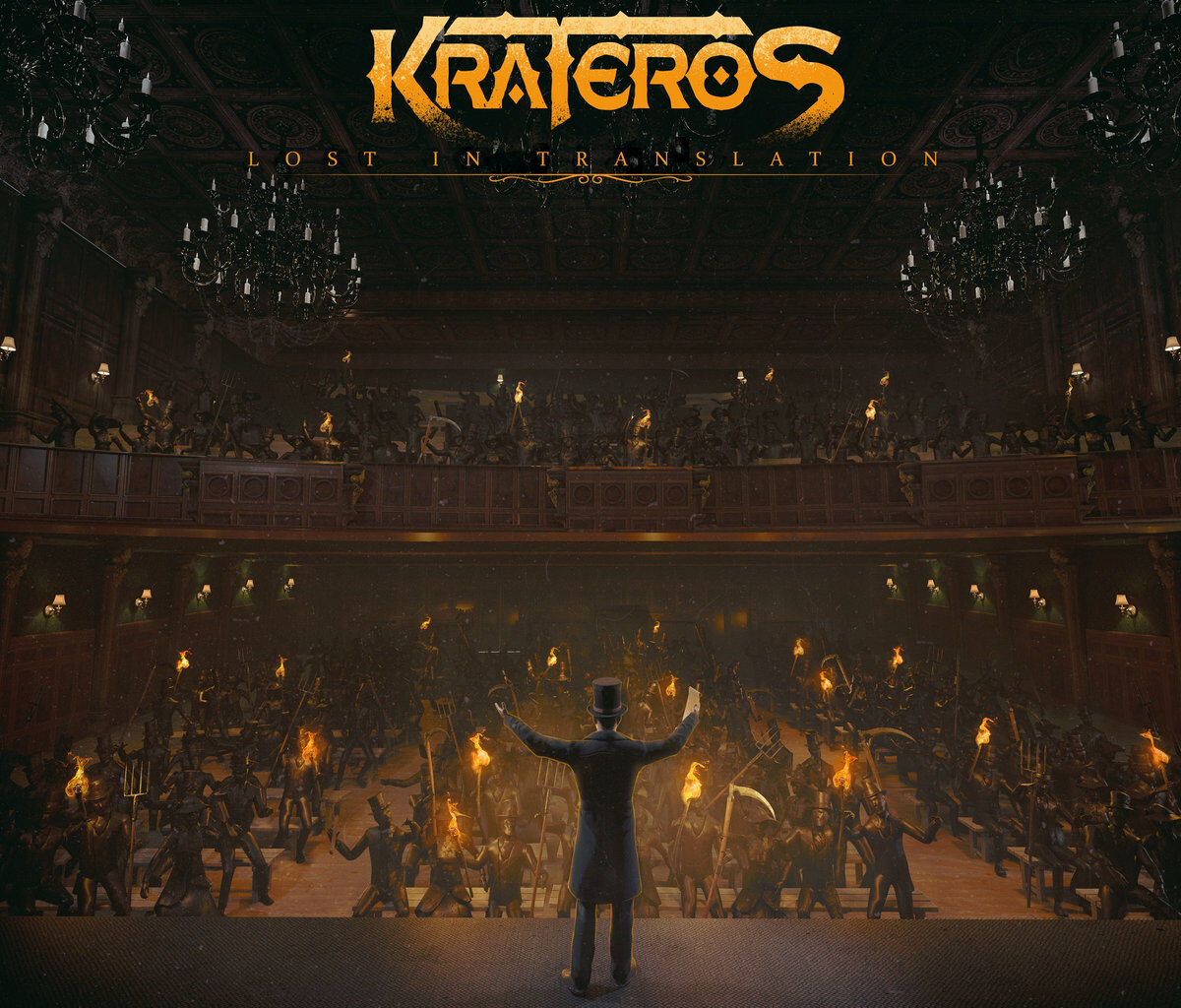
 Artwork By: All4band Design
Style: Thrash Metal, Progressive Metal, Power Metal (Mixed Vocals)
Recommended for fans of: Exodus, Megadeth, Trivium, Machine Head
Country: Finland
Release date: 30 January 2026
My introduction to thrash metal was quite memorable. One of my first metal concerts was a co-headliner with Fit For An Autopsy and Exodus, and I was there to see the former1. Between bands, I struck up a conversation with an older gentleman who stood next to me in the pit. He told me he’d been listening to Exodus since the 80s and that he often followed them on tours; meanwhile, I had only learned about them hours before. Once Exodus took the stage, I saw his eyes light up like a kid in a candy store, and I knew I was in for something special—whether it was the band’s performance of “The Toxic Waltz” or the older man’s joints working smoothly in the pit, I still haven’t decided. What stuck with me, however, is that younger people like me are continually making an effort to appreciate these experiences and build on the foundation of metal laid by giants like Exodus and Megadeth.
This brings us to the bright and upcoming Krateros. Hailing from Finland and taking inspiration from the rudimentary metal acts, the young power trio recently gifted their debut EP Lost in Translation to the world. Listening to a debut work is exciting; one gets to parse the band’s influences, style, and quality. Although Lost in Translation only clocks in at about twenty minutes, it is a well-done, promising twenty minutes. The EP features a meticulous blend of thrash and progressive metal elements that clearly draw on Metallica, Trivium, Genesis, and other established bands. With sonic help from their inspirations, Krateros create a piece of music that shows the signs of an eager, budding metal band.
Aside from a few decently proggy sections (“Uticensis” being a highlight), Lost in Translation largely borrows from the music of the more conventional metal greats, like Metallica and Testament. Such a compositional choice can be a safe option; what’s worked in the past must work now, right? While it serves as their foundation, Krateros go the extra mile to build on said foundation in a way that’s unique enough not to sound derivative. “Linguicide” showcases this ability well, bursting with a proper thrash riff that develops in the track alongside a mixed vocal line and some relatively progressive-metal-inspired drumming. Shredding guitar solos borrowed from the power metal world then shine through after a heavy chorus. “Linguicide” has a tight song structure and is a solid example of Krateros’s ability to revamp already existing musical ideas.
Saku Rekonen, who takes guitar and vocal duties, showcases his clean vocals in the opening of “Linguicide”. His voice here is full and confident; in the context of the EP’s 80s production style, his cleans fit the exposed thrash metal vocal sound. The vocals on the latter half of Lost in Translation become rougher, however, and not just in style. The vintage production cannot hide the intermediacy of Rekonen’s growls. For some, this may add to the nostalgic feel of Lost in Translation. As for myself, I believe that a few vocal lessons will take Rekonen from a bedroom vocalist to one who can entertain a large audience.
A majority of the tracks in Lost in Translation feel thrash first, progressive second. “The Performer”, one of the less inspired tracks on the album, has all the makings of a traditional thrash track, but little else to offer: catchy up-tempo riffing with syncopated beats, followed by a series of highs and growls from Rekonen. The thing is, even if “The Performer” isn’t groundbreaking, it’d be challenging to find a thrash fan who wouldn’t at least enjoy parts of the track. And for fans of progressive music first, thrash second, “Uticensis” opens with a rhythmic riff that grooves. The drumming by Touko Kaihola drives “Uticensis” with a seamless blend of straight shuffles and off-beat grooves. And, dare I say, it sounds like Kaihola even added a pinch of djent into the otherwise high-tempo track. With this impressive drum line, “Uticensis” stands out as a star track among others.
Lost in Translation ultimately sounds like a love letter to the bands that inspired Krateros‘s members in their youth. Krateros‘s meticulous songwriting makes these inspirations sound purposeful. Lost in Translation is the product of new-age metalheads who want to keep the spirit of old-school metal alive with fresh twists. It’s solid work for a debut; there are obvious growing pains, but the care Krateros has for their project shows a promising future. The songwriting torch is being passed down from older metalheads to younger ones, and bands like Krateros show they can be trusted to hold it high in an ever-changing musical landscape.
Recommended tracks: Linguicide, Uticensis, Comatose Waltz
You may also like: Transilience, Watchtower, Hesken, Exxûl
Final verdict: 6/10
Related links: Bandcamp | Facebook | Instagram
Label: Inverse Records
Krateros is:
– Saku Rekonen (Vocals & Guitar)
– Roni Helminen (Bass & Backing vocals)
– Touko Kaihola (Drums)
With guests:
– Jódís Rannveigardóttir (Backing Vocals)
Related