
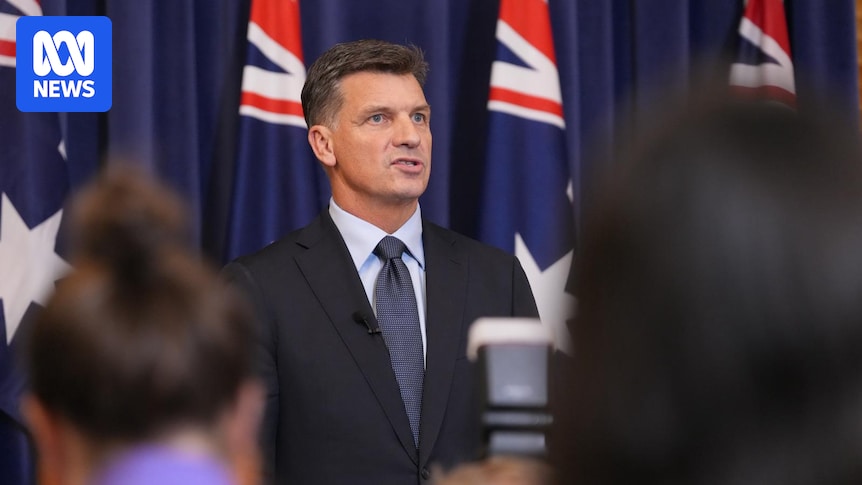
About 48 hours before two-thirds of the Liberal party room voted to oust Sussan Ley as leader, a security guard working the X-ray machine remarked it was shaping up to be a “big week”.
The man confessed there was “not a political bone” in his body, but an almost decade-long career in the building meant he knew the signs.
“It’s the body language,” he said, referring to the Liberals.
“The depression, the stress … they’re miserable.”
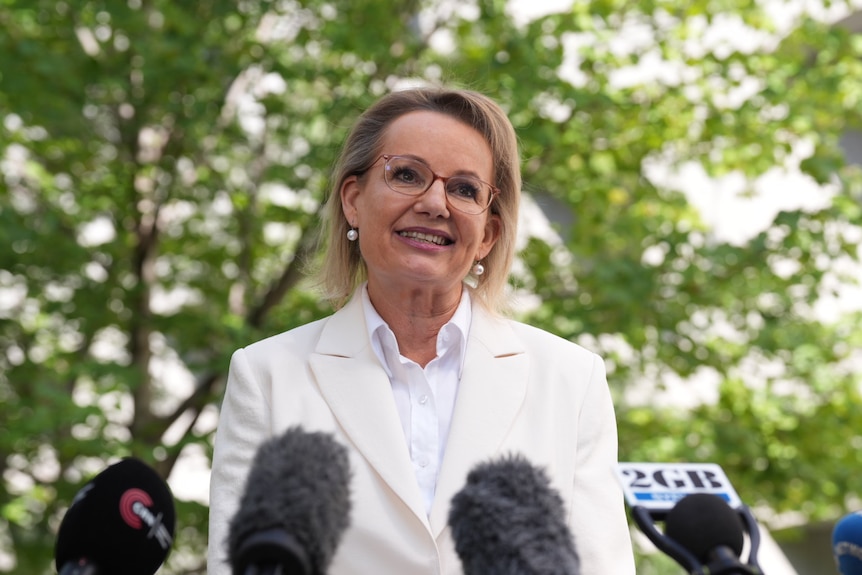
After more than two decades in Farrer, Sussan Ley leaves a seat long considered safe for the Coalition. (ABC News: Ian Cutmore)
The clear air Ley was never granted
The Liberals’ dire polling reflects a party that is under siege from the right and yet to make inroads reclaiming votes from what Ley once described as the “sensible centre”.
Then there’s the extraordinarily fractured relationship with the Nationals, who have consistently chased their own policy priorities no matter the impact on the Coalition.
And all this played out against a backdrop of sniping and undermining that never really granted Ley the “clear air” she has now promised to give her successor, Angus Taylor.
To survive, the Liberals must end their self-obsession
It’s no wonder her supporters were wearing their despair so plainly on their faces as they trudged into Parliament House each day.
But the depressed mood went beyond moderates and the loosely unaligned Liberals who had backed Ley in the last leadership battle with Taylor.
Many in the party’s right faction were growing tired of waiting on tenterhooks for their preferred leader, who had never planned to take on Ley so early in her tenure, to make a move.
When Taylor did walk into Ley’s office to offer his resignation on Wednesday evening, the relief among Liberals was palpable.
From the populist conservatives still smarting over Andrew Hastie’s pre-emptive leadership contest withdrawal, to the Ley staffers aware they may have to imminently update their resumes, there was a shared sense the limbo had ended.
What followed was a textbook spill orchestrated to maximise momentum, ultimately delivering Taylor a comfortable 34-17 win as fence-sitters in the party room realised where the numbers lay.
LoadingABC obtains talking points
In the days since Taylor defeated Ley, plenty has been said about where it all went wrong for the federal Liberals’ first female leader.
Few in the party believe Ley ever really cut through to voters.
But her backers argue a dedicated group of agitators were determined to make sure she never got the chance.
As Taylor outlined his vision for the party on Friday, some in the Ley camp pointed out his focus on values, immigration, housing attainability and the economy was not so unfamiliar.
Shadow ministry “talking points” from the day before Ley was rolled, obtained by this column, begin with a section called “our values”.
The document, which is updated daily with guidance on various current news topics to assist senior Liberals fronting the media, declared “aspiration is the foundation of the Australian promise”.
It stated the Liberal Party wanted to “reward effort, not punish success”, while several pages were dedicated to the economy and housing.
The “message of the day” was that it was “Labor’s cost of living crisis. They spend, prices rise. Australians pay”.
Then there was the finalised immigration policy — described as “hardline” by sources familiar with the version Ley was to hand down on Monday — as well as housing and small business policies in the works.
“We had a plan,” one Liberal in the Ley camp said.
Another said Ley also knew she “had to go if she couldn’t turn it around”, but their internal overtures for her to be given a little more time fell on deaf ears.
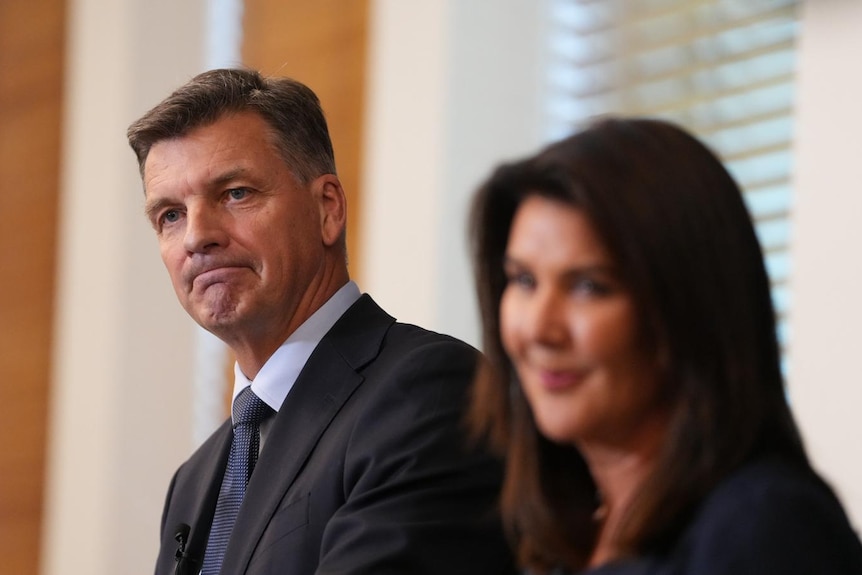
If Angus Taylor fails to chart a course back from the brink of electoral oblivion, his colleagues will next look for generational change. (ABC News: Ian Cutmore)
The challenge ahead
Liberal MPs and senators not strongly aligned to either side of the leadership contest wondered if realistically there was any chance Ley and her team could bounce back.
Even moderates privately remarked Ley had drifted from the vision she outlined upon taking the role when she vowed to win back young Australians, women and multicultural communities who have abandoned the party in droves.
There was also an inevitability to her facing a challenge this term.
Taylor may have been forced to move on an accelerated timeline set in motion by Hastie’s supporters, but his leadership ambitions were no secret.
He now picks up the formidable task of rebuilding the Liberals’ electoral fortunes.
Taylor and his new deputy, Jane Hume, must beat back a resurgent One Nation and woo the city and suburban seats that have ditched the Liberals in favour of teal independents and Labor.
Taylor’s first big test comes from the leader he deposed
The new leadership team chose the backyard of a family home in the regional NSW town of Goulburn to launch an attack on Labor’s economic record and pledge support for aspiration.
Noting the owners were considering downsizing to keep up with soaring costs, Senator Hume declared families were “looking for an opportunity to get ahead”.
Within weeks their early strategy will be tested with what could end up being a messy four- or even five-corner contest by-election in Ley’s rural NSW seat of Farrer.
If Taylor, who is a traditional Liberal in almost every sense, fails to chart a course back from the brink of electoral oblivion, his colleagues will next look for generational change.
In 12 months, a fresh leadership ballot could spark another contest involving the likes of Hastie or even moderate Victorian MP Tim Wilson.
Friday’s decisive spill result will give Taylor more internal authority than Ley ever had, but the distrust and impatience in the party room that cut her tenure short still lingers.
The agenda Ley was developing shows the Liberals were already circling the policy terrain Taylor now wants to lead on.
Stabilising the right flank and restoring metropolitan credibility will require time — something not enough Liberals were inclined to give Ley.
The paralysing uncertainty that weighed on the Liberals’ faces has lifted for now, but morale in politics follows results rather than reshuffles.