
Forty years ago, a movie about a knockabout croc hunter from the Northern Territory rewrote the script for shooting films in Australia’s north.
WARNING: Aboriginal and Torres Strait Islander readers are advised this article references a man who has died.
Crocodile Dundee smashed box office records when it was released in 1986, and put the remote NT’s fledgling film industry on the map.
Decades on from that unprecedented hit, a new wave of territory films are making their mark globally — from Berlin to India, Spain and Türkiye.
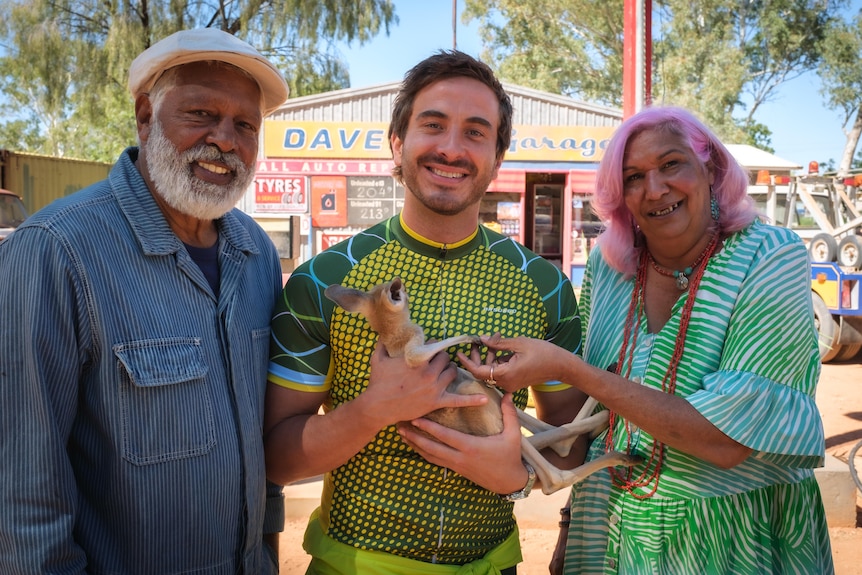
Ernie Dingo, Ryan Corr, Margot the joey and Trisha Morton-Thomas on the film set for Kangaroo. (Supplied: Screen Territory/John Platt)
New data from industry body Screen Territory revealed popular, recently-released films and television shows — like Kangaroo and Top End Bub — were also paying off for the NT economy.
Screen Territory director Jennie Hughes said Alice Springs-shot film Kangaroo was the highest-grossing Australian film at the national box office in 2025, and it made huge strides with crowds in other countries too.
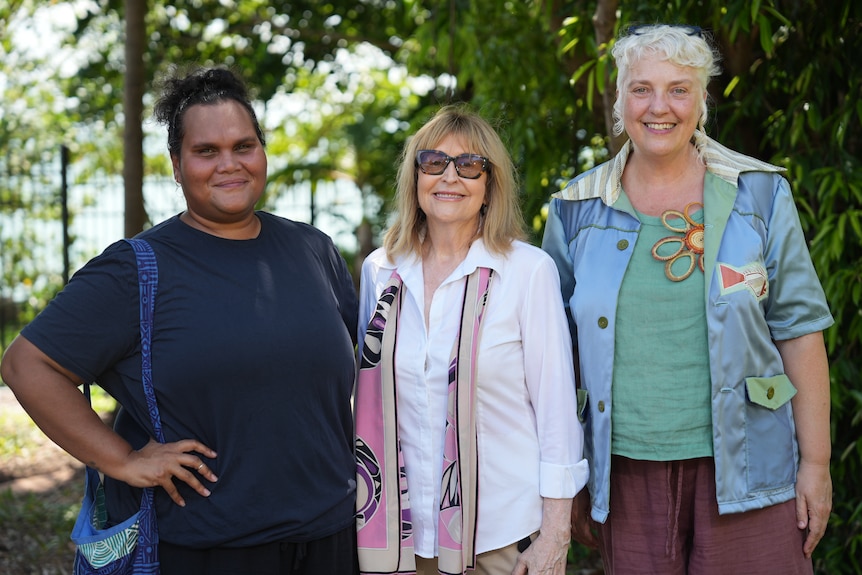
Jennie Hughes (centre), pictured with Libby Collins (left) and Cathy Gallagher, is excited to see NT films proving so popular. (ABC News: Dane Hirst)
“[In Germany] it was the highest grossing Australian film in 25 years,” she said.
“In the UK, it opened at number 12 just last week.
“So, we’re not just expanding our stories here, we’re telling our stories to a global audience, and that’s what we want.
“It’s a very exciting time for us.”
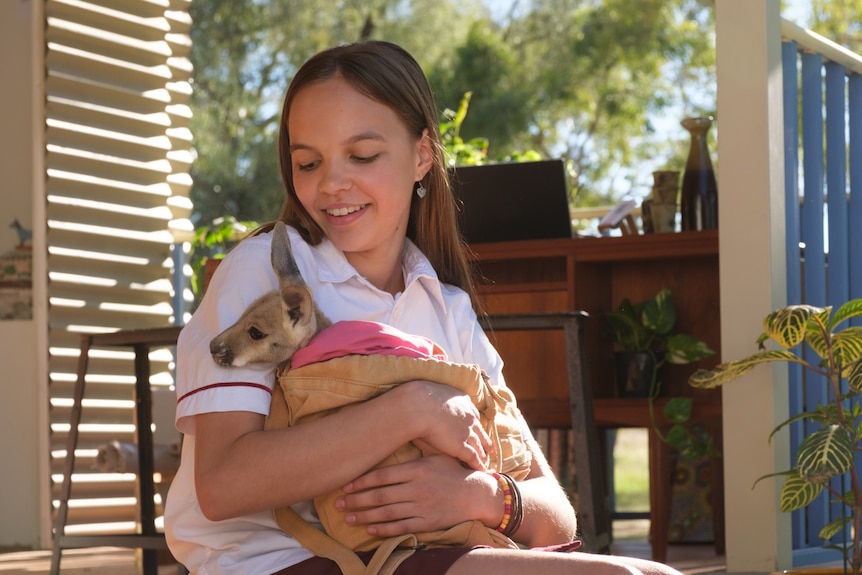
Lily Whiteley stars in the popular new film Kangaroo. (Supplied: Screen Territory/John Platt)
Alice Springs director Warwick Thornton will this week debut his new film Wolfram at the prestigious Berlin International Film Festival in Germany.
The NT’s industry also won big at last Saturday’s AACTA Awards, taking home gongs for Kangaroo, Top End Bub, and two for 2025 Arnhem Land documentary, Journey Home.
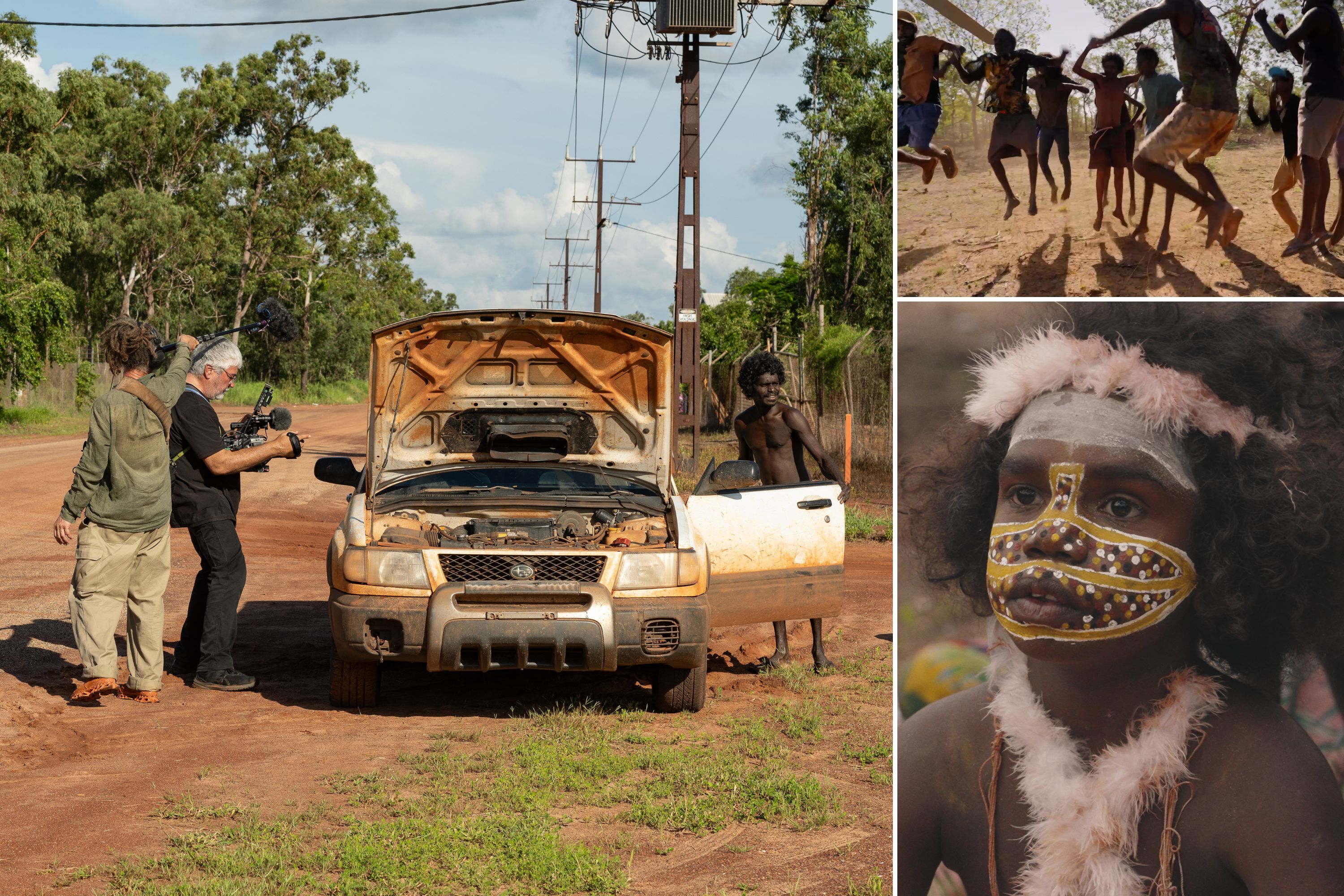
A behind-the-scenes look at the making of Journey Home, a documentary about David Gulpilil’s traditional funeral. (Supplied: Screen Territory/Anna Cadden)
Landscapes, humour among NT film touchpoints
Journey Home charts the traditional funeral of late Aboriginal actor David Gulpilil, who was among the key figures to blaze a trail for the NT’s film industry in its early days.
New documentary brings David Gulpilil’s dying wish to life
The documentary’s associate producer, Cathy Gallagher, said that although the territory’s industry had evolved since Gulpilil’s era, many of its hallmarks remained the same.
“I see the same landscapes, and I see the same hilarious, outrageous culture,” she said.
“The really unique cultural touchpoints that can only happen in the territory.”
Top End Bub co-producer and Tiwi woman, Libby Collins, said it was an exciting time for blak filmmakers and creatives in the NT, describing the industry’s “incredible leap” since the days of Crocodile Dundee.
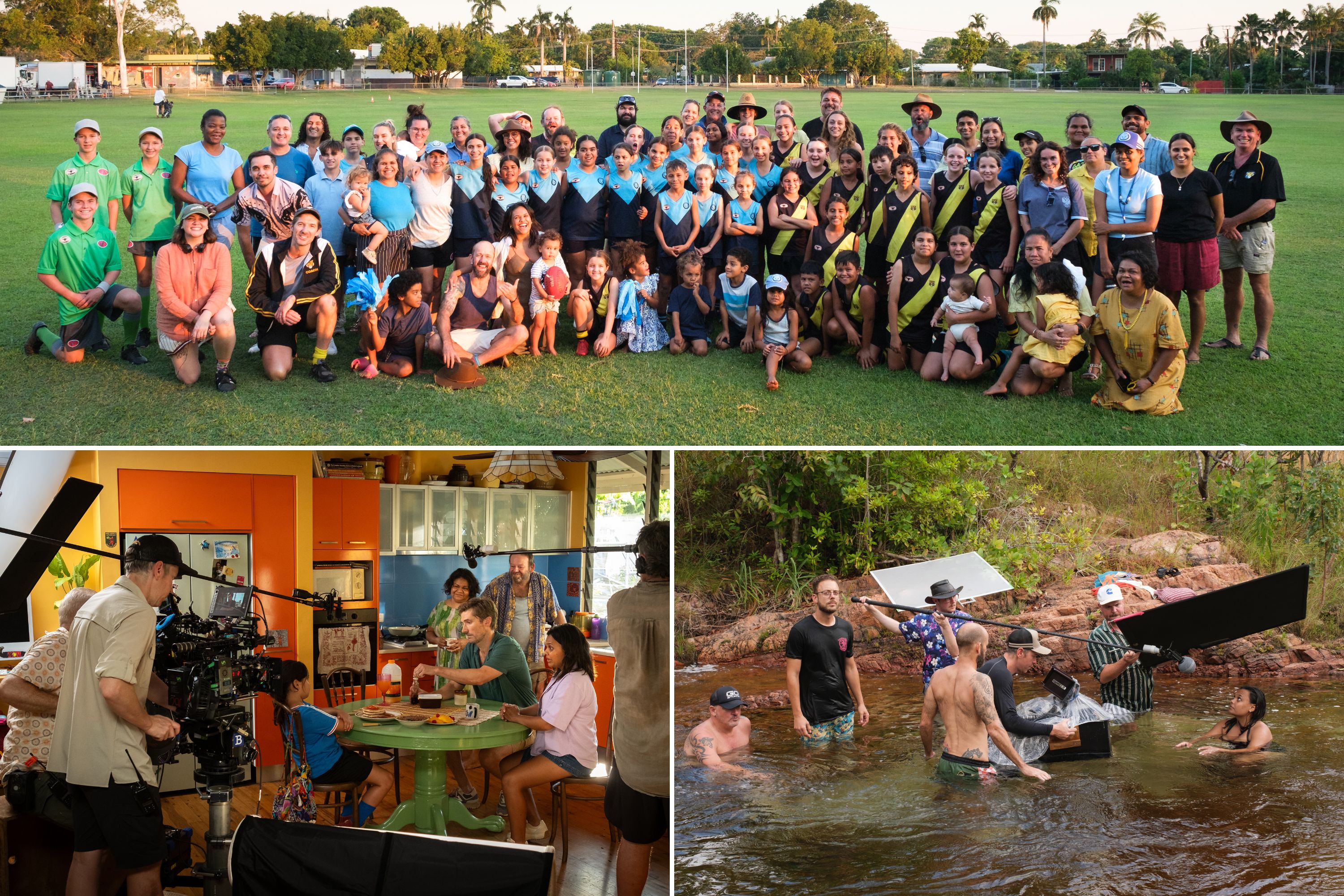
Top End Bub has brought a focus to the NT’s film industry. (Supplied: Screen Territory)
“[Crocodile Dundee] was a great foundation and a platform — it’s iconic,” she said.
“But for us to now be able to tell our own stories in our own way, and be on either side of the camera doing those things, and building those teams and stories, is pretty epic.”
The NT government is also trying to leverage tourism dollars out of films like Kangaroo, which was set in the Red Centre and based on the story of local identity Chris “Brolga” Barns.
Loading…
“We’ve got great stories, where it kind of intersects with tourism, that’s what we try and work with as well,” Ms Hughes said.
“The Northern Territory is leading [the nation] in screen tourism.”
She said Screen Territory’s investments of $2.02 million into Kangaroo, Top End Bub and Journey Home had brought more than $9.5 million back into the NT economy for Central Australia, Darwin and the Tiwi Islands.
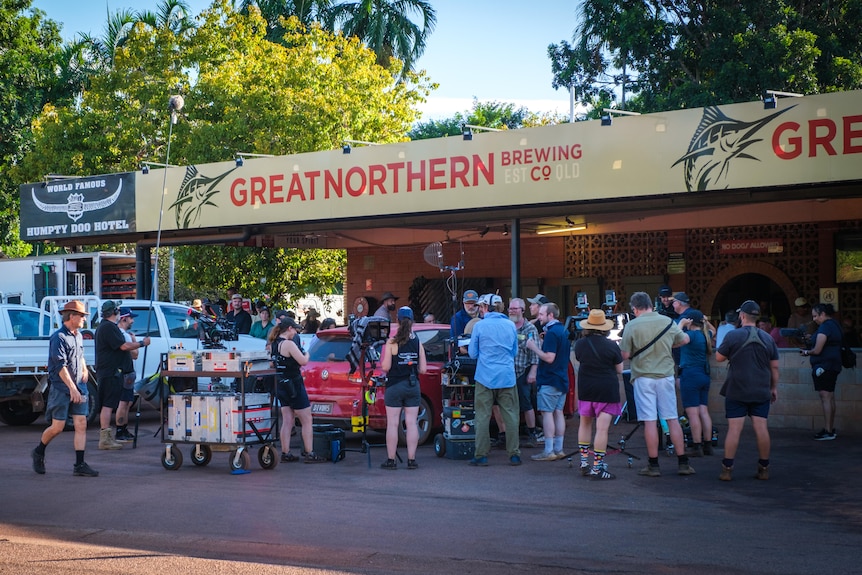
Humpty Doo Hotel is among the iconic NT locations featured in Top End Bub. (Supplied: Screen Territory)