
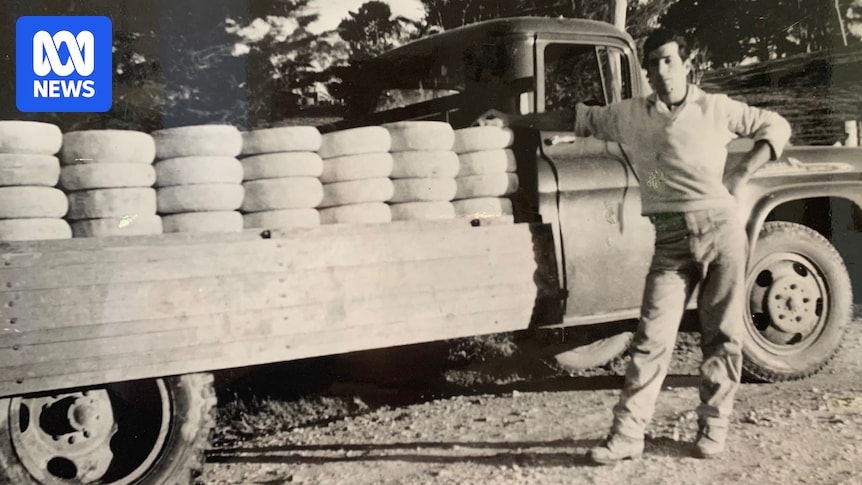
At age 90, most people have long retired. But great-grandfather John Interlandi is still hard at work making cheese.
Mr Interlandi is continuing the long-held family tradition of cheesemaking in Australia with younger generations, working alongside his 30-year-old grandson, Michael.
He has no interest in retiring, taking a holiday or even a sick day any time soon.
He can still be found effortlessly climbing in and out of his tractor on the family farm.
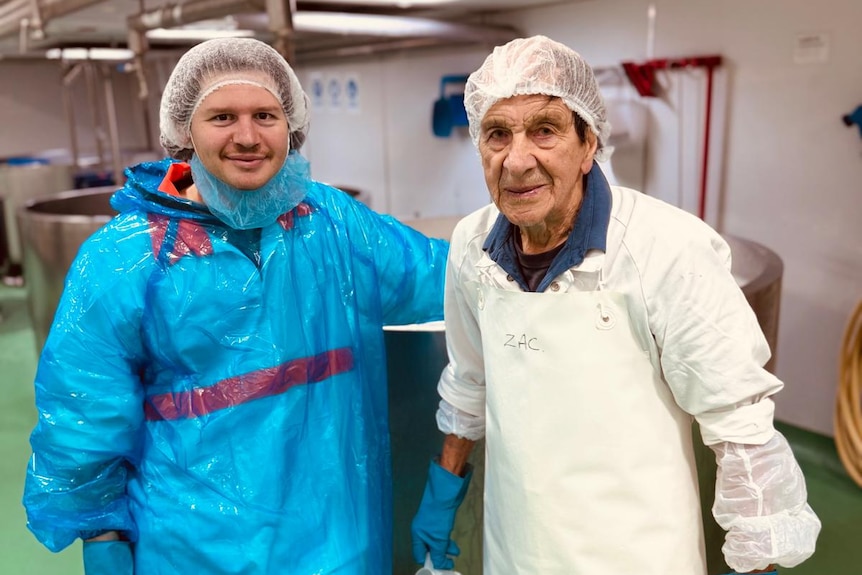
Michael and John Interlandi work together at Europa Cheese’s Pakenham factory on Melbourne’s outskirts. (Supplied: Gippsland Jersey)
“I don’t feel like I’m 90 because I’m not tired and I’ve got no disabilities; I’m not about to use a walker,” he said.
The son of Italian migrants, Mr Interlandi was born in Korumburra, south-east of Melbourne, where he grew up on a dairy farm in the Strzelecki ranges among the local Italian community.
His father came to Australia in the late 1920s searching for a better life, joining forces with two other Italians he had met on the ship to buy, share, clear and cultivate 121 hectares of bushy land.
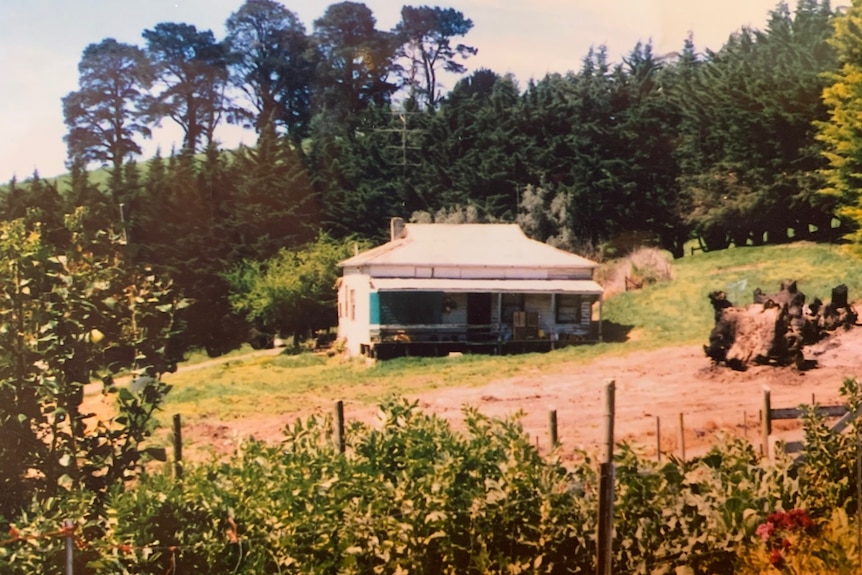
The Interlandi family farmed potatoes before painstakingly clearing the land to become a dairy farm. (Supplied: John Interlandi)
“We worked nearly every day putting potatoes in or clearing the land, fencing, looking after cattle and sheep, shearing the sheep, feeding pigs, picking peas, beans, ploughing, calving and hand milking dairy cows,” Mr Interlandi said.
“At that time life was very simple, but we ate well.”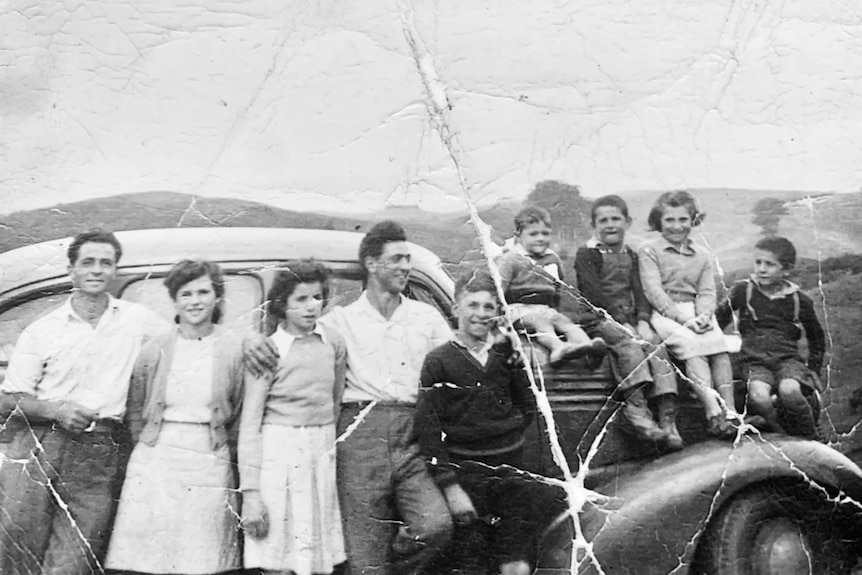
John Interlandi (fifth from left) with his siblings. (Supplied: John Interlandi)
A growing community
Italian migrants initially came to Gippsland to work as woodcutters in the goldfields of Walhalla during the mid-1800s, then as black-coal miners in Wonthaggi from 1910.
But war and economic hardship in Europe would inspire a significant wave of agricultural labourers to settle in Gippsland as potato and dairy farmers, predominantly after World War II.
With only processed cheddar available from the grocer and a growing European migrant population seeking continental cheeses like pecorino and parmesan for pasta, Mr Interlandi would watch his father make cheese by boiling milk on the stove.
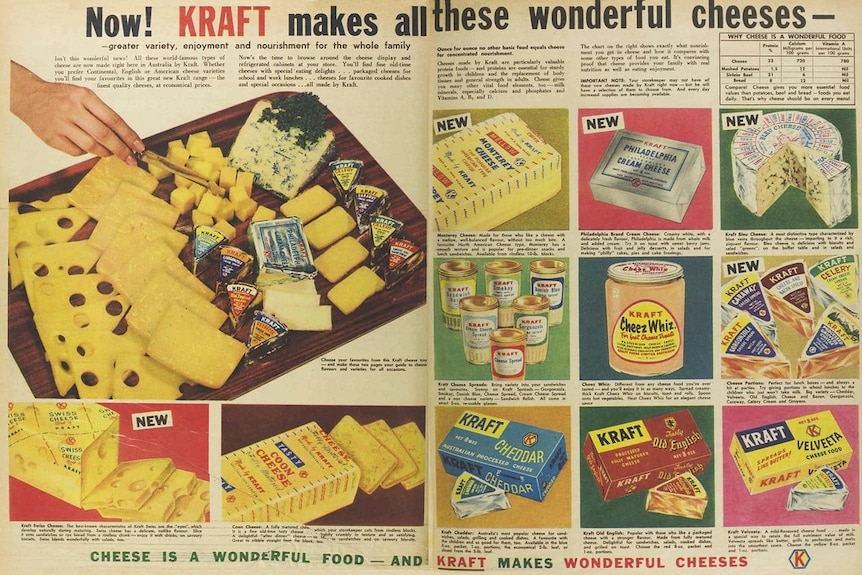
A Women’s Weekly advertisement from 1956, showcasing processed cheddar cheese varieties. (Supplied)
“When we had the dairy cows, the local factory wasn’t paying much for milk, so we decided to put some into cheese, and my dad made some samples,” he said.
After his father died, Mr Interlandi continued making cheese to support his family, supplying delicatessens and the local migrant community.
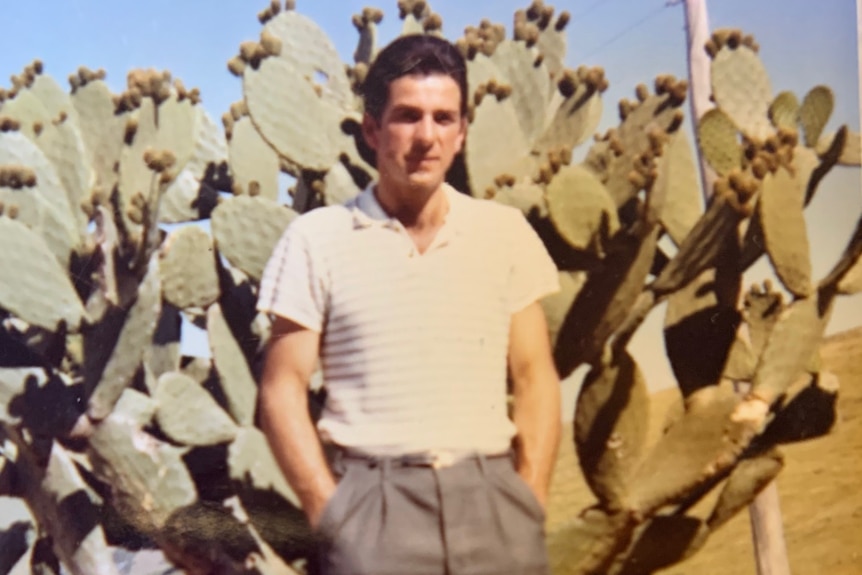
John Interlandi, aged 24. (Supplied: John Interlandi)
Fancy cheese 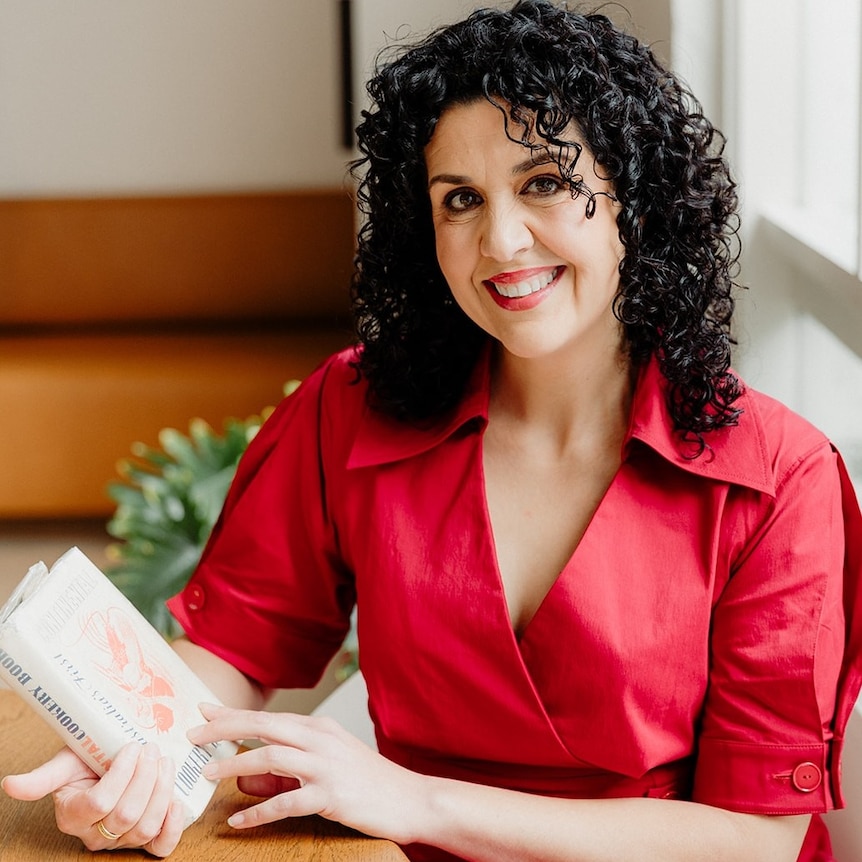
Tania Cammarano, pictured with Australia’s first Italian cookbook, published in 1937. (Supplied: Tania Cammarano)
Food historian Tania Cammarano said Italian cheese arrived in Australia before migration in the 1950s, despite popular belief.
“It was not at all popular; it was described as ‘fancy cheese’, a word used to describe anything that wasn’t cheddar up until the 1950s,” she said.
Dr Cammarano said Italian restaurants were established in the 1920s and 1930s, and Australia’s first Italian cookbook was published in 1937.
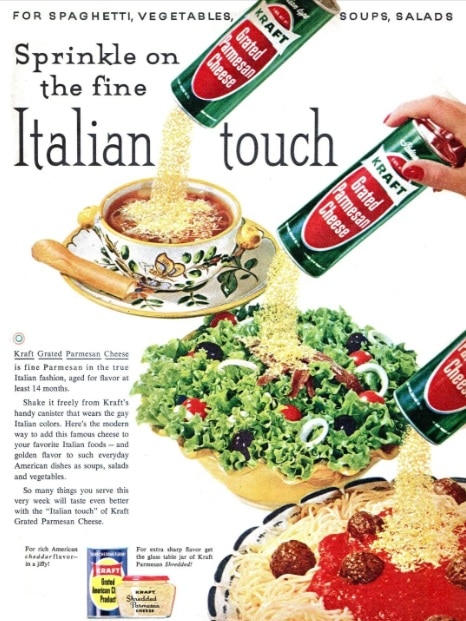
A Kraft advertisement from 1959, promoting Italian-inspired meals. (Supplied)
By 1952, “fancy cheese” debuted as a category at the Royal Melbourne Show for all non-cheddar entrants, marking a new era of cheese awareness among mainstream consumers.
Attitudes towards Italian cheese began to change as migration increased and more companies were established.
As espresso bars opened across Melbourne, such as Pelligrini’s in 1954, a more romanticised image of Italians as Vespa-riding fashionistas took hold.
A labour of love
Victoria’s Italian-born population peaked at 121,000 in 1971.
That year, Mr Interlandi and his British wife Jackie obtained a factory licence enabling them to buy bulk milk.
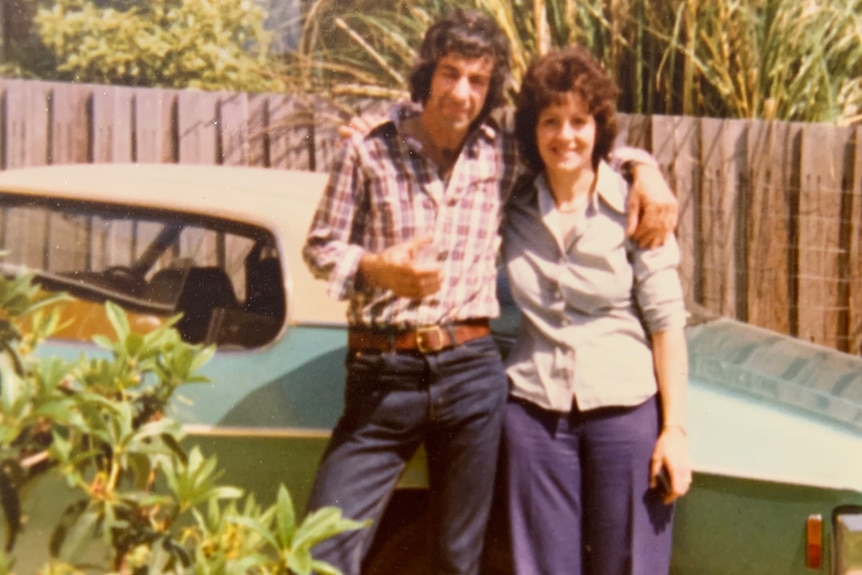
John and Jackie Interlandi married in 1962 and established their first Europa cheese factory in 1971. (Supplied: John Interlandi)
Outgrowing the Gippsland family farm, the couple worked hard to establish Europa Cheese with a factory premises and shopfront in Hawthorn, selling mainly wheels of pecorino and parmesan.
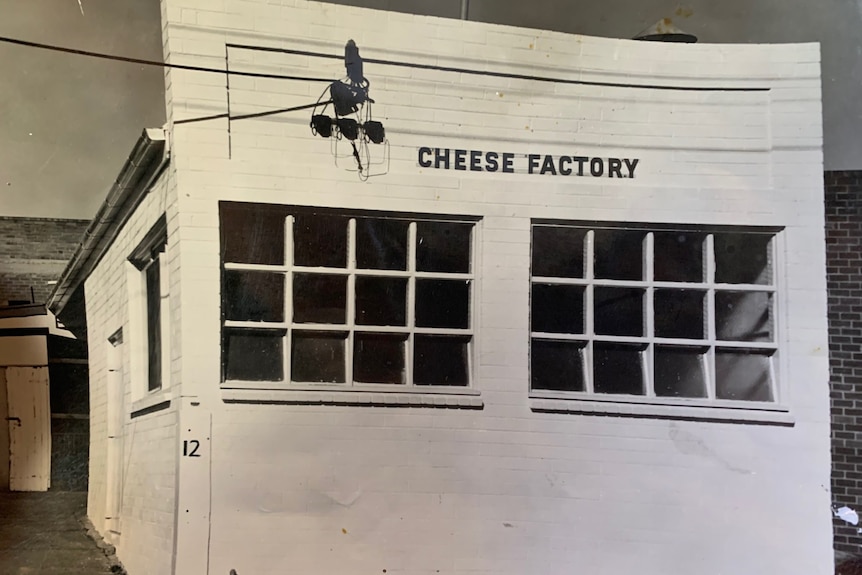
The first Europa Cheese factory was established in Hawthorn in 1971. (Supplied: John Interlandi )
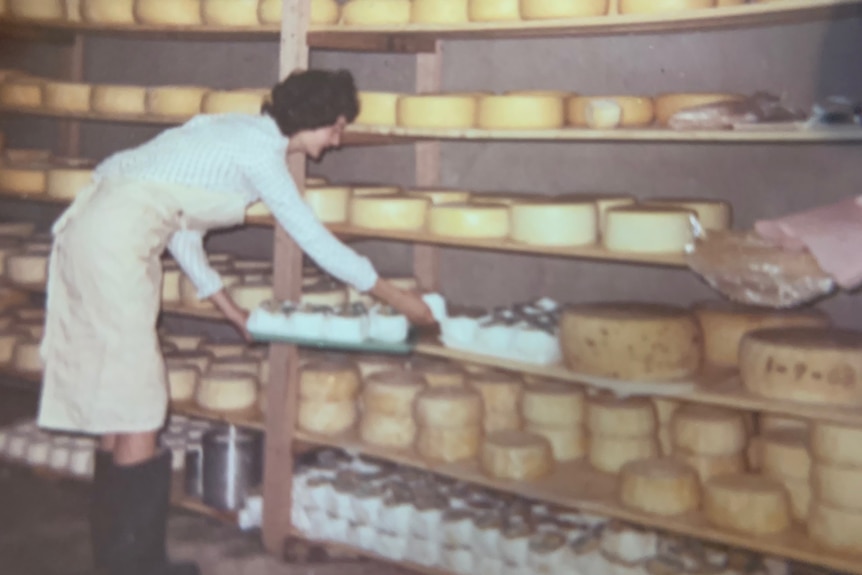
Jackie Interlandi in the early days of the Europa factory. (Supplied: John Interlandi)
After 16 years, they shifted operations to a larger facility in Dandenong.
The company was producing up to 4 tonnes of cheese each week, distributing to all states except Tasmania.
By the 1990s, Australia’s growing foodie movement passion for Italian travel and fresh produce led to an increase in the popularity of other cheeses, such as ricotta and shaved and grated parmesan.
“When we first started grating cheese and trying to sell it, somebody said, ‘Is that the sweepings off the floor?’ because they didn’t know what grating was,” he said.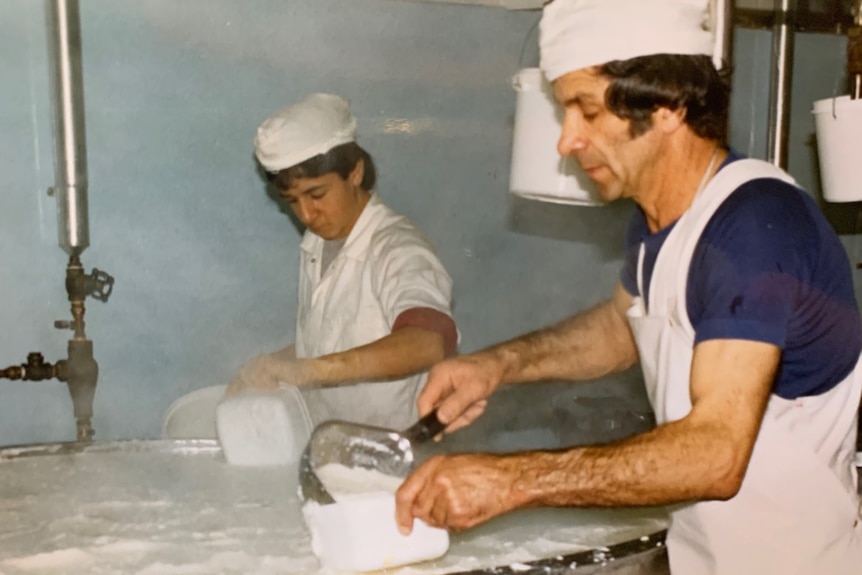
John and son Stephen Interlandi casting cheese wheels. (Supplied: John Interlandi)
Surprised by the enormous variety of Italian cheeses now consumed by Australians, he recalls a time when cheese whey was just given to the pigs.
Changing market
Europa relocated from Dandenong to Pakenham in 2005, and supplied companies such as Patties and Heinz with grated cheese.
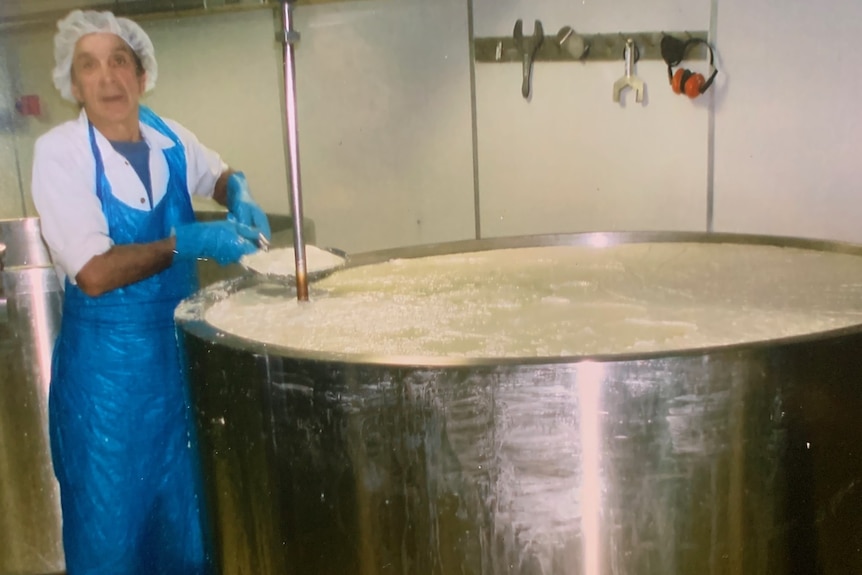
John Interlandi has been making cheese for more than 70 years. (Supplied: John Interlandi)
Over the past 20 years, the emergence of the slow food movement, championing foods that are local and made from scratch, has seen self-sufficient Italian-inspired living come full circle.
“People like Australian and local, they are shying away off the imported stuff because they know the Australia product is more genuine and true to flavour,” Mr Interlandi said.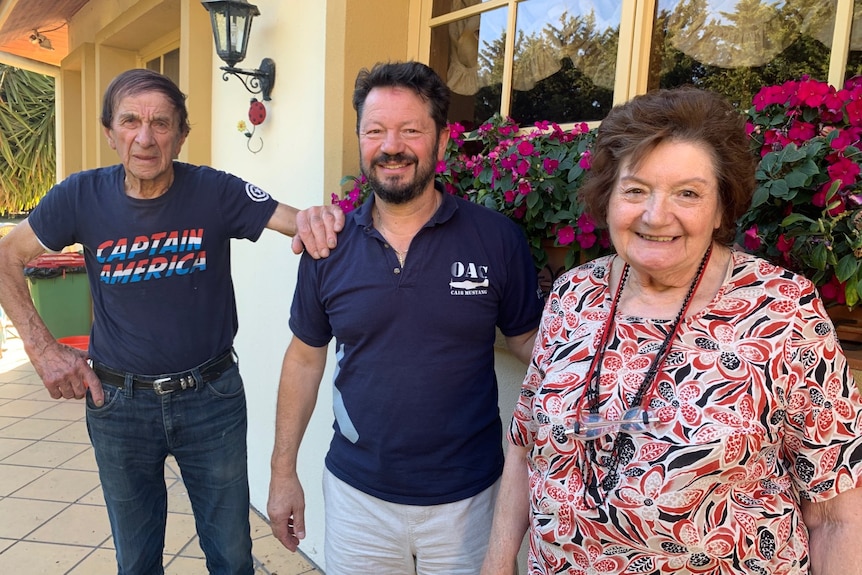
John Interlandi with son Stephen and wife Jackie. (Supplied: John Interlandi)
Having sold the Europa brand in November 2025, Mr Interlandi still has a passion for the slow art of “caring for his cheese” and sharing his wisdom, instincts and knowledge of the cheesemaking process.
“I always try to do the best,” he said.
“I want to see a cheese that’s perfect. It’s got to look good, it’s got to taste good, and that satisfaction that you get out of it.”
Even at age 90, he is still chasing that perfect cheese.