
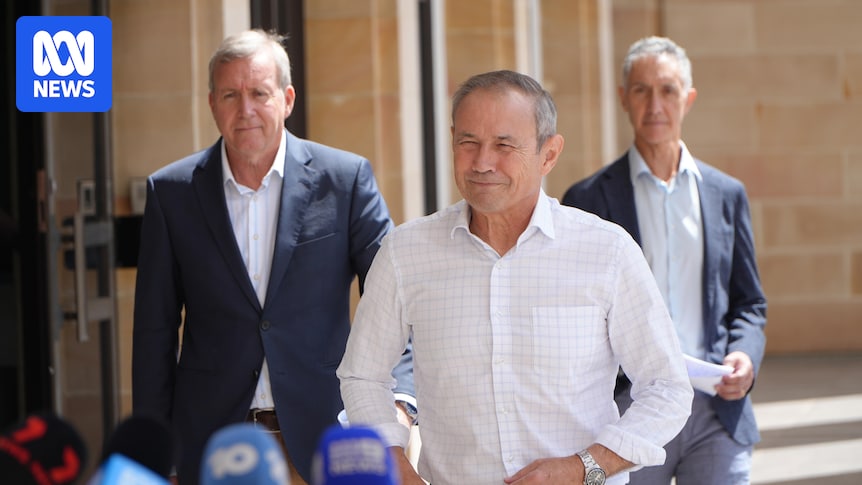
The WA premier has flagged the introduction of new legislation on hate speech and protests in a bid to protect “social cohesion” in the wake of “multiple threats across Australia” over the summer.
Roger Cook said the new laws are partly in response to the Bondi antisemitic terror attack on December 14, in which 15 people were killed while celebrating a Jewish holiday, and the alleged attempted terror attack at a Perth Invasion Day protest in Forrest Place on January 26.
Mr Cook said the state could not get complacent about protecting its citizens from hate-fuelled violence.
“We have to respond to what we saw in Bondi, we have to respond to what we see emerging on the east coast,” he said.
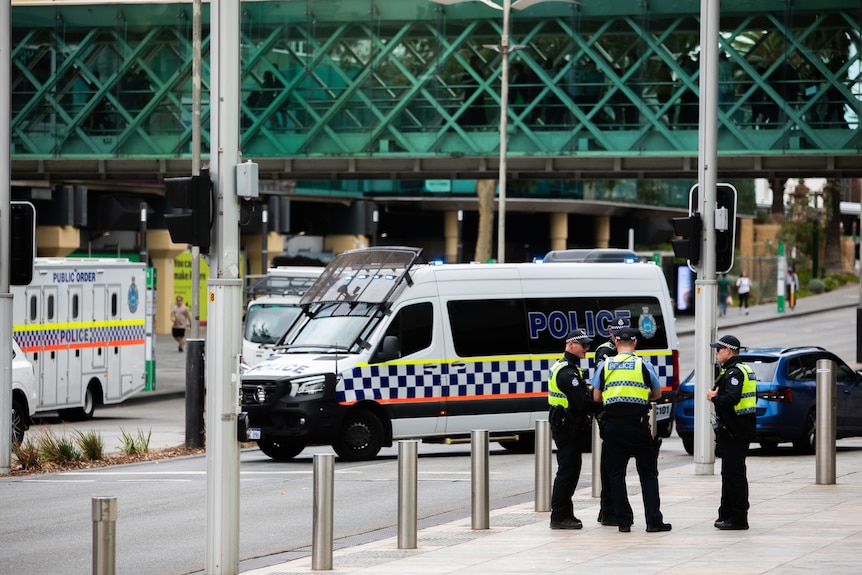
Police were called to Forrest Place on January 26 after a man allegedly threw a homemade bomb into a crowd of peaceful protesters. (ABC News: Keane Bourke)
“We have to respond to the fact that Western Australia is not immune to these activities.”
The Public Order Legislation Amendment Bill will be introduced into the state’s parliament this week.
The legislation would give police the power to refuse a permit for protesters if the event is likely to “promote hate based on factors such as religion, race, disability, gender, sexuality or ethnicity”.
Freedom of speech fears
However Greens MP Sophie McNeill said her party was “deeply concerned” the new legislation could give police “the power to decide who has the right to protest”.
“We’re really worried that there is no oversight to this, no independent scrutiny,” Ms McNeill said.
“These are our most basic, fundamental democratic rights.”
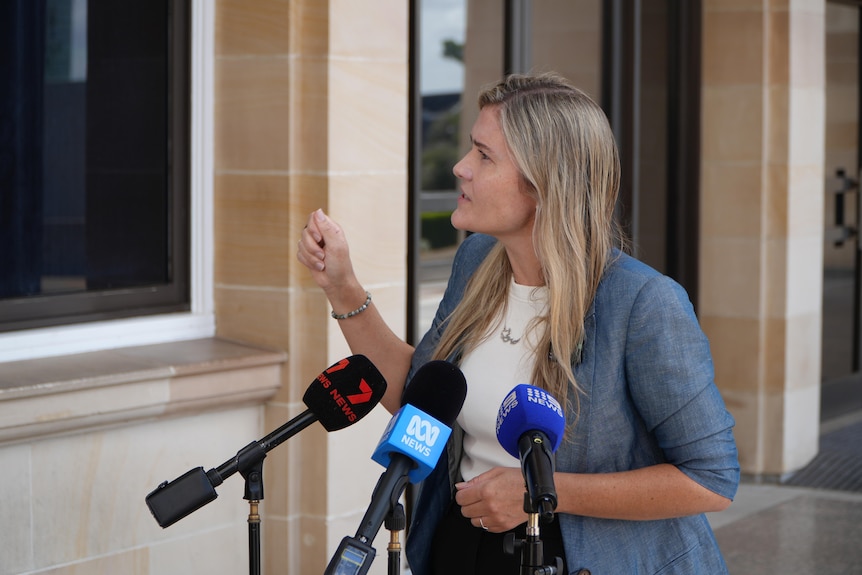
Sophie McNeill says the new laws would give police the power to decide who gets to stage a protest. (ABC News: Callum Liddelow)
The proposed WA legislation echoes a toughening of protest laws in New South Wales.
In the days following the Bondi massacre, the NSW government passed new laws giving police the power to ban authorised protests for up to three months after a terror attack.
Chris Minns positions himself as the anti-protest premier. Will it pay off?
The new WA laws would also extend the state’s ban on displaying Nazi symbols to cover symbols of all groups that are outlawed under Commonwealth legislation, including flags from terrorist organisations.
The ban would also apply to juveniles, and there would be a ban on face coverings “that are worn in public to intimidate or cause apprehension in others”.
Exemptions would apply for health, occupational safety, religious, cultural or artistic reasons.
Mr Cook said the new laws were not about stopping peaceful protests, but about stopping hateful ideology.
“I want to emphasise that the right to protest is fundamental and peaceful assemblies will continue to be supported to make sure that people can protect their freedom of speech,” he said.
“What is being targeted by these laws today is behaviour that crosses the line into violence, harassment or intimidation.”
‘Australia has changed’
WA Police Minister Reece Whitby said the attempted terror attack at the Invasion Day rally “sums up what this law is all about”.
“It’s about fundamentally respecting the right of people to speak forcefully, to make a protest, to show their passion on issues in a peaceful way, but it’s also about keeping the community safe, keeping people at protests safe,” Mr Whitby said.
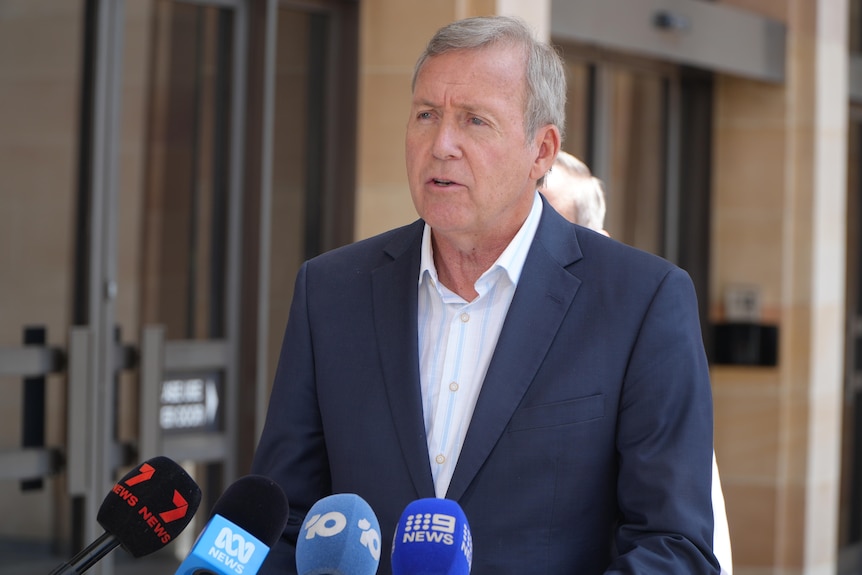
Reece Whitby says keeping people safe is the driving force behind the new laws. (ABC News: Callum Liddelow)
WA Attorney General Tony Buti said: “Bondi changed everything, January 26 changed everything.
“The world unfortunately has changed, Australia has changed, since late last year.
“Bondi happened, who’s to say Western Australia is immune from that?
“We have been very lucky in Western Australia.
“We have a harmonious, tolerant society where we champion our diversity.
“But we’re getting ready and allowing police the powers if they need to use them.”
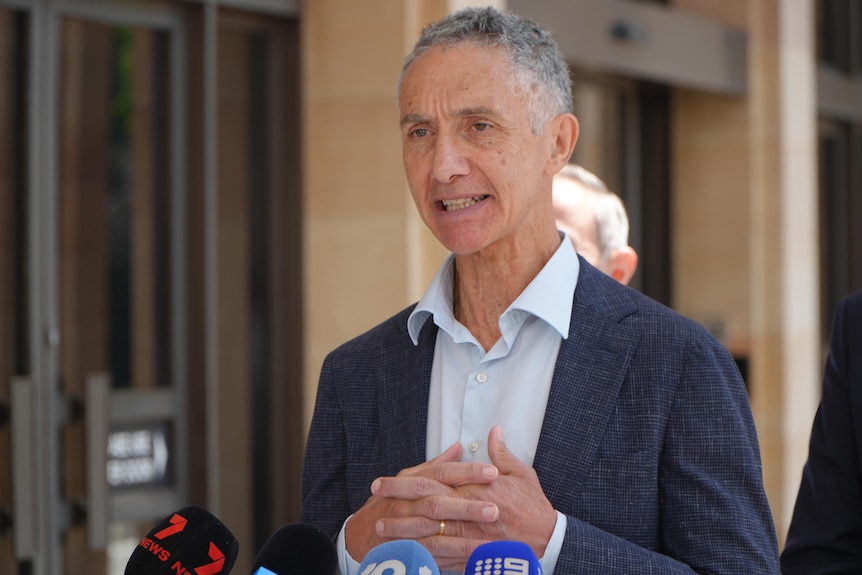
Tony Buti says Australia has changed after the Bondi terror attack last December. (ABC News: Callum Liddelow)
Dr Buti said public safety would be “number one” when it came to whether protests were allowed permits from police.
Opposition Leader Basil Zempilas said that while he was yet to see the specifics of the protest legislation, he believed that the rule of law should apply.
“If there is any suggestion that there are any unlawful aspects to it then the authorities should absolutely have the right to crack down on that,” M Zempilas said.
“People should feel safe.”
Loading