
The first test in Bahrain made clear that the 2026 Formula 1 regulations represent a fundamental shift in emphasis toward energy management.
That shift will not only reshape racing in Melbourne and beyond, but materially widen the developmental gap between Formula 1 and Formula 2.
Why energy management reshapes the ladder to Formula 1
Want more PlanetF1.com coverage? Add us as a preferred source on Google for news you can trust.
For F1 2026, cars feature both revised aerodynamic rules and power unit regulations and mark the most significant rule change in F1 history. Cars now boast a 50/50 split in terms of combustion and electrical power, with a huge emphasis on energy recovery and deployment. Active aerodynamics increase straight-line efficiency but reduce peak cornering performance, placing greater emphasis on energy harvesting and deployment strategy.
Across the three days of running in Bahrain, opinions on the new style of cars were mixed. On track, they’re visibly harder to drive, forcing the driver to muscle the car around as it slides about. But ask the drivers themselves, and they just want to go fast – sliding is slow, so the general consensus is that these cars are less fun than what they’ve driven before.
The energy-management element introduces counterintuitive requirements for drivers. Drivers must now lift on straights, downshift for regeneration, and sacrifice peak entry speed in order to optimise overall lap time through energy recovery. It’s not natural, and requires practice. By the end of 2026, after expanded testing and a 24-race calendar, the operational demands of the new formula will be embedded within the existing grid. Drivers entering in 2027 will begin that process with materially less preparation.
“There’s a lot of things that we’ve never had to do before,” said Oscar Piastri in Bahrain of the new driving challenge. “They are just challenging by nature, because some of them are not very instinctive. When you’ve kind of driven a certain way for the last 15 years, it’s pretty tough to undo some of those things, especially when some of them are lifting on straights or stuff like that. As a driver, you never want to be lifting at any point.”
“You just need to understand the fundamentals of how it works,” argued Alex Albon. “As a driver, as a as an athlete, you just you do whatever it takes to get to be the best you can be.
“Can you find a bit of performance yourself by knowing how these engines work better than everyone else? Yeah, likely you can. So do that and spend that time. Spend your time with Mercedes and understand how how to drive these cars. It’s been very interesting, and I think, long story short, it’s just part of the game.”
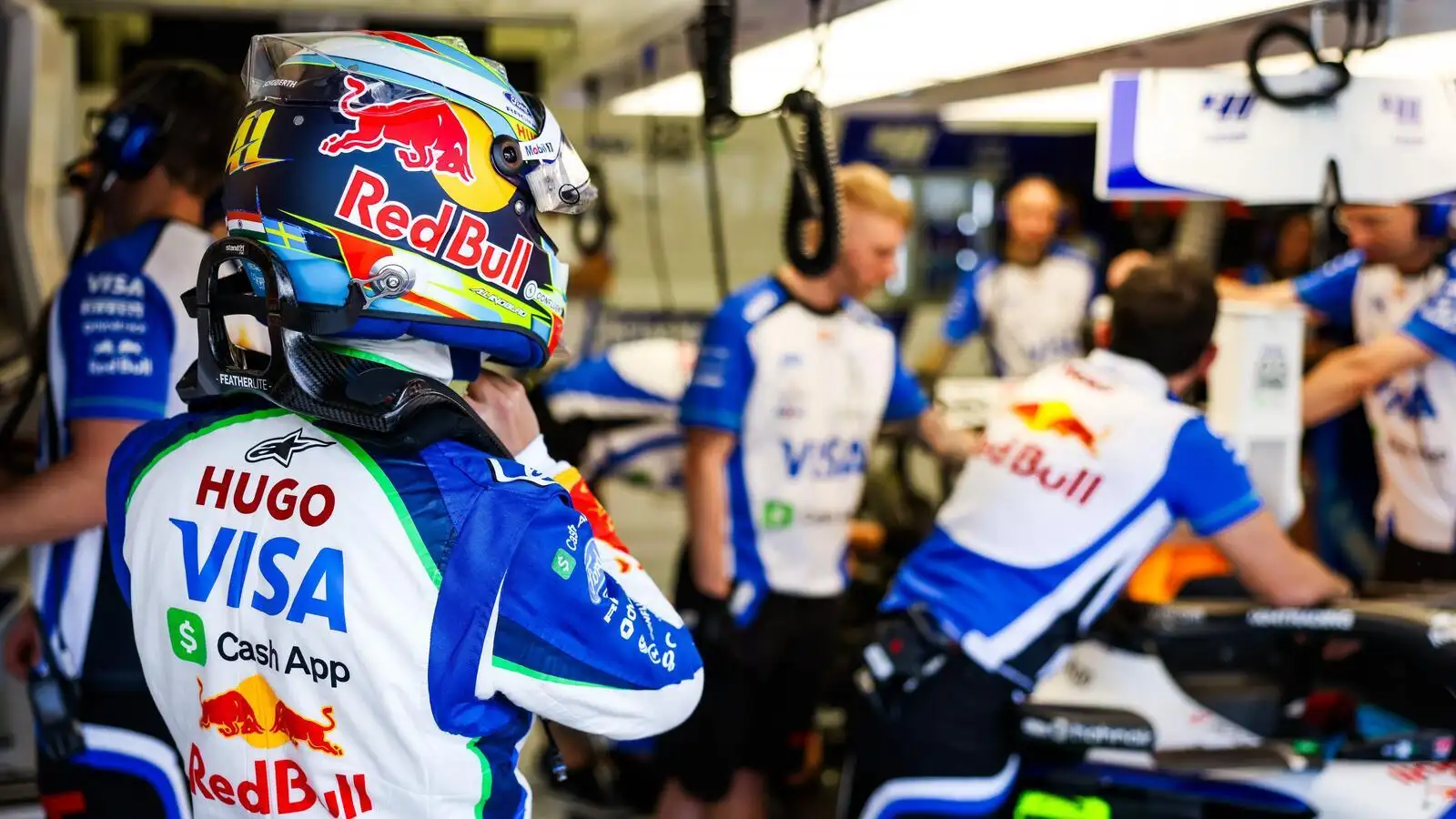
Arvid Lindblad’s graduation with Racing Bulls coincides with the regulatory reset, placing him on equal developmental footing with established drivers. A debut in 2027 would instead mean joining a field already fluent in energy deployment and regeneration strategy, without the benefit of expanded acclimatisation time.
While a performance gap between Formula 2 and Formula 1 has always existed, the 2026 regulations fundamentally change that dynamic. Once it was largely a performance jump – the cars are faster, the engineering more intense and precise. Now, there are fundamental driving elements that need to be incorporated into braking zones, deployment strategy and corner approach. The challenge for any young driver finding their way onto the F1 grid next season is the greatest it has ever been.
The technical complexity increases the strategic risk associated with promoting inexperienced drivers. The step is now too great and it’s too much to expect an F2 driver to step up and immediately be competitive.
More on F1 2026 regulations
Safety concerns trigger calls for urgent change to F1 2026 race starts
Opinion: Formula 1 is undermining innovation with 2026 engine politics
“They’re unlike anything I’ve ever driven,” said Liam Lawson, a man who has raced through the junior categories, DTM, and Super Formula. “They’re very, very new. Very new style of driving, very new thing that I’ve experienced. It doesn’t relate to much else.
“It’s always completely different,” he added of the jump to Formula 2 amid suggestions that the feeder series has been made less relevant as a result of the F1 2026 regulations. “Formula 1 has always been extremely fast and it never really related to F2 anyway. So I think the gap from F2 to F1, it’s always been too big. It’s not that it’s smaller this year, it’s Formula 1 is slightly slower, but it’s just very, very different to drive. Maybe it even relates less.”
It will demand a longer grace period. An incoming driver will not only compete against rivals with greater racing experience, but drivers fully adapted to the energy-management demands of the new regulations.
There are some ways to mitigate this, including FP1 running and similar opportunities, but they are of limited value. Testing of previous cars will now help with that sensation of speed, but does next to nothing in terms of any other element needed of an F1 driver – and potentially even reinforce habits that are detrimental in modern F1. And sure, there’s simulator running, and that will help, but there is nothing like driving a current-spec F1 car for real; it’s exactly why TPC running in analogous machinery became so prevalent.
Closing the gulf between F2 and F1 is not the work of a moment, it is not simply a matter of developing a new car. As a spec series, Formula 2 must remain comparatively simple and affordable as drivers at that level remain ostensibly amateurs. Of course, natural attrition will continue to see young drivers promoted, but when they arrive, expectations must be tempered accordingly.
The jump to Formula 1 has never been more complex — nor more unforgiving.
Want to be the first to know exclusive information from the F1 paddock? Join our broadcast channel on WhatsApp to get the scoop on the latest developments from our team of accredited journalists.
You can also subscribe to the PlanetF1 YouTube channel for exclusive features, hear from our paddock journalists with stories from the heart of Formula 1 and much more!
Read Next: Mercedes F1 2026 compression ratio debate nears boiling point ahead of homologation