
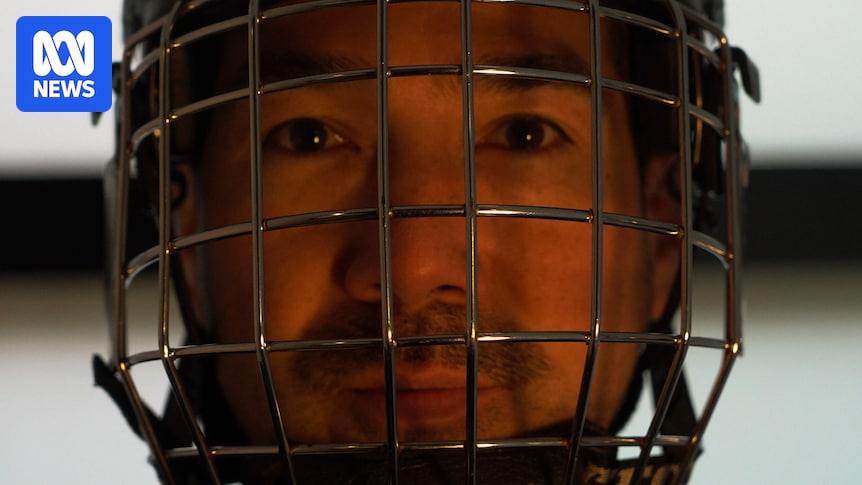
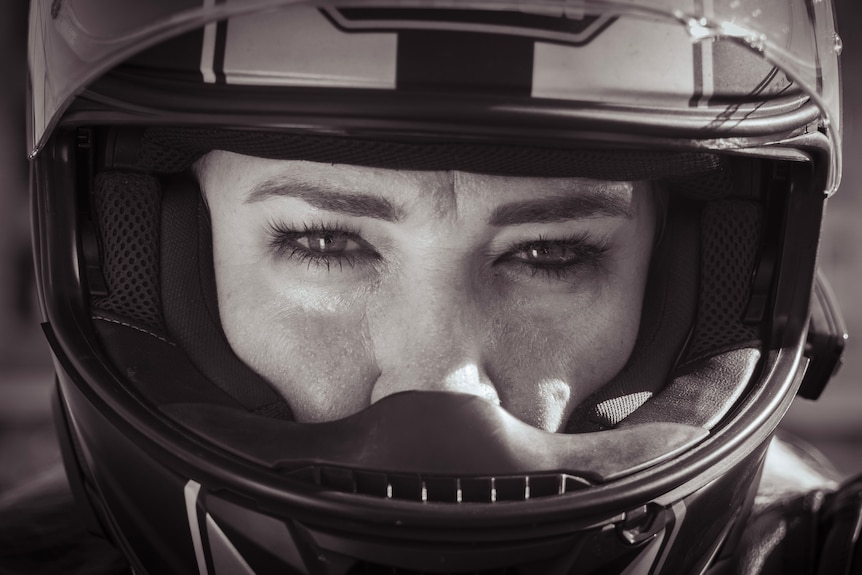
 Kendal Walton from Dykes on Bikes says the club’s history is special. (ABC News: Briana Fiore)
Members of the LGBTQIA+ community share their experiences of homophobia and how some sporting clubs have evolved into safe havens, including at one location with a dark history.
Their reflections involve themes that may be distressing for some readers.
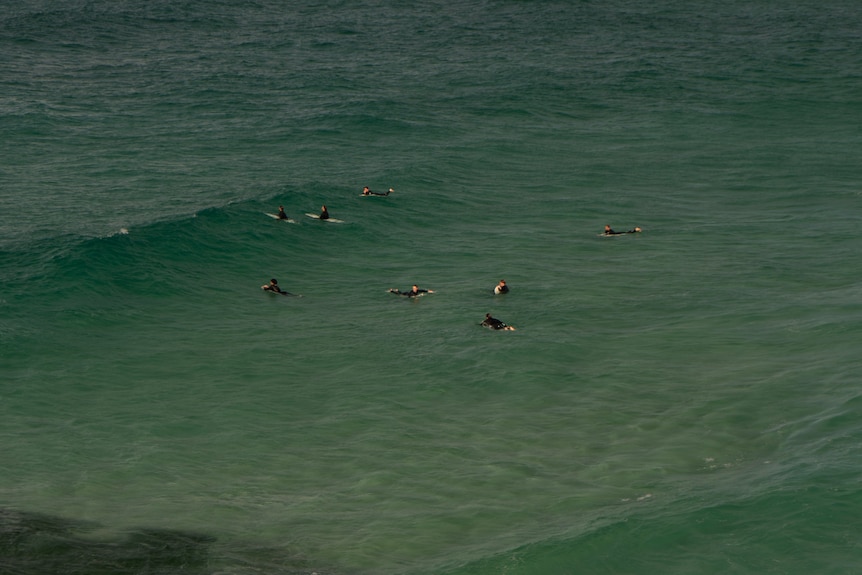 Tamarama Beach in New South Wales.(ABC News: Briana Fiore)
Sydney’s Tamarama beach is not for beginners.
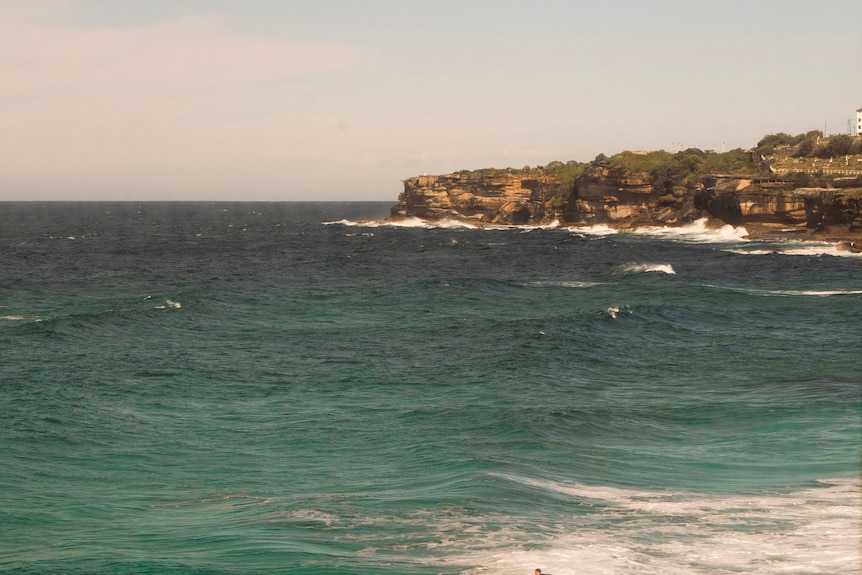 Gay hate crimes are said to have occurred along the Bondi cliffs.(ABC News: Briana Fiore)
It has unpredictable surf and strong rips.
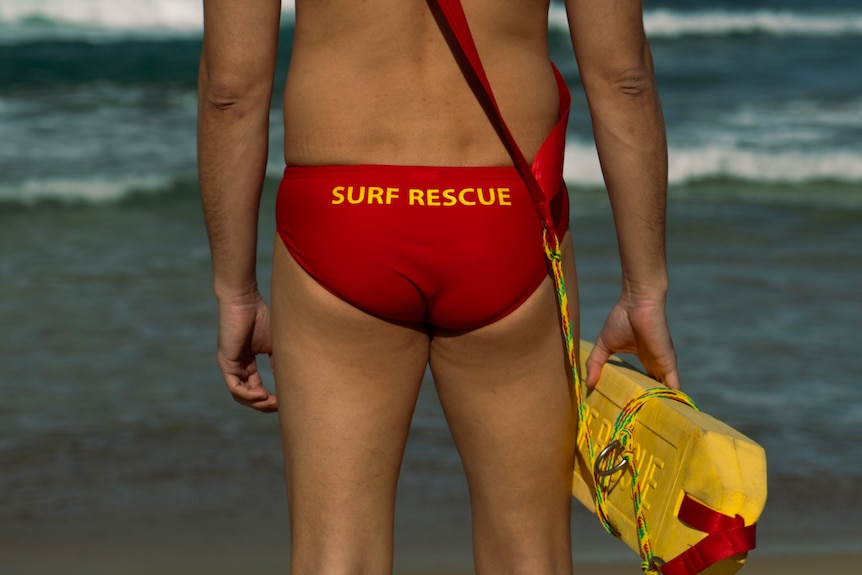 A lifesaver patrols the ocean. (ABC News: Briana Fiore )
Today, a group of surf lifesavers with strong queer representation helps patrol the beach which was once the site of gay hate crimes.
Lifesaver Tim Wright remembers his first rescue here.
“Someone was in trouble, and you just go into that fight or flight response,” Tim said.
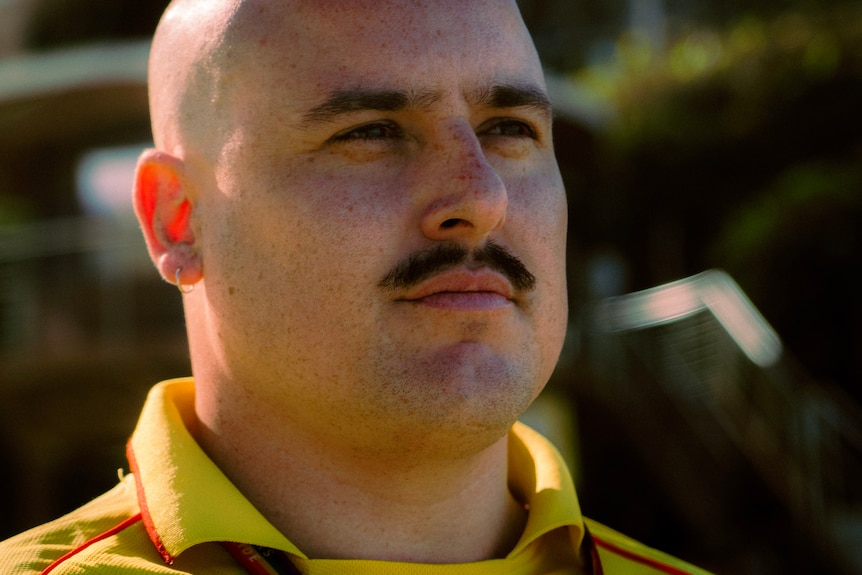 Tim Wright reflects on saving lives. (ABC News: Briana Fiore)
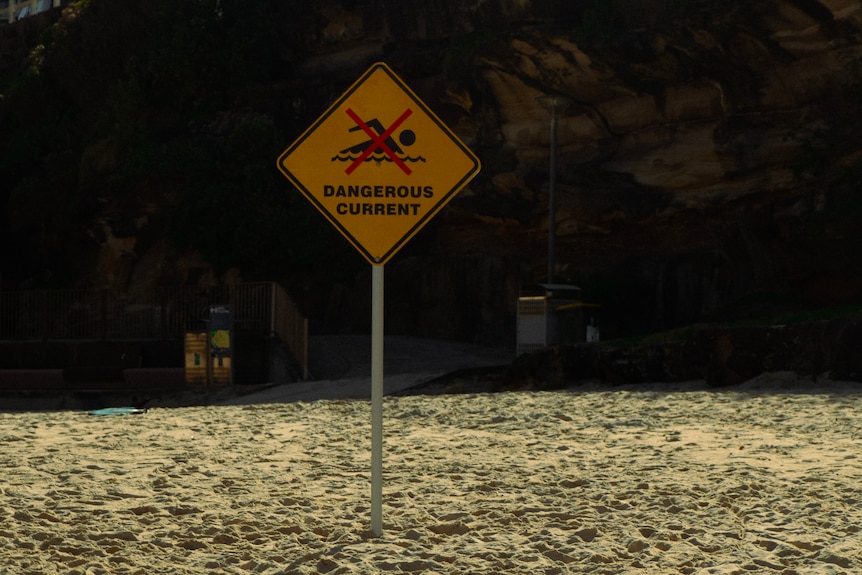 Tamarama Beach has dangerous currents.(ABC News: Briana Fiore)
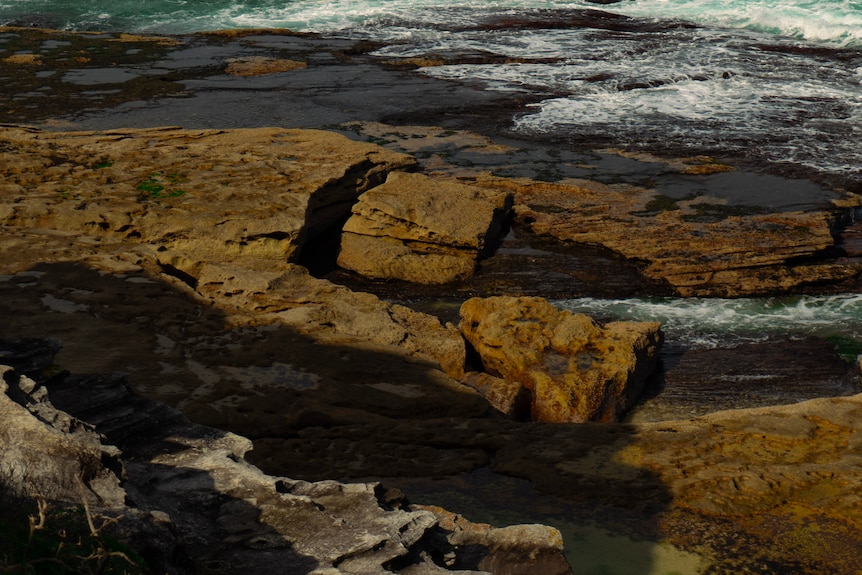 Rocks at Tamarama Beach. (ABC News: Briana Fiore)
“I just grabbed the board and ran into the water.”
He said training and instinct took over. He bought the swimmer to the beach and they recovered.
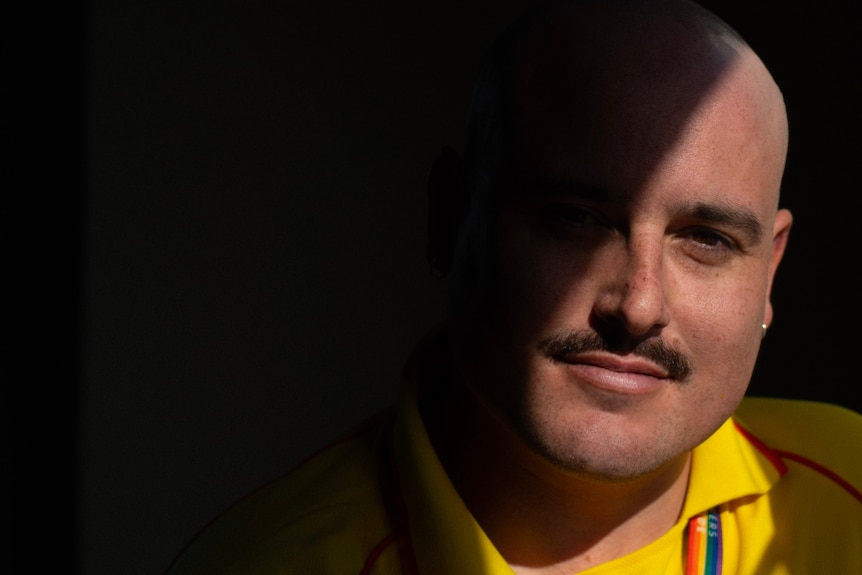 Tim says he didn’t feel welcome in some sports.(ABC News: Briana Fiore)
Tim was an athletic teenager but quit hyper-masculine team sports.
“I was getting bullied by a lot of the boys,” he recalled.
He is now openly gay, but at the time he didn’t really understand his identity and did not feel welcome in many of those spaces.
“I just chose to remove myself from it,” he said.
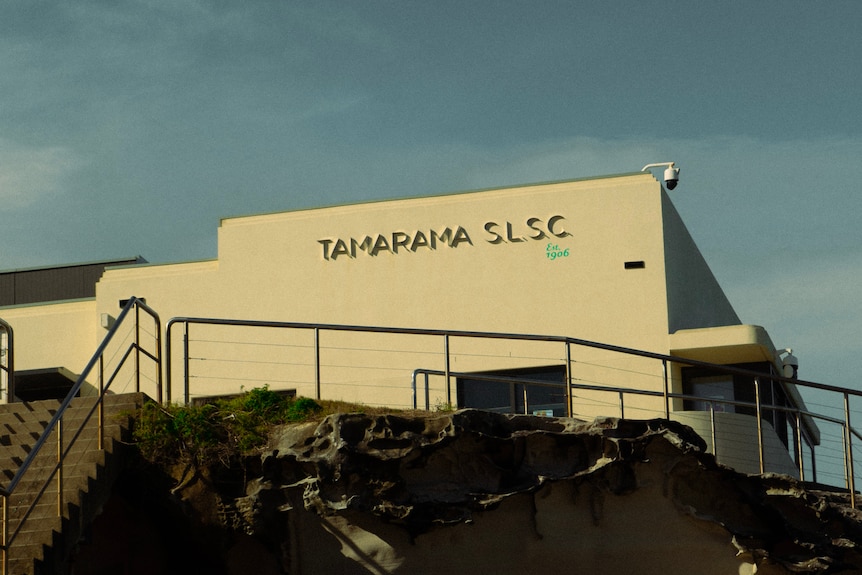 The Tamarama SLSC building. (ABC News: Briana Fiore )
He said finding a community at Tamarama has helped him regain his love of team sports.
Surf lifesaving is as much a service as it is a sport.
He recalled perhaps his scariest off-duty encounter when a couple of fully-clothes tourists left the rocks and went into the shallows.
“One female fell under a wave, came up once for air and then she was gone,” he said.
Tim, who had decided against going for a swim that day because of the rough conditions, kept looking back at the lifeguard on duty, but they hadn’t seen, so he did what he wasn’t supposed to do.
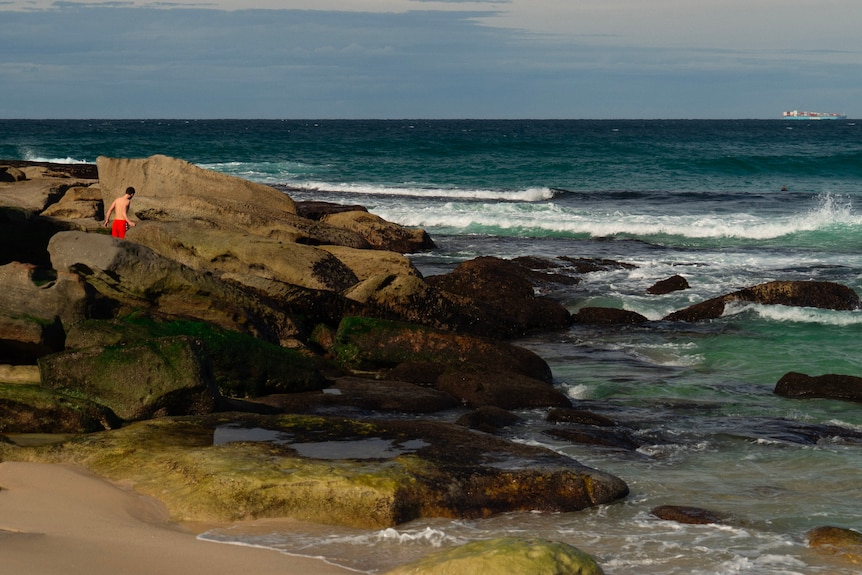 The waters where Tim carried out the rescue.(ABC News: Briana Fiore )
“I jumped up, stripped off, and ran into the water, while signalling for assistance and the lifeguard in the tower came out,” he said.
“That was a really scary moment, I was shaking.”
Lifesaver and supportive ally Madeleine Legoe serves with Tim.
She said there was something special about such an inclusive and queer-friendly club protecting one of the “most dangerous” patrolled beaches in Australia.
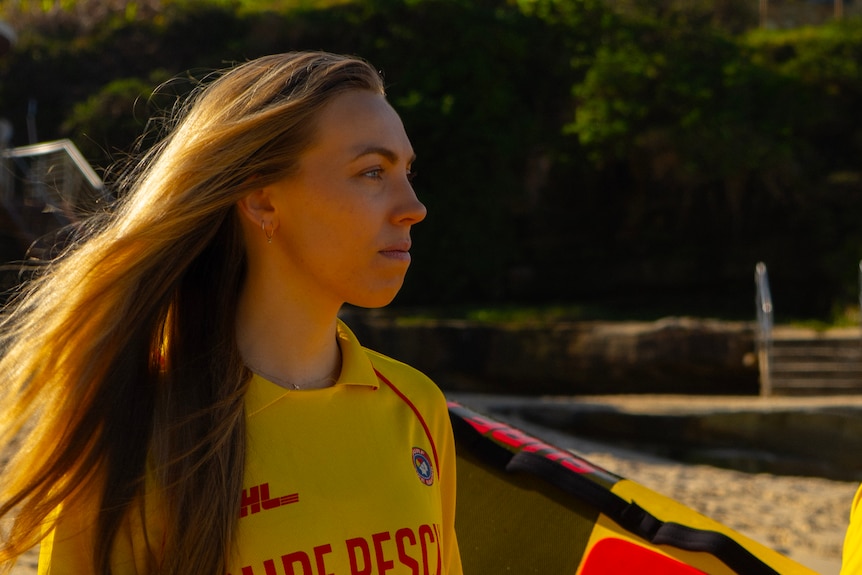 Madeleine Legoe is a supportive ally at the club. (ABC News: Briana Fiore)
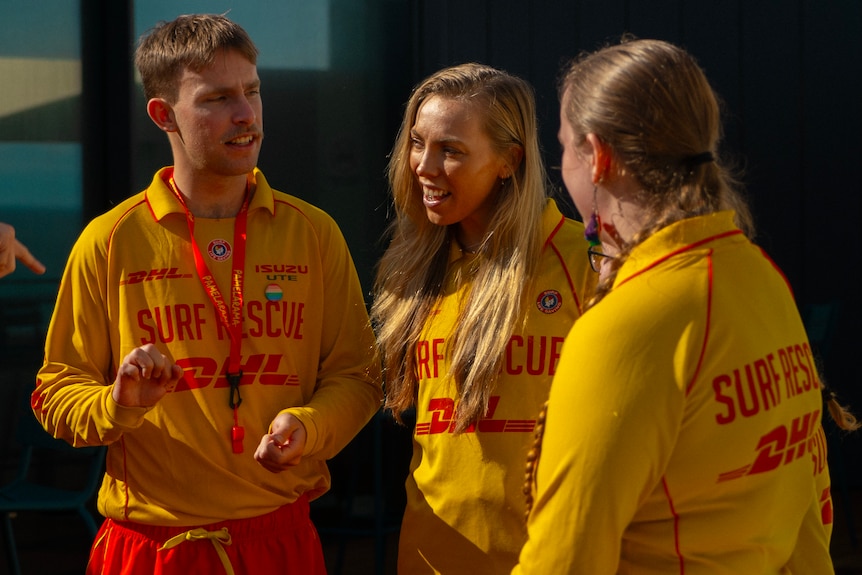 Reilly Winch found community at the club. (ABC News: Briana Fiore )
Reilly Winch, who identifies as gay, agrees and said finding a club where he could be himself was vital.
He had just finished playing soccer after more than a decade and was longing to be part of a community again.
“I think there’s definitely more ‘straight’ sports that you don’t feel as included in. I didn’t play sports that I thought I wouldn’t be included in,” he said.
He had a sibling who was part of the Tamarama club, and they encouraged him to join.
“I didn’t have a community aspect in my life anymore so I thought I’d give it a go and it’s been amazing, it’s created lifelong friends,” Reilly said.
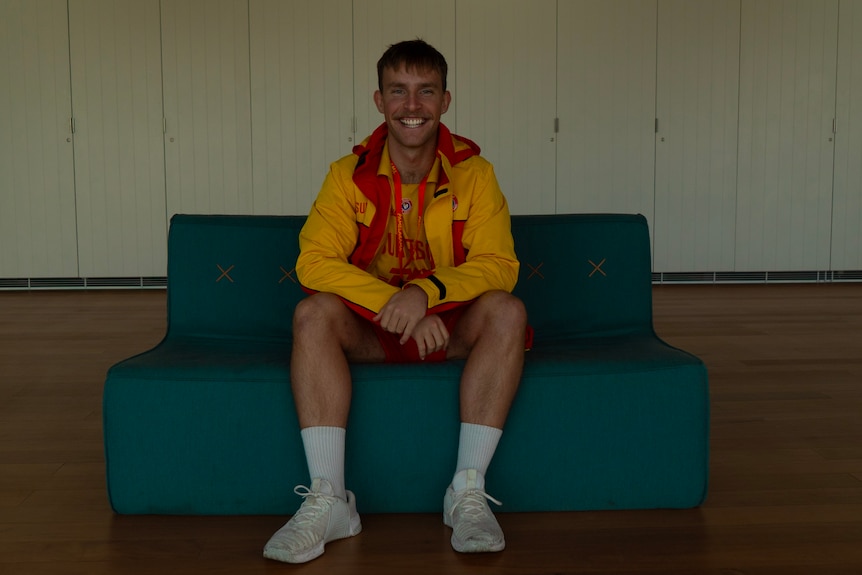 Reilly can be himself at the club. (ABC News: Briana Fiore )
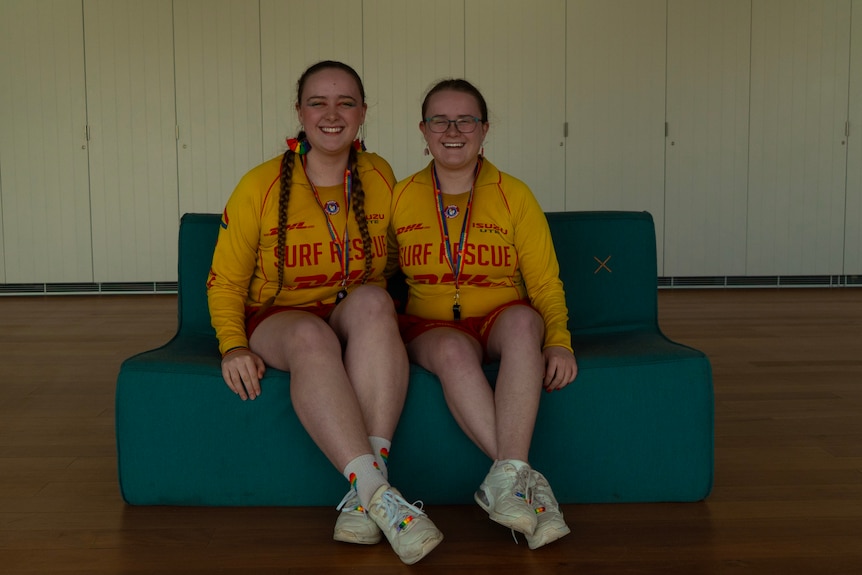 The twins wear their lifesaver pride merch.(ABC News: Briana Fiore )
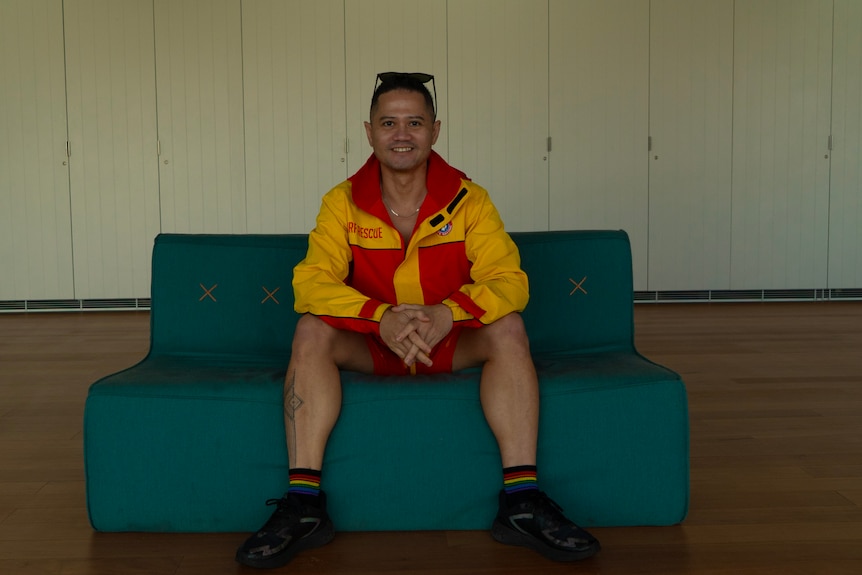 Ryan says regional representation in vital.(ABC News: Briana Fiore)
Ryan Buaron serves at North Wollongong Surf Life Saving Club and identifies as non-binary.
He met the Tamarama team at the Sydney Gay and Lesbian Mardi Gras and believed it was important to have queer representation outside of Sydney.
He encouraged people in the regions, including queer people from diverse backgrounds, to get involved to help make Australian beaches safer.
He said everyone was welcome.
That inclusive mentality draws twins Rosemary and Lia Cooper to the surf lifesaving community.
They serve at the Dee Why club on the Northern Beaches and also participated in Mardi Gras.
“It made me realise that this was a truly supportive space and that was so important with building confidence in myself,” Rosemary said.
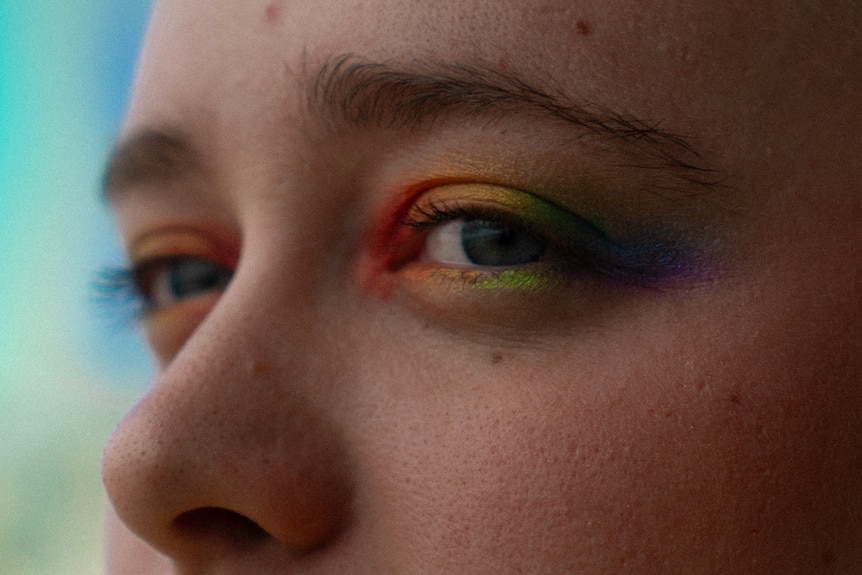 Lifesavers embrace pride.(ABC News: Briana Fiore)From the shores to streets
The Dykes on Bikes have reclaimed a slur that was designed to shrink them.
Sheen Reid is among them.
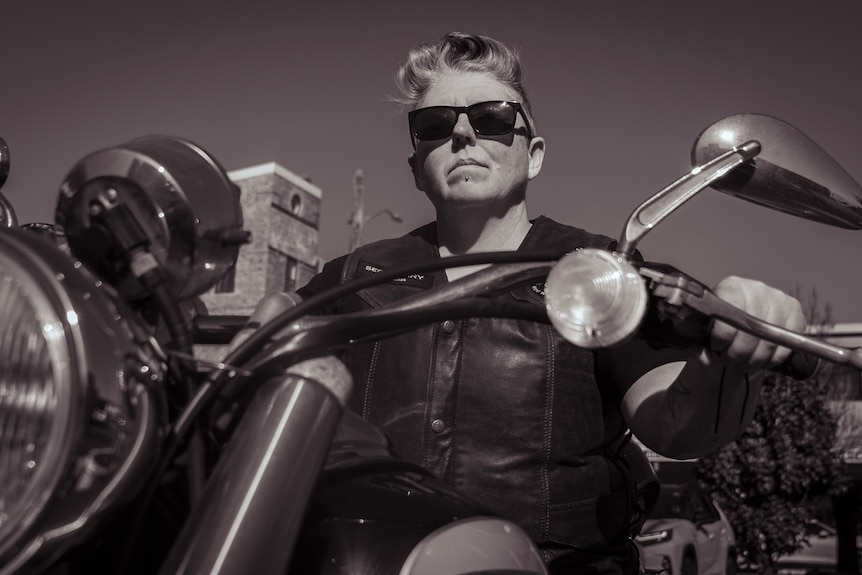 Sheen Reid reclaims the word dyke.(ABC News: Briana Fiore )
“I can’t really hide behind longer hair or heels because obviously I’m a short-haired comfortable shoes kind of human,” Sheen said.
“I got called dyke a lot growing up, I also got called f*ggot and p**fta because they couldn’t quite understand if I was a boy or a girl.”
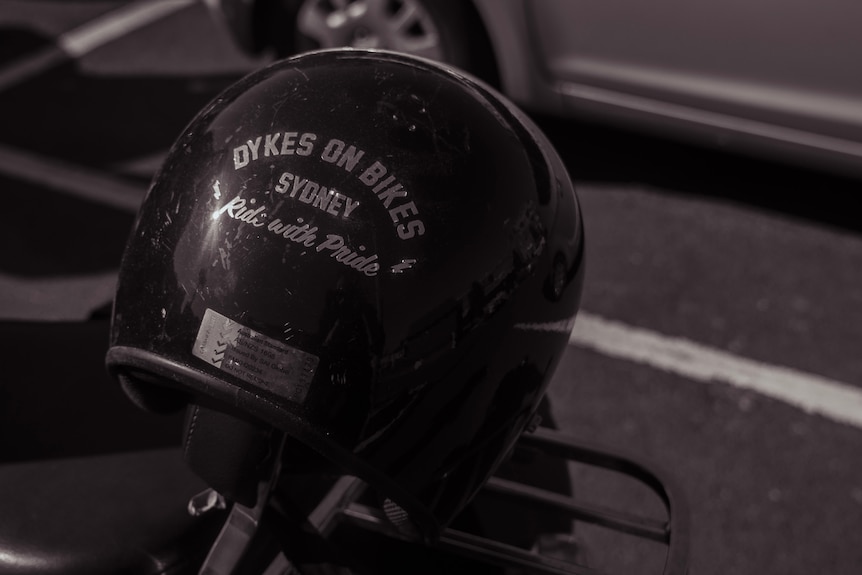 Dykes on Bikes helmet.(ABC News: Briana Fiore)
She said being part of a club that owned the word was really important.
“I’m proud to be a part of this big, safe unit of women that are there to protect me as well, because growing up looking like me wasn’t safe,” she said.
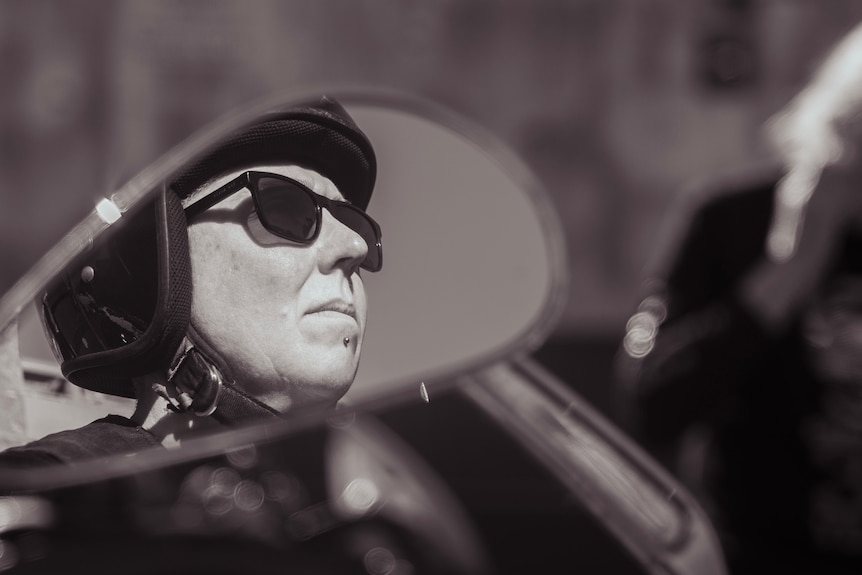 Sheen Reid’s reflection.(ABC News: Briana Fiore)
Sheen still remembers the first time she heard the word.
“I’m a houso [public housing] kid and there were loads of us delightful, feral kids running around and … there was a guy we called Uncle that used to look after us,” she said.
“I remember him telling me about this guy and woman who lived down the street that we had to stay away from because they were a p**fta and a dyke and they’re only good to be thrown off the cliffs.”
She used to shudder when she heard the term.
“Now that word doesn’t frighten me at all, it’s our word. It doesn’t scare the sh*t out of me anymore,” the 46-year-old said.If this story has raised concerns for you, help is available:
Urgent help:
Lifeline — 13 11 14Kids Helpline — 1800 551 800
LGBT and mental health support:
Switchboard — 1800 729 367Qlife — 1800 184 527Headspace — 1800 650 890Beyond Blue — 1300 22 4636
Emily Saunders said Dykes on Bikes historically patrolled the streets adjacent to where gay men were thrown off the cliffs, including at Tamarama.
Emily recalled instances where police would laugh or ignore calls regarding gay hate crimes.
She said the Dykes on Bikes members had stories of people who had approached them to thank them for helping to protect gay men and trans people.
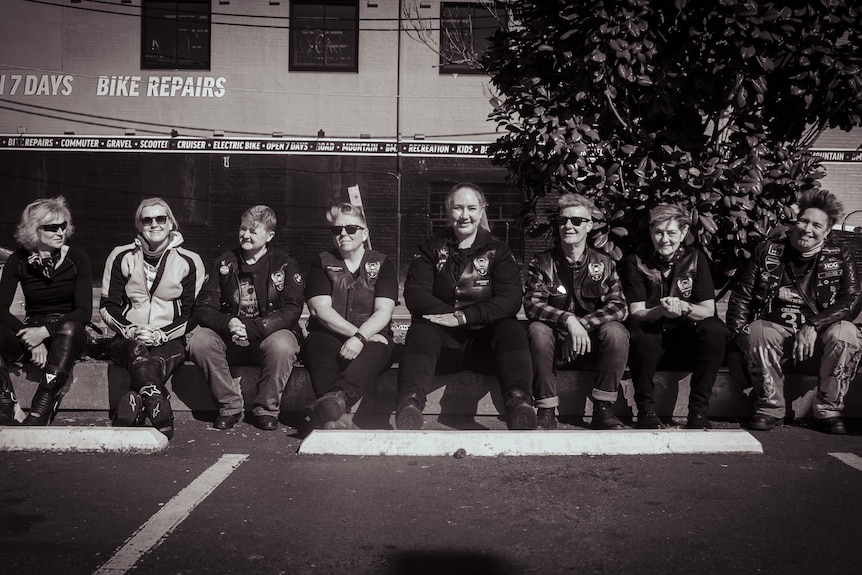 The Dykes on Bikes crew.(ABC News: Briana Fiore)
“A man told me he was at the Marks Park beat and he literally fought for his life, he was only able to get away because he could get out of his clothes,” Emily said.
“He ran terrified, naked, away from eight men who were trying to throw him off the cliff.
“He said he called for help and someone stuck their head out the window and said ‘we don’t help p**fters’.”
NSW established a special commission of inquiry to investigate the unsolved, suspected hate crime deaths of LGBTQIA+ people, or people who were presumed to be LGBTQIA+, between 1970 and 2010 in the state.
Its report handed down in December 2023 found there was “objectively reason to suspect that LGBTQIA+ bias was a factor” in 21 deaths and that “LGBTQIA+ bias was a factor” in four deaths.
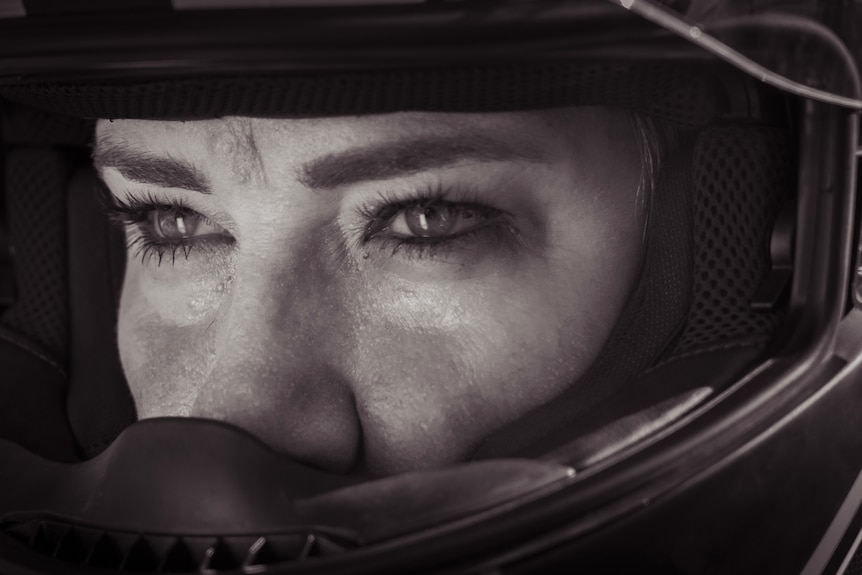 Kendall Walton feels emotional discussing the club’s history. (ABC News: Briana Fiore )
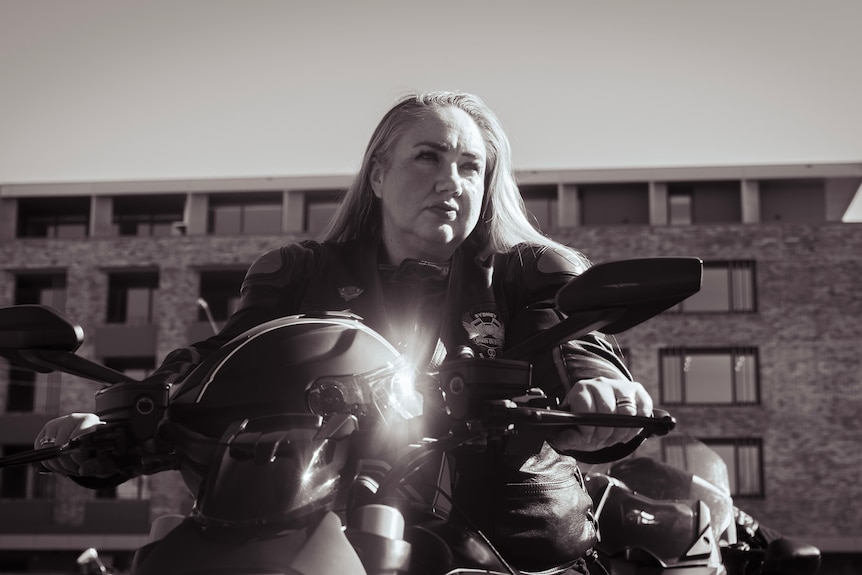 Kendall Walton is the president of Dykes on Bikes. (ABC News: Briana Fiore )
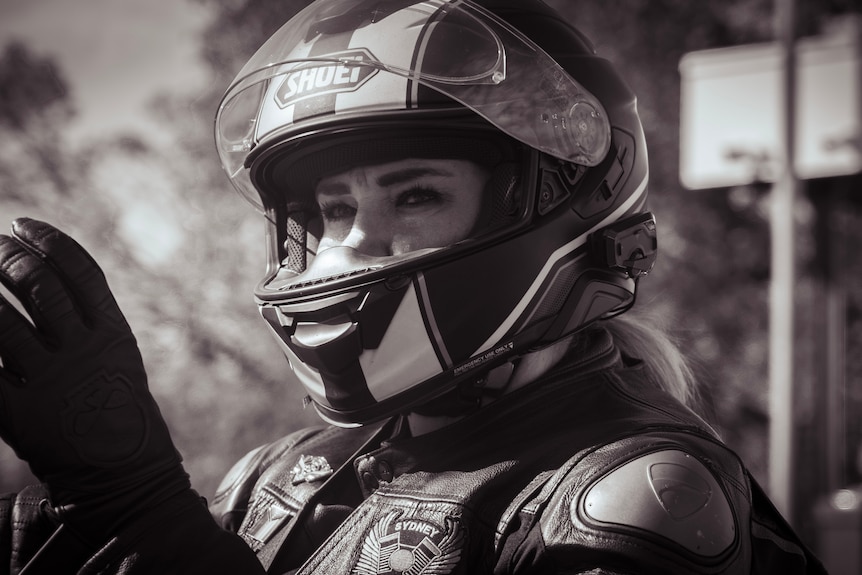 Kendall Walton puts on her gloves. (ABC News: Briana Fiore )”Gay men have wept in our arms and said ‘you saved my life’ and I said ‘thank you, I didn’t personally but I will pass that on’.”
She said it was one of the reasons Dykes on Bikes now get to lead the Mardi Gras parade.
“We make sure it’s a safe space for everyone but also the logistical side is that our motorbikes would overheat if we were any further back in the parade,” Kendall joked.
On this particular day the Dykes on Bikes crew is gathered in a parking lot ahead of their weekend ride.
The smell of exhaust fumes merge with worn leather and coffee beans.
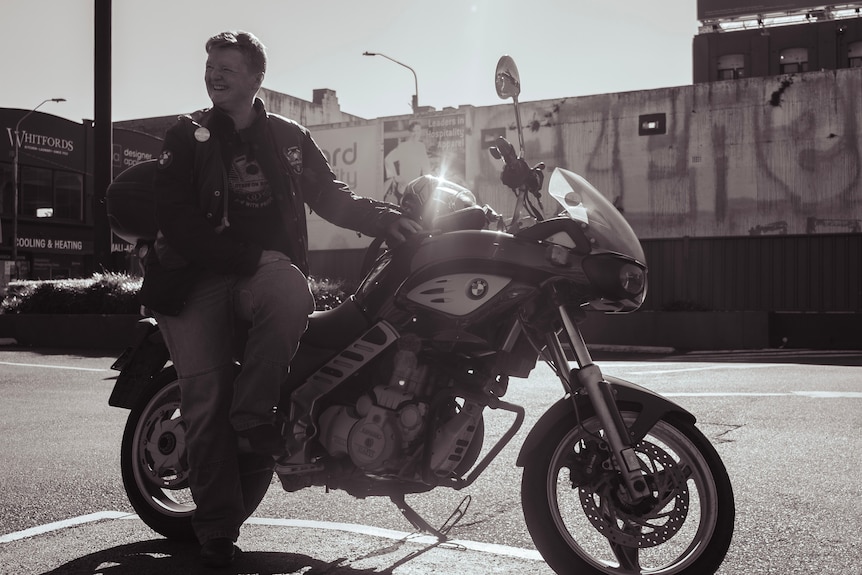 Emily Saunders prepares for her weekend ride. (ABC News: Briana Fiore )
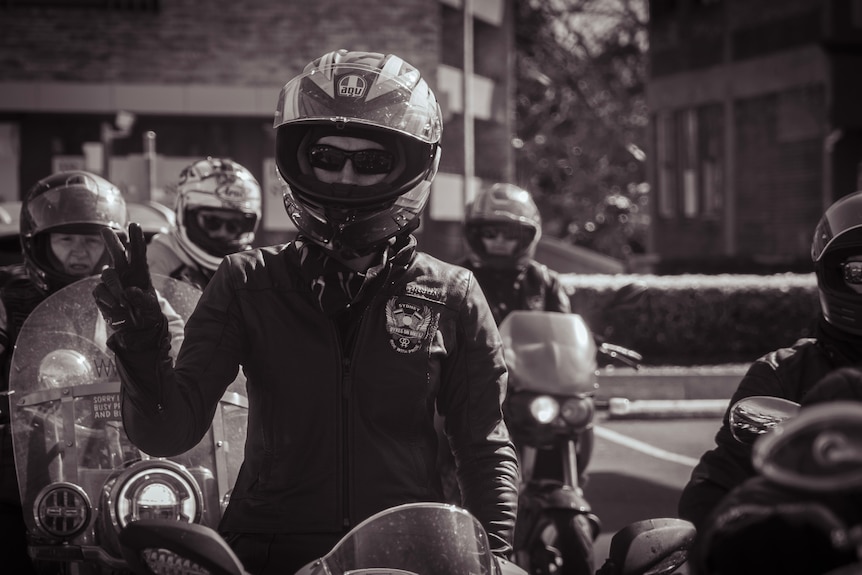 The Dykes on Bikes preparing to get into highway formation. (ABC News: Briana Fiore )
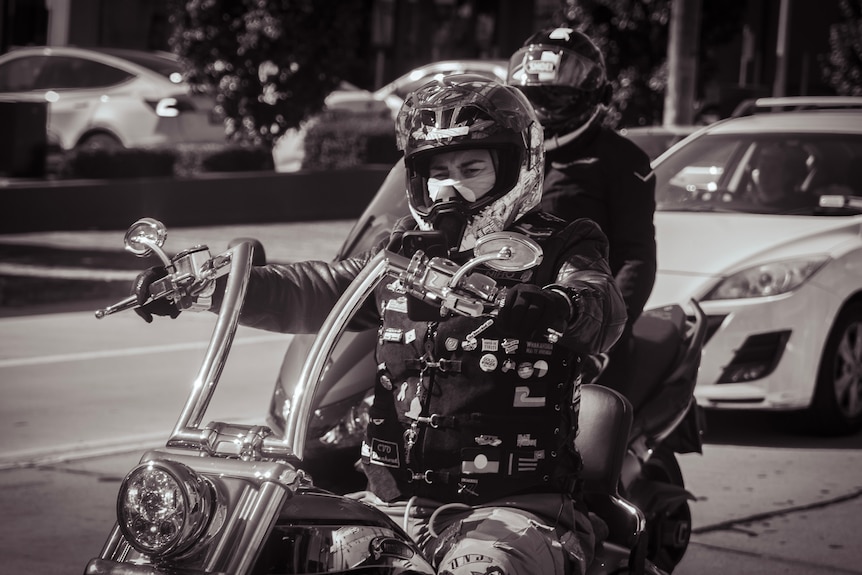 Dykes on Bikes on the road.(ABC News: Briana Fiore)
Kendall said queer people “had always been here and would always be here”.
“It’s not illegal anymore and younger generations get to be who they are from an earlier age,” she said.
“Embrace who you are, be free, find your chosen family if that’s not your own family and look to community for support.”
Community was what helped Emily accept her identity after experiencing insomnia and weight loss.
She became part of a rowing club but was met with homophobia.
“I was a small, lean build and there was someone else with a similar build. You only need one of those in a crew boat, so we were competing for the same position,” she said.
Emily said the woman approached her one day and said “I know what you are and I’m going to tell everybody”.
The leaders at the club asked Emily what was going on and she told them.
“They said ‘the fact that person thinks they can use that against you is the reason we wouldn’t have her in a crew and by the way, my brother is the head of the gay men’s group at Sydney uni, [we’ll introduce you]’,” she said.
“From there I knew I wasn’t on my own.”
‘Locker room sports’
Mits Delisle says his most cherished childhood memories are on the ice.
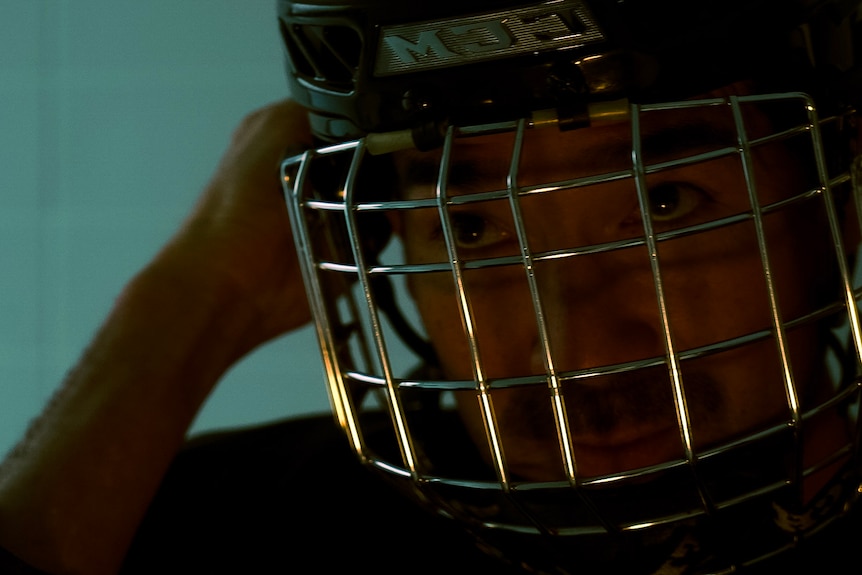 Mits Delisle says ice hockey is nostalgic for him. (ABC News: Briana Fiore)
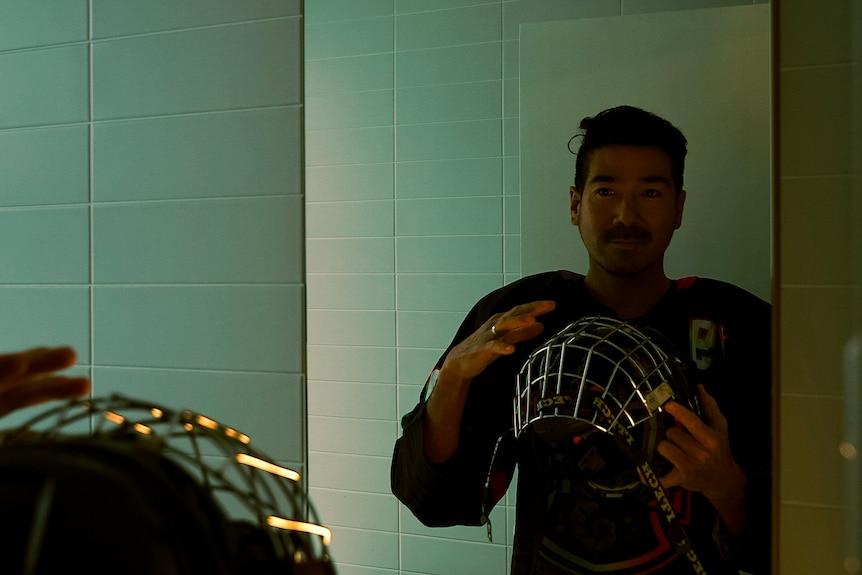 Mits Delisle reflects on playing ice hockey through childhood.(ABC News: Briana Fiore)
He moved to Australia from Canada about a decade ago with his husband and small children, and had played ice hockey from an early age.
“You crawl, walk, then begin to skate. It’s something most children in Canada do,” Mits said.
But as he progressed into single-sex divisions he experienced homophobia and sexism in what he described as an “aggressive sport”.
“It’s a locker room sport where you’re wearing literal knives on boots,” he said.
 Mits says he experienced homophobia within ice hockey.(ABC News: Briana Fiore )
At times he felt like he did not fit in.
 Mits lost his love for ice hockey.(ABC News: Briana Fiore )
“You lose love for the sport,” he said.
 Mits stopped playing ice hockey in his teenage years.(ABC News: Briana Fiore )
Mits stopped playing when he was a teenager and did not reconnect with ice hockey until he moved to Australia.
“I heard there was an LGBTQIA+ team and I thought that sounded really inclusive,” he said.
Mits said the team was finally accepted into a league and ended up winning the competition.
“Playing with a queer team is quite emotional, [it] brought up a lot of nostalgia,” he said.
“And then we were kicked out [of the league]. It was disappointing.”
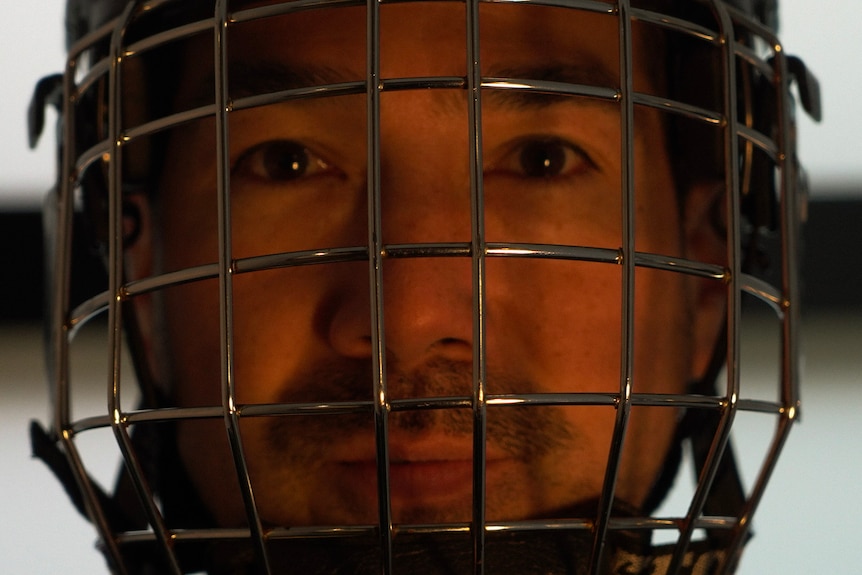 Mits says being in a team can help queer people feel like they belong.(ABC News: Briana Fiore)
Despite the setback Mits still tries to play ice hockey where possible and is hopeful the team will be able to play together again in the future.
He said being part of a community helped people be themselves and that “sport was for everyone”.
CreditsReporting, photography and production: Briana Fiore