
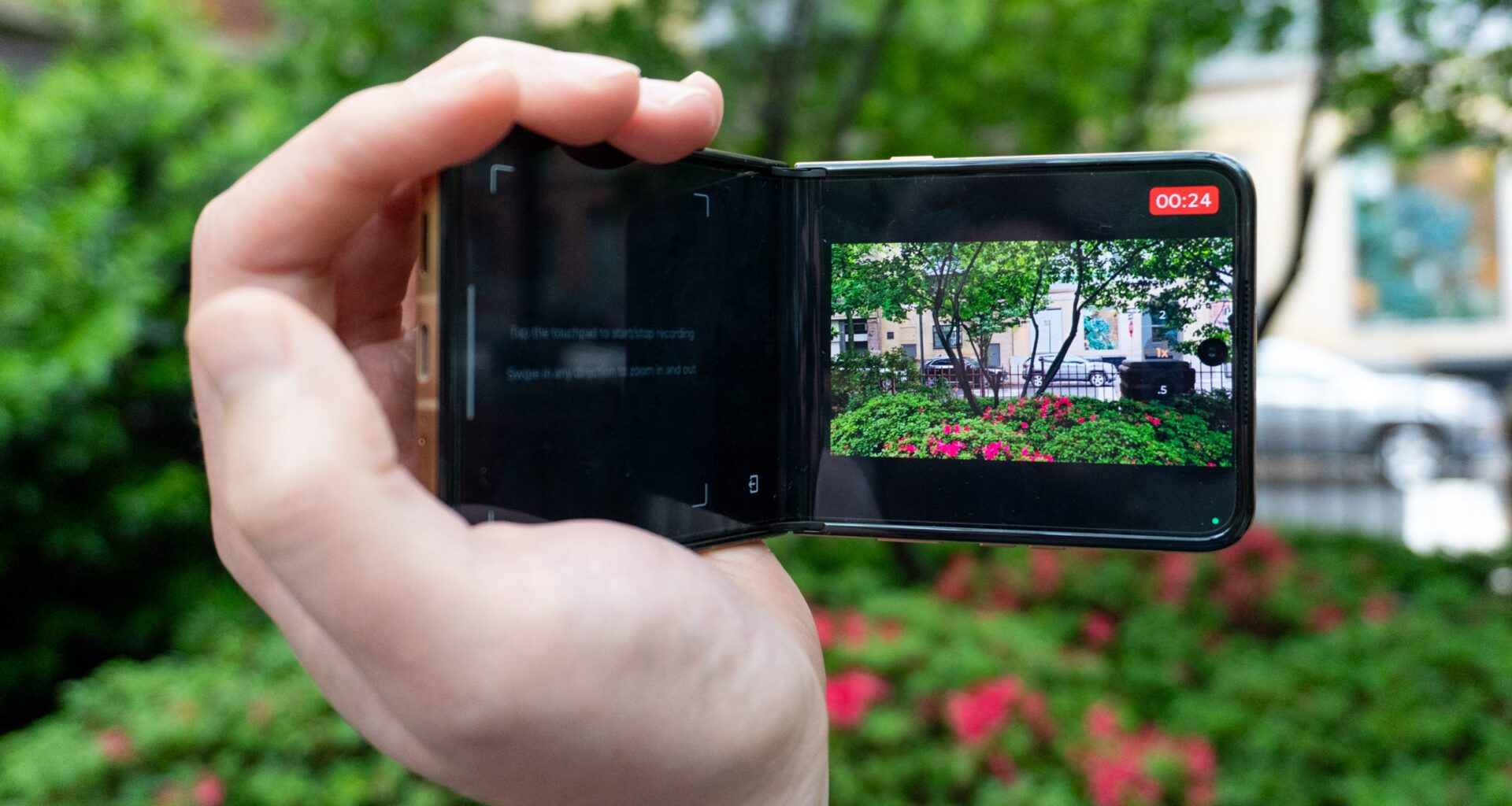
Camera performance and battery life expected to define next phase of smartphone competition
OPPO is regaining market share in Australia as rival Chinese-owned brand Motorola prepares a renewed push into the premium smartphone segment, setting up a competitive battle that is expected to centre on camera technology and battery life.
Globally, OPPO remains one of the strongest Android manufacturers, consistently ranking within the top five smartphone brands worldwide. In 2025, the company accounted for approximately 8.5 per cent of global shipments, placing it among the leading Android makers.
Motorola, owned by Lenovo, is in a weaker position internationally. According to Counterpoint Research, the brand sits in ninth place globally with roughly 3 per cent market share, trailing several Chinese competitors including OPPO, Huawei, Honor and Vivo.
Premium Market Showdown in Australia
In the second half of 2026, Motorola is expected to compete more aggressively in Australia’s premium smartphone market, targeting Samsung’s dominance. Both OPPO and Motorola are positioning camera performance and battery life as key differentiators in what is shaping up to be a high-end Android showdown.
OPPO’s presence is particularly strong across China and broader Asian markets, where Motorola has struggled to gain traction. Despite Lenovo’s Chinese ownership, Motorola has faced stiff competition in China from domestic brands, including OPPO and Vivo — the latter part of BBK Electronics, the same parent company behind OPPO.
In Australia, OPPO’s flagship Find X9 Pro, available through major retailers including JB Hi-Fi, has been widely regarded by reviewers as competitive with Samsung’s premium Galaxy devices. The Find X-series is frequently praised for its advanced triple-camera systems, large sensors and high-resolution telephoto lenses, including a 200MP zoom offering on select models.
Industry reviewers often highlight OPPO’s colour accuracy, image detail and zoom capabilities, with some rating its flagship camera systems among the best available on Android smartphones. Even mid-range devices such as the Reno 15 have received favourable reviews for daylight photography and portrait performance.
A key contributor to OPPO’s camera reputation is its partnership with a leading global camera manufacturer, which has helped boost its credibility among photography enthusiasts.
Motorola’s Premium Challenge
Motorola, by contrast, has a limited presence at the premium end of the market. Its foldable Razr lineup remains its primary high-end offering, but reviewers generally rank its camera performance slightly behind leading “slab” flagships such as Samsung’s Galaxy S series, Google’s Pixel devices and Apple’s iPhone.
The Motorola Razr 50 Ultra launched on July 17, 2024, followed by the Razr 50 on October 21, 2024, which was initially exclusive to Optus in Australia. While both models introduced hardware upgrades, they generated debate over a controversial lens decision.
Motorola replaced the ultrawide lens with a 50MP 2x telephoto lens in some models — a move that divided reviewers and consumers. While the telephoto offered improved zoom capability, some users expressed disappointment over the loss of the ultrawide lens, which many consider more practical for group shots and landscapes. In some cases, consumers reported preferring the cheaper model due to its lens configuration.
Beyond hardware, Motorola has faced criticism over its Android software update policy. As major competitors such as Samsung and Google extend device support to five years or more, Motorola continues to offer shorter update windows, making it a less attractive option for consumers planning to keep their phones for three or more years — a growing trend amid inflationary pressures in Australia.
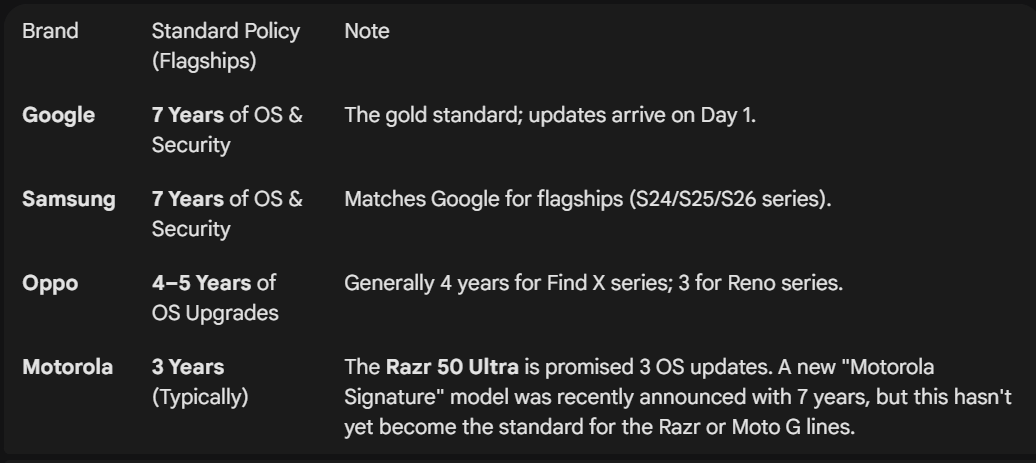
Camera Performance: Brand Comparisons according to ChatGPT.
Camera performance remains a central battleground among premium smartphone brands.
Samsung’s Galaxy S24 and anticipated S25 Ultra models continue to lead in versatility, zoom range and advanced processing features. Google’s Pixel devices are widely regarded as leaders in computational photography, particularly for everyday point-and-shoot scenarios.
Apple maintains a strong reputation for video performance and consistent image output across varied lighting conditions.
OPPO’s flagship Find X-series has positioned itself closer to the top tier, combining large sensors with advanced telephoto hardware that, on paper, competes directly with Samsung’s offerings. While Samsung is often praised for overall consistency and feature depth, OPPO has gained recognition for hardware innovation and high-resolution zoom capabilities.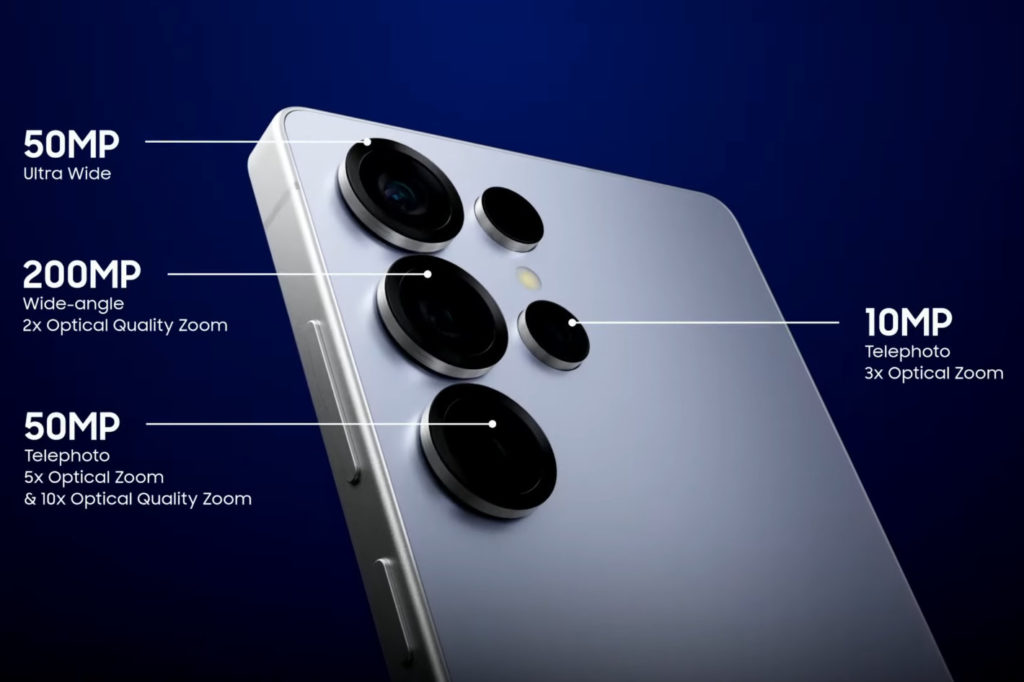
Motorola’s flagship cameras are generally considered capable and well-balanced, delivering reliable colour and dynamic range. However, analysts note that Motorola still lags behind Samsung, Google and Apple in computational photography features and optical zoom range, particularly in mid-range models.
The Road Ahead
With Australia’s smartphone market increasingly mature and consumers holding devices for longer periods, differentiation at the premium end has become critical. As OPPO strengthens its local position and Motorola prepares a more assertive strategy, camera performance, battery life and long-term software support are expected to determine which brands gain ground against Samsung in 2026 and beyond.