
Thousands of customers throw a box of Arnott’s Shapes into their shopping trollies each week — one of a dozen purchases that could help decide a bombshell case playing out in the federal court from today.
The ACCC has accused Coles of ripping off customers with fake discounts. And if the supermarket giant loses, it could face a huge fine and massive reputational damage.
Customers could also receive cash back from a class action lawsuit that might follow, and corporations could be forced to change how they price their products — especially discounts.
The tactics Coles and Woolworths use to keep prices high, and competitors out
But if Coles successfully defends itself, the blowback for the ACCC will be significant, with implications for an upcoming, almost identical, lawsuit against Woolworths.
“The stakes are enormous,” former consumer watchdog boss Allan Fels said.
“The ACCC will certainly be feeling nervous, as would Coles.
“It’s the case of the century because it affects not only Coles and Woolies, but millions of businesses who discount [and their customers].”
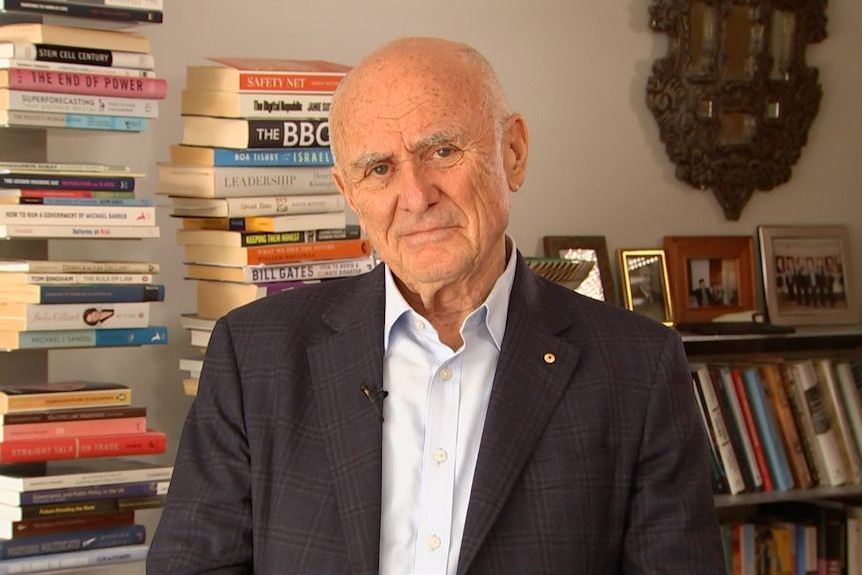
Former ACCC chair Allan Fels says the case will have major ramifications for supermarket pricing and for customers.
Coles accused of ‘illusory’ Down Down discounts
The court will look at the prices Coles charged for 245 common household products, ranging from paper towels to dog food and yoghurt, under its prominent “Down Down” promotions.
The ACCC alleges Coles misled shoppers in stores and online because the products were sold at one regular price for at least six months before being jacked up for a short period and then slashed as part of a “Down Down” promotion.
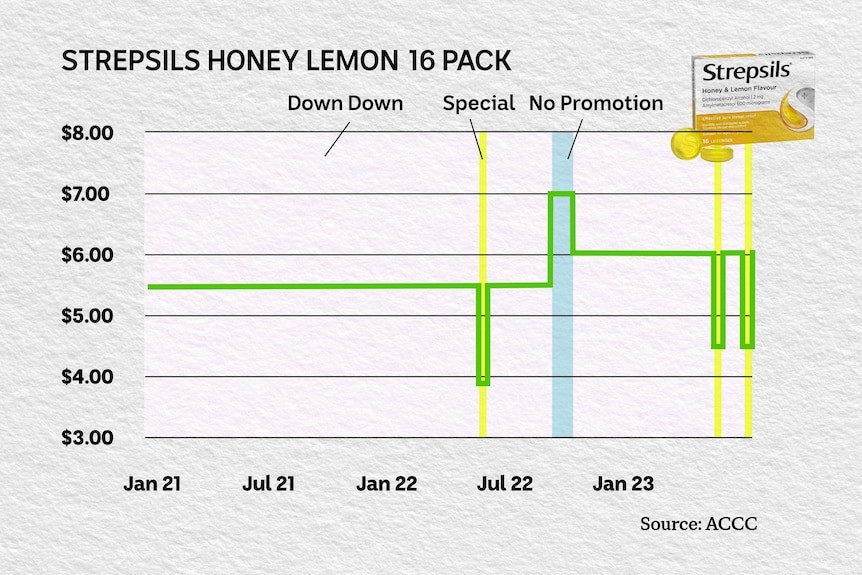
From January 1, 2021, until October 11, 2022, Coles offered Strepsils for sale at $5.50. On October 12, 2022, the price increased to $7 for 28 days. On November 9, 2022 the product was placed on a “Down Down” promotion at $6. (Supplied: ACCC)
ACCC chair Gina Cass-Gottlieb said the discounts — which ran between February 2022 and May 2023 — were fake or “illusory”.
Shoppers thought they were getting a bargain, but they were paying either the same amount as or more than the product’s regular price, the ACCC claims.
Twelve representative products have been chosen to save the court time and avoid examining hundreds of items.
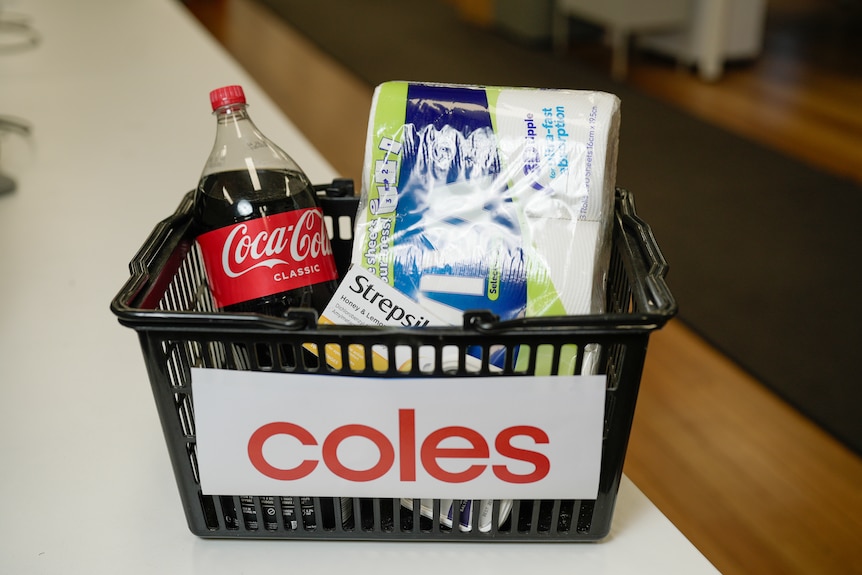
Twelve representative products have been chosen to save the court time and avoid examining hundreds of items. (ABC News: Billy Cooper)
For example, the regular price for a box of Strepsils was $5.50. This price remained on the product for more than 640 days before being increased to $7 for 28 days, then reduced during a “Down Down” promotion.
The sales ticket customers saw for Strepsils showed a “Down Down” price of $6.00 and a “was” price of $7; however, that was 9 per cent higher than the regular price of $5.50.
Do you have a story about a company misleading consumers? Email specialist.team@abc.net.au
Professor Fels said the period of time Coles increased prices before discounting them would be crucial.
“If those price drops had been preceded by big price rises, then the court may well conclude it was misleading and deceptive,” he said.
The ACCC said the case was partly prompted by social media users alerting it to the pricing practices.
One of those social accounts belonged to Paniora Nukunuku, who posts tongue-in-cheek videos on TikTok questioning supermarket prices.
One post showed Mr Nukunuku comparing the cost of tinned corned beef at Coles to Aldi.
“Corned beef is not a luxury food,” he says.
“No-one should be having to feel like they have to choose between the basics.”
Coles told the ABC Mr Nukunuku was “not comparing like-for-like items” and was “comparing a house brand product with a proprietary product”.
Meanwhile, consumer group Choice said members had expressed growing concern about the way supermarkets advertised discounts.
“We’ve all experienced feeling bombarded by just the sheer number of colourful tags,” director of campaigns, Andy Kelly, said.

Andy Kelly says Choice members are concerned about the way discounts are advertised. (ABC News; Billy Cooper)
“There’s some important contextual information being left off.”
In 2023, Choice called out Coles for increasing the price on a product it had promised to have “locked” for a fixed period.
In response, Coles refunded customers for price increases on 20 items.
How Coles plans to strike back
Coles is fighting back, rejecting the central allegation that the “Down Down” discounts were “illusory”.
It claims the price rises were justified due to inflation hammering suppliers and a surge in global commodity prices, as well as in packaging, freight, utilities, and international shipping.
Australia experienced a 30-year high in inflation when the alleged misconduct occurred, peaking at 8.4 per cent in December 2022.
In 243 of 255 instances, Coles says suppliers requested a higher shelf price or changes to promotional funding.
Coles also defended raising prices for up to six weeks before cutting them to the “Down Down” price.
It was “a genuine discount from that shelf price”, the company said.
The supermarket chain said the original price was no longer relevant to the discount because it had been “superseded” due to increasing costs.
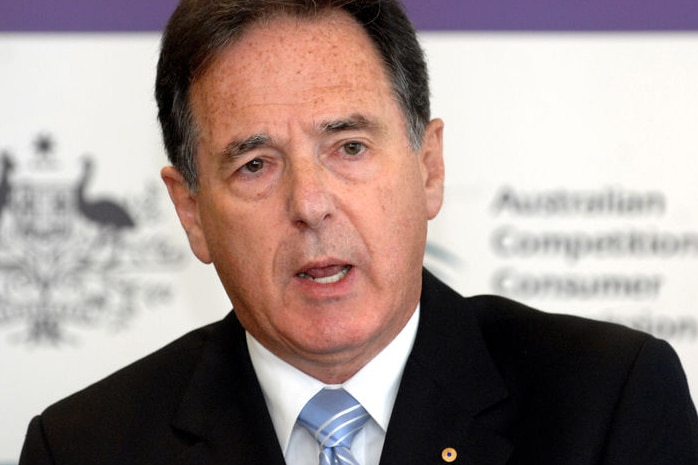
Former ACCC chair Graeme Samuel said the court would likely focus on when and why the prices were changed. (Julian Smith, file photo: AAP Image)
Another former ACCC boss, Graeme Samuel, said the court may probe what Coles intended when it briefly raised prices before discounting them, and whether that was justified by suppliers requesting increases and later seeking the price dropped to entice customers back to their product.
The court has granted Coles the right to keep certain information confidential, including an expert report and key witness affidavits.
ACCC takes legal action against Woolworths and Coles
Coles said the material was mainly related to “commercially sensitive information” that it did not want competitors to see.
Senior executives and board members will not be giving evidence.
What’s at stake?
If it loses, Coles faces a substantial fine.
By comparison, Volkswagen copped a $125 million fine for misleading consumers over diesel emissions while Qantas coughed up $100 million for selling tickets to flights it already cancelled.
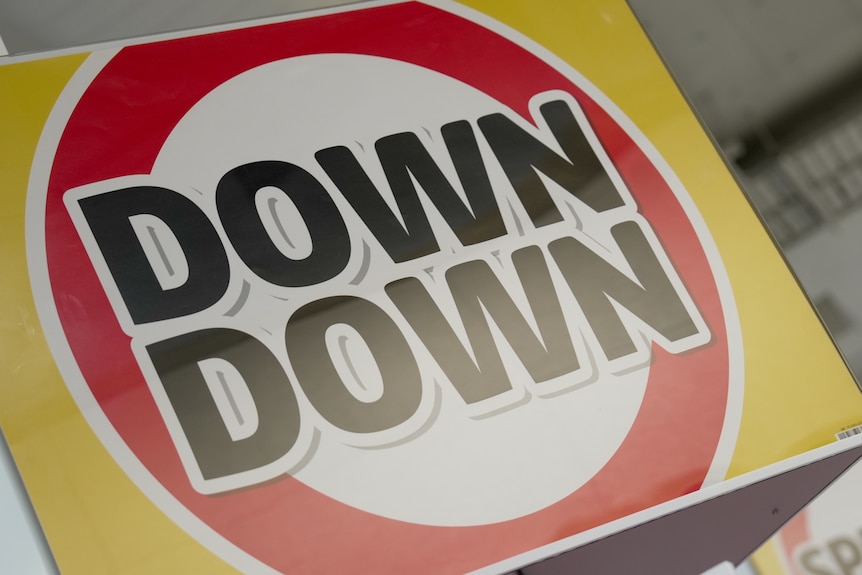
The ACCC alleges Coles misled shoppers as part of “Down Down” promotions. (ABC News: Billy Cooper)
Professor Fels said he would not be surprised if Coles was forced to pay even more if the allegations were proven.
“If Coles loses, the penalties will be in the hundreds of millions of dollars,” he predicted.
Mr Samuel agreed that any loss would result in a substantial penalty.
“Frankly, they deserve to have the book thrown at them.”
Mr Nukunuku said he would be watching closely.
“A lot of people would feel validated on the cost-of-living experience,” he said.

Coles said the “Down Down” prices were a genuine discount. (ABC News: Billy Cooper)
The outcome of the case will also have immediate implications for what is known as “Was, Now” retail pricing.
“Such a shake-up would bring a benefit to consumers because they’ll be better informed about what they are buying and will lead to sharper competition,” Professor Fels said.
However, if the ACCC loses, there will be “serious consequences” for the watchdog, including difficult questions about whether it was overly influenced by the political firestorm around price gouging.
The court has granted Coles the ability to keep key information secret, including an expert report and key witness affidavits. (ABC News: Patrick Stone)
“There will be suggestions, accusations that they instituted these proceedings because of the political pressure that was around at the time to blame Coles and Woolworths,” Mr Samuel said.
What about supermarket ‘price gouging’?
No matter what the court decides, it will not offer a verdict on so-called price gouging.
Coles reported a net profit of $1.08 billion last financial year and is the second biggest supermarket chain with more than 840 stores.
Together with Woolworths, it has almost two-thirds of the market cornered.
An ACCC inquiry dodged the question about whether the supermarkets charged excessive prices or had unreasonable margins, only saying the big two players had little incentive to compete on price.
Insiders explain why you’re paying more at the supermarket
Coles rejected this, saying “competition is very much alive in the grocery sector”.
But in a major change, the federal government has banned “excessive pricing of groceries” from July 1.
The ban prohibits large retailers from charging prices that exceed the cost of supply plus a reasonable margin.
The consumer watchdog has flagged that the ban would likely result in it taking further court action against the supermarkets.
The ACCC’s biggest consumer law finesVocational college Phoenix Institute — fined $400 million for tricking students into thinking courses were free and offering so-called “free” laptops when this was not the case.Vocational college AIPE — fined $153 million for misleading vulnerable students into thinking courses were free and offering so-called “free” laptops.Car maker Volkswagen — fined $125 million for making false claims about diesel emissions.Airline Qantas — fined $100 million for selling tickets for flights it had decided to cancel.Telco Optus — fined $100 million for selling First Nations and other vulnerable customers products they often did not want, could not afford or could not use where they lived.
Source: ACCC