
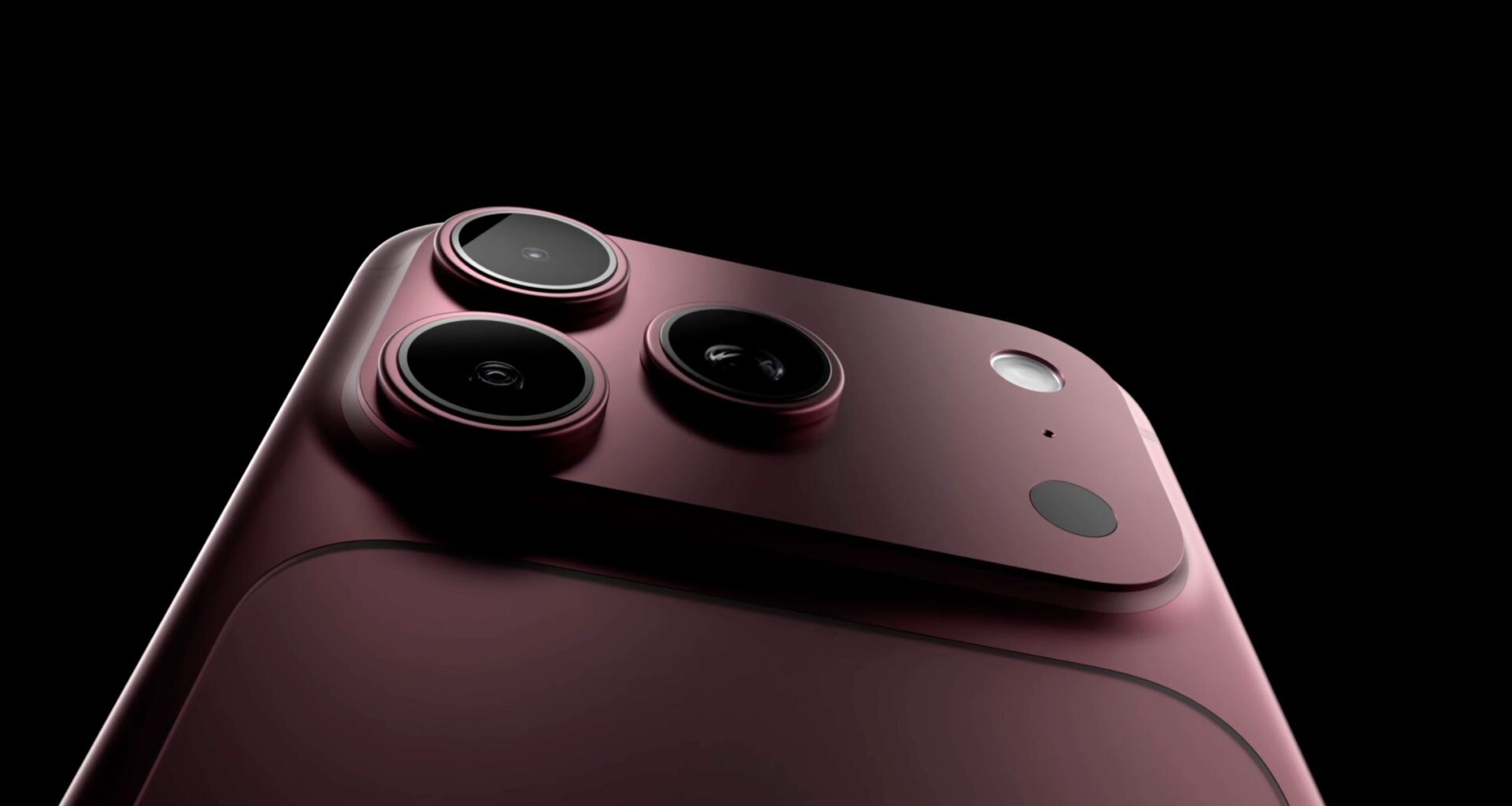
Phone upgrades are a tricky thing at times, especially when they can bring as many issues as benefits. That’s the problem that I am currently facing while looking at one particular rumored improvement for the iPhone 18 Pro.
It was recently reported that the iPhone 18 Pro series could be the first device in Apple’s lineup to feature a variable aperture. If included, then it would allow users much more control over how much light enters the sensor on the camera. In comparison, most phones have a fixed aperture instead, including every iPhone so far.
You may like
What are the main issues to be aware of
(Image credit: Tom’s Guide)
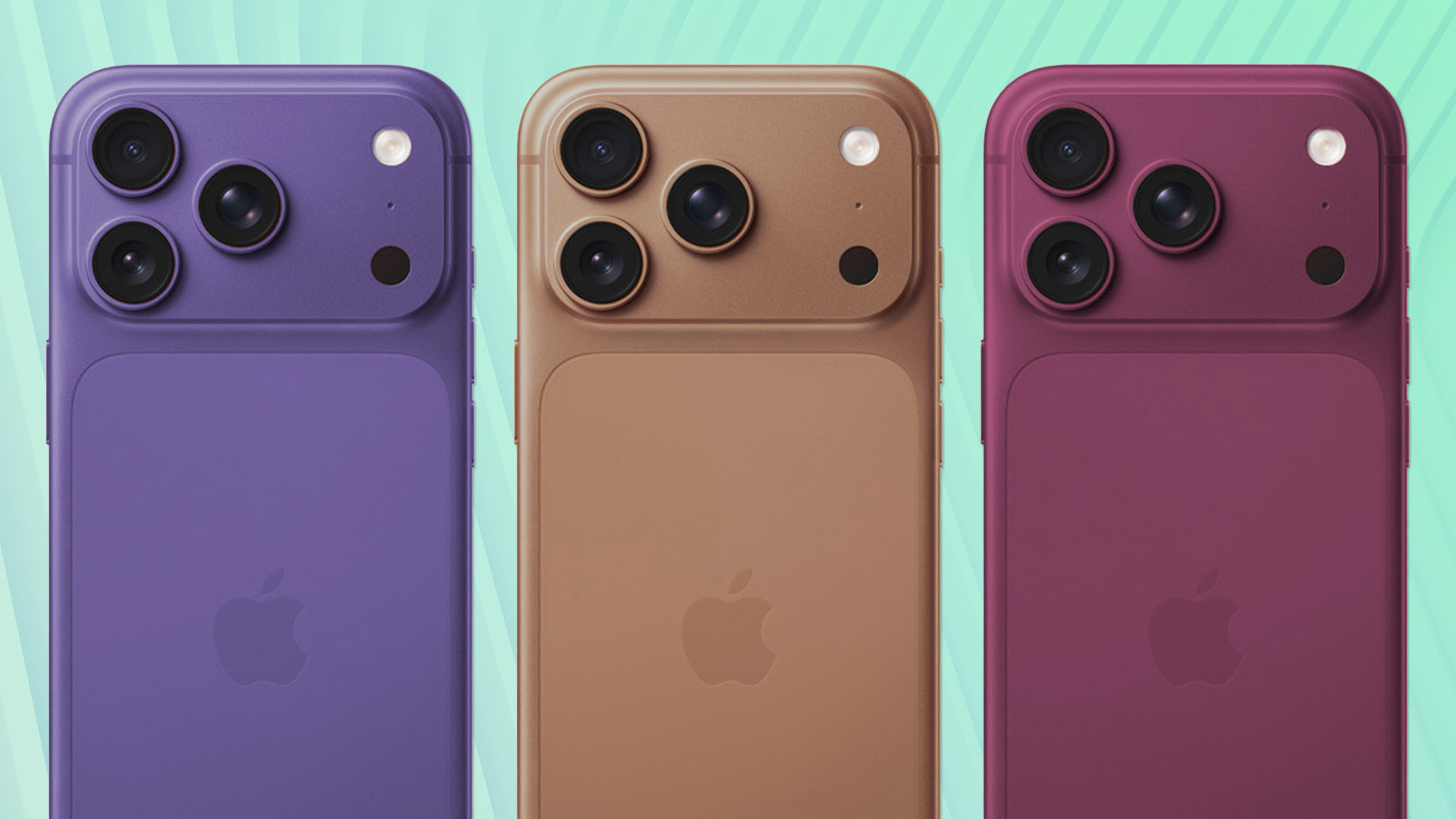
There are three key issues that I can see when it comes to implementing a variable aperture into a phone’s camera. The first problem is that variable apertures lead to an increased mechanical complexity, due to the moving parts that make up the device, including aperture blades and the ring/cam mechanism that makes it all work.
However, as any engineer will tell you, the more moving parts you introduce, the more chances there are for things to go wrong. The main benefit of modern smartphone design is that there aren’t a lot of parts that can break or suffer from wear and tear, which mitigates how often you need to have parts replaced.
Considering people are holding onto their phones longer, it seems counterintuitive to introduce a design that simply won’t last as long.
Having all of these moving parts creates another issue, namely that the actual component needs to be bigger. This leads to an issue where Apple needs to find a way to make the extra room. This could mean making the camera block bigger, but doing so would ruin the outline of the phone. Alternatively, it could change other components to make room, but if we learned anything from the iPhone Air, people do not like making sacrifices in terms of hardware.
All of this comes together to my final concern, namely that all of these problems will need to be solved for a feature that a lot of people simply won’t use. IN my experience, the majority of people don’t tinker around the camera settings when taking pictures, instead preferring simplicity and speed. That isn’t true for everyone, of course, but it’s still something Apple has to consider.
Apple has the chance to solve some of these issues
(Image credit: Aptenod / YouTube)
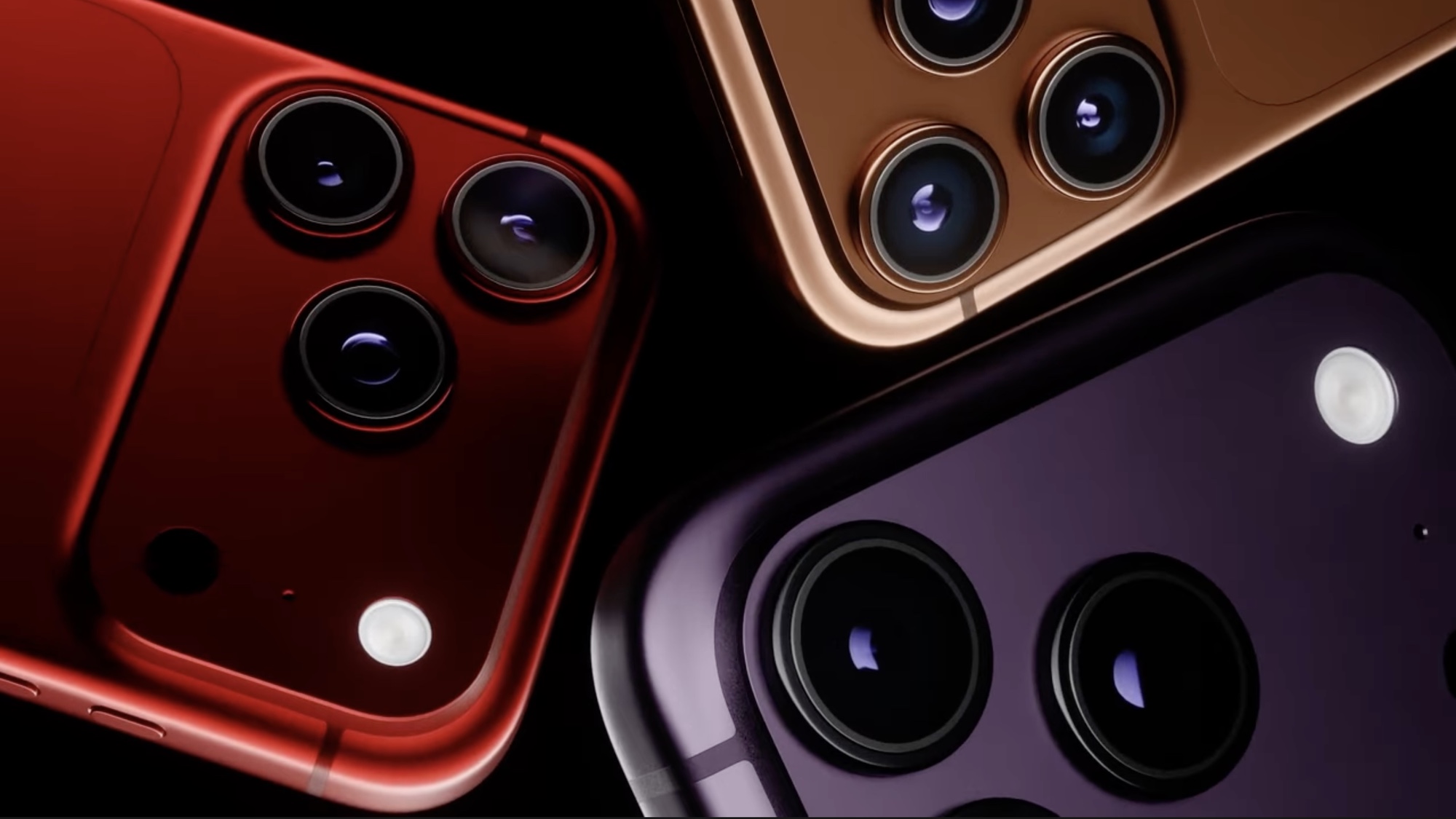
For all that I have been down on the idea, I am also aware that the introduction of variable apetures do have some major benefits. For one thing, it makes it much easier to get the best overall photo quality regardless of the lighting. With that in mind, there are a couple of potential solutions to some of these issues.
The most obvious solution is for Apple to blend the physical mechanism with its Advanced Signal Processing and Apple Intelligence. This offers a couple of benefits to the user experience. Firstly, if the phone uses AI to adjust the aperture directly to match the light in the area, then it would reduce user interaction, which is important for anyone who doesn’t want to fiddle with settings. On top of that, it would also limit the amount that the components are moved, which in turn reduces the amount of wear and tear
For the time being, we don’t know for certain what Apple is planning for the next generation of iPhones’ cameras, but we should know more when we see the iPhone 18 Pro, which is expected around September 2026. However, let us know what you think and if you would like to see variable apertures appear on your next generation of iPhones.

Follow Tom’s Guide on Google News and add us as a preferred source to get our up-to-date news, analysis, and reviews in your feeds.
More from Tom’s Guide