

Last week’s parliamentary committee hearings confirmed the need for, and the risks of, the Defence Estate Audit. The audit was meant to improve infrastructure efficiency. Instead, it has exposed a deeper strategic problem: Australians are no longer confident they understand what Defence is preparing for and why.
In the fortnight following the audit’s release—notwithstanding outcry from the Returned and Services League, veteran groups, and environmental and heritage organisations—there has been extensive media coverage scrutinising the reforms. Much of this has converged on a politically potent, even if inaccurate, interpretation that Defence is selling assets simply to balance its books.
The reaction matters because it signals a failure of strategic narrative rather than policy intent. Few dispute that parts of Defence’s vast property portfolio are outdated, underutilised or misaligned with future capability needs. But instead of being understood as preparation for a more lethal and resilient force, the audit has instead triggered a legitimacy debate shaped by heritage concerns, housing pressures and growing public scepticism about defence planning. Whether this debate was foreseen or not, confidence now hinges on demonstrating that estate reform enables long-term defence strategy, not just short-term budget repair.
The audit is correct: Defence doesn’t need to own every facility it occupies. Rationalisation is necessary if scarce sustainment funding is to be concentrated on infrastructure that is genuinely fit for purpose. The challenge lies not in the principle of divestment but in the credibility of the financial assumptions underpinning it.
The audit predicts net proceeds of approximately A$1.8 billion, supported by expected annual savings of around A$100 million and the avoidance of up to A$3 billion in future maintenance costs. These figures warrant closer examination. The estimated A$1.2 billion relocation and transition cost doesn’t appear to fully account for escalation risks or cumulative preparatory costs already incurred.
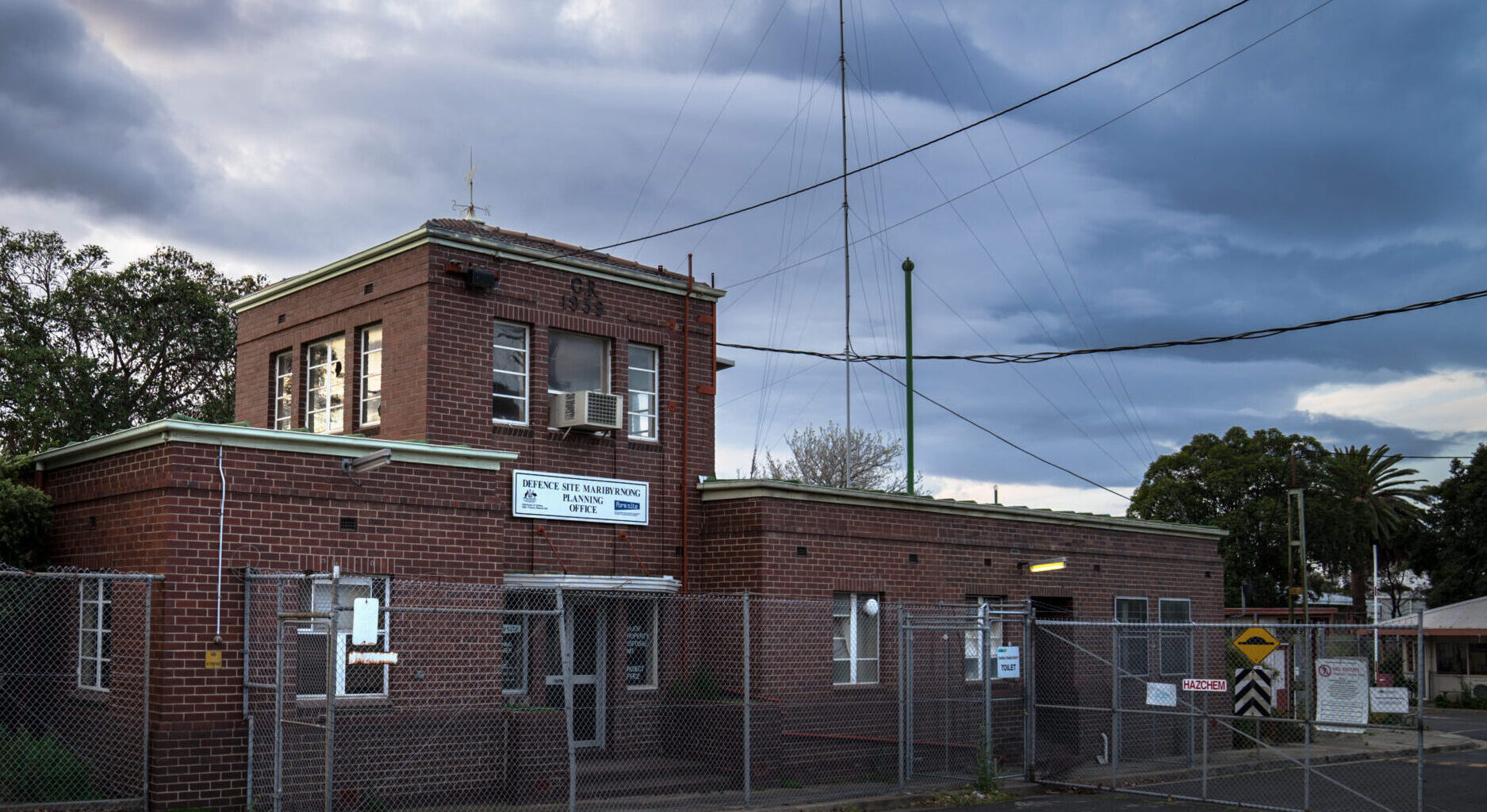
The report acknowledges that existing processes are slow and ill-suited to managing multiple divestments simultaneously. Over two decades, disposals have repeatedly stalled due to contamination, heritage obligations and political hesitation. Defence’s long-running Maribyrnong site divestment illustrates the cost of delay: Defence continues to incur approximately A$2.8 million annually in holding costs that earlier decisions could have avoided.
Further testing of relocation, remediation and avoided cost assumptions is therefore essential. Without rigorous assurance, projected efficiencies risk appearing aspirational rather than demonstrable. The audit was very clear that where divestment proceeds are pursued, Defence should default to open-market sales based on highest and best use.
The report’s seventh recommendation proposes that Defence and the Department of Finance jointly manage proceeds, with funds first supporting further divestments before contributing to broader Defence Strategic Review priorities. Crucially, this does not guarantee reinvestment back into the estate itself. As outlined in the audit, infrastructure has often been delivered without corresponding sustainment funding, leading to premature degradation and higher lifecycle costs. Unless funding transfers are consistently enforced, estate reform risks repeating this cycle.
Some of the proposed divestments raise practical and security considerations. Swan Island illustrates the complexity, with concerns raised about divesting the existing public golf course and the implications for site security and land management. The terrain is only marginally functional for golf and poorly suited to residential development. The island is now accessible on foot, reducing its isolation. In such circumstances, environmental conservation or revised boundary arrangements may provide a more coherent outcome than commercial sale, preserving operational security while recognising limited redevelopment value.
Heritage decisions have become the emotional centre of the debate, particularly regarding sites such as Fort Queenscliff, HMAS Penguin and Victoria Barracks in Brisbane, Sydney and Melbourne. These locations have attracted intense public attention because they represent Defence’s connection to national identity.
But this isn’t a choice between preservation and disposal. Structured peppercorn leases—arrangements involving nominal rent while retaining federal ownership—could transfer stewardship of heritage sites to trusts or public institutions reducing sustainment liabilities while retaining ownership protections and guaranteeing public access. Ground leases and adaptive reuse models would similarly allow Defence to generate revenue while safeguarding historically significant buildings.
This approach could also address a longstanding issue: Defence maintains more than 130 museums and heritage displays, yet roughly 80 percent remain largely inaccessible to the public. Estate reform presents an opportunity to improve both stewardship and accessibility.
Victoria Barracks demonstrates how contested decisions could become exemplars of balanced reform. Conditional sales or partial redevelopment—tied to conservation requirements and public access— would allow value realisation while preserving national heritage outcomes. Managed strategically, such sites could strengthen public confidence.
The audit’s methodology also raises concerns about consultation. Delivery within six months by a small team risked under-engagement with affected communities. Compressed timelines may accelerate reform but constrain understanding of operational consequences.
More concerning is the absence of structured consultation with Australian Defence Force Reserves and cadet communities during the two years the recommendations sat with the government. Estate decisions directly affect participation, accessibility and retention, all of which are central to mobilisation depth and national resilience.
The potential loss of facilities supporting units, such as the Pilbara Regiment’s leased rifle range, is an example of this risk. The regiment’s effectiveness depends on geographically anchored personnel and local training access. Removing infrastructure that generates little financial return may appear efficient but risks undermining capabilities whose value lies in presence and community integration.
These issues are particularly significant as Defence reviews the future operating model of the ADF Reserves. Estate decisions affecting ADF Reserve viability should be addressed through a dedicated study aligned with workforce and mobilisation requirements, rather than proceeding in parallel.
Ultimately, the audit exposed longstanding weaknesses in estate governance. Inner-city leased accommodation remains underutilised, infrastructure procurement timelines are excessive and decision-making processes remain slow and complex. These inefficiencies intersect with growing pressures from workplace safety compliance and climate adaptation to major initiatives such as establishing a new east coast base.
Last week’s parliamentary hearings underscored these gaps and helped explain what is being sold. But more communication is needed on why the divestment strategy will strengthen deterrence, what capability will replace divested assets and how workforce impacts will be mitigated. Estate reform also requires different solutions for different land—not all land generates strategic value through divestment. Therefore, Defence needs to clearly explain the reasoning behind its divestment choices.
Until those questions are answered, the Defence Estate Audit will continue to be judged not as a reform of infrastructure, but as a test of strategic clarity itself.