
The Queensland health service at the centre of a critical independent review into its paediatric gender clinic says it has already implemented significant improvements.
A review into gender services for under 18s at the Cairns and Hinterland Hospital and Health Service (CHHHS) found there was a “negative patient safety culture” at the clinic and incident reporting, risk management and audit processes were either “absent or inconsistently applied”.
Some of the starkest findings in the 213-page review included that children as young as 12 were prescribed puberty blockers without appropriate assessment and young people with developmental delays were put on medication despite lacking the capacity to understand information about the treatment.
In response to the review, the chief executive of CHHHS said it provided “valuable insights into past practices”.
A review of gender services at the facility found there was a “negative patient safety culture.” (ABC News: Conor Byrne)
“The report highlights areas where clinical governance, adherence to guidelines, and authorisation processes for the paediatric gender services over the 30-year period fell short of the high standards expected in our health service,” Leena Singh said in a statement.
Ms Singh said the issues “primarily relate” to services delivered before late 2024.
“Since that time, CHHHS has implemented significant improvements to our clinical governance frameworks, referral processes, and compliance measures,” she said.
‘Systemic issues’
The report is the latest development in sweeping restrictions to medical care for trans children since the LNP was elected in October 2024.
In December 2025 the government announced an ongoing ban on new adolescent patients with gender dysphoria being prescribed puberty blockers in the public health system.
The directive will be in place until at least 2031 when the results of a United Kingdom trial into the effects of the medications are expected.

In December, Health Minister Tim Nicholls announced an ongoing ban on new adolescent patients with gender dysphoria being prescribed puberty blockers in the public health system. (ABC News: Lucas Hill)
A spokeswoman for Health Minister Tim Nicholls said the Cairns report detailed “systemic issues” that were occurring for years.
“… and is further evidence as to why the Queensland government took decisive action on puberty blockers for those aged under 18,” the spokeswoman said in a statement.
If you or anyone you know needs help:QLife 1800 184 527Suicide Call Back Service on 1300 659 467Lifeline on 13 11 14Aboriginal & Torres Strait Islander crisis support line 13YARN on 13 92 76Kids Helpline on 1800 551 800Beyond Blue on 1300 224 636Headspace on 1800 650 890ReachOut at au.reachout.comMensLine Australia on 1300 789 978
But the CEO of AusPATH, the peak body for professionals involved in the health of trans people, said the report laid bare “a systems failure in one regional service” not “inherent clinical risks in gender-affirming care”.
“The report is clear about the solution: align Cairns with the Queensland Children’s Gender Service model, adopt its consent processes, multidisciplinary structures and clinical standards, and resume care once governance is fixed,” Eloise Brook said.
The legal director for advocacy group Equality Australia, Heather Corkhill, also said the Cairns findings did not justify a blanket ban on puberty blockers across Queensland.
“In any other area of healthcare, if a regional service were under-resourced or poorly integrated, the response would be better systems and proper investment — not shutting down care statewide,” Ms Corkhill said.
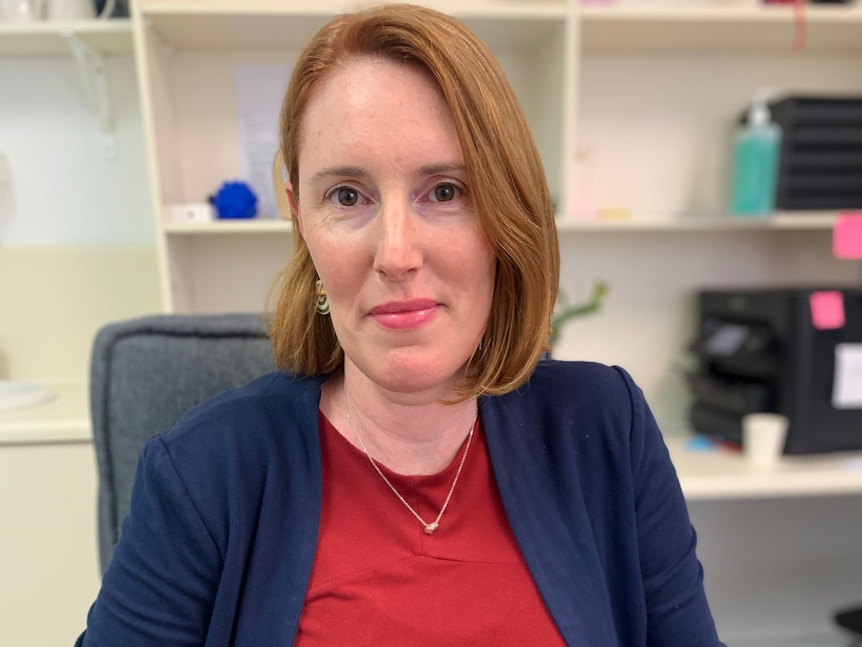
Heather Corkhill, Legal Director Equality Australia. (ABC News: Dean Caton)
‘Anger and despair’ in trans community
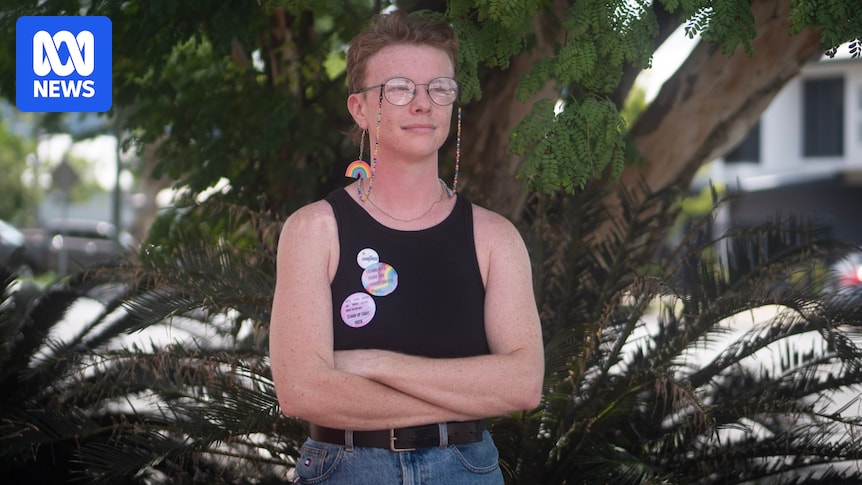
Charlie Collins, an organiser with Gimuy Queer Collective and the Trans Justice Project in Cairns, said the information in the report highlighted issues with under-resourcing and training, but this wasn’t anything new.
“We, as residents of Far North Queensland, know that our healthcare services are stretched to the brink, to the point where we don’t receive the care that we need,” they said.
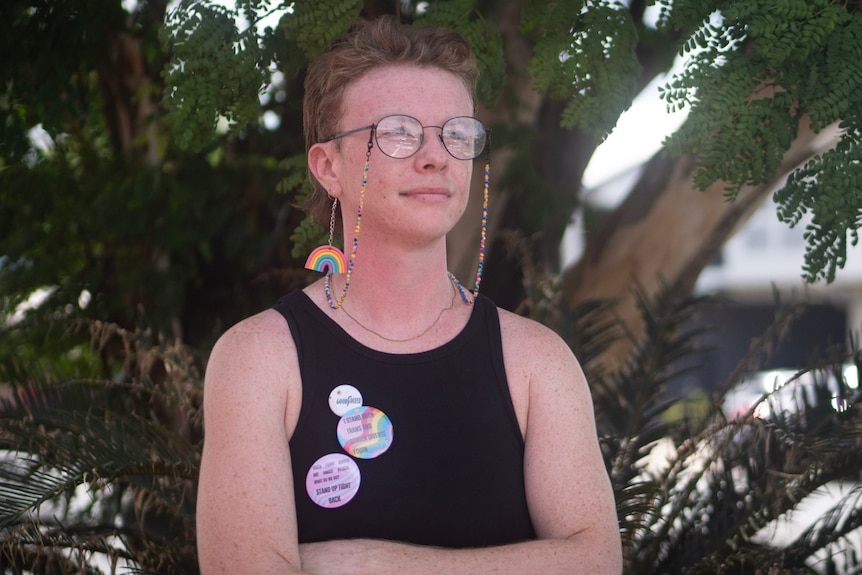
Charlie Collins says there has been a “sharp increase” in young people seeking support after the Queensland puberty blocker ban. (ABC News: Holly Richardson)
Collins said they were concerned the lack of services was having a disproportionate and negative impact on young trans people, creating a sense of “anger and despair”.
“Our young people deserve to be able to access something that makes them feel affirmed in themselves, and they deserve to exist without having their lives scrutinised by the general public day in, day out for a political agenda,” they said.
CHHHS said it was offering “limited” paediatric gender services to “existing clients only” in accordance with the LNP’s ministerial direction pausing the delivery of puberty blockers and hormones for under 18s.