
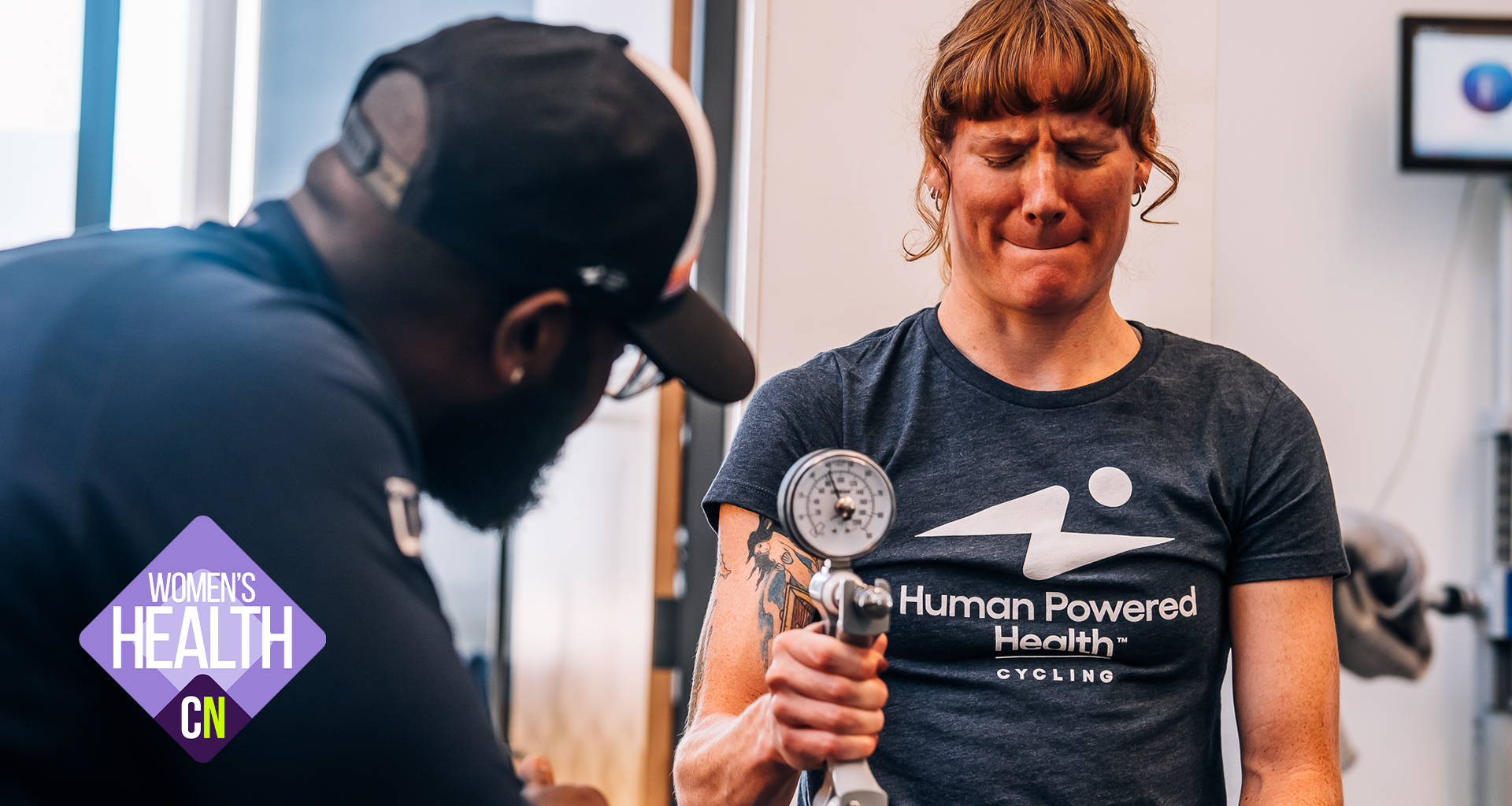
Exercise is supposed to be good for you – and by most measures, it is. However, cycling has a little secret: too much of it is bad for your bones, and you might never know you’re doing damage until it’s too late.
What makes it so dangerous is that there are few to no symptoms of low bone density, it can occur at any age, and it is notoriously difficult to reverse, especially later in life. Demanding endurance sports like cycling and swimming are increasingly being studied to understand how they can negatively affect bone health.
What’s in our bones?
Your skeleton isn’t just minerals. They’re made of hardened tissue containing living cells that constantly break down and form new bone. In the more porous core is the cancellous/spongy bone (trabecular bone) that includes your bone marrow, where your red and white blood cells are produced.
Around 80% of your bones are a hard exterior of ‘cortical’ or compact bone – it’s what holds you upright and lets your muscles lever off them to move you around. Inside are microscopic tubes full of the cells called osteoblasts, which make new bone, and osteoclasts that break down bone tissue.
The strength of your bones starts early in life, with bone density peaking in a woman’s early 20s or a man’s late 20s. How at risk you are for low bone density (osteopenia) or osteoporosis depends on how strong a start you’re given – a good diet and weight-bearing exercise are important factors in building strong bones.
Because your bones are a massive store of calcium, when you exercise, you need that calcium to fuel muscle contractions, and the calcium stored in your bones is critical for ‘calcium homeostasis’ – your body keeping up with the muscles’ demands.
In women, estrogen appears to be important for maintaining bone health. Once women reach menopause and their hormone levels drop, bone density can decline rapidly. Hormone replacement can slow the decline, so it’s important for women to speak to their doctors about bone density and get professional advice as early as their mid-30s.
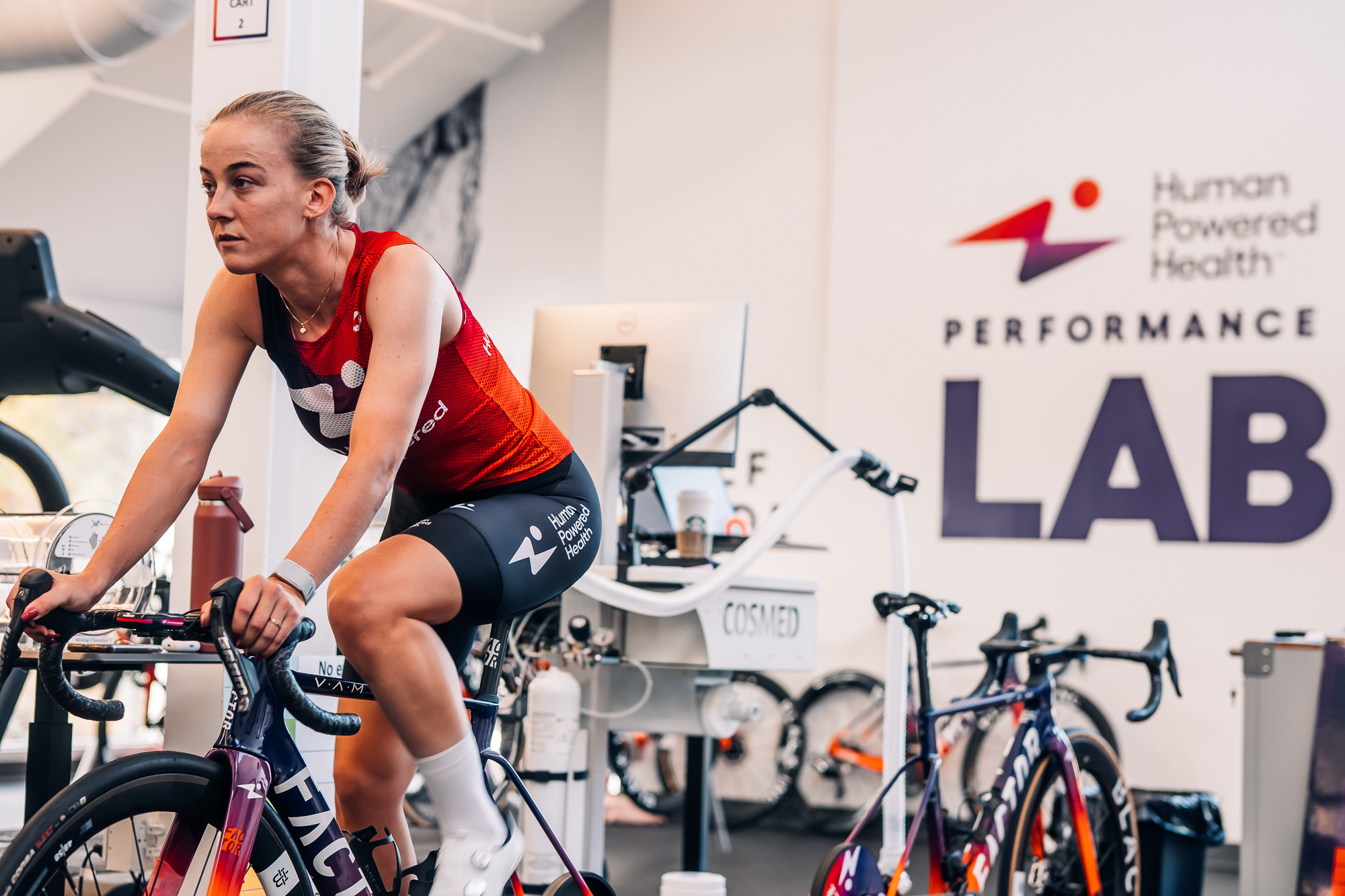
Bone density tests at Human Powered Health labs (Image credit: Human Powered Health)
Pro cycling and bone health are a not-so-perfect match
When you lift heavy weights, run, jump, or do other impact- or weight-bearing exercises, the strain stimulates osteoblasts to strengthen the bones. Conversely, long periods of inactivity, weightlessness like in space, certain drugs like glucocorticosteroids, age, and, for women, menopause, can shift the bones into breakdown mode.
Unfortunately, bike riding or racing isn’t in the bone-promoting category and, according to research, can do just the opposite.
Even when riders are stomping on the pedals in a sprint or dancing up a mountain, the force on the bones isn’t enough to stimulate bone growth, as it is with jumping or weightlifting, and intense aerobic efforts can cause the body to break down bone to fuel demand for its minerals elsewhere.
Professional cycling historically has embraced practices that put riders’ bone health at risk: encouraging riders to be very light by restricting calories and discouraging weight training or impact sports during the season. The culture is slowly improving, thankfully, according to Therese Hammerschmith, the Head of Performance at Human Powered Health.
She explained how the team uses all the resources of the Human Powered Health labs to ensure the riders address all risks to bone health.
“That’s something I’m really proud of our team for prioritising the health of the athletes first,” Hammerschmith said. “We’re powering human potential and health and performance by doing baseline assessments [on the team] every year just to see where they’re at across the strength side, bone mineral density, resting metabolic rate, and the aerobic side of things as well. Then we can tailor the specific needs of each athlete, as well as the team overall, with what they need not only to be able to perform on the bike during the races, but off the bike as well.”
Thanks to greater awareness of bone health, most pro teams have added bone density tests, such as DEXA scans, to their annual assessments to ensure riders aren’t at risk of osteopenia or worse, osteoporosis.
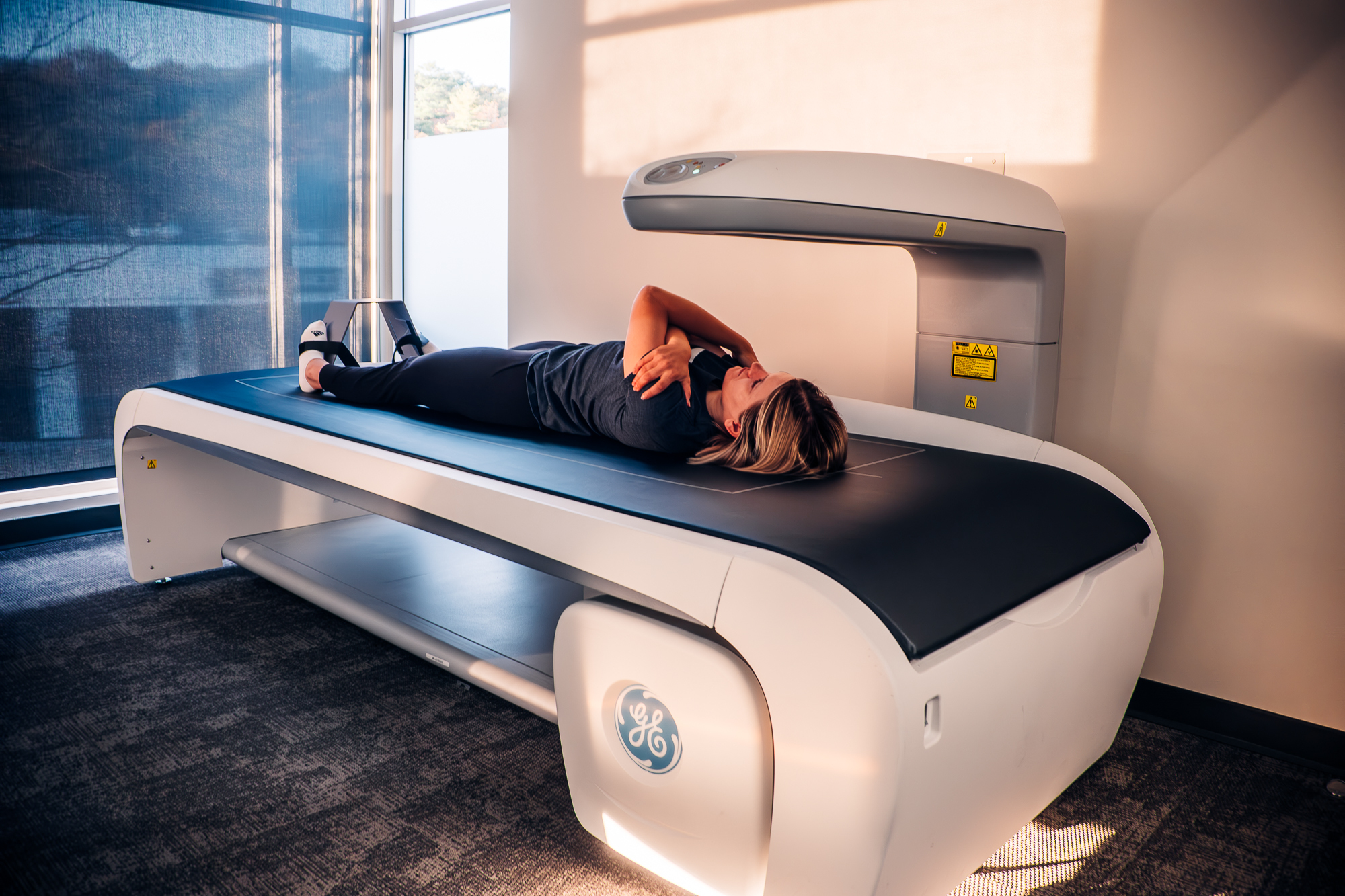
A Human Powered Health rider undergoes a DEXA scan (Image credit: Human Powered Health)
“I think, because the conversation is getting louder and more prevalent, that we are moving in the right direction,” Hammerschmith added. “When it comes to cycling overall, I would say that there’s more attention being brought to this specific topic.
“The cycling season is so long that it wouldn’t be uncommon to see some [bone density] decrease. I’ve seen the decreases happen year over year, but more so in those athletes that aren’t prioritising also doing things off of the bike, such as [weight] lifting, even some Plyometrics, or even going for a run, maybe even once a week – things like that can really help offset some of those implications with lower bone mineral density.
“For us on the Performance Lab side of things, being able to give actionable data insights that can then be addressed by the medical staff, the nutritionist, and the sports coaches, to make sure that we are providing the appropriate training regimens as well as any other insights that we see that could guide those specific professions to serve the athletes really well.”
The risks you can and can’t mitigate
Some osteoporosis risk factors can be fixed, and some can’t. A poor diet as a child can start you off with a lower baseline of bone density and set you up for problems later in life, especially if controllable factors like smoking tobacco, drinking alcohol and an adult poor diet aren’t corrected.
Chronic use of glucocorticosteroids can increase the risk of osteoporosis, as can celiac disease, which, if untreated by a gluten-free diet, can prevent absorption of important nutrients like calcium and vitamin B12. There is also a risk in cutting calories or, as experts call it, ‘low energy availability’, which can disrupt hormones that help keep bones in balance.
Other aspects of bone health aren’t easily remedied: being female poses a higher risk because of the potential for a rapid drop in bone mineral density during menopause. Ethnicity – especially for Europeans and Asians – and heredity can predispose athletes to bone loss, and small stature is also associated with osteoporosis. These are physical profiles of many pro cyclists.
Women are also generally smaller with less bone mass, making them more at risk for osteoporosis.
If you have untreated celiac disease, inflammatory bowel disease, kidney or liver disease, cancer or rheumatoid arthritis, you’re also at higher risk for osteoporosis regardless of gender.
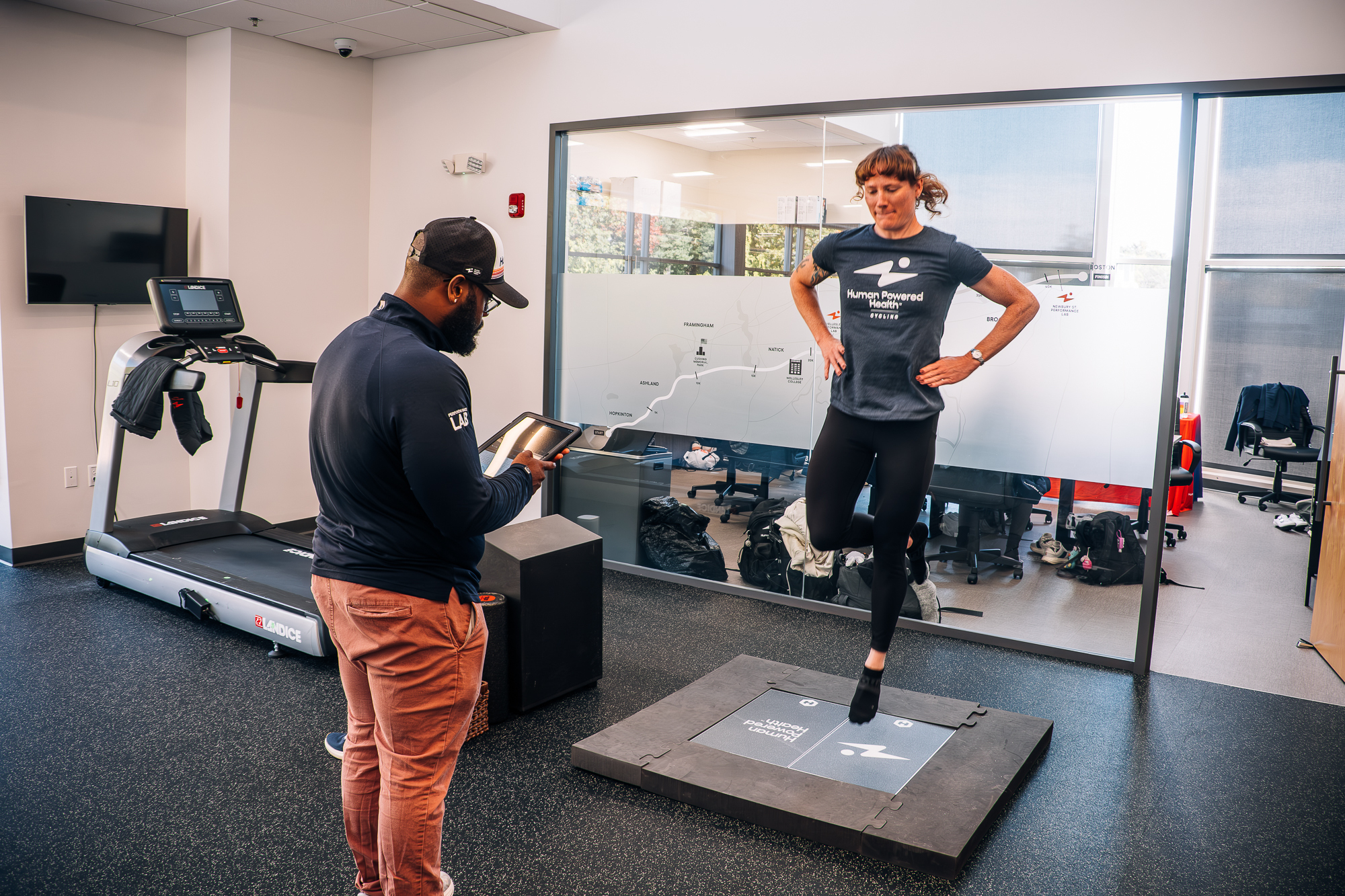
Bone density tests at Human Powered Health labs (Image credit: Human Powered Health)
What can we learn from pro cycling?
First, according to Hammerschmith, athletes need to pay careful attention to their diet, not only ensuring they get all of the essential vitamins and minerals but also eating enough calories.
“If we don’t have enough of the other fuel sources that help power our body, it’s hard to have a well-functioning body,” Hammerschmith said.
“We don’t want people to go into low energy availability – because it doesn’t matter, if you have enough calcium, you’re not going to be able to perform at your best [in calorie deficit]. You want to make sure you’re getting enough fuel overall – not taking in enough overall fuel can cause hormone imbalances.”
Those imbalances can lead to RED-S (relative energy deficiency syndrome). It was originally referred to as ‘the female triad’, but severe caloric restriction can lead to RED-S in both men and women. While women have an easy early warning if menstruation stops, symptoms of RED-S in men are more vague – decreased performance, irritability, insomnia, depression or low libido. RED-S is linked to low bone density in both genders.
Other steps to maintain bone health include adding some impact exercise to an athlete’s routine – add a few runs, plyometrics and weights into the weekly schedule. Some studies have shown that eating calcium-rich food or a calcium supplement before exercise can reduce how much your body mines your bones for calcium during efforts.
Human Powered Health take an approach of tailoring each rider’s diet and training to their physiology, and Hammerschmith suggests that this can go a long way toward preventing a pro cycling career from negatively impacting bone health.
“I think that we’re moving in the right direction, one, by talking about it and two, having more teams and more individuals screening for [bone density]. It shows care for the athlete and putting them first, and helping them have strong bones or putting on a little bit of muscle mass, which can be beneficial to them in performing.
“We need to take each individual as they are and make sure that we’re fueling their individual physiology for their best outcomes, for success, both on the performance side as well as the health side.”