
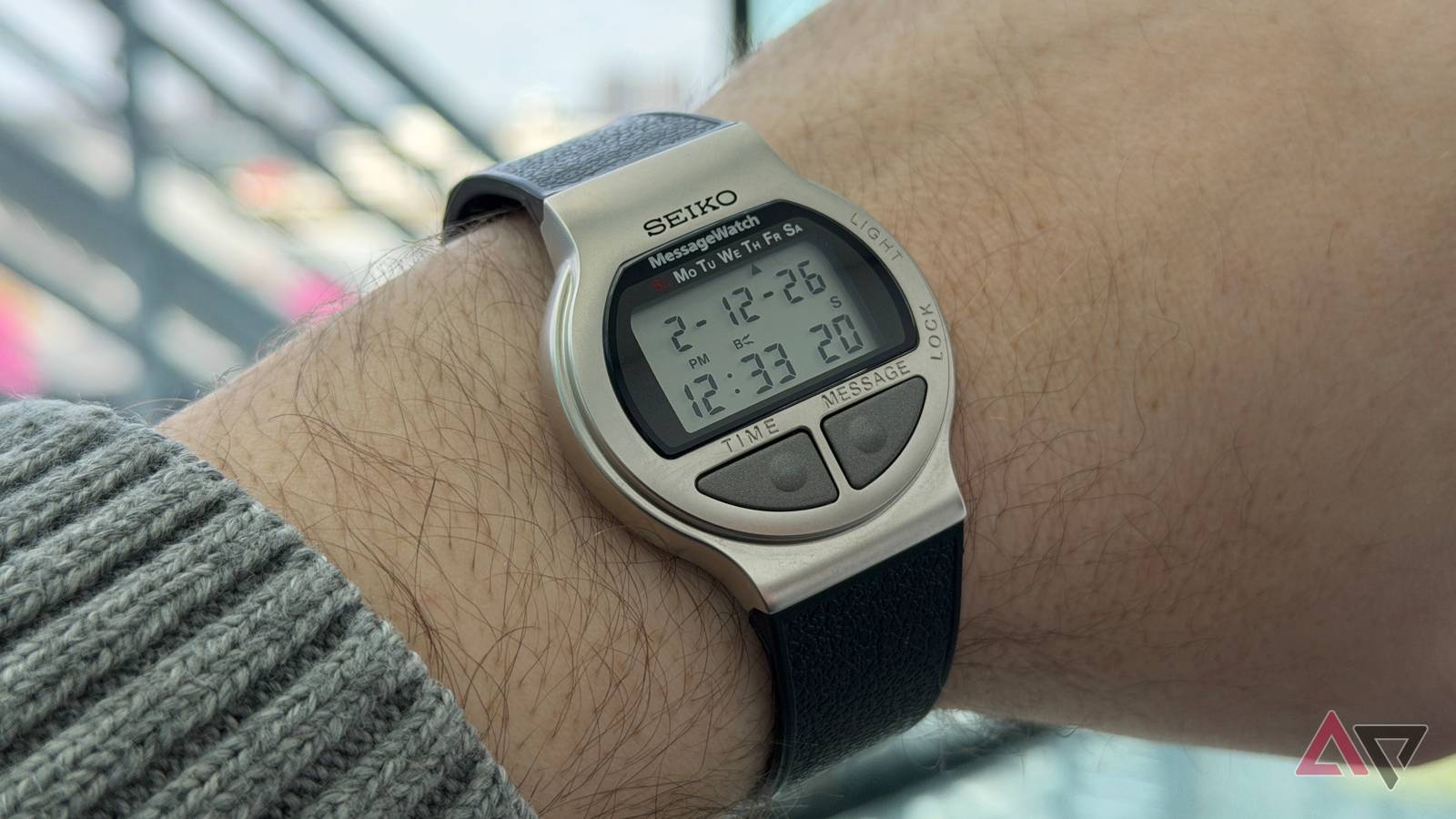
I don’t love modern smartwatches anymore, but that wasn’t always the case.
As a child of the 1980s and 1990s, I was obsessed with the idea of a computer on my wrist.
I wasn’t surrounded by smartphones, and daily screen time consisted of an Apple II at school and my Intel 386 PC compatible desktop at home — hardly a match for the devices we’re flooded with today.
Smartphones changed everything, and I no longer see the appeal of yet another screen demanding my attention.
I recently started wearing a Seiko MessageWatch from 1994. It was outstanding for its time, and I was lucky enough to use one back when the service was active.
Putting it back on my wrist has been an excellent reminder that tech doesn’t need to be this way, and it’s why I’m looking forward to a different kind of wearable in 2026.
Related
I double-wristed all weekend, and don’t regret a minute of it
You’ve got two wrists, so use them
What the Seiko MessageWatch originally offered
Set information at a glance
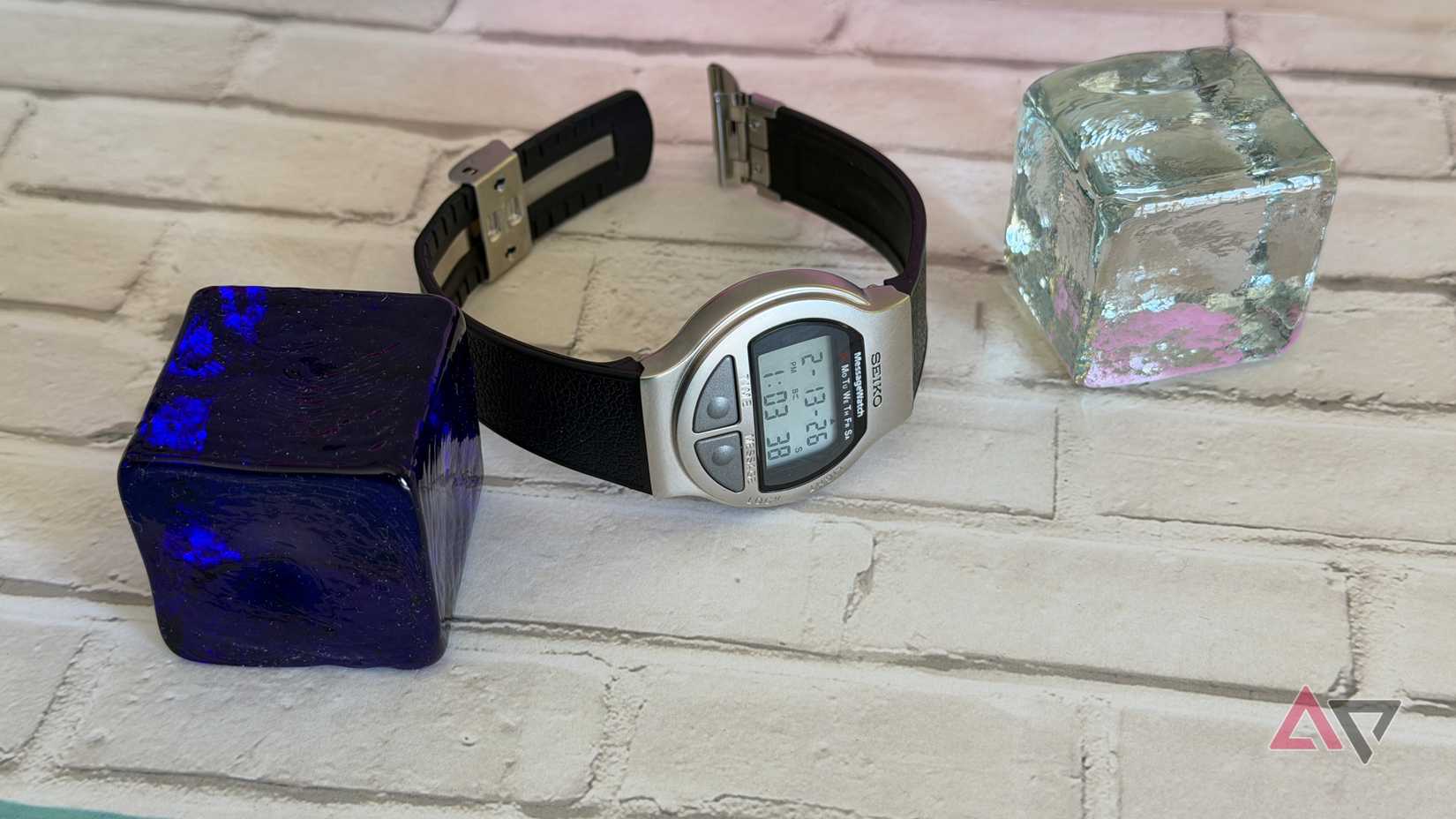
Around $275 back in the 1990s scored you a Seiko MessageWatch.
Several variants were offered, each with different cases and bands. The general technology and service remained the same, but you could buy a watch that best fit your tastes.
From the outside, it looks like an unassuming Seiko quartz watch, which is precisely what enabled me to get away with wearing one in middle school.
A Los Angeles Times article from the period perfectly outlines what was offered. For a few dollars a month, you got a simple weather report twice a day, and the stock market closes for the Dow Jones, NASDAQ, and S&P 500.
I remember loving the lottery results as a kid, and I’d tell my father so we didn’t have to go to the store to check our tickets.
Sports scores were also a thrill. I got all the NY local sports teams, which, given the sheer number of franchises we have in the area, made my watch feel like a scrolling ESPN feed.
Unlike Microsoft’s WristNet a few years later (which I also used), the sports teams and weather reports you received were based on the signal your watch picked up.
There wasn’t much customization aside from the package you ordered. If you live on one of the coasts, you got a wave report. Later on, users in mountainous regions received a ski report. An extra $9 a month meant your MessageWatch could act as a pager.
I remember being alarmed in 8th grade when I was paged from a random wrong number, wondering if the alert would expose me for wearing a beeper in class.
How the MessageWatch functioned
No Bluetooth or Wi-Fi available
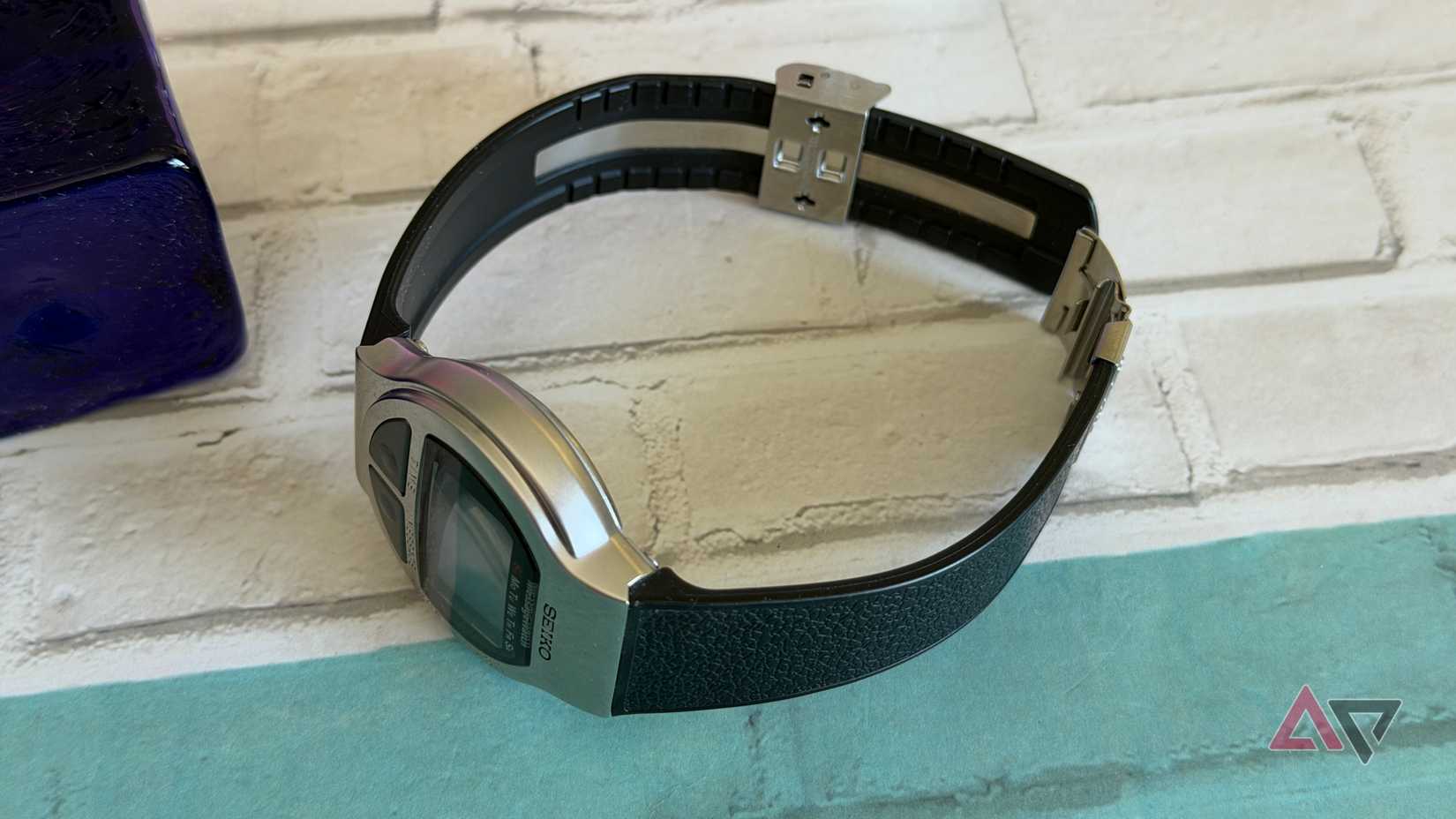
The MessageWatch service existed before Bluetooth and Wi-Fi were readily available, yet there had to be some way to get information to your watch — and it certainly wasn’t coming from my Nokia 5125.
It used an FM sub-carrier signal. From what I understood at the time, the same FM wave that brought your favorite music station also delivered information to your watch.
Every MessageWatch had a large metal strip inside the band that served as an antenna.
You could set the time manually, but as long as you received a signal, it synced automatically. If you changed time zones, it would switch to whichever signal it was receiving, so you never had to manually adjust your time when flying to a supported city.
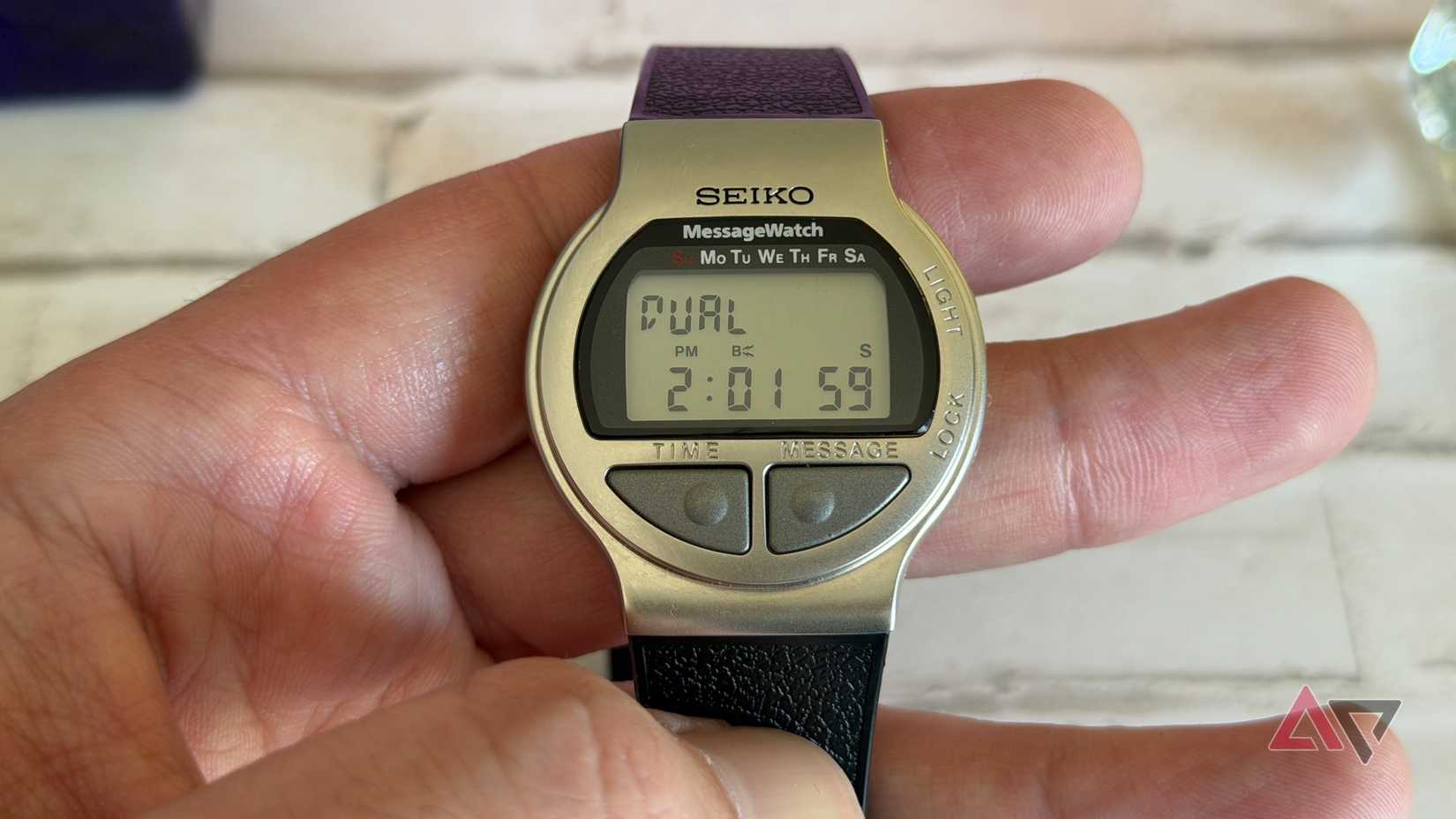
As a regular quartz watch, it still works fine. It can track two time zones and includes an alarm function. I replaced the CR2025 battery myself, and I’ve been wearing it ever since.
If you never had one back in the day, you’d think it was just a regular Seiko with the worst LED light you’ve ever seen. But when I look down, I remember what was.
The Seiko MessageWatch has me excited about the future
I can’t wait for my Pebble Time 2
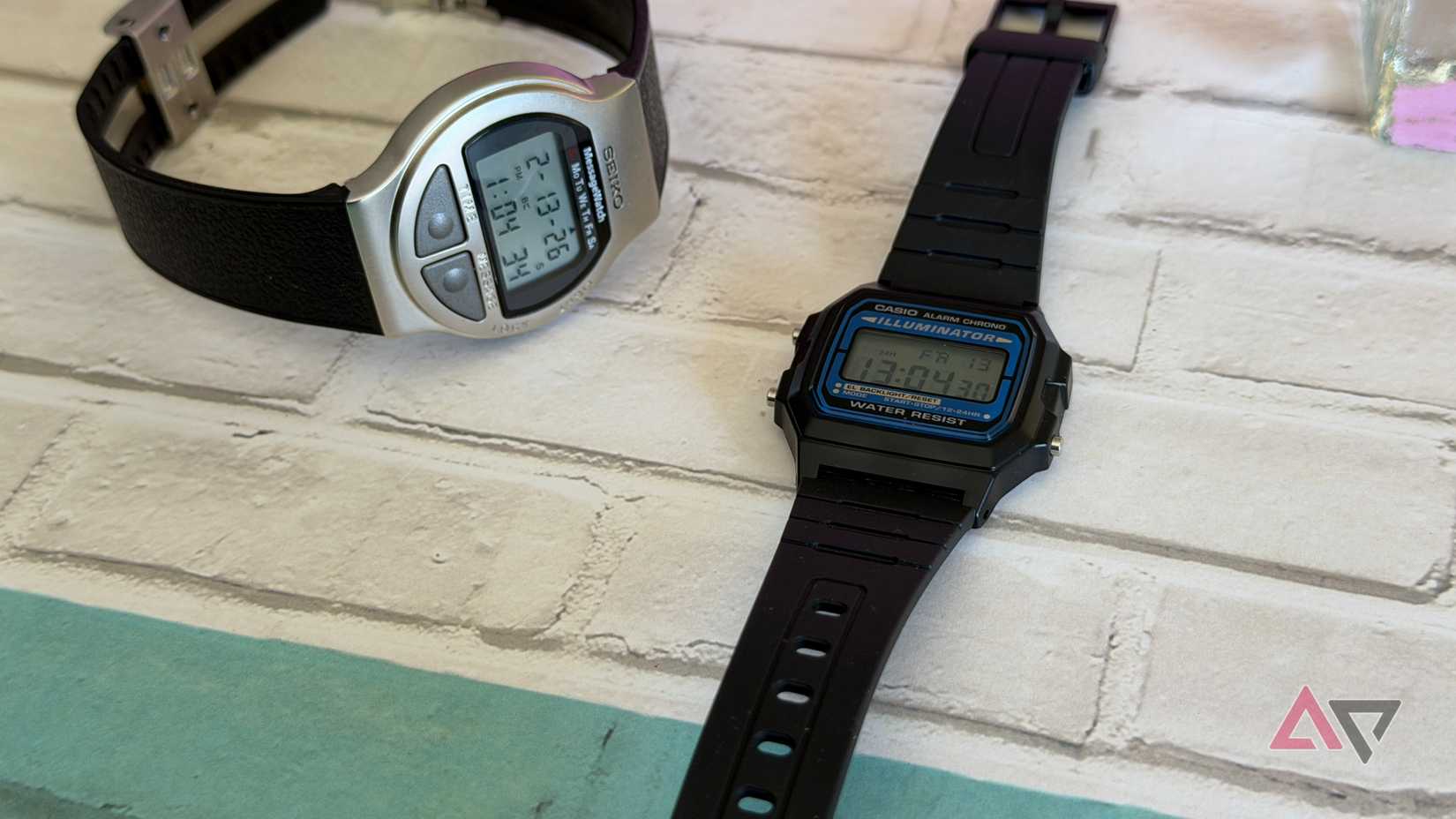
I love wearing the MessageWatch because it reminds me of a time when there was passive connectivity.
I got the information I wanted on my wrist, but I wasn’t expected to respond or engage. I was connected, but I wasn’t beholden — and that’s a significant difference that we’ve lost in 2026.
Credit: Pebble
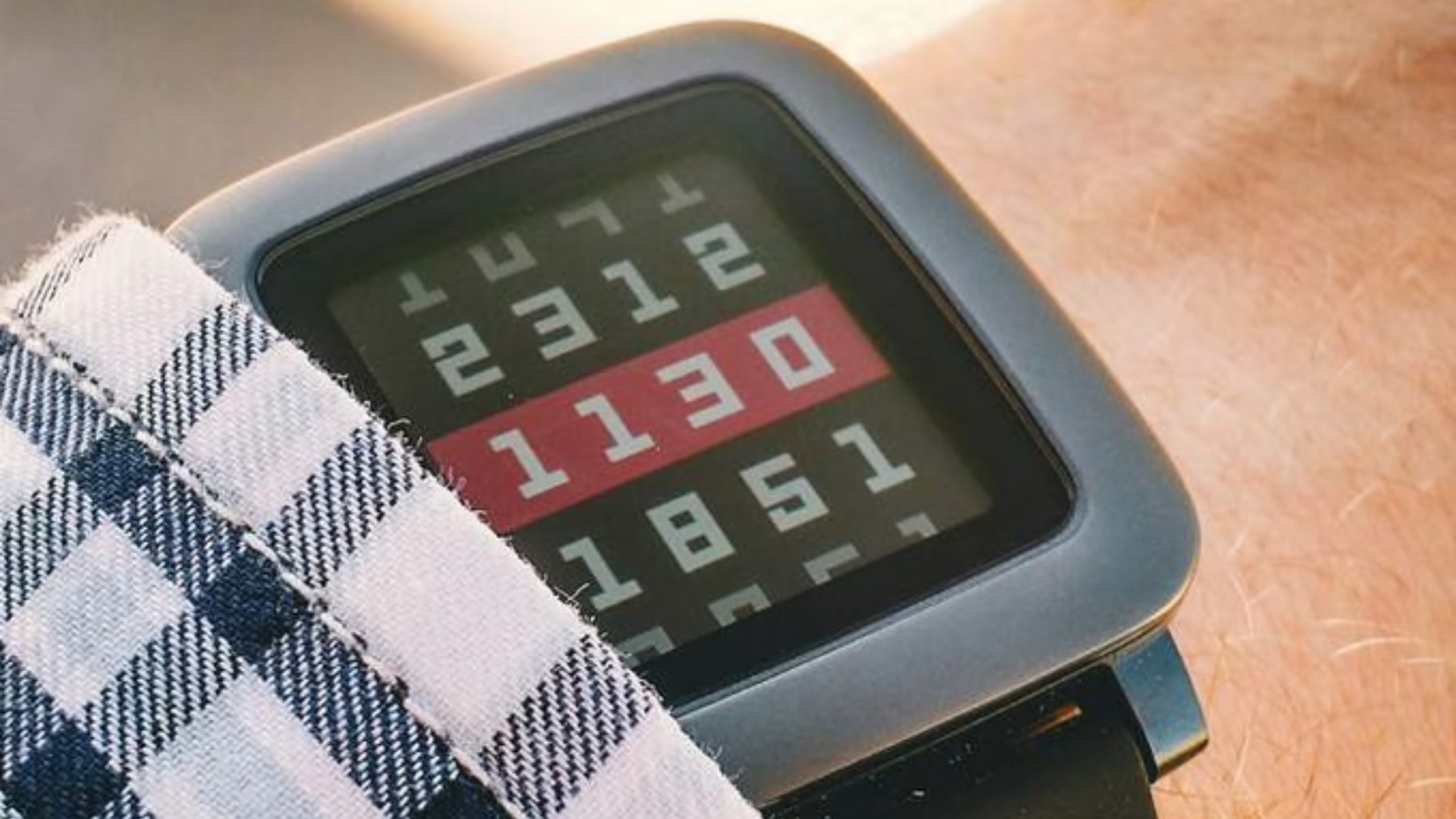
It’s why I’m so excited to receive my Pebble Time 2.
Sure, it’ll have apps, a color touchscreen, and the ability to connect to my phone. But, like the original Pebble, it feels purpose-built, and it’s much more akin to the MessageWatch from the mid-1990s than to behemoths like the Galaxy Watch Ultra.
It’s naive to think I could ever truly go back to a period where connectivity is optional, but clawing back even a little of that is refreshing.
2026 is already looking up
I said this was going to be a theme of mine this year, and I keep being proven right.
The Clicks Communicator and Unihertz Titan 2 Elite are fantastic keyboard phones that I can’t wait to use, and I’m looking forward to pairing them with my Pebble Time 2.
Modern smartphones aren’t the root of all problems, and there are definitely advantages for consumers of having a one-stop-shop device for their computing, camera, and communication needs.
Still, I love that there are other options for the rest of us who want a bit more variety in our tech.