
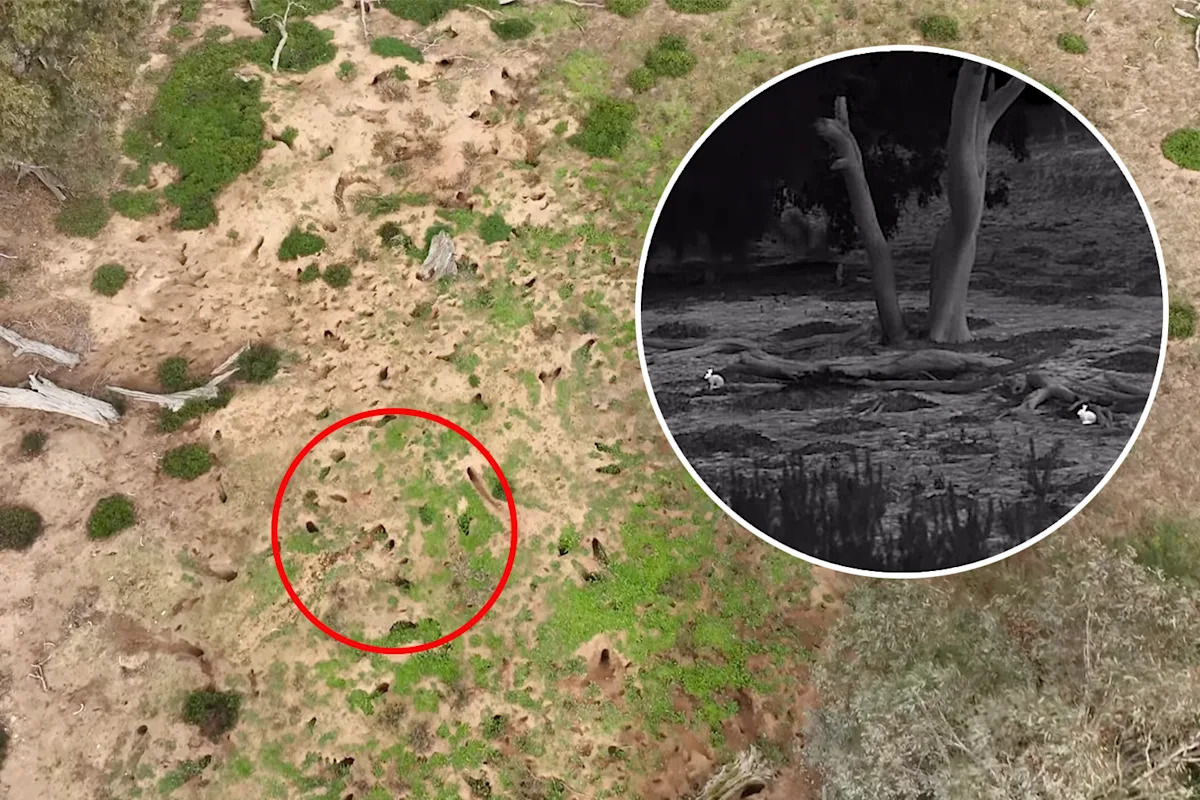
Invasive species experts are urgently calling on the federal government to ramp up rabbit eradication efforts across Australia, amid reports their population has “skyrocketed” to numbers “not seen” since the 1990s. Conservationists describe the lack of current action as “very concerning”.
Jack Gough, CEO of the Invasive Species Council, said Australia is at risk of sliding back towards rabbit plague conditions as the effectiveness of the latest biocontrol wanes and federal funding for the next phase stalls.
He said Australians may have grown complacent because of the past success of biocontrol programs, but those responses have now reached their limits, meaning rabbits are once again spreading rapidly and causing significant ecological and agricultural damage.
“Every day that we wait is another day that bunnies keep breeding,” Jack said in an interview with Yahoo News.
“We know rabbits are one of the worst invasive species in Australia.
“The damage they cause to agriculture is enormous, and more than 320 native species already on the pathway to extinction are being pushed further by rabbits. Where rabbits thrive, foxes follow.
“For farmers, few things are worse in terms of soil erosion and damage to infrastructure.”
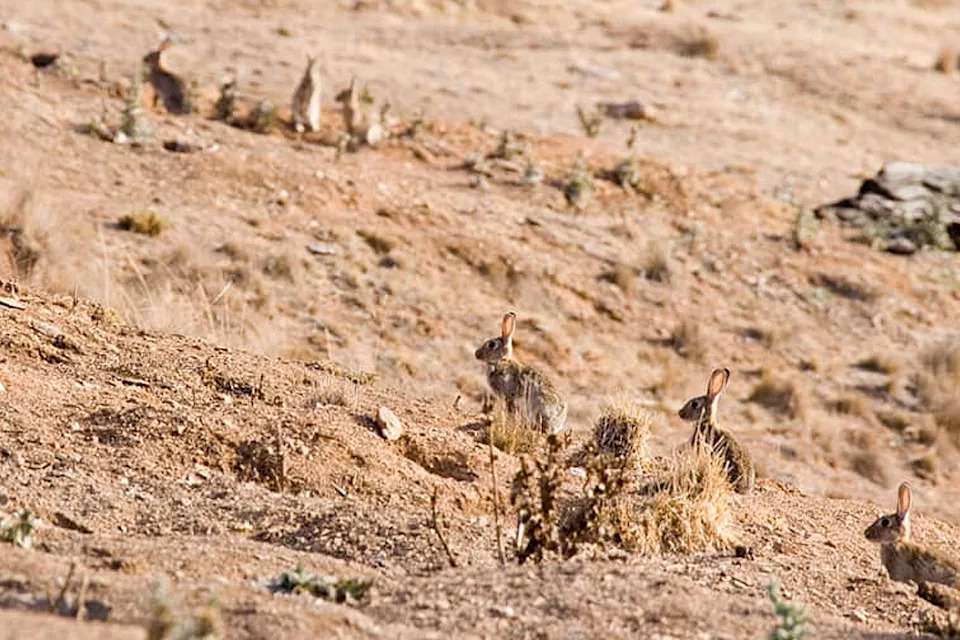
Australia needs tougher rabbit control measures, as reports emerge their numbers have rebounded to levels not seen since the ’90s.
How have rabbit controls worked in the past?
Jack explained that the release of the myxomatosis disease in the 1950s and calicivirus in the 1990s and early 2000s dramatically reduced rabbit numbers.
“But the effectiveness of the most recent virus strain is now dropping quickly, and as that happens, rabbit numbers are climbing,” he said.
“Across the country, we’re hearing reports of numbers not seen since the ’90s.”
Two virus releases occurred in the 2010s — in 2014 and 2017 — with the 2014 strain being the dominant one.
Scientists recommend that these measures be taken every 10 years to remain effective, meaning that now is the time for renewed action.
“It’s been more than a decade since the main virus was released, and that’s when we start to see efficacy decline,” Jack said.
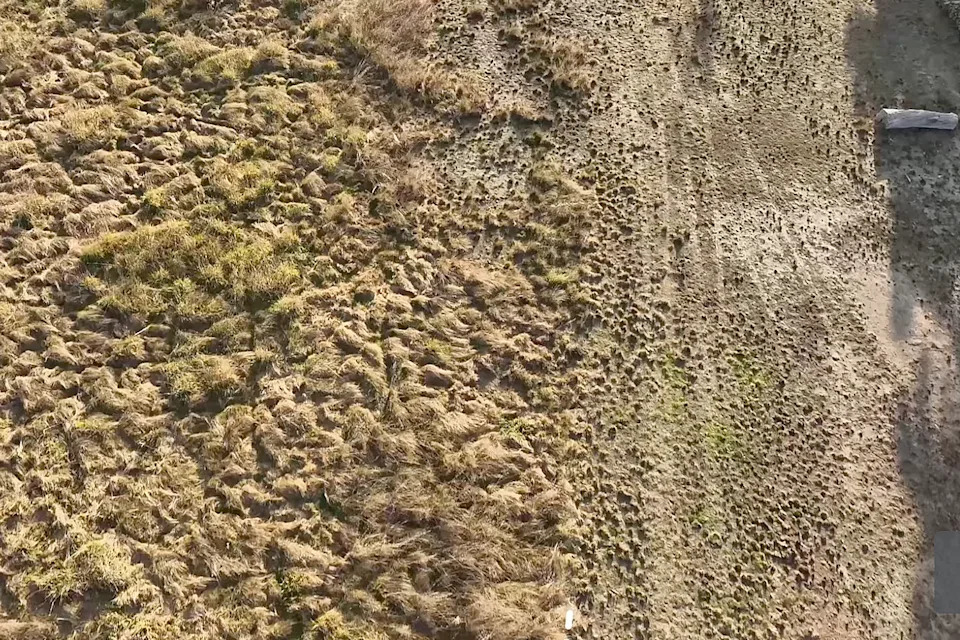
Rabbits are one of the most destructive agricultural pests, wreaking havoc across farms and fragile ecosystems. Source: Agriculture Victoria
What is needed now?
Jack said funding for Australia’s national rabbit biocontrol pipeline research program was discontinued in 2022.
“The CSIRO and the Centre for Invasive Species Solutions have put forward a proposal to restart the program,” he said.
“I’m very concerned that the gears of government turn very slowly, and we may not even have a funding decision on this for one to two years.
“And even if funding was restored tomorrow, it would likely take eight years to deliver a new biocontrol.
That means “we’ve already locked in years of rising rabbit numbers” because of “short-term thinking.”
Jack said the problem is compounded by the lack of up-to-date national population monitoring.
“When funding stopped, the work assessing national rabbit numbers also stopped,” he said.
“We don’t have precise national figures. But we do know you need to remove around 87 per cent of rabbits each year just to stop population growth.
“In good conditions, their breeding rate is even higher. Without effective biocontrol, numbers can explode.”
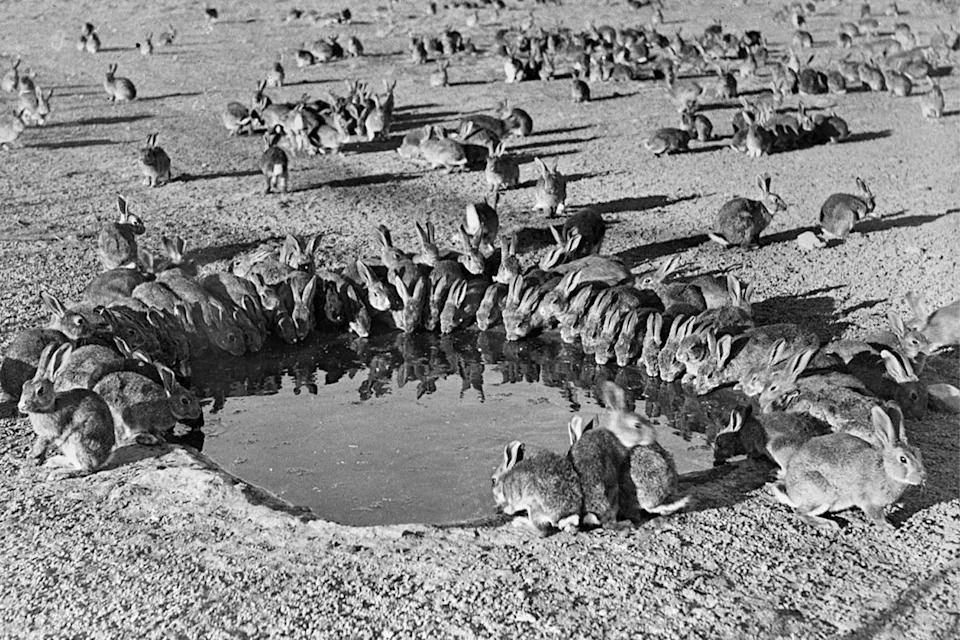
Australians were eating 40 million rabbits a year in the 1940s, and it ‘still made no impact’. Source: Invasive Species Council
No time to waste
“Nature doesn’t wait for government processes,” Jack said.
“If policymakers understand exponential growth in superannuation, they should understand it in biology too.”
Jack said the issue appears to be bureaucratic rather than scientific.
“We’ve been told [funding for biocontrols] didn’t make it high enough in a competitive grants process,” he said.
“That’s not good enough. This should be a national priority. It shouldn’t matter who is in government.”
He said history shows what happens when rabbit populations spiral.
“In the 1940s, hillsides looked like they were moving because there were so many rabbits. Australians were eating 40 million rabbits a year and still making no impact.”
But biocontrol delivered reductions of up to 99 per cent where it was released.
Jack warned that governments will ultimately be judged on decisions made now.
“The question in a few years’ time will be: why didn’t we act when we had the science and the solution on the table?” he said.
“No one misses a rabbit plague.
“Bad Bunny was at the Super Bowl, but in Australia, we’ve got bad bunnies spreading across the continent.”
Do you have a story tip? Email: newsroomau@yahoonews.com.
You can also follow us on Facebook, Instagram, TikTok, Twitter and YouTube.