
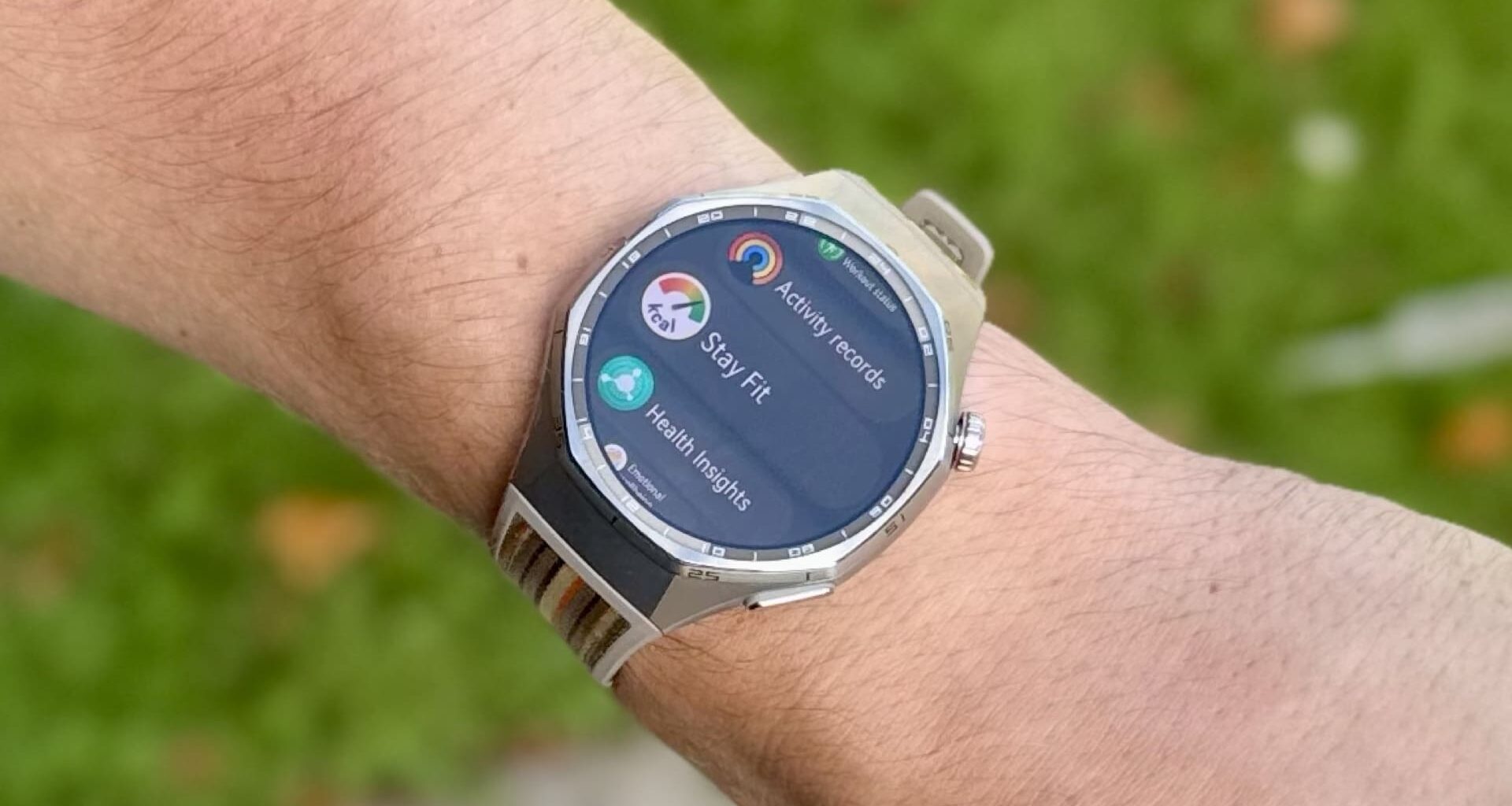
The PPG-based feature provides diabetes screening without finger-prick tests
Huawei has marked a major step towards wrist-based metabolic tracking, announcing a non-invasive diabetes risk assessment tool for its Watch GT 6 Pro.
Announced at last week’s World Health Expo 2026 in Dubai, the feature is part of the company’s Diabetes Risk Study and eliminates the need for direct mmol/L readings by using a risk-modeling approach.
Currently rolling out to the smartwatch via an over-the-air update, the feature uses the device’s PPG sensors to identify vascular and heart rate patterns associated with insulin resistance and prediabetes.
To ensure the technology withstands clinical scrutiny, Huawei has partnered with Dubai Health to conduct a comprehensive validation study.
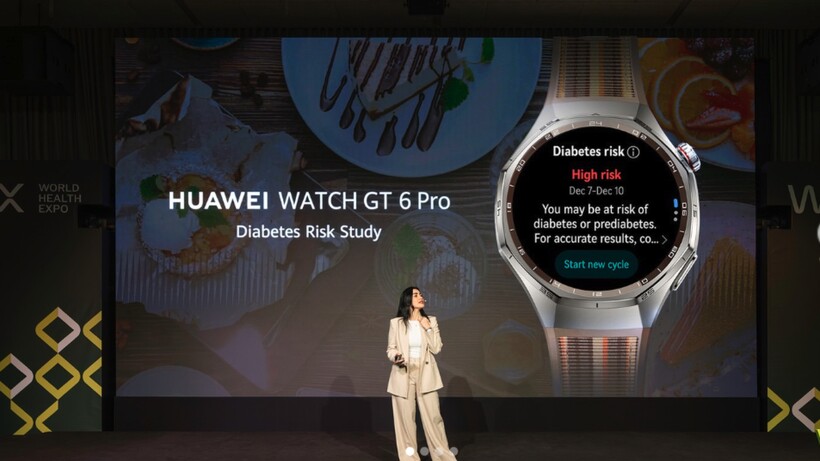 (Image credit: Huawei)
The project involves 150 participants—split equally between healthy, pre-diabetic, and diabetic volunteers—who are being tracked at Dubai Health facilities.
Advertisement
Focuses of the study—and how the feature works
The study is specifically designed to evaluate the tool across diverse skin tones and physiological backgrounds, with results directly compared with clinical gold standards such as Fasting Blood Glucose, HbA1c, and Oral Glucose Tolerance Tests (OGTT).
This oversight by Dubai Health, which includes strict fasting guidelines and anonymized data collection, aims to produce a validation report that could set a new standard for wearable health credibility, the brand says.
For the user, the Diabetes Risk app requires a monitoring window of 3-14 days to collect sufficient data during rest and activity to build a physiological profile. Rather than a snapshot ‘finger-prick’ replacement, it delivers a ‘Low’, ‘Medium’, or ‘High’ risk assessment.
As you would expect, the company is also keen to note that this remains a screening tool rather than a diagnostic one; those flagged in the higher categories are prompted to seek professional medical evaluation.
And while regional certification means the feature isn’t available globally yet—most notably in the US or Europe—it represents a notable leap forward in turning the smartwatch into a passive monitor for chronic conditions.