
Where the mouth of the River Murray meets the salty waters of the Southern Ocean, lies Hindmarsh Island.
It’s a unique ecosystem, teeming with birds and fish living among a patchwork of wetlands, lagoons and coastal scrub, south of Adelaide.
Aboriginal and Torres Strait Island readers are advised this article contains images of people who have died.
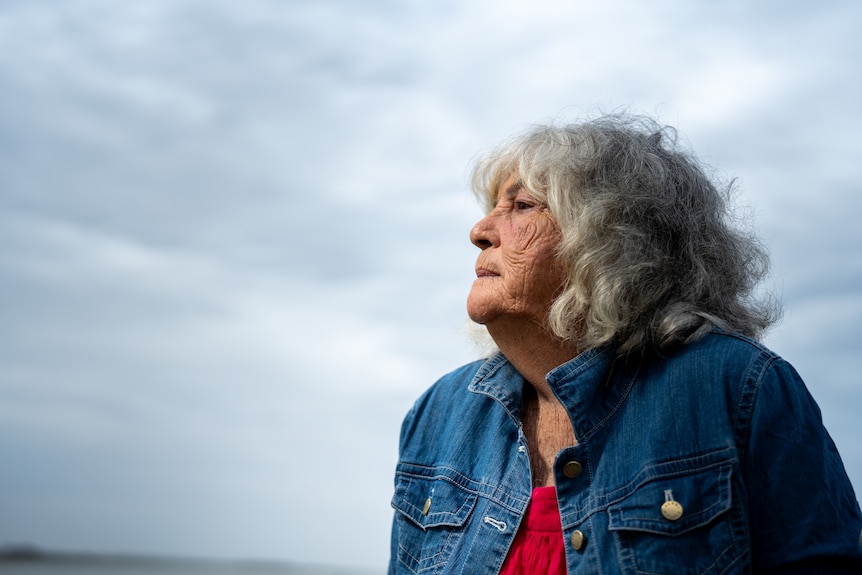
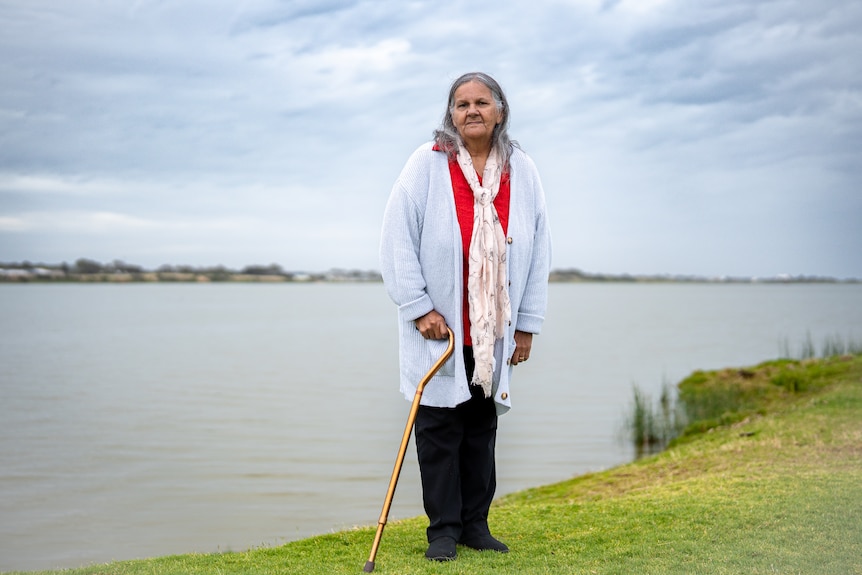
Sandra Saunders was the head of the Aboriginal Legal Rights Movement in the 1990s and fought against the construction of the bridge. (ABC News: Lincoln Rothall)
It was the reason why Sandra Saunders and a group of Ngarrindjeri women were prepared to face national condemnation more than 30 years ago, when they opposed the construction of a bridge they believed would destroy sacred sites.
“I used to believe in justice and fairness in this country, I don’t know why but I did, I used to always believe truth prevails,” Ngarrindjeri activist and artist Ms Saunders said.
“To actually have big headlines ‘Blacks made up stories’, ‘They’re fabricators,’ ‘Lies, Lies, Lies’ … how could they do that?”
The 78-year-old believes misconceptions surrounding the high-profile political and legal battle of the 1990s still lingers among the public to this day.
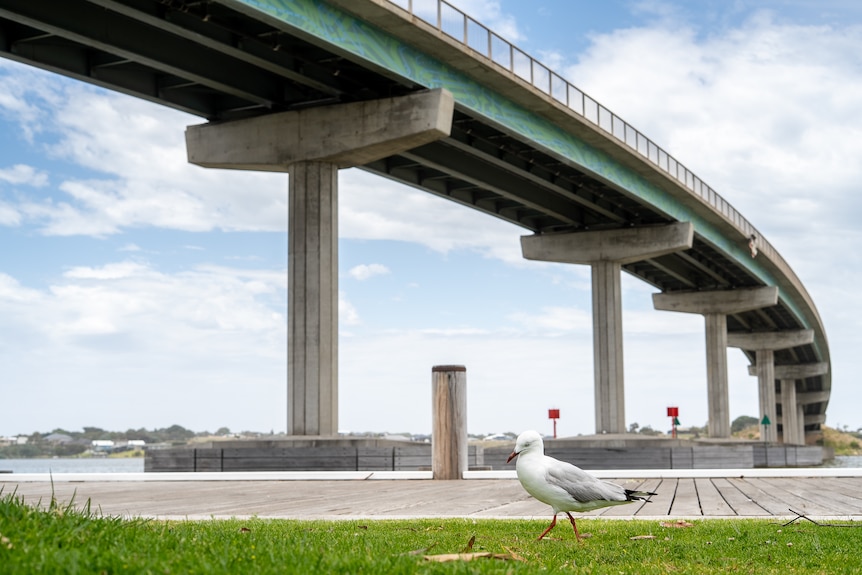
The Hindmarsh Island Bridge in Goolwa south of Adelaide. (ABC News: Lincoln Rothall)
She hopes a project retelling the long-running saga from the perspective of Ngarrindjeri women will share the voices she believes have been ignored for too long.
The ‘Hindmarsh Island Affair’
The Hindmarsh Island bridge dispute spans more than a decade of legal inquiries and court battles sparked by a cultural heritage protection claim.
In the early 1990s, developers planned to build an almost 320-metre bridge between Hindmarsh Island, known as Kumarangk by traditional owners, and the small town of Goolwa.
A group of Ngarrindjeri women, led by elder and historian Dr Doreen Kartinyeri, objected on the grounds the site was sacred to them for reasons which could not publicly be revealed, referred to as ‘secret women’s business’.
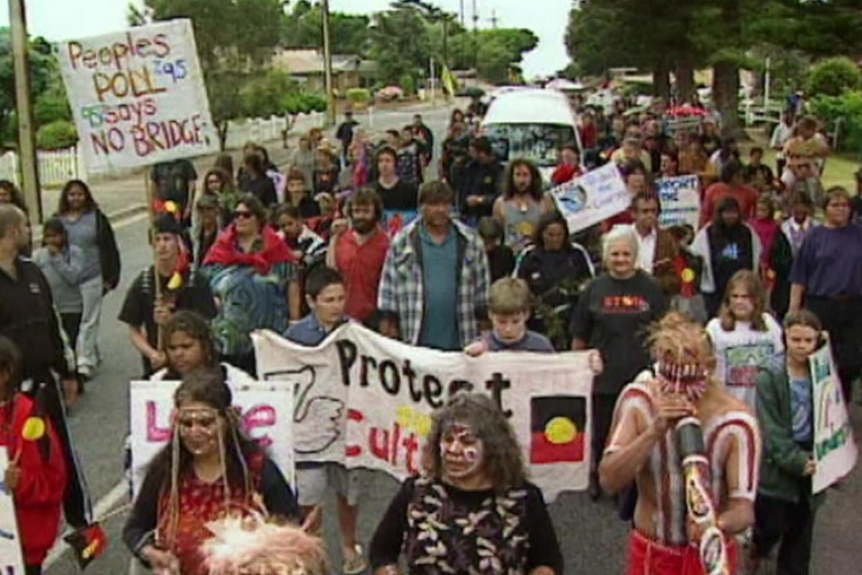
Protesters rally against the construction of the Hindmarsh Island bridge in 1995. (ABC News)
The women applied to the then-federal minister for Aboriginal affairs Robert Tickner to protect the site and he placed a 25-year ban on the bridge’s construction.
Shortly after, a separate group of Ngarrindjeri women came forward saying they had no knowledge of sacred sites of the island.
A 1995 South Australian royal commission was established to investigate the claims and ruled secret women’s business was “fabricated”.
Ms Saunders, who was head of the SA Aboriginal Legal Rights Movement at the time, remembers the day the verdict was given.
“I felt like just collapsing and my whole body was numb … I had no feeling left in me and that’s what they took away from me.”
Ngarrindjeri elder Ellen Trevorrow gave evidence to the commission and said the outcome impacted the entire community.
“I’m really disappointed of what had happened to our old girls, because us younger ones were always there with them, alongside of them listening to their stories,” Ms Trevorrow said.
“I [had] young boys that were going to school and were being called liars and fabricators.
“Importantly, we were in the time of reconciliation, what went wrong?”
Ngarrindjeri elder Ellen Trevorrow said it was an “emotional” day when the royal commission accused the women of fabricating claims of sacred sites. (ABC News: Lincoln Rothall)
The federal government passed legislation to prevent future cultural heritage claims on Hindmarsh Island and the bridge was built and opened in 2001.
Developers then sought damages for delays in the bridge’s constructions in the Federal Court, when Justice John von Doussa rejected the royal commission’s findings.
“I am not satisfied that the restricted women’s knowledge was fabricated or that it was not part of genuine Aboriginal tradition,” Justice von Doussa found in 2001.
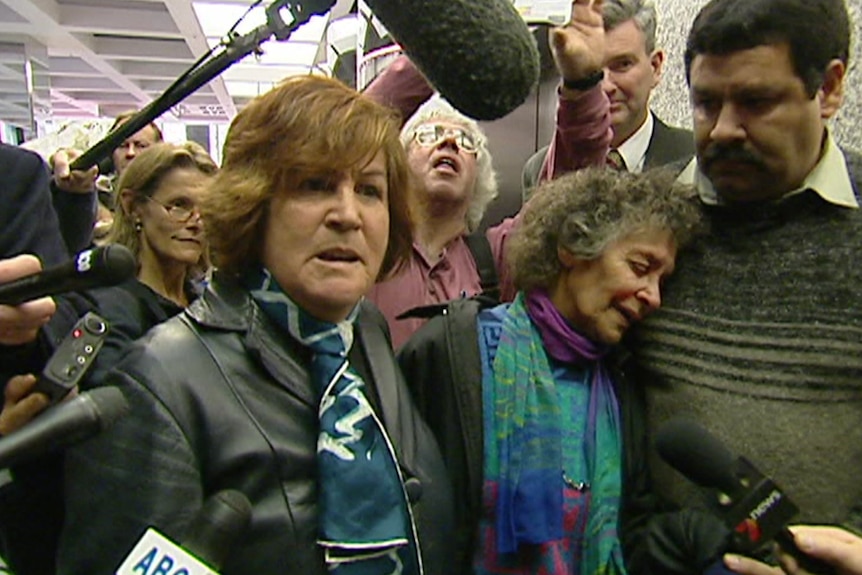
Sandra Saunders (left) and Doreen Kartinyeri (right) address the media after the Federal Court said it wasn’t satisfied restricted women’s knowledge was fabricated. (ABC News)
The SA government accepted the Federal Court’s decision in 2010, recognising that “Ngarrindjeri knowledge was a genuine part of Aboriginal tradition and was not fabricated”.
Turning pain into art
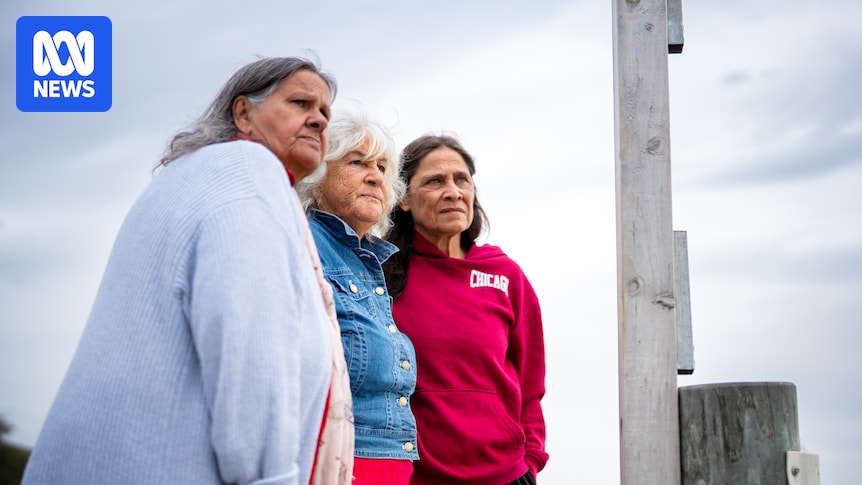
Sandra Saunders, Ellen Trevorrow and Margaret Brodie are among a group of Ngarrindjeri women at the centre of the Kumarangk project, a major artistic retelling of the Hindmarsh bridge story.
The project will feature three outcomes: an art exhibition, documentary and theatrical performance.
Ms Saunders said it’s the first time in 30 years she has returned to Hindmarsh Island.
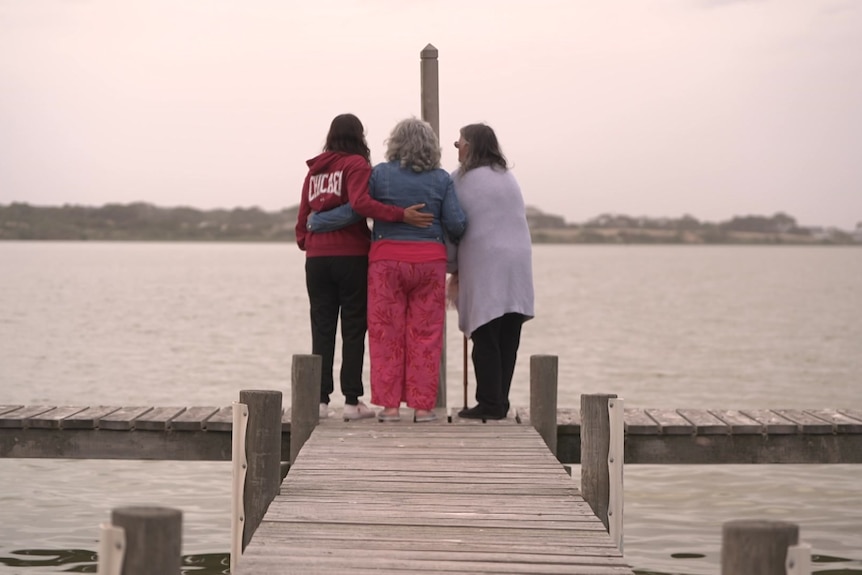
The women say reuniting at Hindmarsh Island has been a healing experience. (ABC News: Lincoln Rothall)
“The first time we got here there was lots of tears and it’s as if there was a sense of us coming together and healing and sharing our pain together again,” she said.
“We are still strong and we can still get out there and say we are not fabricators, Aboriginal women have Aboriginal places which are significant to them.”
Ms Brodie is the daughter of Veronica Brodie who fought against the bridge and felt compelled to finish her mother’s legacy.
“It’s torn a nation of people apart, especially the women,” Ms Brodie said.
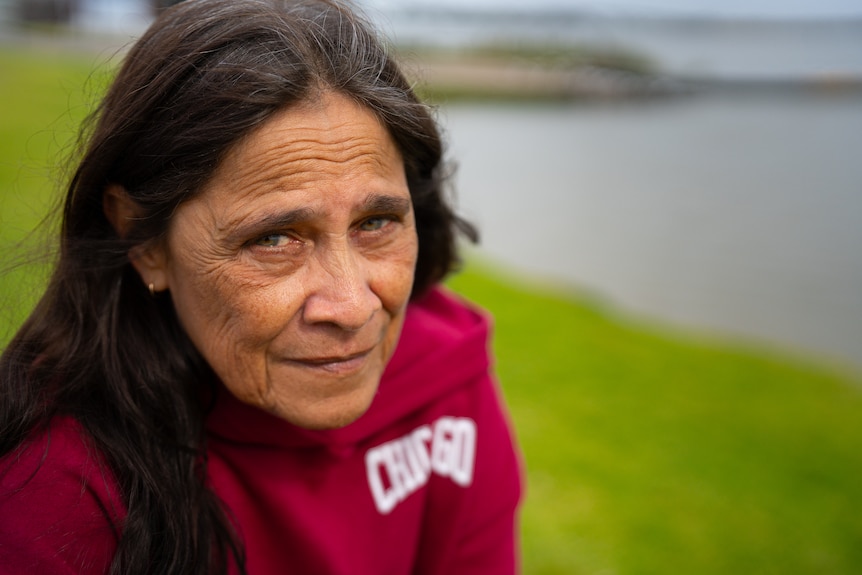
Margaret Brodie’s mother fought against the construction of the bridge. (ABC News: Lincoln Rothall)
“I sometimes feel we’re the lesser people, First Nations people, we don’t get the recognition that we want or we should have.”
“I tell my younger ones in the family that we don’t get inheritance, it’s the knowledge and the stories that we learn, that’s what we’re left with.”A story ‘dropped from living memory’
Creative producer and Ngarrindjeri man Dominic Guerrera said the women’s story has been widely misrepresented and the Federal Court ruling was met with a “chunk of silence” from the media.
“When it comes to Aboriginal stories and spirituality, there is a very deep dismissive behaviour or attitude towards it in Australia,” Mr Guerrera said.

Creative producer Dominic Guerrera said the project will give the women a platform to share their perspectives. (ABC News: Brant Cumming)
“I think this is a huge South Australian story and it’s kind of dropped the living memory of the state.”
The project will launch with an art exhibition at the Adelaide Contemporary Experimental, featuring weavings and paintings, some completed in the 1990s at the height of tensions over the bridge.
The documentary will premiere as part of the 2026 Adelaide Festival and a theatre performance is scheduled to be performed on Country in Goolwa in 2027.
Mr Guerrera said the works will also stand as a reminder of the ongoing battle to protect Indigenous cultural sites.
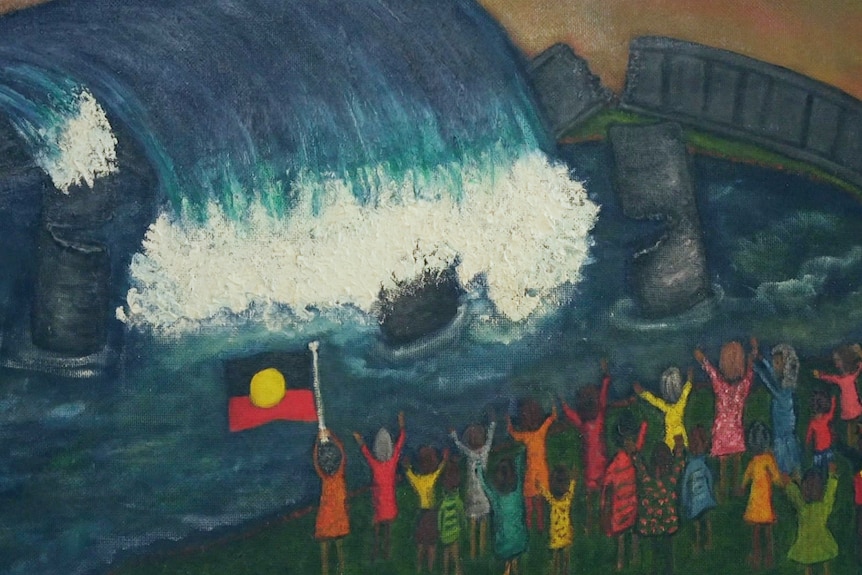
Artist Sandra Saunders has completed a new piece titled ‘Nature’s Justice’ for the exhibition. (ABC News: Brant Cumming)
“We haven’t learnt because there is Aboriginal artwork still being blown up that’s thousands of years old,” he said.
“Some of this work is older than the pyramids but you wouldn’t see this level of disrespect to something like that.”
Illira Wanganeen is the granddaughter of Doreen Kartinyeri, who led the women in their resistance to the bridge and died in 2007.
“She [Ms Kartinyeri] was on the news all the time, I’d come home from school and see nana on the TV and the way that she was portrayed was absolutely disgusting, it hurt all of us,” Ms Wanganeen said.
“It was like you were fighting an uphill battle, you had kicks from left, right and centre and media was coming at them, their narrative was really, really negative.”
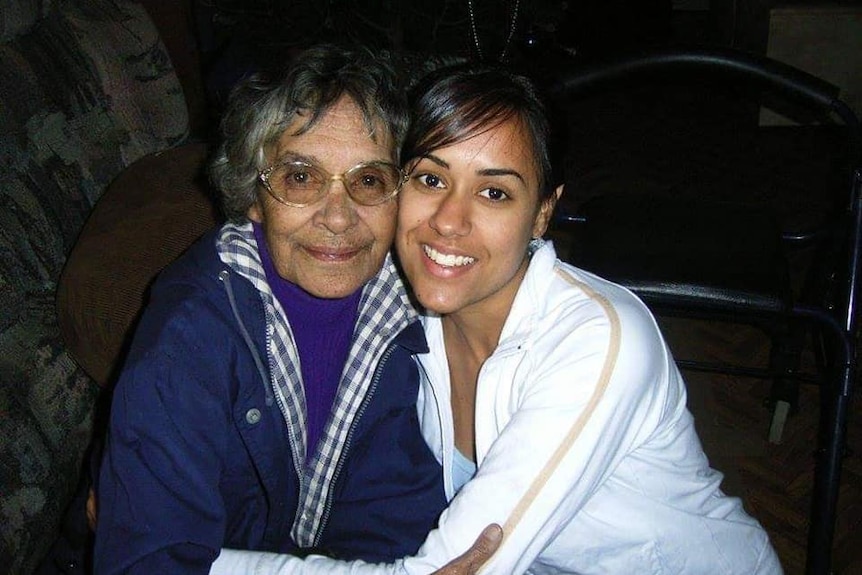
Doreen Kartinyeri and Illira Wanganeen. (Supplied: Illira Wanganeen)
Ms Wanganeen is representing her grandmother in the project and said she would have been excited the story is being remembered and passed onto the next generation.
“She would stand up for what’s right, she was would up for her culture, she would stand up for her family and especially country,” Ms Wanganeen said.
“That journey was a very difficult one but there were positive aspects that were woven throughout … it did bring a lot of the community together.”