
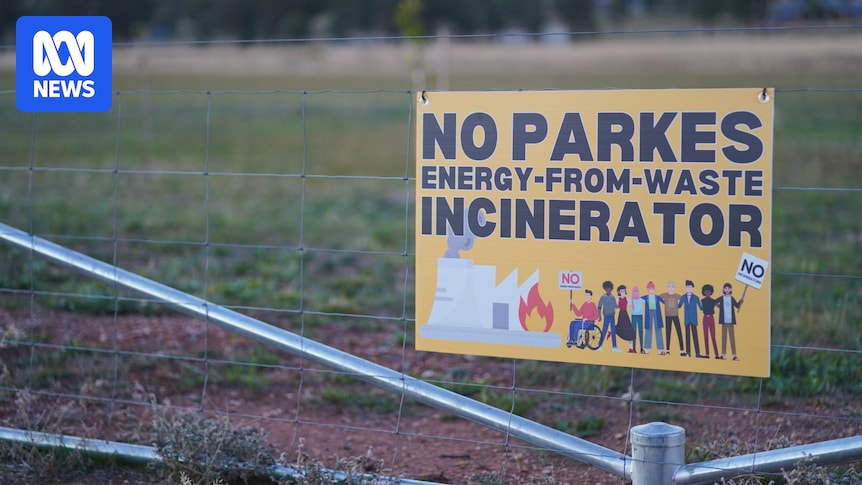
The Parkes Shire Council has formally objected to controversial plans to dispose of some of Sydney’s red bin rubbish on the edge of its biggest town.
Mayor Neil Westcott lodged a mayoral minute at Tuesday’s council meeting, calling for his fellow councillors to oppose a planned waste-to-energy plant.
The motion was unanimously supported, and councillors adopted an amendment objecting to any waste-to-energy facility in the Parkes Shire.
“The members of the council voted unanimously to pass that resolution that we do indeed oppose the energy from waste that was currently being planned for the Special Activation Precinct west of Parkes,” Cr Westcott said.
“There needs to be some rethinking on the state government’s behalf regarding this facility.”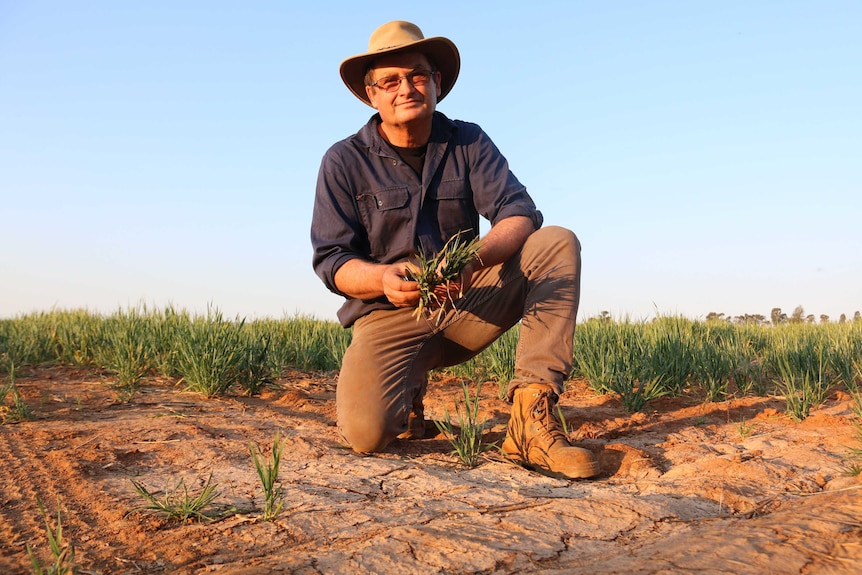
Mayor Neil Westcott is also a farmer, and is worried about health impacts on the community and environment. (ABC News: Nadia Daly)
Waste-to-energy facilities are among the options being considered by the NSW government, as some of Sydney’s landfills are expected to reach capacity by 2030.
A consortium of companies, Parkes Energy Recovery, was appointed by the state government in March 2025 to develop the project.
The consortium is preparing scoping studies and has not yet lodged a development application with the state’s planning department.
To date, the council has maintained a neutral stance and has sought information and assurances from the government regarding potential health and environmental risks.
“The polling around the shire has been that the majority of people have been against this,” Cr Westcott said.
“The whole shire can be thankful that there’s been a coming together, a unifying force to stand with the community.”
He said local, state, and federal MPs have also declared their opposition to the proposed plant in Parkes.
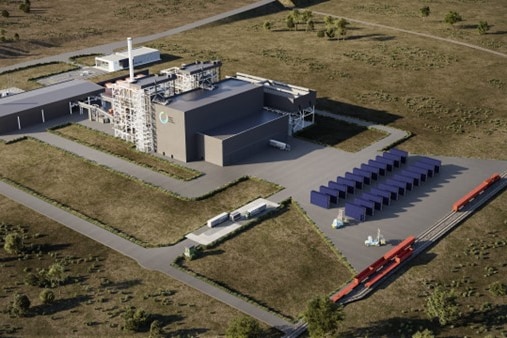
The plant would be built a few kilometres from Parkes and process 700,000 tonnes of Sydney’s red-bin rubbish each year. (Supplied: Parkes Energy Recovery )
Banned in Sydney
One of the council’s key concerns is the NSW government’s decision to prohibit waste-to-energy facilities in the Greater Sydney basin, but allow them in four regional locations.
In 2021, the then-state government passed legislation banning the plants, and in 2022, four precincts in regional NSW were selected to host the facilities.
The other sites are Tarago near Goulburn, Wallerawang in the Lithgow district and Tomago in the Hunter Valley.
The Goulburn Mulwaree and City of Lithgow councils have already publicly declared their opposition to incinerators.
Cr Westcott said his fellow councillors also voted to support calls for greater transparency and clarification as to why the facilities are not allowed in Sydney.
“[There was also] a call for a moratorium, a rethink about this whole situation of not being able to have these in Sydney, or just having four regionally based areas that they can be built,” he said.
Community angst
A local community group, Parkes Clean Future Alliance, was created in the wake of concerns about the potential health risks posed by the project.
One of its founders, Ben Stead, used social media to thank councillors on Tuesday.
“It is a moment to breathe, acknowledge how much stress our community and the council have been under, and recognise what can happen when our community stands together,” Mr Stead said.
“If there is one positive to come from this ordeal, it’s the strength our community has shown thus far and the way people have banded together to stand up for what matters to Parkes.
“Thank you so much to all the councillors who have stood up for the Parkes community this year, and to all councillors today for voting unanimously. “
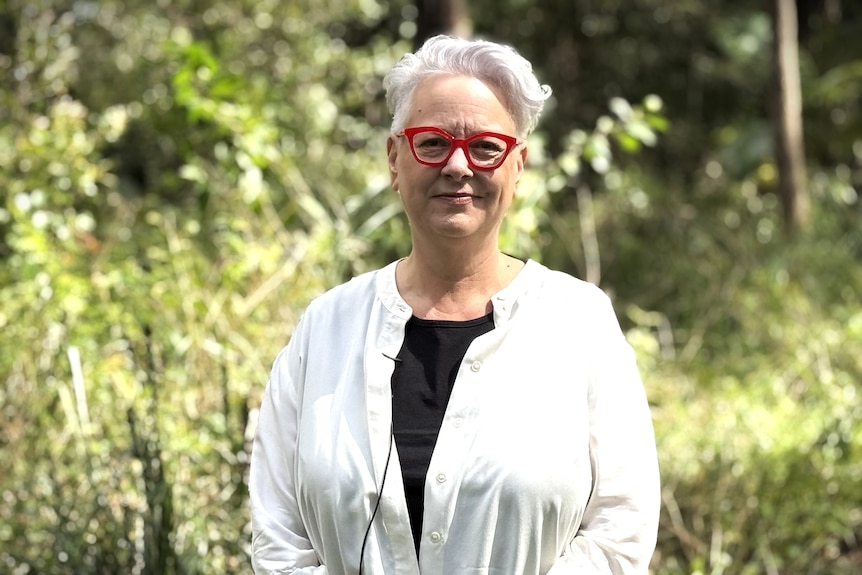
NSW Environment and Energy Minister Penny Sharpe has described the proposal at Parkes as a “hypothetical project”. (Supplied: Kylie Hands)
On a visit to nearby Orange on Friday, NSW Energy and Environment Minister Penny Sharpe described the proposal at Parkes as a “hypothetical project”.
“Until there’s actually a proposal in the planning system, it’s a hypothetical project,” Ms Sharpe said.
“It’s allowed to be built in that scenario under the policy we have around energy from waste.
“I’ve been dealing with and talking to the [Parkes] mayor a lot, and we’ll continue to do that, and we’ll move through those issues, but the proponent of the project has to actually deal with the community, explain to them what’s going on.”
Cr Westcott said the minister’s comments gave him some confidence.
“It gives me some heart that there is some flexibility in the government’s thinking, and it also tells me we have moved the motion at the right time,” he said.
“I haven’t spoken to her personally for many months; we have had a couple of letters exchanged, but I wouldn’t say that we’ve spoken regularly.”
Independent scrutiny
Councillor Westcott said the council wanted the incinerator to be assessed by the Independent Planning Commission (IPC) because the NSW government owns the proposed location of the plant.
The NSW Department of Planning, Housing and Infrastructure has written to the IPC asking it to provide advice to the Minister regarding declaring the project a State Significant Development (SSD).
Once this declaration is made, the project will be automatically referred to the IPC if the local council submits an objection.