

The annual rate of consumer inflation in Canada cooled slightly in January, according to the latest data, even as prices increased again — though at a slower pace — for food and other essentials.

The consumer price index (CPI) was 2.3 per cent last month compared with a year earlier, according to Statistics Canada. That’s down slightly from December’s reading of 2.4 per cent.
CPI reports calculate the average rate at which prices change for consumers every month for all goods and services in Canada.
“January’s headline number looks like a tidy downtick in the right direction, but the data tells a much messier story,” said Shannon Terrell, a personal finance expert at NerdWallet Canada in a written statement.
“The cost of gas dampened headline inflation because prices at the pumps were unusually high last January. Conversely, last year’s tax holiday has artificially inflated categories like restaurant, meals, toys and games, which appear to have popped in price in the interim.”
Story continues below advertisement
Falling prices for gasoline purchased at pumps helped the most with bringing down the overall inflation report, with Statistics Canada reporting an average drop of 16.7 per cent in January compared to a year earlier. That was a bigger decline in gas prices than the 13.8-per cent drop in December.
Food prices for items purchased in stores increased 4.8 per cent last month from a year earlier, which was down from five per cent in December. Falling prices for some fresh fruit, including berries, oranges and melons, contributed the most to this decline with a 3.1-per cent drop, and after increasing in December by 4.5 per cent.

4:56
Business News: Food prices expected to go up in 2026
Food purchased from restaurants increased 12.3 per cent in January compared with a year earlier, when the federal GST holiday was still in effect.

Get breaking National news
For news impacting Canada and around the world, sign up for breaking news alerts delivered directly to you when they happen.
From December 2024 to February 2025, Ottawa paused all federal sales taxes on restaurant meals and some grocery and alcohol items, as well as children’s clothing and footwear, diapers, toys, books and Christmas trees.
Story continues below advertisement
Since Statistics Canada compares prices with the same data from a year earlier, this means last year’s GST holiday may be clouding the most recent economic report.
Conservative Leader Pierre Poilievre on Tuesday issued a written statement addressed to Prime Minister Mark Carney after the CPI report was released.
More on Money
More videos
“This week, Canadians will go to the grocery store to stock their fridges and pantries with food to feed their families. But as they navigate through the aisles, they will be confronted with higher prices than ever before,” said Poilievre.
“It is time for your government to take decisive action before the situation gets even worse for Canadian families. We are ready to work with you to make this happen with a plan that reduces taxes affecting the price of food and increases competition to restore nutritious, affordable meals for Canadians.”
Trending Now

France suspends Crinon after fight vs Canada

Shooting at Rhode Island ice rink kills 2 during youth hockey game: police
Last month, Carney launched the Canada Groceries and Essentials Benefit, which includes topping up regular GST credits for qualifying Canadians and an additional one-time payment. The benefit is intended to give lower income Canadians more money back to help pay for day-to-day needs, including food and shelter costs.
Shelter prices, which include rents and mortgage interest, increased 1.7 per cent in January, which Statistics Canada says was the first time in nearly five years the monthly increase has fallen below two per cent. Rent prices rose year over year by 4.3 per cent last month compared to 4.9 per cent in December, and mortgage interest rates increased 1.2 per cent compared to 1.7 per cent in December.
Story continues below advertisement
3:27
Business News: Interest rate predictions
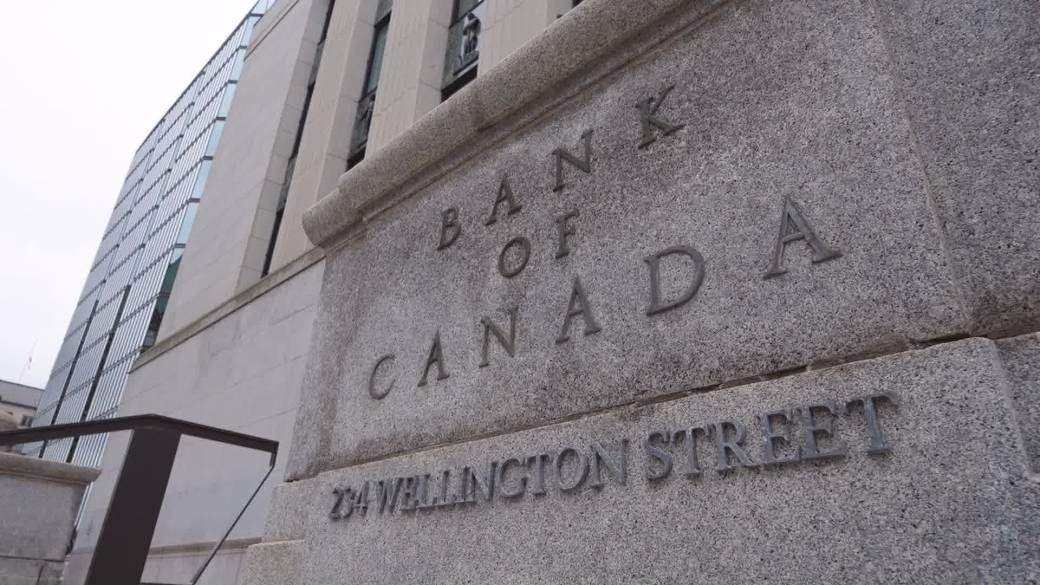
This also comes after the Bank of Canada held its benchmark interest rate at 2.25 per cent for the second straight meeting in January, which effectively left mortgage rates mostly unchanged after rates were cut a total of one per cent in 2025.
“Shelter costs have dipped below two per cent for the first time in nearly five years — an encouraging sign that the Bank’s rate cuts are offering meaningful relief,” said Terrell.
“Less encouraging are grocery prices, which continue to swell at double the rate of headline inflation. For Canadian households already stretched thin, the relentless price pressure of the grocery aisle continues to be where real inflation takes its toll.”
On average, consumers paid 4.9 per cent more for cellular services last month after increasing 14.6 per cent a year earlier. January 2025 marked the sixth straight month of rising cellular service costs for Canadians, according to Statistics Canada.
Story continues below advertisement
Compared to December 2025, cellular service prices declined 0.8 per cent.
© 2026 Global News, a division of Corus Entertainment Inc.