
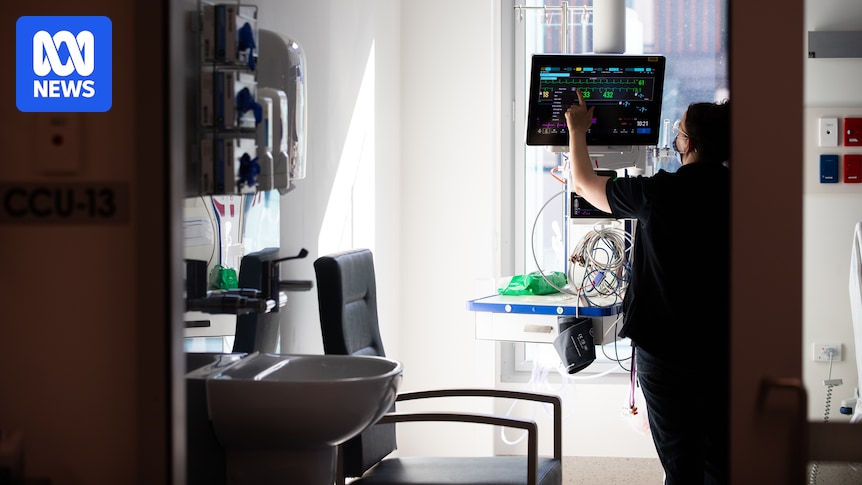
Almost half the doctors working in Queensland’s public health system are at risk of experiencing burnout, according to a new survey.
Health Minister Tim Nicholls has acknowledged the job of public health clinicians is “getting tougher” and has conceded they are facing greater demands.
Queensland health boss on biggest workforce and ramping
Queensland Health carried out an internal review of its medical staff, and it found 49 per cent of the doctors surveyed met the threshold of the risk of burnout.
According to the department, the risk was higher in rural and regional areas compared to metropolitan locations.
Mr Nicholls said he was not “comfortable” with the survey result and that it identified areas where the government needed to make improvements.
“That’s why doing that survey, which is the first time that it has been done to such an extent in Queensland Health, has been so important,” he said.
“It is not acceptable.
“And that’s why we have done such an extensive piece of work on our workforce gap analysis and that is why we’re spending the time on a workforce plan.”
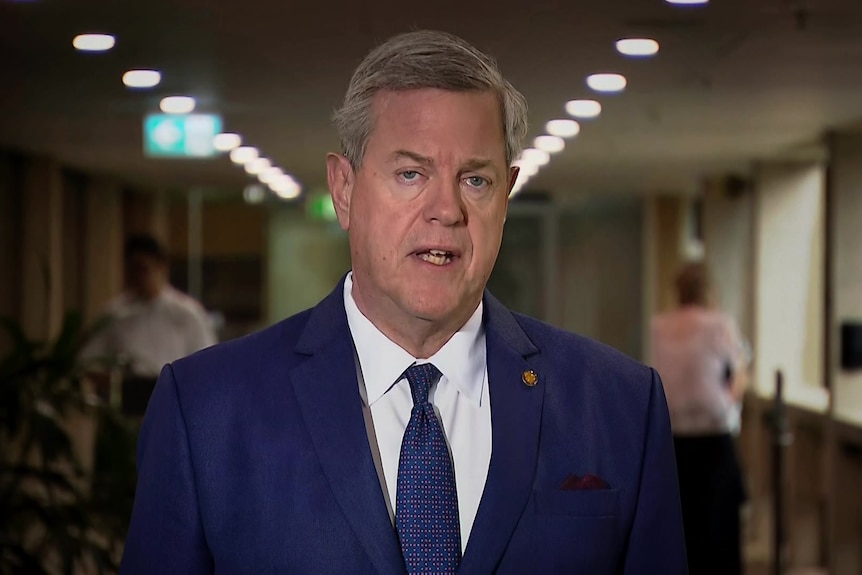
Mr Nicholls says the results of the survey were “not acceptable”. (ABC News)
Mr Nicholls also noted, though, the rate of “professional fulfilment” in rural locations was 10 per cent higher compared to metropolitan and regional services.
“What that backs up is what I hear on the ground as I travel through regional and rural and remote Queensland,” he said.
“The clinicians in our rural facilities love what they do for their local community. They’re invested in it. It’s their community.”Survey results to drive ‘meaningful change’
The survey was conducted last year and involved responses from more than 2,000 doctors.
Australian Medical Association Queensland president Nick Yim said it was deeply concerning almost half of the health workforce was at risk burnout.
He said the situation was worsening.
“We hear from the doctors on the ground it’s the increased workload, increased complexity,” Dr Yim said.
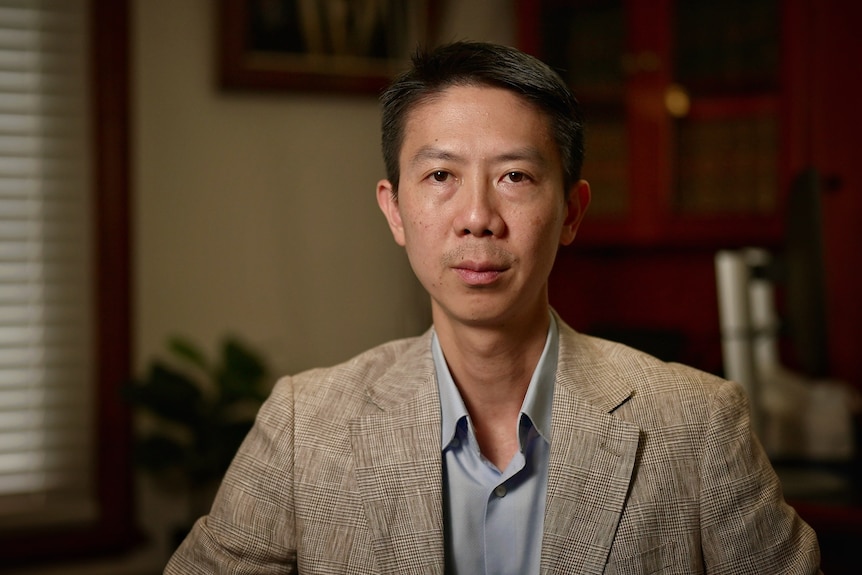
Nick Yim says the situation is getting worse rather than better. (ABC News: Mark Leonardi)
“This is heightened in our regional and rural communities where they are often doing multiple back-to-back on calls.”‘
The survey was conducted internally and Queensland Health has not released the full results.
According to the department, participants in the survey ranked workload as the key driver that negatively impacted their wellbeing.
An increase in staffing, flexible work arrangements, and improved access to leave were among the changes the workforce indicated they wanted.
Chief Medical Officer Catherine McDougall said burnout in the medical profession was not unique to Queensland.
“We recognise more needs to be done to support our workforce, and this survey is guiding meaningful change for the wellbeing of our medical workforce no matter where they are in Queensland,” she said.
“Tailored reports will be provided to individual Hospital and Health Services for local leadership to review and action as an important first step.”