
She’s worried about the a-rock-alypse.
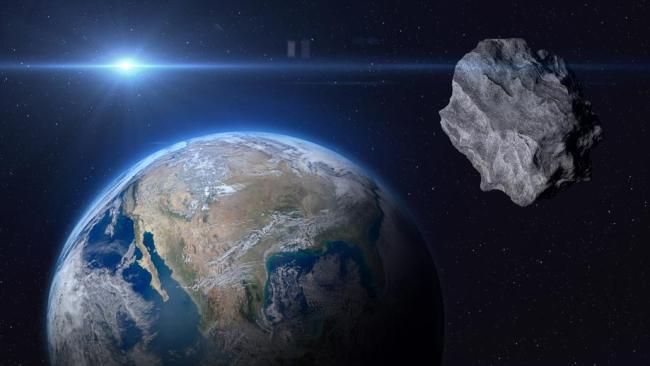
A planetary defense expert is warning that humanity is defenseless against up to 15,000 undetected near-Earth asteroids that have the potential to take out a city.
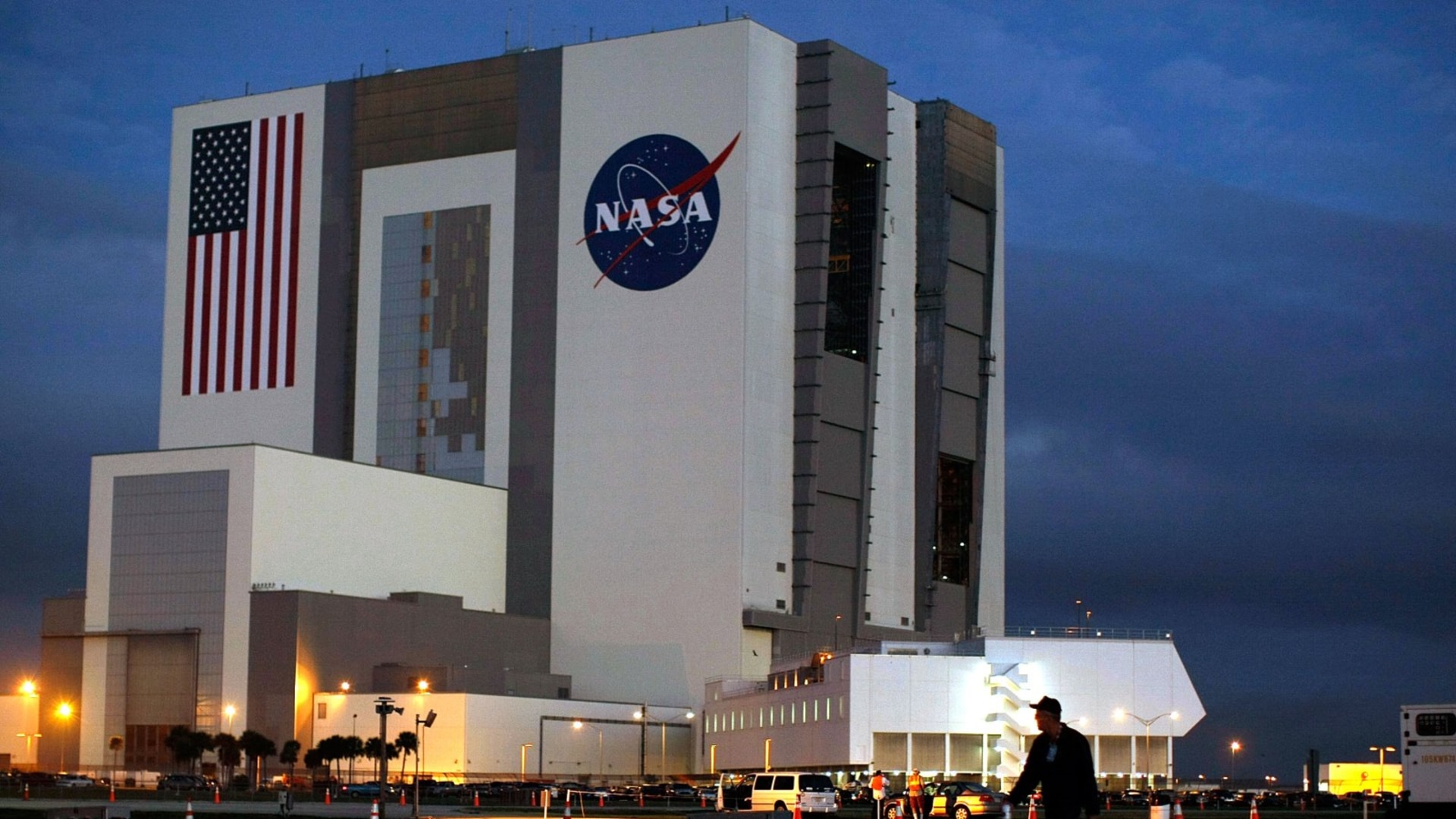
“What keeps me up at night is the asteroids we don’t know about,” warned Kelly Fast, a planetary defense officer at NASA, while addressing the American Association for the Advancement of Science (AAAS) in Phoenix, Arizona, the Daily Star reported.
Fast clarified that she’s not worried about the “large ones” as they know “where they are,” or the small stuff that’s “hitting us all the time.” Rather, it’s the space rocks that measure around 500 feet that concern her because they’re small enough to avoid detection but large enough to make an impact.
The space defense expert said that these this mid-size asteroids, fittingly known as “city killers,” have the potential to cause “regional damage,” The Times Of London reported.
According to Fast, there are around 25,000 of these interstellar in-betweeners passing within our planet’s vicinity, and we only know the location of around 40%.
She said that their inconvenient size makes them hard to detect “even with the best telescopes” as they accompany Earth in orbit around the Sun, preventing them from reflecting sunlight.
To circumvent this problem, scientists are planning to deploy a “Near-Earth Object Surveyor space telescope,” launching next year.
It uses thermal signatures to spot dark asteroids and comets that were previously hidden from our planet.
Fast said it was her responsibility to “find asteroids before they find us” and potentially develop methods of “getting asteroids before they get us.”
Unfortunately, even if scientists did manage to detect these incognito space stones, there might be little we could do to stop them.
In a groundbreaking 2022 experiment, NASA purposefully crashed a spacecraft called Dart (Double Asteroid Redirection Test) into the mini moon Dimorphos at 14,000mph, proving that asteroids could be knocked off course.
However, Dart mission leader Nancy Chabot suggested this defense mechanism would be difficult to replicate with a “city killer” as they don’t have one of these deflector crafts “sitting around ready to go.”
“We would not have any way to go and actively deflect one right now,” rued Chabot, a planetary scientist at Johns Hopkins University.
However, she doesn’t foresee space agencies investing in such a measure as they “lack the funding to keep planetary defenses on standby.”
“We could be prepared for this threat,” she warned. “We could be in very good shape. We need to take those steps to do it.”
We might need to formulate a plan sooner than we think.
Scientists warn that notorious city-killer asteroid YR4 — which has been on our radar since 2024 — has a 4% chance of striking the moon in 2032.
To prevent a lunar crash landing, space defense experts have proposed blowing it up with nukes like something out of the sci-fi thriller “Armageddon.”
Originally published as NASA scientist warns there’s no way to stop thousands of city-killing asteroids from striking Earth: ‘It keeps me up at night’