
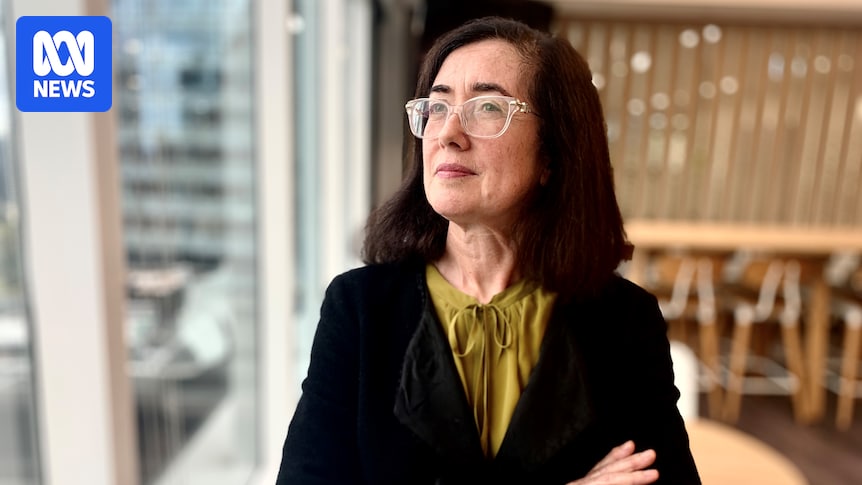
The consumer regulator is in the spotlight as its landmark court case against Coles plays out in Melbourne, with supermarkets and pricing claims to remain in the watchdog’s sights this year.
After taking Coles and Woolworths to court for allegedly misleading customers with fake discounts, the Australian Competition and Consumer Commission (ACCC) has outlined rebuilding consumer trust and making regulations easier for businesses to follow as priorities.
Ahead of a speech on Thursday, ACCC chair Gina Cass-Gottlieb said Australian consumers had lost a “significant amount of faith” in businesses and regulators.
Coles promotions slammed in court
Ms Cass-Gottlieb said the regulator wanted to support consumers to make more informed and confident decisions amid cost-of-living pressures.
“[Our priorities] recognise the pressures facing households and businesses, the pace of change in markets, and the need for regulatory responses that are evidence-based, proportionate to harm and effective,” she said in a statement.
Against the backdrop of rising inflation, Ms Cass-Gottlieb said consumers had been doing more research on product prices, but they were being harmed when advertisements and claims were not truthful.
“Accurate pricing information is fundamental to effective competition,” the watchdog chair said.
“When discount claims mislead, consumers cannot make informed choices and businesses that follow the rules may be disadvantaged.”Fake discounting is ‘pretty blatant’
The regulator’s landmark lawsuit against Coles began this week, with the regulator claiming that the supermarket giant’s customers were misled by fake discounts in its “Down, Down” promotions, and a near-identical lawsuit against Woolworths has been set for April.
On Wednesday, a former Coles manager admitted the supermarket giant broke its internal guidelines by putting Arnott’s Shapes on a “Down Down” promotion faster than what was allowed, blaming “human error”, on the third day of the high-profile legal fight.
Briefing media ahead of a speech on Thursday, Ms Cass-Gottlieb said alleged fake discounting by retailers had been “pretty blatant”, particularly during sale periods such as Black Friday.
But she acknowledged that businesses and consumers needed to have a “shared understanding”, and that when it comes to the regulatory environment, “businesses are overwhelmed by complexity”. Instead of talking about deregulation, she referred to “right-sized regulation”.
Here’s what’s at stake when the ACCC takes Coles to court
The ACCC also has in its sights digital marketplaces such as Amazon, Temu and Shein.
Ms Cass-Gottlieb emphasised the need for better competition in digital marketplaces and safety standards, and proposed rules similar to those in the UK, Japan and the EU, which give consumers more choice.
She said Australia should “harmonise” with international safety standards, to boost innovation in Australia, as well as allow more international goods into the domestic market to lower consumer prices.
The ACCC’s focus on targeting so-called “manipulative online practices” is in response to a “rise in unsafe consumer goods available right across our economy facilitated by the increasing scale and reach of digital markets”, the regulator said.
Greenwashing still on regulatory radar
The regulator has targeted the flimsy sustainability claims of businesses, highlighting the fact that consumers are unable to validate every claim themselves.
ACCC accuses popular sunscreens of greenwashing
Companies such as Banana Boat, Australian Gas Networks, and Clorox have found themselves going toe-to-toe with the ACCC in court over alleged greenwashing.
Ms Cass-Gottlieb also highlighted other areas of concern that the regulator will prioritise this year, including aviation, unfair consumer contract terms, motor vehicle consumer guarantees, and promoting competition in essential services such as electricity and gas.