
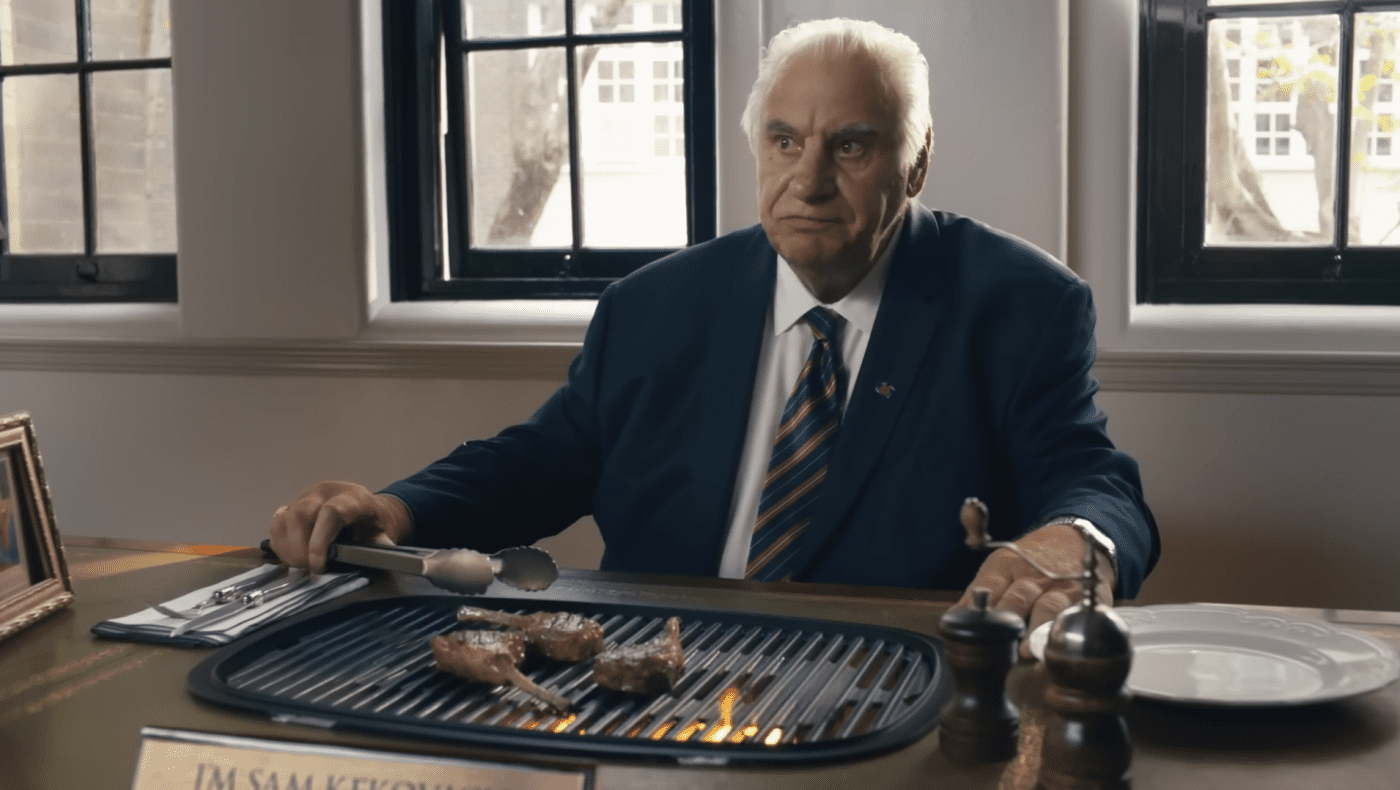
MEAT & Livestock Australia’s 2026 lamb advertisement celebrated Australian national happiness but didn’t manage to please everyone, according to Australia’s advertising regulator.
Ad Standards said it received complaints in late January claiming the television advertisement was dangerous because it depicted the use of a barbecue indoors, raising concerns about carbon monoxide poisoning.
However, after putting the advertisement under the grill, the Ad Standards Community Panel ultimately found it did not breach advertising rules on health and safety.
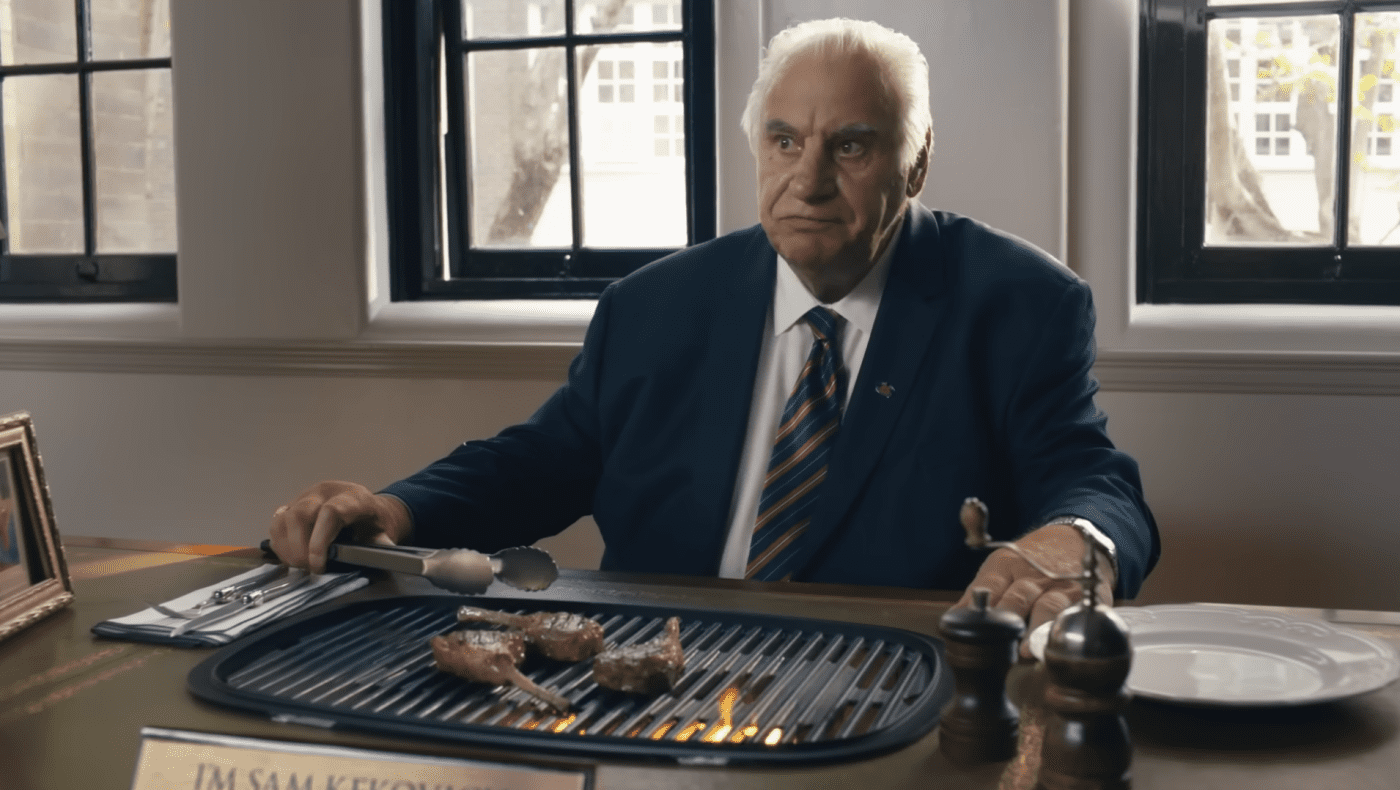 Complaints (the actual number of complaints was not divulged) claimed commercial showed behaviour that could be unsafe if copied, particularly given well-known risks associated with using barbecues in enclosed spaces.
In its written decision, Ad Standards acknowledged that emergency authorities regularly warn that outdoor barbecues should never be used indoors because carbon monoxide – a colourless, odourless gas – can build up quickly and cause serious illness or death.
MLA response: Scene was clearly fictional
In its response, Meat & Livestock Australia argued the advertisement was not promoting unsafe behaviour and should be viewed in context.
 It maintained the scene was clearly and overtly humorous, in keeping with the long-standing tendency of MLA lamb ads to use satire and tongue-in-cheek jokes to poke fun at Australian popular culture and national idiosyncrasies.
The barbeque was clearly fanciful, and viewers would realise that office desks with integrated barbeque grills do not exist in the real world. The overall impression was that the scene is farfetched and utopian, not true to life or instructive in any way.
Decision: Complaint not upheld
After reviewing the material, the Ad Standards Community Panel sided with MLA and dismissed the complaint.
The Panel said it considered whether the advertisement breached Section 2.6 of the AANA Code of Ethics, which requires that advertising must not depict or encourage unsafe behaviour contrary to prevailing community standards.
In this case, the Panel determined the advertisement did not cross that line.
Key to the decision was the overall tone and context of the commercial, with the Panel finding the scenario was unlikely to encourage viewers to replicate the behaviour.
“The Panel noted elements such as an uncanny resemblance between the so-called ‘leader’ and the portraits in his office, his insistence that he is ‘very busy’ when he is actually barbequing, the silly examples used to show how happy Australia is, and the sarcastic comments about typical Australian idiosyncrasies.
“The Panel considered that these were similar to parody movies and exaggerated comedy skits. In this context, the Panel considered that the ad featured clearly exaggerated and fantastical elements, which the audience would likely interpret to be for comedic effect, rather than a depiction of or encouragement of unsafe behaviour. Panel decision On this basis, the Panel concluded that the ad did not breach section 2.6 of the AANA Code of Ethics.”