
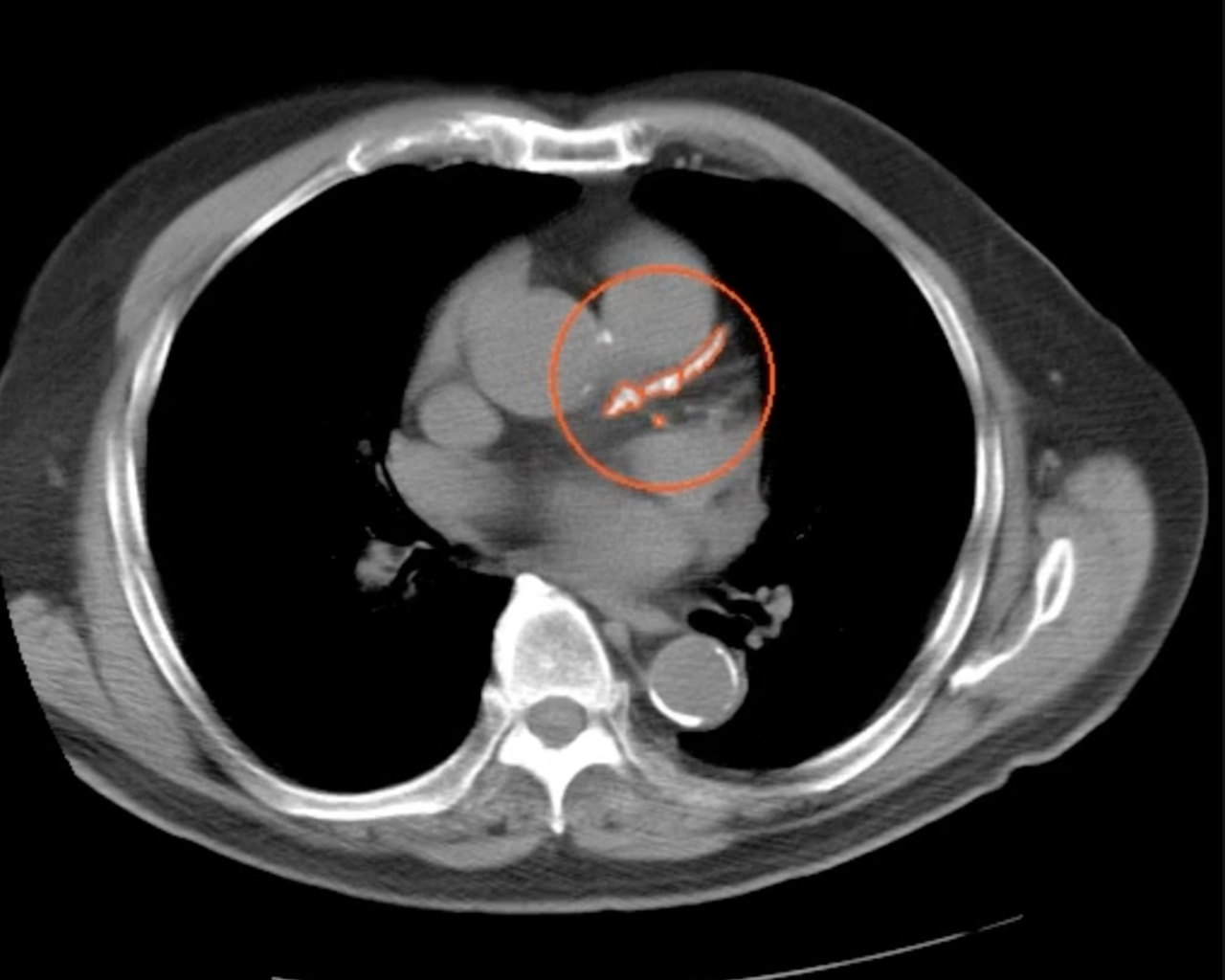
A Michigan health system is turning to AI to help identify patients at risk of cardiovascular disease, without those patients needing to come in for additional testing.
McLaren Health Care plans to launch a new screening program that will assess CT scans already on file within the system and flag patients who might benefit from early intervention, before symptoms of heart disease appear. The program is expected to be live by late February or early March, doctors said Wednesday, Feb. 18.
Health officials estimated that thousands of high-risk patients will be identified within the first year of the program, lining them up for preventative care.
“By using the clinical information already available to us, this program enables us to identify patients who may benefit from earlier follow-up, often before symptoms appear, and ensures they are connected to the right care at the right time — helping to close critical gaps in detection, improving those patients’ long-term outcomes and overall quality of life,” said Dr. Samer Kazziha, chief medical director of the McLaren Heart & Vascular Institute.
The AI-powered Carebricks platform is part of a partnership with Bunkerhill Health, a California-based biotech company. It uses algorithms approved by the U.S. Food and Drug Administration (FDA) to measure incidental coronary artery calcium and incidental aortic valve calcium — indicators for common forms of heart disease that can worsen over time if left untreated.
In its first year, McLaren plans to have the program screen about 40,000 CT scans that were performed for other medical reasons from the last year. That could be for complaints of trouble breathing or chest pain, or to look for signs of pneumonia or lung disease.
Opportunities to detect heart disease early have largely been missed due to the need for specialized CT imaging scans and time-consuming reviews by a clinician. The new program will greatly speed up that process and allow for more patients to be screened.
Dr. Justin Klamerus, McLaren’s chief clinical officer, likened the program to the discovery of DNA “in terms of its transformative powers for medicine.”
“Much of cardiovascular disease is preventable if we could recognize signs earlier,” Klamerus said.
McLaren said it’s the first Michigan health system to deploy the AI program for scanning existing CT scans. Health systems across the country are experimenting with AI to improve business and clinical operations, including for medical documentation during patient appointments.
In the U.S., cardiovascular disease is the No.1 killer annually. It was responsible for 26,221 deaths in Michigan in 2024, or about 25.5% of all deaths.
McLaren has facilities throughout the state, including in Bay City, Caro, Cheboygan, Clare, Flint, Lansing, Lapeer, Mount Clemens, Mount Pleasant, Petoskey and Pontiac.