
Introduction by Croakey: Social media has transformed the way public health authorities communicate health information, but it is far from a silver bullet. There are still many questions about how it can be used most effectively, and about how to balance its benefits and harms especially during health crises.
Dr Babatunde Balogun, a doctoral graduate of the University of Tasmania, has studied international and Australian digital public health communications strategies during the COVID-19 pandemic to understand how social media was used in health messaging and how it was received.
In this article he shares some of his findings about the initial lack of planning for social media communications, what eventually did and didn’t work to engage people, and how we can improve social media strategy for the next global health crisis.
Babatunde Balogun writes:
From the outset of the COVID 19 pandemic, health authorities recorded exponential growth in their social media followers. United States public health departments and the Italian Ministry of Health experienced 150 percent and 568 percent increases in public followers respectively within weeks of the outbreak.
In Australia, Tasmania’s Department of Health reported a 452 percent increase in Facebook followers within the first six months.
However, the public had trouble finding the right answers to their questions about the crisis, particularly during the first few years.
Although research shows health authorities steadily increased their volume of social media messages as the pandemic evolved, they also had a swirling flood of information, including mis- and disinformation, to compete with.
To worsen the situation, little was known initially about the disease. This created significant public uncertainty and knowledge gaps, intensifying a demand for reliable health information which authorities could not readily respond to.
The coronavirus infodemic
Thus, the stage was set for what the Director-General of the World Health Organization (WHO), Dr. Tedros Ghebreyesus, later described as a ‘coronavirus infodemic’ – an anomaly of information overload that mixed correct and false pandemic information which people were unable to distinguish easily.
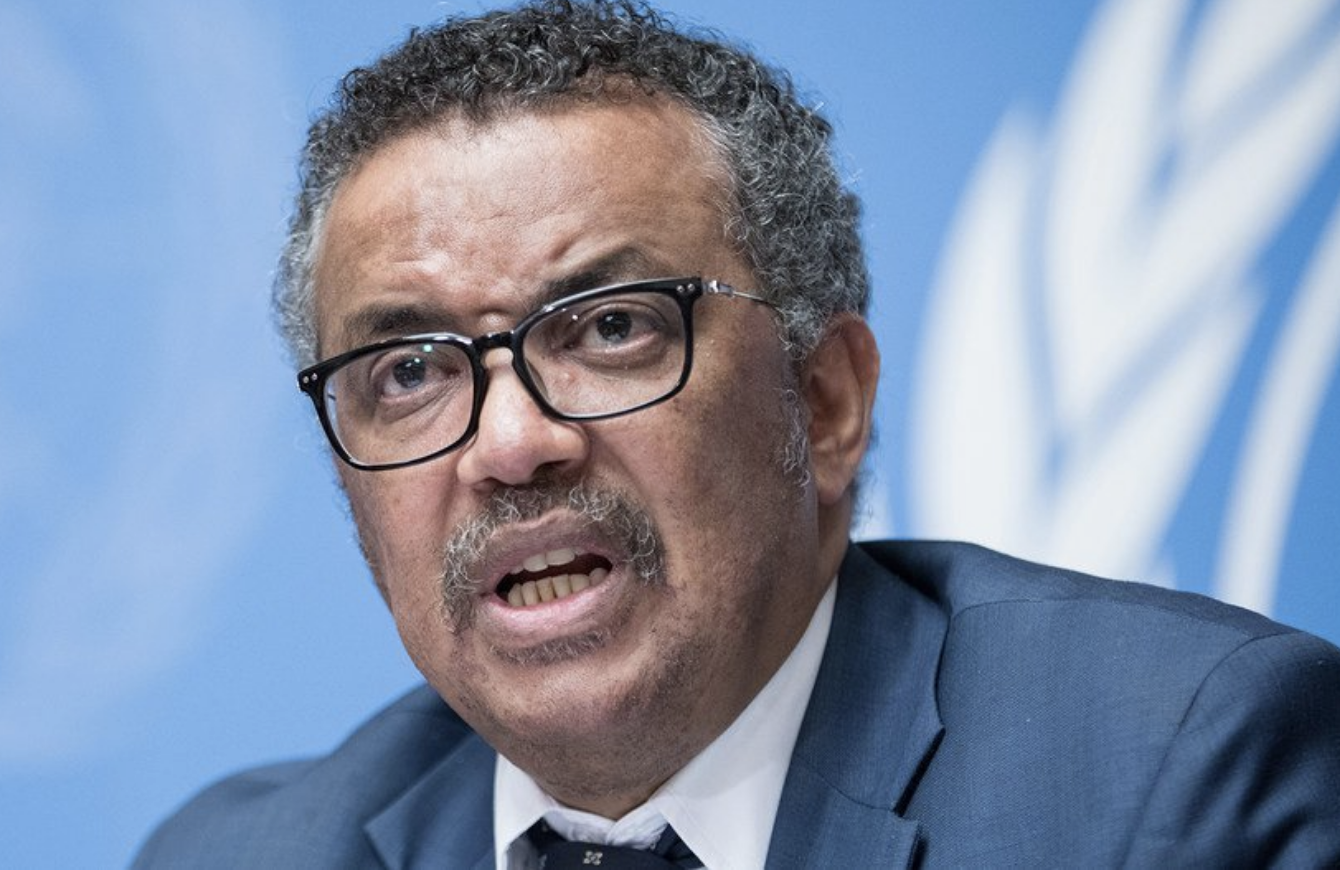 WHO Director-General Dr Tedros Adhanom Ghebreyesus: UN Photo/Elma Okic
The public became overwhelmed with anxiety due to confusion, reducing their willingness to comply with authorities’ guidelines.
Furthermore, the pandemic eventually proved to be a protracted public health crisis, the effects of which continue to reverberate.
The latest Australian Respiratory Surveillance Report indicates that although COVID-19 cases and deaths have declined considerably, the disease has remained the leading cause of acute respiratory infection mortality for the last three years.
The pandemic’s prolonged nature precipitated message fatigue, leading the public to disengage from COVID-19 related social media content and to increasingly disregard public health information.
Lack of platform action
Exacerbating the crisis, international research on the benefits and harms of social media suggests social media companies paid lip service to ensuring a safe information environment.
Civil society groups found platform companies failed to prevent the circulation of mis- and disinformation and so were a threat to public health. Research suggests they took too long to respond to requests for removal of misinformation and offered minimal substantive action to promote the dissemination of factual content.
Indeed, eSafety Australia found that about half of interviewees from its May 2020 survey of Australian adults did not know which social media sources to trust for pandemic information.
Improving health communication
Apparently, public health authorities did not heed previous calls to prepare for 21st century pandemics, particularly by addressing gaps in communication and public engagement during public health emergencies.
We know that another crisis cannot be ruled out. In the words of a previous Australian Health Minister Peter Dutton: “it is inevitable that the world will face another influenza pandemic. While there is no certainty about where or when the next one will occur, Australia must be prepared.”
So, what can Australia’s health authorities do to improve their use of social media for public health promotion and engagement during the next pandemic?
It’s a question that has driven much of my recent research.
I’ve worked in health communication for more than 18 years, including as a public health analyst on two electronic media outlets between 2020 and 2021 to raise public awareness about COVID-19 protocols.
Those experiences led me to complete doctoral research that explores and helps address gaps in pandemic communication.
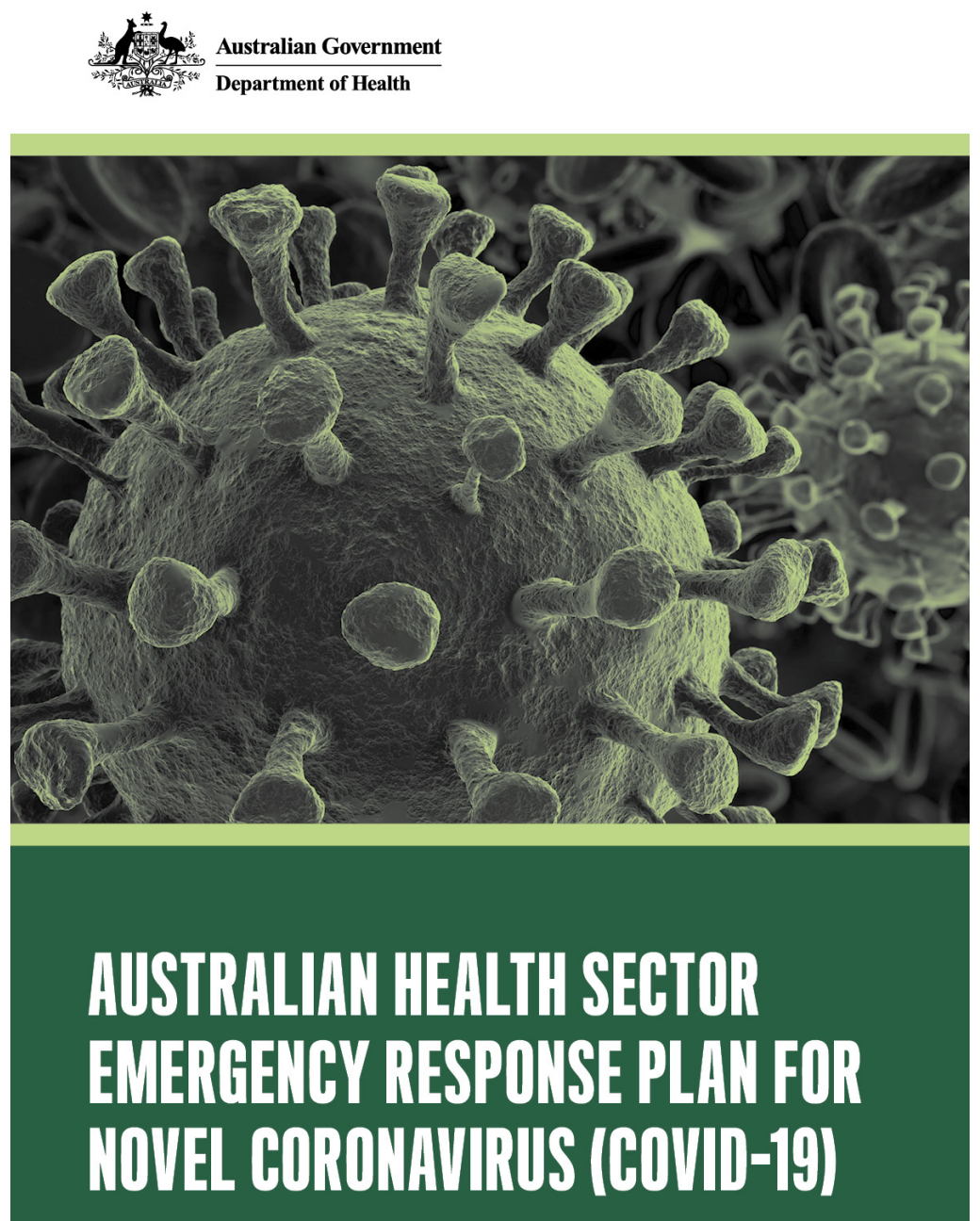
To understand how we planned pandemic communications, I analysed the public communication strategies in Australia’s COVID-19 dedicated national pandemic plan, the 2020 Australian Health Sector Emergency Response Plan for Novel Coronavirus (COVID-19). I also evaluated the publicly available plans from six jurisdictions.
What surprised me most was that many of the solutions to the chaos of the COVID‑19 social media landscape were not new at all; they were strategies we knew but failed to apply when it mattered.
Proactive planning needed
I found that social media communication during public health crises requires more proactive planning and the public’s involvement to achieve effective engagement.
My research showed that, although the COVID-19 pandemic management plans emphasised the significant public health risk, they sparingly articulated risk and crisis communication strategies to promote public health guidelines.
Specifically, they contained insufficient evidence of clear social media goals and metrics for those platforms to be used strategically or successfully. Thus, no campaign alerted the public to protective measures until weeks after the outbreak.
I conducted a similar analysis on the post-COVID reports of the Commonwealth and the eight political jurisdictions, along with health department Facebook activity.
I found that public health authorities gradually shifted towards strategic social media use. However, the reports mirrored the plans in that this messaging was largely more reactive than proactive.
Similarly, across both the plans and reports, the general narrative was that governments were responsible for putting public health measures in place, and the public had minimal involvement beyond compliance. Communication appeared more as just asking the public to ‘lend their ears’ than ‘have their say’.
As a result, I have recommended the need for a solid, living social media communications plan and during public health emergencies.
Humour grabs attention
I found that humour is a surprisingly versatile tool that helps important official directives cut through when attention is stretched thin. Analysing Facebook, X, and YouTube messages from the nine health departments, I identified six types of humour used to promote public health guidelines across the different stages of the pandemic.
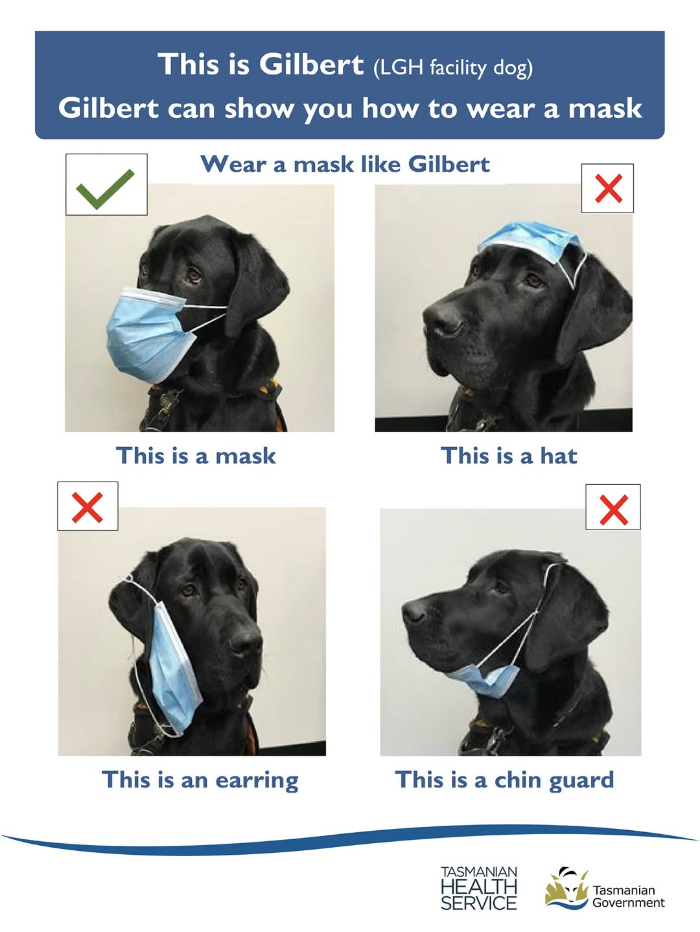
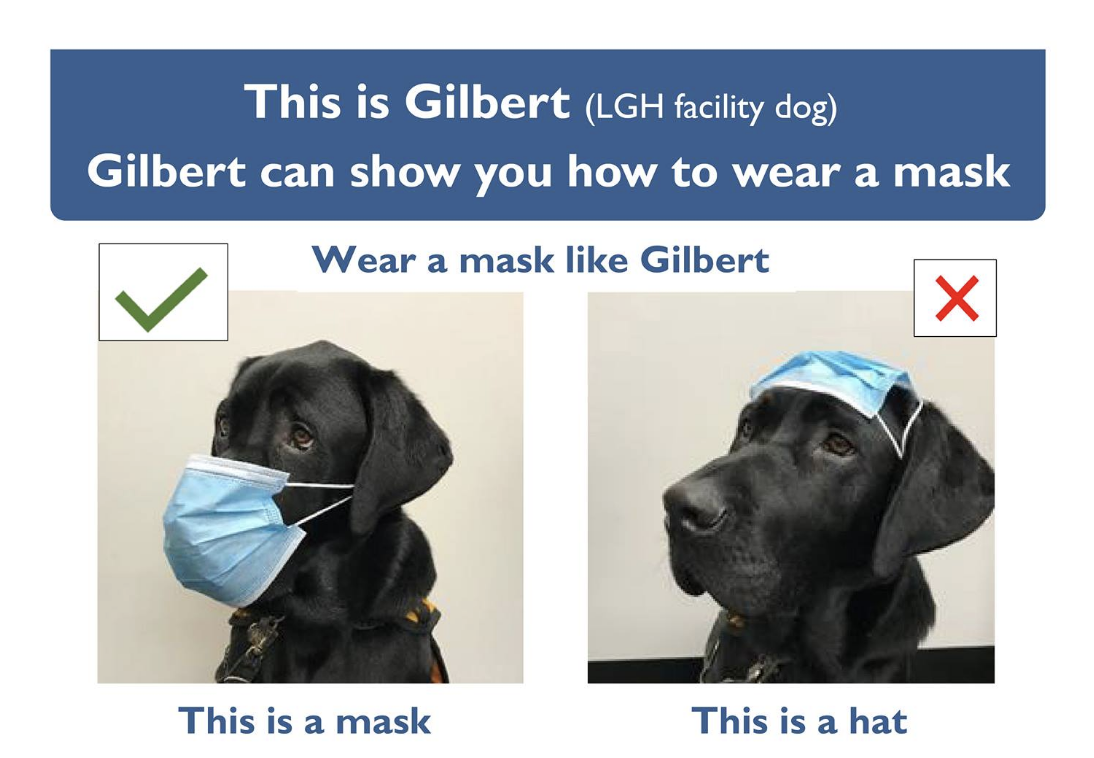
While humorous announcements aren’t a new thing in public health messaging, they act as attention grabbers and conversation starters. This is important when people are overloaded with information.
The messages I analysed also generated high public engagement, with our study suggesting that humour can play a positive role in pandemic messaging and management.
Humour promotes engagement
By analysing 2,530 Facebook root comments on six humorous social media messages, I found that people had different engagement behaviour patterns.
These interaction patterns reflect a complex interplay of their underlying attitudes to public health guidelines, their reasons for consuming the messages, and the humour types used.
I identified 11 patterns in the comments, four of which are linked to positive attitudes and based on a blend of hedonic, utilitarian, and social value-based motivations.
Given that those four patterns – trustful, recommending, cooperative, commending – accounted for 80 percent of the comments analysed, my research suggests that the public appears keen to engage positively with humorous public health messaging.
As a whole, this research underscores the value of strategic planning, audience engagement, and creative messaging to strengthen public trust and compliance in times of uncertainty.
It offers a pathway for Australia’s health authorities to achieve systemic improvements in their pandemic crisis communication protocols.
The next pandemic will test us again, but by adopting these strategies, Australia stands a far better chance of avoiding the communication failures that defined the last one.
Acknowledgements
Dr Balogun would like to thank his PhD supervisors: Dr Lin Yang, Tasmanian School of Business and Economics and Associate Professor Nenagh Kemp, School of Psychological Sciences, University of Tasmania; Dr Maria Agaliotis, School of Health Science, Western Sydney University and Associate Professor Anne Hogden, School of Population Health, University of New South Wales.
Author details
Dr Babatunde Balogun is a health management professional and researcher, with over 18 years of progressive experience across public health functions. He has developed broad expertise in health communication and currently works as a Research Officer on a FightMND-funded translational research project at the University of New South Wales. He’s contributing to the development of web-based decision support tools to guide people living with Motor Neurone Disease as they navigate treatment and care options. Babatunde completed his PhD at the University of Tasmania in 2025, focusing on improving the social media health communication capacity of public health service organisations during protracted crises.
See Croakey’s archive of articles on COVID-19.