
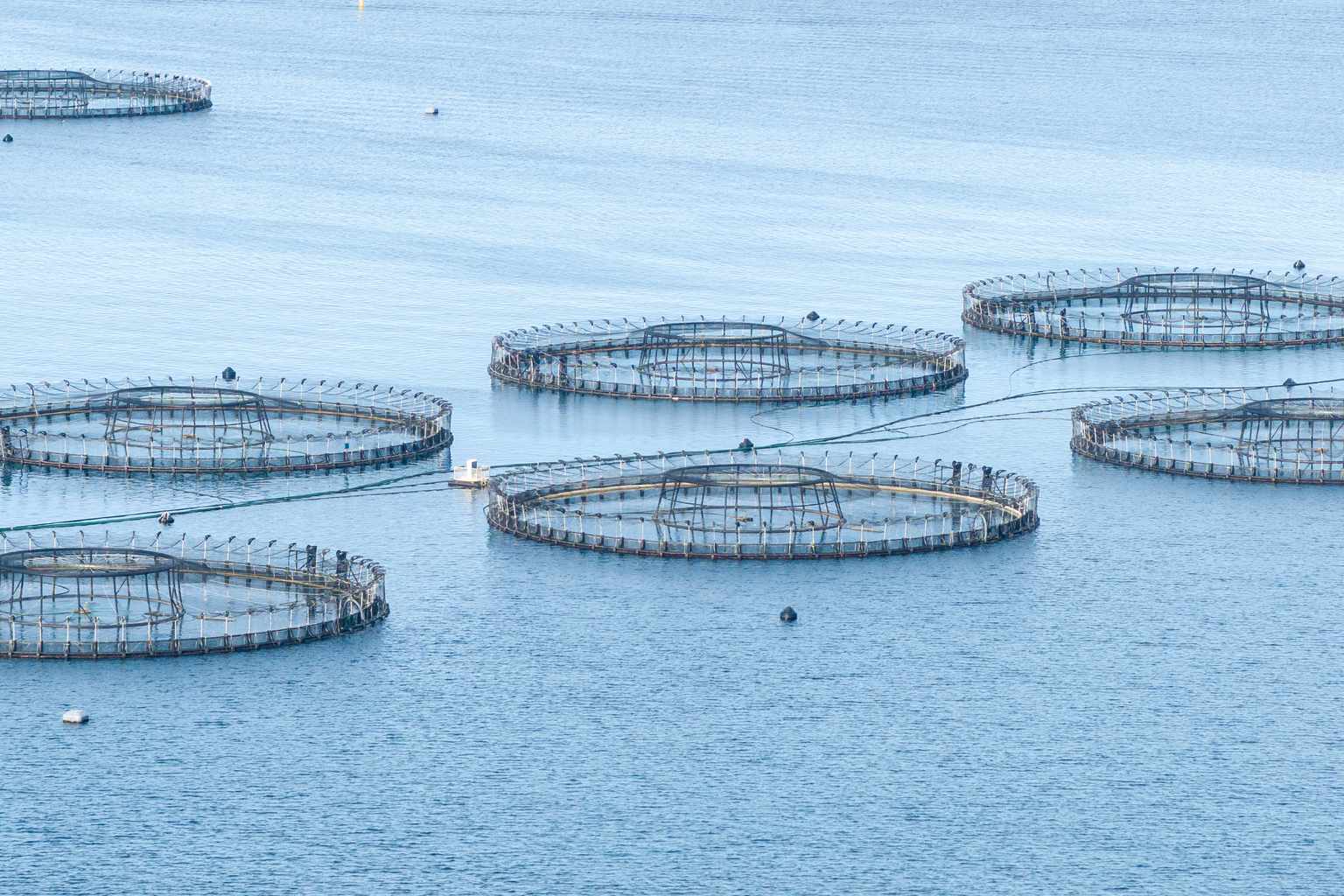
Traces of the antibiotic florfenicol have been detected up to 10.6 kilometres from fish pens.
Independent MP Peter George said he was “appalled” by findings presented during a parliamentary briefing on the antibiotic’s use by salmon companies.
“Yet more evidence has come to light that salmon industry reassurances about the limited impact of a new antibiotic have proven empty,” George said.
The antibiotic has been found in lobsters, abalone, sea urchins, whelks and bryozoans across southeastern waters.
 Peter George has slammed the salmon industry over the findings. Image / Pulse (File)
George claims regulators admitted they were ‘completely taken surprise’ at how widely the substance spread during a briefing on Wednesday.
“They say research papers had led them to believe there would be no – or very limited – spread of antibiotic residue,” George said.
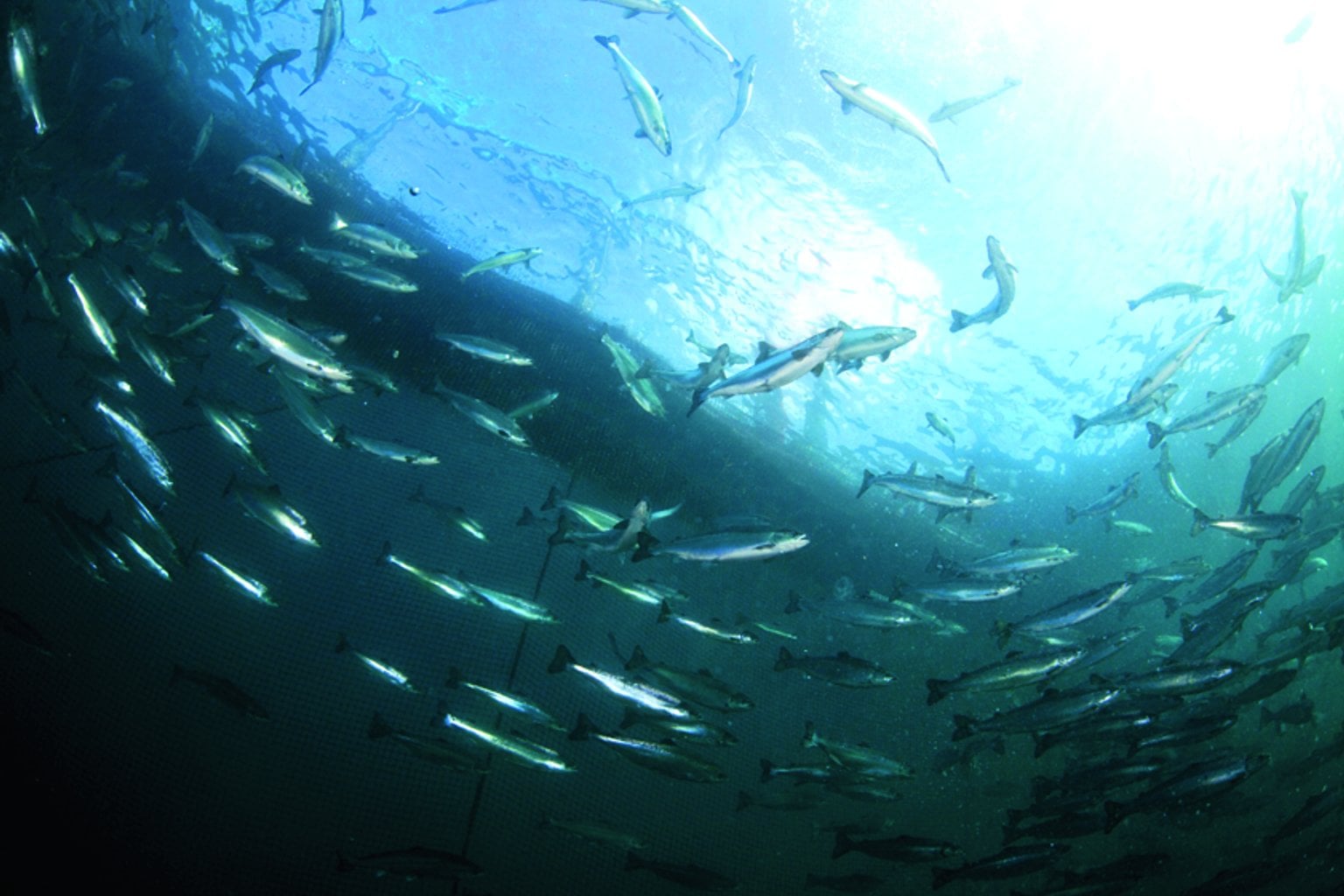 Antibiotic traces have been found in wild seafood up to 10.6 kilometres from fish farms. Image / File
The Institute for Marine and Antarctic Studies has collected over 840 samples, with 165 showing positive detections at very low levels.
The furthest detection was at Standaway Bay, approximately 10.6km from treatment sites.
The state has implemented temporary closures of selected commercial wild fisheries around recently treated salmon farms as a precautionary measure.
George warned the findings threaten Tasmania’s seafood export markets, which maintain zero tolerance for antibiotic residues in wild-caught species.
 Tassal is currently treating fish at several of its leases with antibiotics. Image / Pulse (File)
“Industry representatives say they’re being interrogated consistently by buyers about their concerns,” he said.
The Department of Natural Resources and Environment Tasmania said the trace levels detected “do not pose a risk to human health” and that Tasmanian seafood “remains safe to consume”.
However, even trace detections may breach strict international market requirements, potentially affecting local industries.
Tassal is currently undertaking treatment using Florfenicol at their Roaring Beach (Redcliffs) lease, their Great Taylors Bay 1 lease and their The Sheppards lease, according to the EPA.