
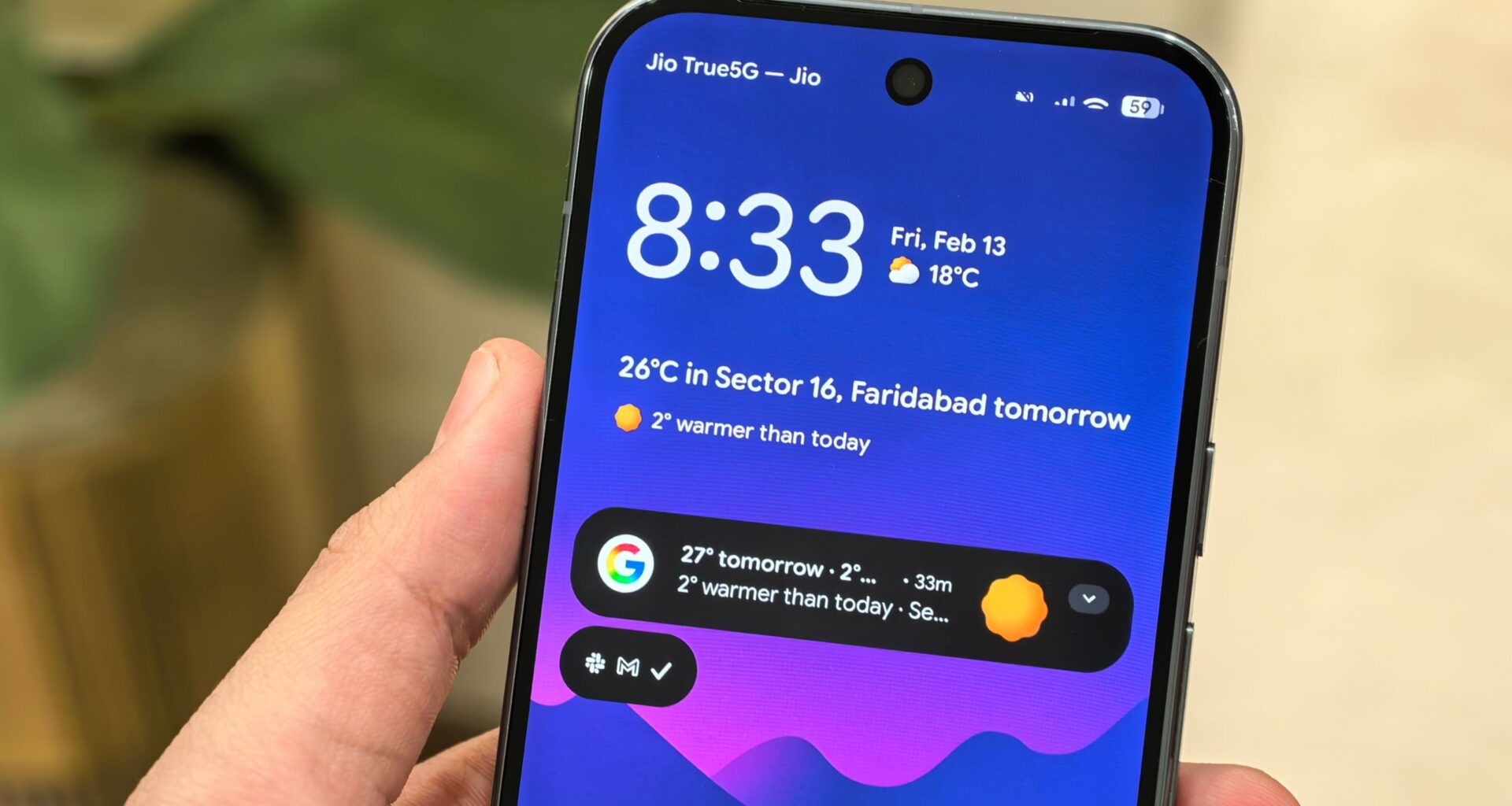
Apple introduced Face ID on iPhone in 2017, and comparable Android facial recognition features have lagged behind ever since. Of course, Apple’s approach isn’t perfect either. iPhones have large pill-shaped camera cutouts or notches that house the additional sensors and technology required for Apple’s Face ID feature. Android phones, by comparison, typically have smaller hole-punch camera cutouts or under display cameras. However, it’s apparent that Android’s facial recognition support isn’t as good as Apple’s Face ID.
That could be changing in the future, as a new report from Android Authority reveals Google is working on an advanced facial recognition project for Android and ChromeOS called Project Toscana. Android Authority’s source reportedly got to use Project Toscana on a Pixel phone with a typical hole-punch camera cutout and on two Chromebooks with unfinished, external camera assemblies. According to the report, Google’s upcoming facial recognition system worked just as well as Face ID on an iPhone.
You may like
It’s also unclear whether Google could use under-display sensors to power the feature or strictly rely on the single hole-punch camera. We don’t know when (or if) the technology might release, either. However, it’s looking like Google Pixel phones and Chromebooks are about to get a major face unlock upgrade, and it’s worth getting excited about — on one condition.
The problem with Android’s face unlock features
(Image credit: Android Central)
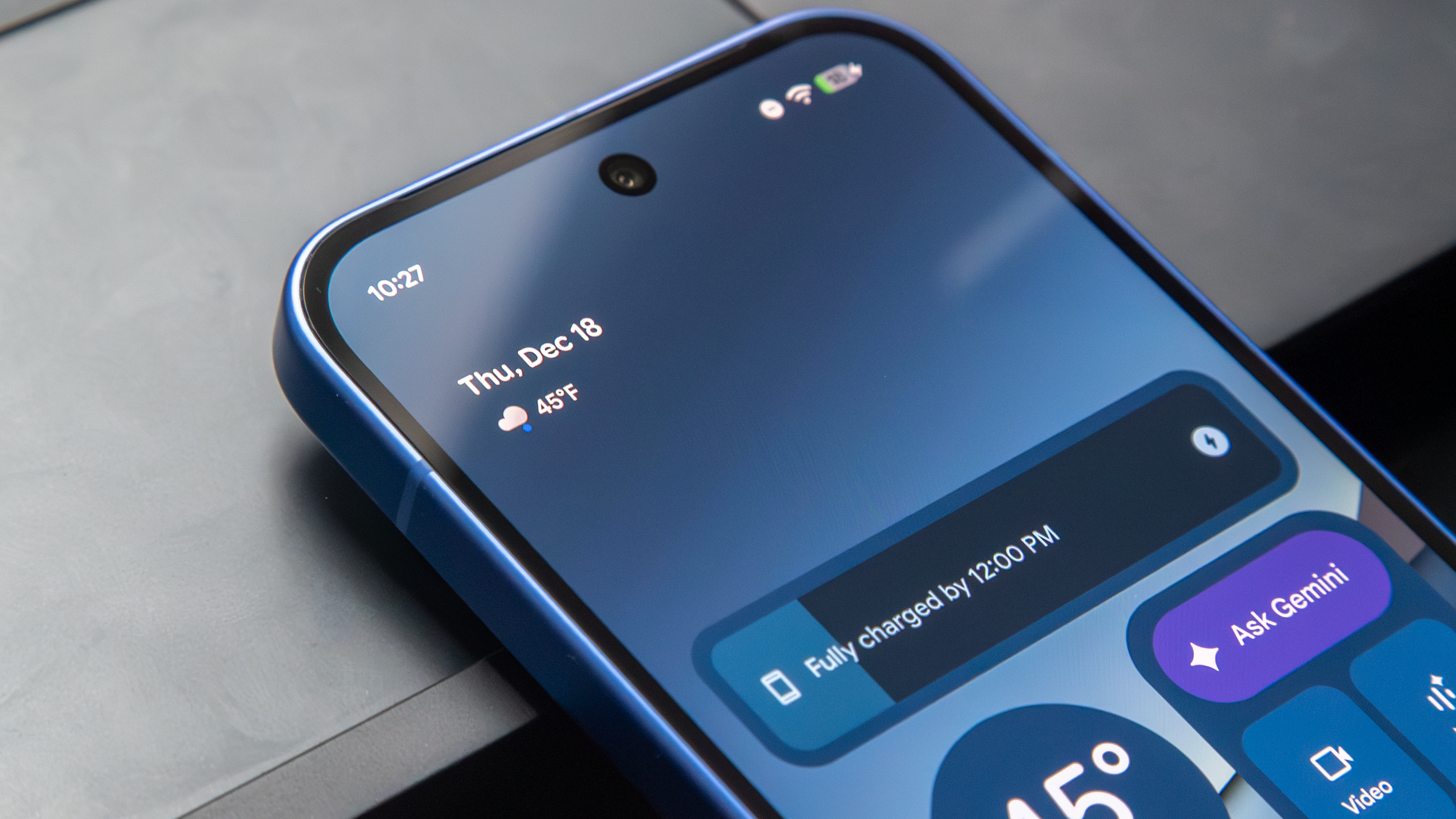
Android uses three levels to describe the security of biometric features: Class 1 (lowest), Class 2 (middle), and Class 3 (highest). These were previously called Convenience, Weak, and Strong, respectively. Google designates biometric sensors as one of the three levels based on their secure pipeline and the three acceptance rate metrics known as Spoof Acceptance Rate (SAR), Imposter Acceptance Rate (IAR), and False Acceptance Rates (FAR). In simple terms, these metrics try to pinpoint how easy a biometric sensor can be tricked or bypassed.
Class 2 or Class 3 biometrics can be used for secure actions, while Class 1 biometrics cannot. Class 3 biometrics specifically grant access to BiometricPrompt and the Android Keystore for use within other apps, like banking apps or Google Wallet. Google Pixel’s face unlock became a Class 3 biometric starting with the Pixel 8 series. The basic implementation available on the Google Pixel 7 series didn’t meet this standard and could only be used for unlocking the devices.
That seemingly addresses the security concerns, but Google’s machine learning algorithm used to provide Class 3 facial recognition on the Pixel 8 series and later doesn’t work well without light. In dark environments, you may be forced to use your password or fingerprint.
By comparison, Apple’s Face ID systems use a “TrueDepth” camera system with a laser dot projector, flood illuminator, and an infrared camera. The combination of sensors allows Face ID to reconstruct a 3D model of your face and works regardless of ambient lighting. Apple claims Face ID has a false positive rate of 1 in 1,000,000, which is much better than the fingerprint-based Touch ID it replaced.
While the Face ID false positive rate is excellent, the camera system is large and cuts deeper into the display than the average Android camera sensor. Google’s Project Toscana could split the middle, using advanced facial recognition that works in low lighting conditions without requiring a larger camera cutout.
I can’t give up fingerprint sensors regardless of how good face unlock gets
(Image credit: Derrek Lee / Android Central)
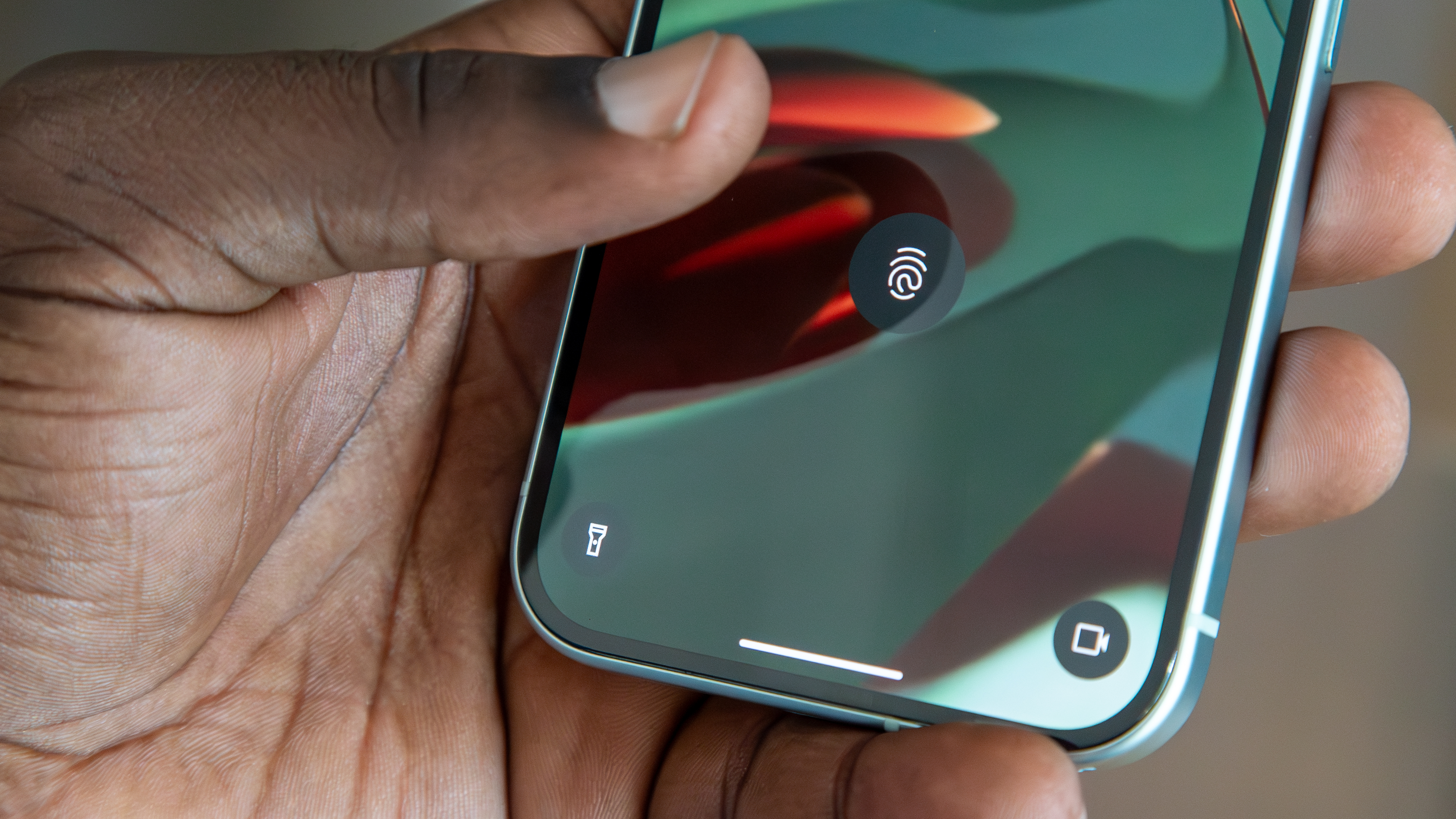
That all sounds well and good, but I have one request for Google: don’t make the same as Apple. It’s true that Face ID is powerful, secure, and technologically advanced, but it’s also a nuisance. Apple puts either Face ID or Touch ID on their products for biometrics, but it should really be both. In some situations, I’d rather use my finger to unlock my device than my face. Personally, I find Touch ID and fingerprint sensors in general to unlock my device quicker and more consistently than facial recognition systems.
In fact, I never set up facial recognition on my Android phones, and instead rely on fingerprint sensors entirely. I wouldn’t be willing give them up — even for a reliable and advanced facial recognition system. It’s worth noting that there are no signs Google is mulling the idea of adding Project Toscana as an alternative to fingerprint readers, at least on Pixel phones.
That said, Google did remove the fingerprint sensor on the Pixel 4 and Pixel 4 XL back in the day in favor of a face unlock feature. Apple did the same on every flagship iPhone released since the iPhone X in 2017. It’s not an unprecedented decision, especially for Google, but it would be a mistake.
Google, give us a better face unlock experience and keep the fingerprint sensor around, because extra options are rarely a bad thing.