
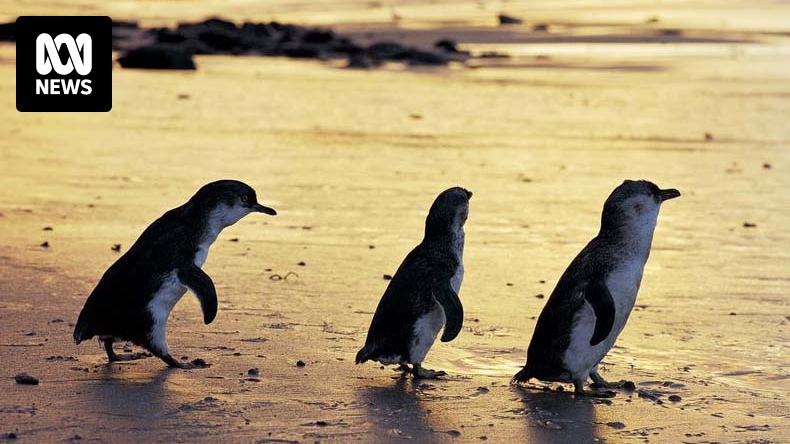
Each summer, tourists flock to Tasmanian beaches to marvel at penguins returning from the sea to feed their hungry chicks.
The nightly ritual is a major drawcard for visitors, and the summer breeding season offers the best chance to watch the birds in action.
But at some beaches, there are fears this popularity is coming at a cost.
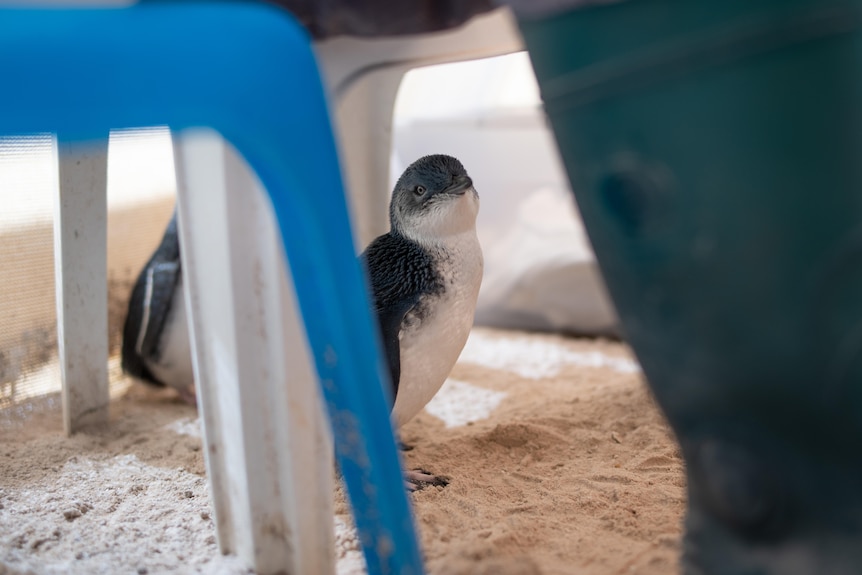
Penguins are often tormented by dogs let off-leash by their owners. (ABC News: Mackenzie Heard)
In January, Scott Waterman visited Tatlows Beach in Stanley on the north-west coast, when he witnessed behaviour that shocked him.
He said crowds completely ignored the signs, showing no care for the birds.
“I haven’t witnessed anything like that in my life,” he said.
“There were kids there poking baby penguins with sticks, trying to get them to come out of the little crevices that they live in.
“There were people trying to pick them up, move them. They were crowding right over them and taking flash photography right in their faces.
“There were people riding pushbikes, there were people with unrestrained dogs.
“The behaviour of most people there was bordering on … disgusting.”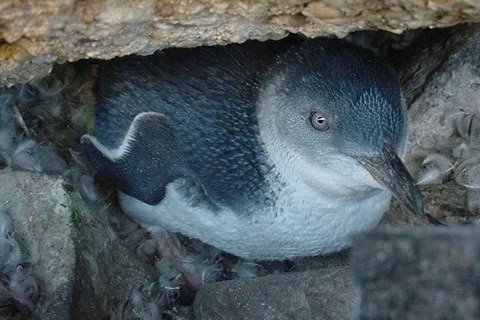
One person reported children poking baby penguins with sticks, “trying to get them to come out of the little crevices that they live in”. (Facebook: Burnie Penguin Observation Centre)
Most tourists do the right thing, community group says
At Pirates Bay on the Tasman Peninsula, there is a similar concern for the little penguin colony.
Annie Gifford, who runs the community group Friends of Pirates Bay Penguins, said the population was declining, and feared the colony could disappear without intervention.
“Most tourists do want to do the right thing, but there are many tourists that can’t and won’t do the right thing,” she said.
“Tourism is going to increase, so do we just say a goodbye to our natural habitats? Or what should we do?”
While Ms Gifford has not witnessed disturbing behaviour herself, she routinely receives reports from the community.
“Chasing them on the beach, photographing them, running after them to be photographed, trying to pick them up, has all been reported to me,” she said.
Despite these reports, she said most visitors were respectful and cared about wildlife.
“But the other side of the coin is there are all these people that don’t have a concept of what wild or nature is, and therefore assume that these penguins are coming ashore for them,” she said.
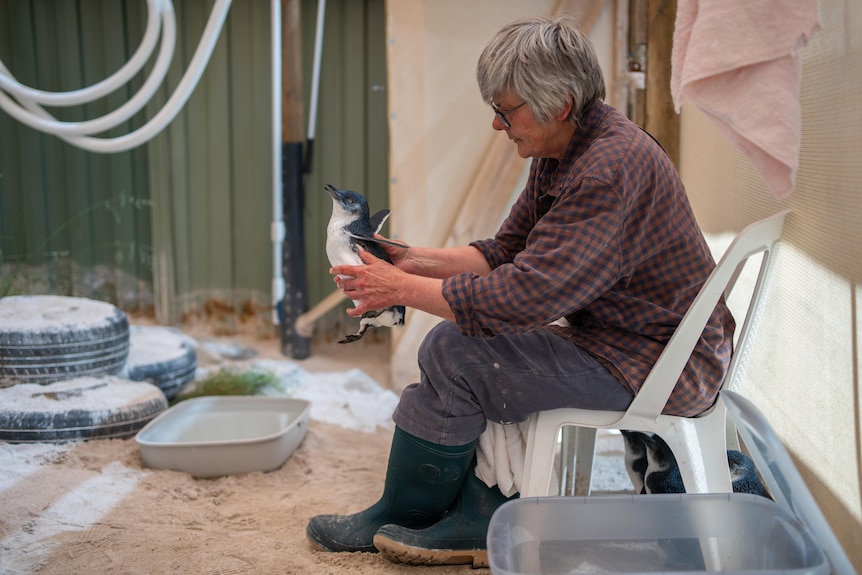
Kathy Grievson is caring for several injured penguins. (ABC News: Mackenzie Heard)
Chick ‘handled by the neck’
Wildlife carer Kathy Grievson rehabilitates seabirds in Tasmania’s north west, and sees the consequences of penguin interference firsthand.
“We’re getting a lot more animals coming in and … they’re needing care because they’ve been directly interfered with by humans,” she said.
She is currently caring for several injured penguins.
“I’ve got a chick at the moment in intensive care who was pulled out of a burrow and suffered severe damage to her neck and throat just by being handled by the neck.”
Ms Grievson said penguins were particularly vulnerable during the breeding season, when they were easier to spot.
“They’re fair game during the breeding season. They’re flightless birds. They are on land much more during the breeding season than other times of the year, and the chicks are in their burrows all the time,” she said.
“People can find them easily, and they seem to be impacted very greatly by people doing the wrong thing.”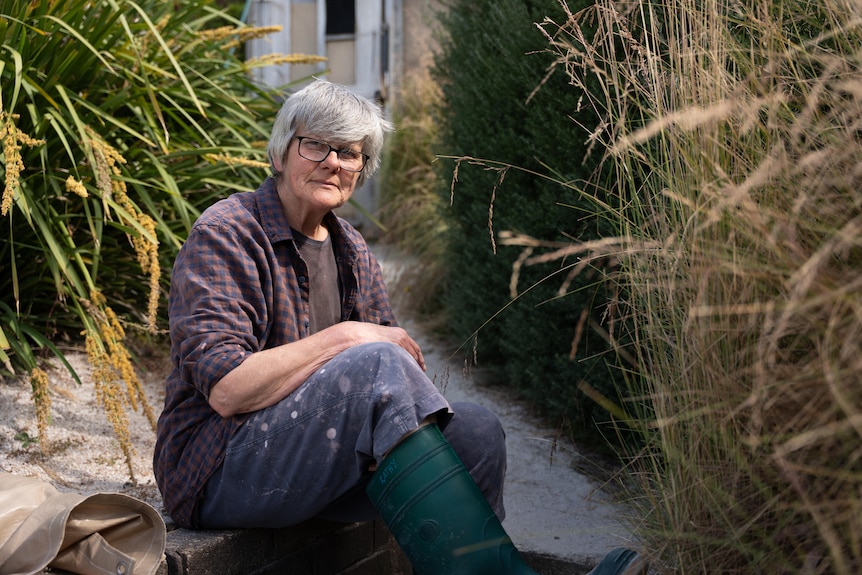
Kathy Grievson rehabilitates seabirds in Tasmania’s north west. (ABC News: Mackenzie Heard)
Ms Grievson said businesses that benefited from penguins should be proactive about protecting them.
“They are a major attraction for the tourists, so the businesses are benefiting from the presence of the penguins, so we think they should be putting in and helping to find solutions for that,” she said.
Designated viewing sites safest way to see penguinsTo report animal cruelty in Tasmania:
Contact RSPCA Tasmania
Phone: 1300 139 947
Email: reportit@rspcatas.org.au
Penguin ecologist Perviz Marker said reports of penguin interference were “disappointing” and could have a swathe of impacts on penguin colonies.
“Short-term, the chick’s growth and survival will probably decrease and not be as good as it could be for the season,” she said.
“And in the long term, it means that the population in that area could decrease as well.
“If the disturbance keeps going, then the birds will stop coming in to breed in that area.”
Dr Marker said the safest way to view penguins was at designated viewing sites.
“It also means that you have guides generally there that can provide the information and show what needs to be done and what the right thing is to do,” she said.
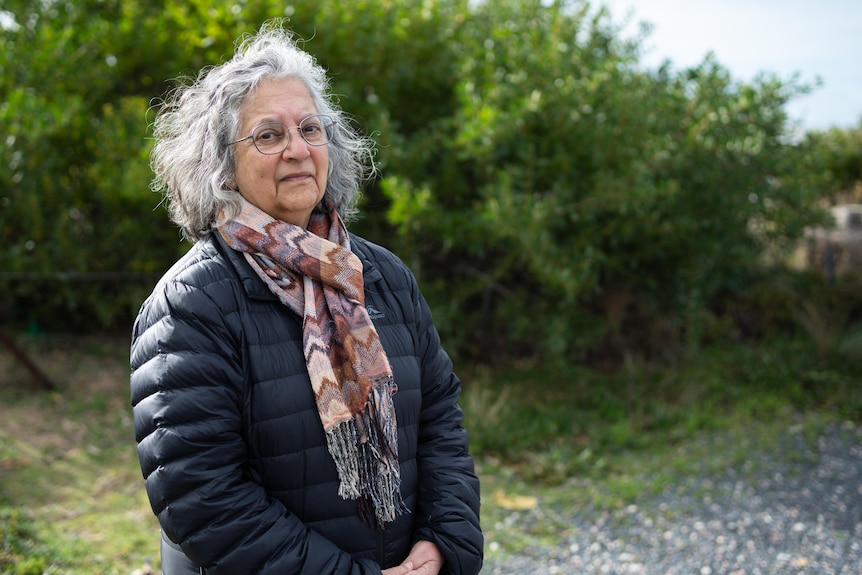
Perviz Marker says reports of penguin interference are “disappointing”. (ABC News: Mackenzie Heard)
Department efforts to address concerns
Tasmania’s Department of Natural Resources and Environment (NRE) said it received occasional reports of penguin interference.
“When reports are received, NRE Tas investigates, and, if appropriate, members of the public are charged accordingly,” a Parks and Wildlife Services spokesperson said.
They said each summer, there were spikes in reports of injured and dead penguins.
“This annual increase is not unusual and is usually associated with juvenile penguins not fledging successfully,” they said.Punishment ‘too lenient’ for animal killers
The Parks and Wildlife Services said it collaborates with councils, community groups and wildlife carers to address penguin management concerns across the state, including at Pirates Bay and Stanley.
They said this included the installation of protection fencing, road crossings and signage, site-specific education programs, and the sharing of monitoring data to guide management at popular sites.
While Ms Gifford acknowledged some work had been done at Pirates Bay, she said the current measures were falling short.
“We sell our national parks, and we get people to come here, but at the same time, those penguins have been coming here long before there was a national park here,” she said.
“And it would be an indication that we don’t know how to manage the resources that we have if we … lost a colony.”