
LIV Golf has enlisted the two most influential governing bodies in golf to sharpen playing conditions across its 14-event global season.
The league confirmed that The R&A Sustainable Agronomy Service and the USGA Green Section will work alongside LIV Golf to implement what it describes as a unified agronomic evaluation and preparation framework. In simple terms: consistent, championship-level conditions, week in and week out, across 10 countries and five continents.
For a league that has often been scrutinised as much for optics as outcomes, this is a strategic alignment with two of the game’s most established authorities – and a signal that LIV wants its competitive standards to stand shoulder-to-shoulder with the sport’s biggest stages.
“Our commitment to delivering championship-calibre playing conditions and world-class competition across the LIV Golf League is strengthened by our alignment with The R&A Sustainable Agronomy Service and the USGA Green Section,” said Ross Hallett, LIV Golf’s EVP, Head of Events.
“Across 14 host cities worldwide, the preparation of our courses is fundamental to the success of each event. By implementing a comprehensive agronomic framework informed by the expertise of golf’s leading entities, we are able to elevate competitive standards year after year and ensure playing environments reflect the highest levels of professional sport.”
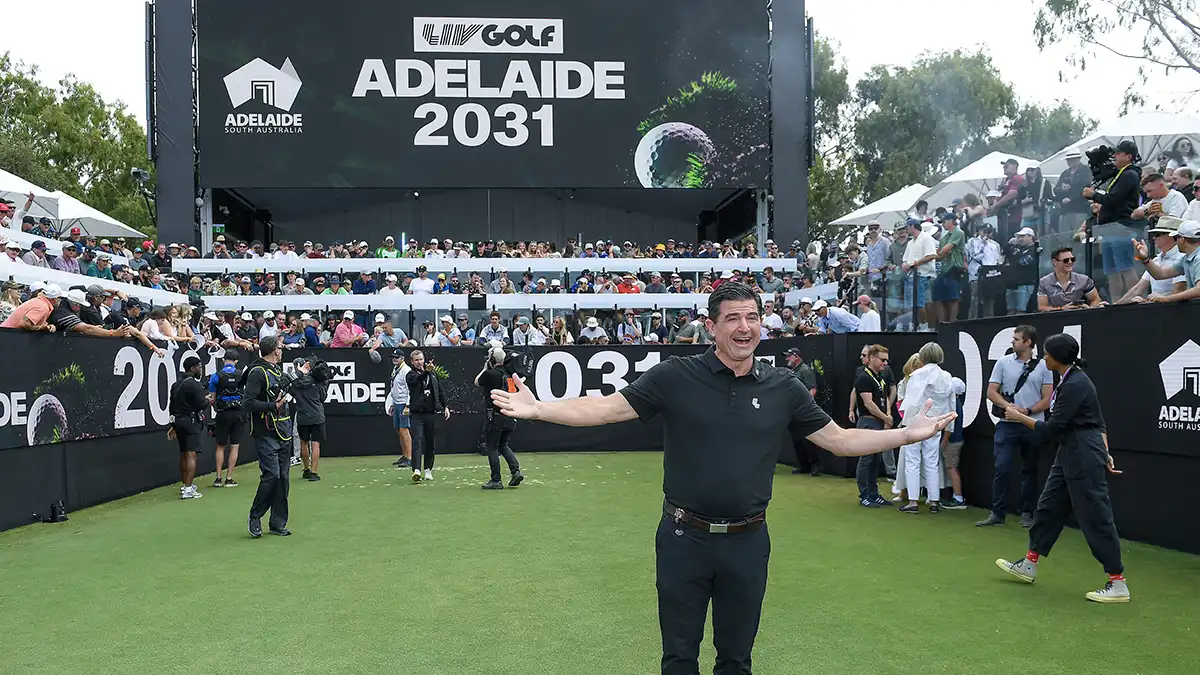
The announcement carries particular resonance for Australian fans after the league capped off an incredible stint at Adelaide’s Grange Golf Club last week. LIV Golf Adelaide has quickly become LIV’s flagship event, and this year it set a new benchmark – officially confirmed as the highest-attended LIV Golf event ever and the largest professional golf tournament staged in Australia, with more than 115,000 fans through the gates. It will temporarily move the Kooyonga Golf Club in 2027 before it finds its new permanent home and North Adelaide Golf Club, a popular public layout right in the heart of the city currently being redesigned by former LIV Golf boss and Aussie golf icon Greg Norman.
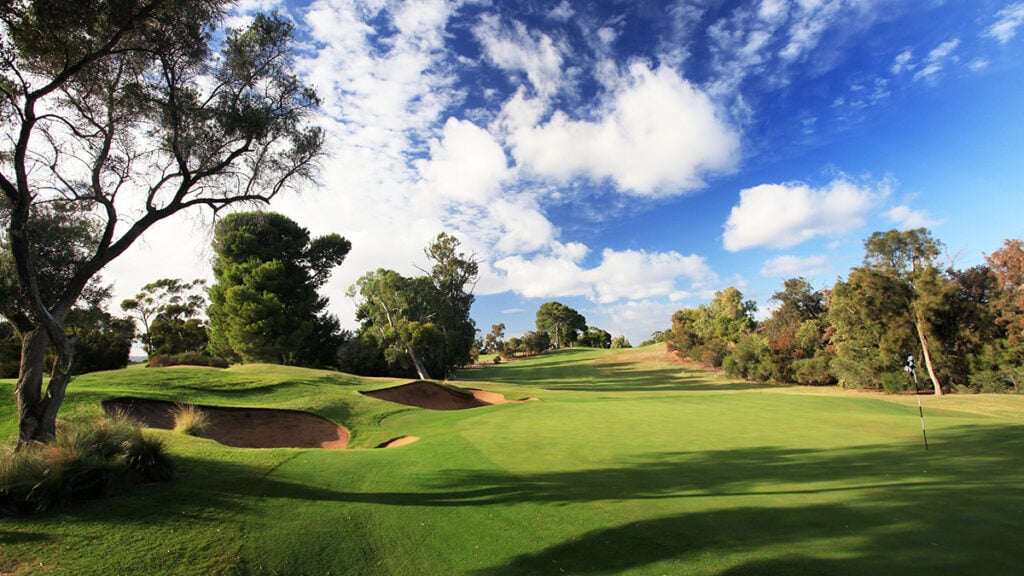
By formalising its relationship with The R&A and USGA agronomy teams, LIV is effectively locking in a framework to ensure Kooyonga [below] and North Adelaide are prepared to precise, globally recognised standards.
LIV’s 2026 schedule stretches from Riyadh to Hong Kong, Singapore, South Africa, Mexico, Spain, the United Kingdom and multiple stops in the United States. Each region presents different turf types, weather patterns and agronomic challenges.
A unified framework aims to create consistency without stripping away course identity. According to LIV, the approach is built around elevating host venues “to peak competitive condition in an environmentally responsible way” while preserving each course’s character.
That sustainability note is also deliberate. Modern championship preparation must balance firmness and speed with responsible water use, turf health and long-term course stewardship – particularly as golf faces increasing environmental scrutiny.
MORE: The Vines Resort begins construction of its new 14-hole short course
“Our athletes are among the most competitive and knowledgeable in the game, and competing on courses prepared to exacting global standards is essential to supporting both performance evolution and sustained excellence,” adds Hallett. “We appreciate the continued leadership of The R&A and the USGA and their enduring commitment to advancing the game at the highest level.”
Beyond the agronomy specifics, the move clearly reflects LIV’s broader strategy: embed itself deeper into the game’s existing structures rather than operating in parallel. Aligning with The R&A and USGA on course preparation doesn’t solve golf’s fractured professional landscape. But it does reinforce LIV’s intent to be judged on competitive merit as much as commercial impact.