
Look on the bright side
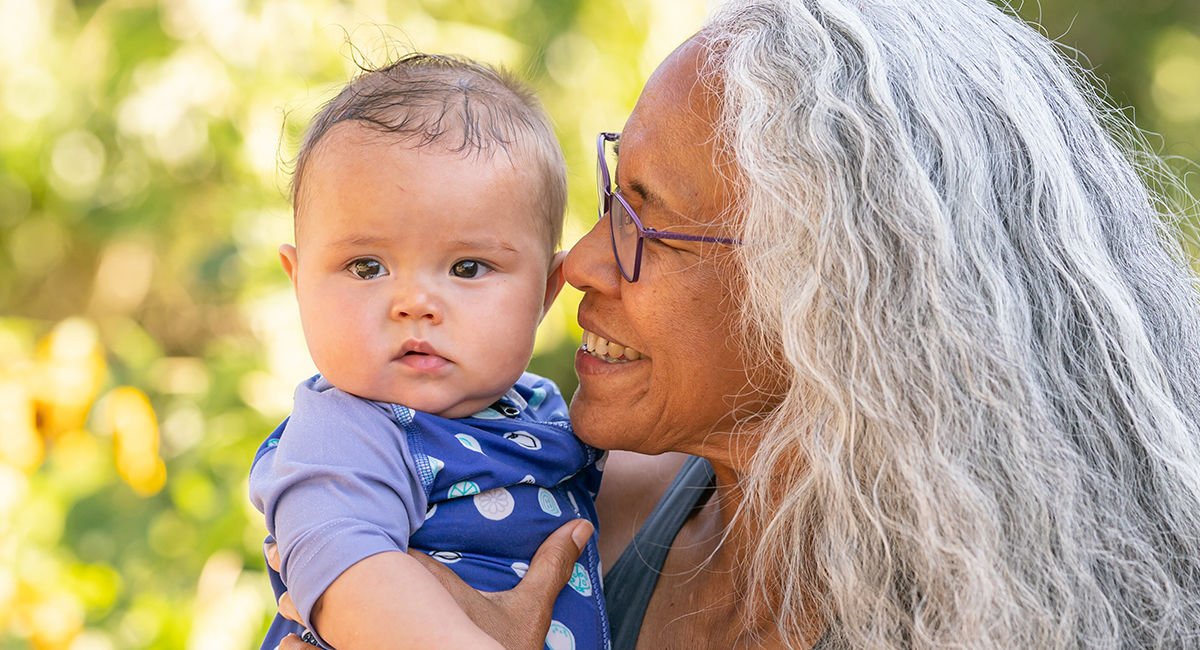
The even better news is that helping care for grandchildren may help protect thinking and memory skills in older people, according to research published by the American Psychological Association.
The findings suggest that staying involved as a caregiving grandparent could play a role in slowing age-related cognitive decline.
That’s one of the research findings from Tilburg University in The Netherlands.
“We wanted to see if providing grandchild care might benefit grandparents’ health, potentially slowing down cognitive decline,” lead researcher, Flavia Chereches, said.
The researchers analysed data from 2,887 grandparents who participated in the English Longitudinal Study of Ageing.
All participants were aged 50-plus, with an average age of 67, and each of them completed surveys and cognitive assessments three times between 2016 and 2022.
They were asked whether they had cared for a grandchild during the previous year and, if so, how often and what the care involved.
Care included overnight sitting, caring for an ill child, playing or engaging in leisure activities, helping with homework, driving grandchildren to school and activities, and preparing meals.
“What stood out most to us was that being a caregiving grandparent seemed to matter more for cognitive functioning than how often grandparents provided care or what exactly they did with their grandchildren,” Ms Chereches said.
In other words, the benefits might not depend on how often care is provided, or on the specific activities done with grandchildren, but rather on the broader experience of being involved with caregiving.
Gender difference
The study found a slower cognitive decline for grandmothers caring for their grandchildren than other grandmothers, but the effect wasn’t as pronounced for grandfathers who provided care.
The difference may lie in how the genders engage with their grandchildren.
“Grandmothers are often viewed as the primary co-ordinators of childcare, with a greater emphasis on family support,” the report says.
“Grandfathers, in contrast, are reported to provide grandchild care more often in the presence of their spouse compared with grandmothers, suggesting a more peripheral and supportive role. Consequently, the level of cognitive stimulation from caregiving may be lower for grandfathers.”
Generally, grandparents who provided childcare performed better on measures of memory and verbal fluency than those who did not. These differences remained even after accounting for age, physical health, and other influencing factors. The results were consistent regardless of how often grandparents provided care or which activities they performed.
“More research is needed to replicate these findings, yet, if there are benefits associated with caregiving for grandparents, they might not depend on how often care is provided, or on the specific activities done with grandchildren, but rather on the broader experience of being involved with caregiving.”
Ms Chereches emphasised that future studies should examine how family circumstances shape these outcomes. The emotional and social context of caregiving could make an important difference.
“Providing care voluntarily, within a supportive family environment, may have different effects for grandparents than caregiving in a more stressful environment where they feel unsupported or feel that the caregiving is not voluntary or a burden,” she said.
Related reading: Tilburg University, The Australian, NSA