
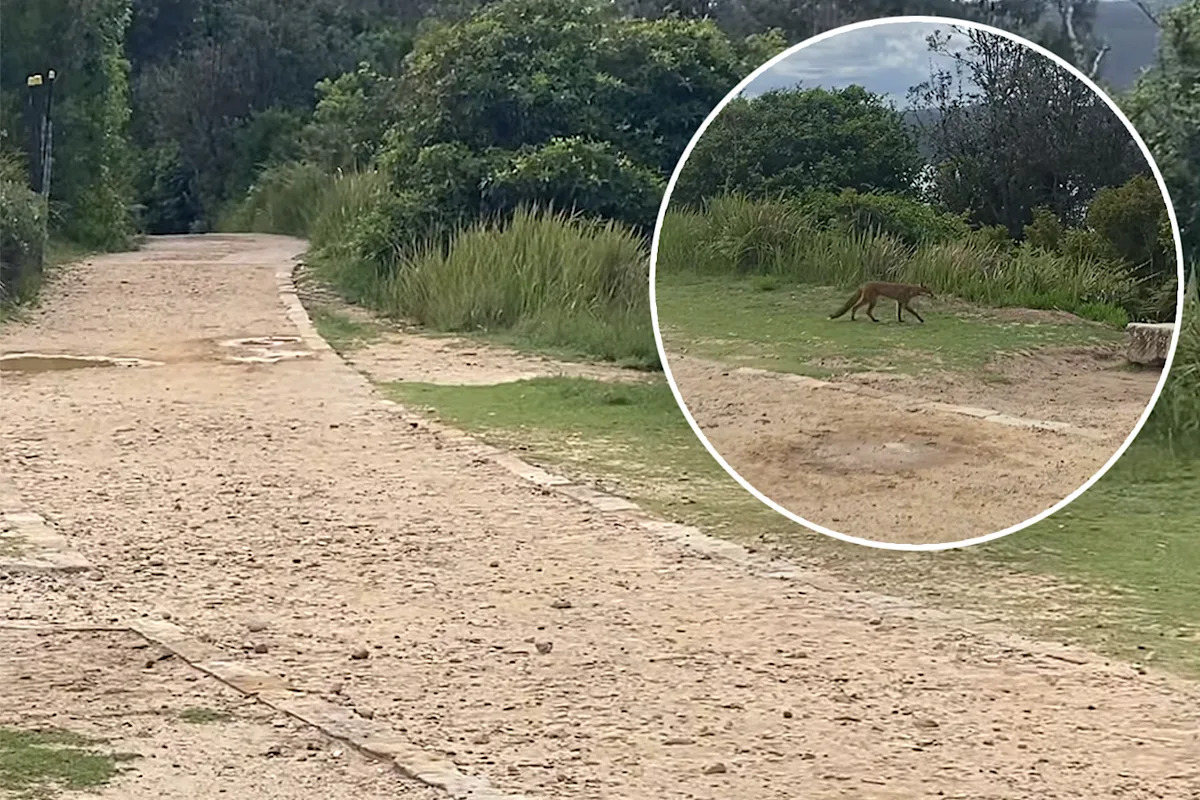
Australia’s fox crisis is in the spotlight again after one was photographed at a popular east coast beach earlier this week. At Avalon, in Sydney’s north, the invasive animal was found lurking around the beachfront reserve looking for food in broad daylight — a shift from their typical nocturnal habits.
Foxes are found virtually everywhere in Australia, and are difficult to manage due to their intelligence, formidable hunting skills and the fact that they have no natural predators here.
They’ve traditionally been considered nighttime hunters, but experts say they’re increasingly being spotted out during the day in search of food.
Largely, their prey is made up of vulnerable native Australian wildlife, a sad fact that has contributed to the extinction of numerous species.
Dr Carol Booth from the Invasive Species Council told Yahoo this week that fox sightings in broad daylight are no longer unusual.
“Foxes are mainly nocturnal but also highly adaptable,” she said.
“It’s not unusual for them to be out during the day if they consider it safe or if they have cubs to feed.”

Foxes are responsible for the deaths of millions of native Australian wildlife each year. Source: Janine Moller
Locals conflicted after fox sighting in Sydney
On Tuesday, locals at Avalon were conflicted by the latest sighting.
Many felt for the animal, saying, “It’s not its fault it’s ended up here”. Others said it highlights their ongoing and broadening threat.
“It’s extraordinary the amount of people who are wilfully ignorant of the devastation these introduced pests cause,” a man wrote.
It’s a dispute that’s left Australia divided for decades.
Across the country, foxes kill hundreds of millions of native animals per year, and in NSW the pest is widespread.
It’s estimated they cost millions annually in eradication efforts, livestock losses, and environmental damage, meaning regular control efforts are critical to ensure their management remains possible.
A NPWS spokesperson explained that a “range of strictly controlled methods” is used to manage feral animals in national parks, with “decisions about control methods” for a particular species and circumstance made in consideration of humaneness and effectiveness.
“Invasive species are one of the biggest threats to native plants and animals and cause extensive damage to the environment, along with billions of dollars’ worth of damage to Australian agricultural production each year,” they had earlier told Yahoo.
Experts say the only effective long-term way to manage foxes in Australia is through eradication, arguing that partial control measures have repeatedly failed to curb their impact on native wildlife.
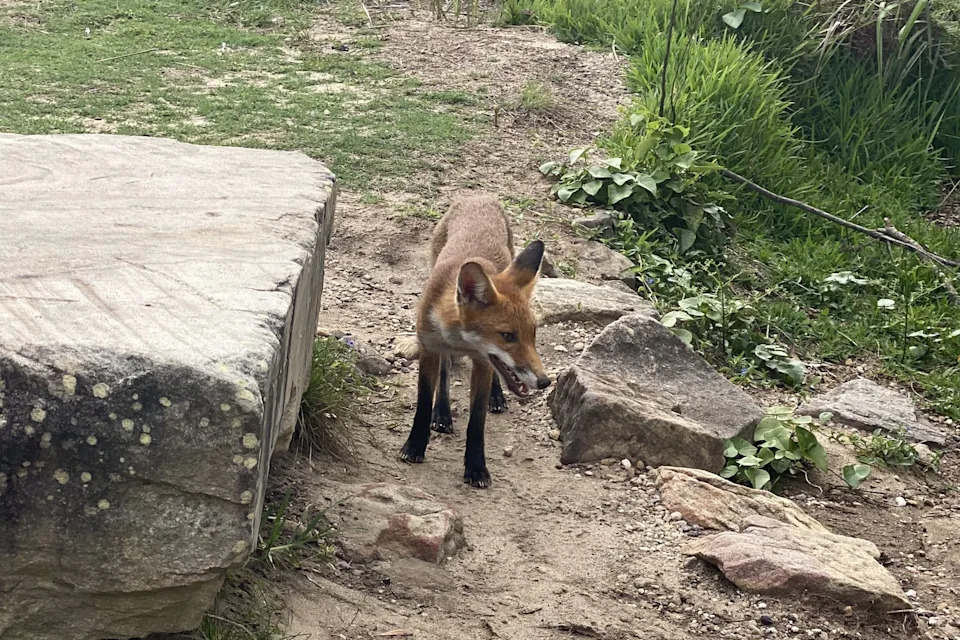
Traditionally nocturnal, foxes are increasingly been seen during the day. Source: Janine Moller
Why are foxes such a big problem in Australia?
Foxes were introduced to Australia in the 1860s by Europeans for recreational hunting.
But since then, their numbers have exploded exponentially across the country, largely due to a lack of natural predators.
They feed on native species, particularly small mammals, reptiles, and ground-nesting birds, many of which are already vulnerable or endangered.
Their introduction has significantly contributed to the decline of several native species, particularly small mammals like the bilby, numbat and bettong.
Foxes’ hunting behaviour is opportunistic and highly efficient, often killing more than they need.
Beyond their environmental impact, they pose risks to agriculture by preying on lambs and spreading diseases such as hydatid tapeworm.
Do you have a story? Contact newsroomau@yahoonews.com