
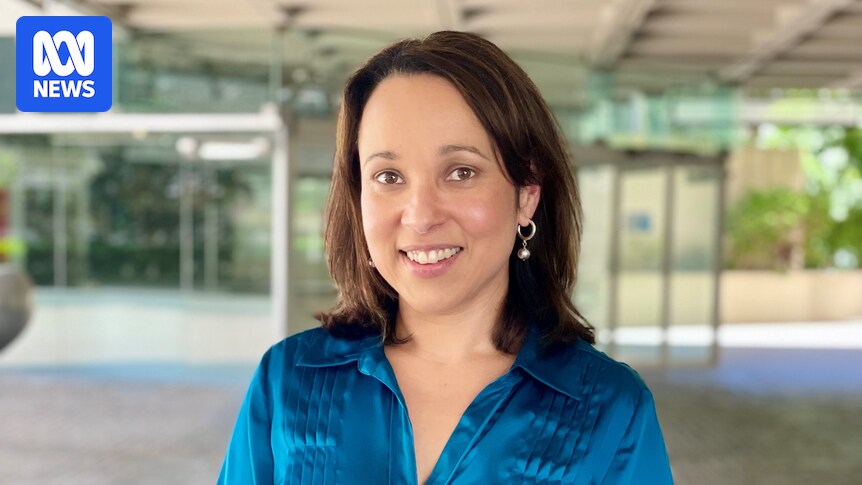
Queensland’s new Chief Health Officer (CHO) Marianne Gale reminisces about her time working for Doctors Without Borders to emphasise how she wants to shape the public health of the state – with a strong focus on equity.
In one of the toughest times in her career, while in her 20s, Dr Gale was confronted daily by extreme suffering while working in the land-locked West African nation of Niger, treating hundreds of severely malnourished children with “multiple complex diseases”, such as malaria.
“Their mothers … would walk sometimes for days with these children on their back and who arrived at our clinics in a very, very poor state of health,” she said.
“Some of them didn’t make it.
“I met some amazing people, but it was tough.”
Now 44, Dr Gale recalls the experience in 2008 as “very formative”.
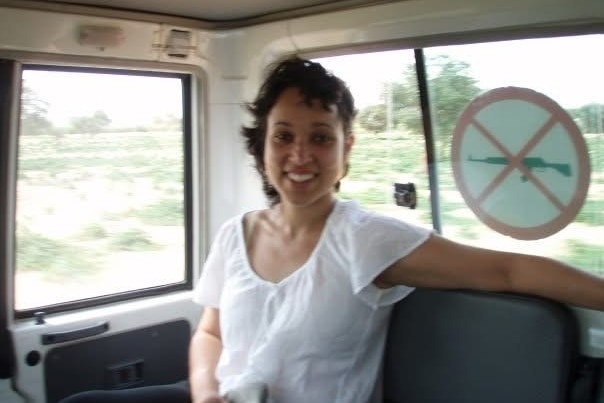
One of Marianne Gale’s early missions with Medecins Sans Frontieres was to Niger in West Africa. (Supplied: Marianne Gale)
Almost two decades later, as she contemplates the start of her journey as Queensland’s chief health officer (CHO), she said: “The principle of equity is a really important one to me … and how we work with communities who experience social disadvantage in different forms.
“I see my role in working with First Nations communities to close the gap as being very important.
“And also, to make sure that the voices of regional, rural and remote communities are heard.”
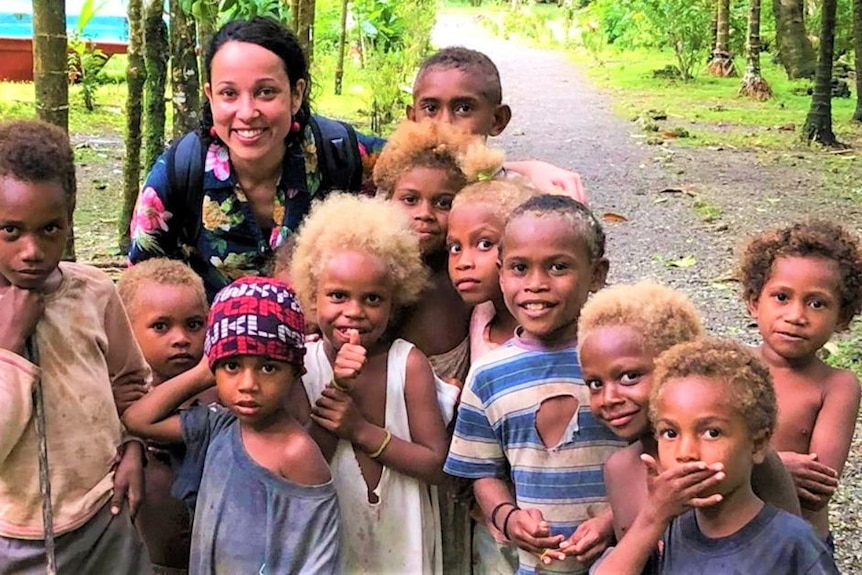
Dr Gale worked for five years as a field doctor for Médecins Sans Frontières/Doctors Without Borders. (Supplied: NSW Health)
Listening to communities
Dr Gale, who grew up in Townsville, said she was drawn to medicine as a young child.
In a wide-ranging, sit-down interview, she credited her time with Medecins Sans Frontieres (MSF) — or Doctors Without Borders — with cementing her commitment towards public health medicine and ultimately, to the CHO role in Queensland.
That highlighted how factors outside the doctor-patient relationship — such as “access to education, access to clean water, access to vaccines, access to affordable medicines” and access to a well-functioning healthcare system with adequately trained staff — affects a person’s health.
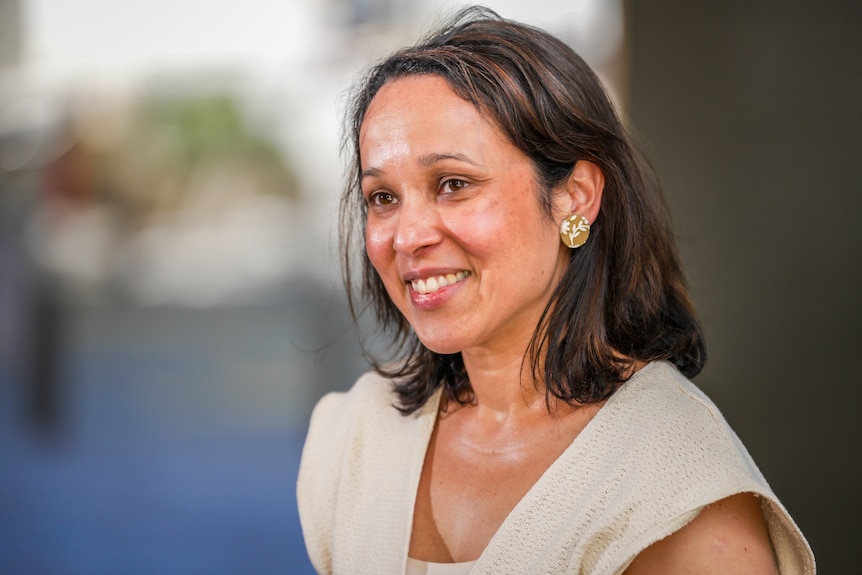
Marianne Gale began her career as a junior doctor at Townsville Hospital. (ABC News: Christopher Gillette)
“In the years that I spent working with MSF, you see in a very brutal way the impact of when those things are not in place,” Dr Gale said.
She said her first priority as Queensland’s CHO would be to travel the state listening to communities and frontline clinicians about their key health needs and “what we might be able to do together to try and address those”.
Prevention would be a key part of that.
“We need a health system, an acute health system that can meet the needs of people in moments of crisis when they need it,” Dr Gale said.
“If we have a heart attack, if we have an accident, we want our hospitals to be ready and able to give us world-class care that we know Queensland hospitals can do.
“But we all have a role to play in prevention and what we ultimately want is for Queensland communities to be healthy and well out of hospital. That includes individuals taking time out for their own health, to make an appointment, to go and get vaccinated, or looking at their diet and how to factor in exercise in their day.”
She deftly sidestepped questions about controversial Queensland policy issues, such as bans on pill testing and on the public prescription of puberty blockers to new patients under 18, saying they were “beyond my remit and beyond my portfolio responsibilities as chief health officer”.
“It’s the prerogative of government to weigh up some of the benefits and the harms and to make a decision,” Dr Gale said.
Fluoride a topic of discussion
On whether all Queenslanders should have mandated access to fluoridated water, she said fluoridation had been proven to be safe and effective over decades for “reducing the risk of tooth decay in all ages”.
She said it was especially beneficial for children in areas where access to dental services might be challenging.
About 70 per cent of Queenslanders receive fluoridated drinking water — mostly in the state’s south-east — but the decision on whether town water supplies should be fluoridated is up to local governments.
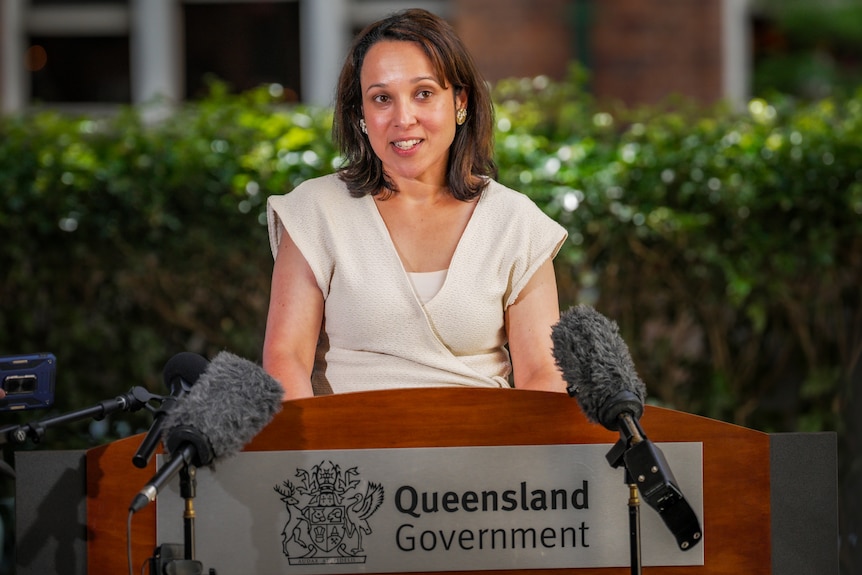
Marianne Gale became a familiar face for the public in NSW during the COVID-19 pandemic in her former role. (ABC News: Christopher Gillette)
Dr Gale said she hoped to discuss the benefits of fluoridation with local governments and communities.
“I would like to see fluoridation in place,” she said.
After serving as deputy NSW chief health officer during the COVID pandemic, Dr Gale has stepped into the Queensland CHO position about a year after John Gerrard left the role in December 2024 and four years after Jeannette Young ended 16 years as CHO to become Queensland’s governor.
Dr Gale said she had met both Dr Gerrard and Dr Young since taking on the role.
“I certainly have big shoes to fill,” she said.