
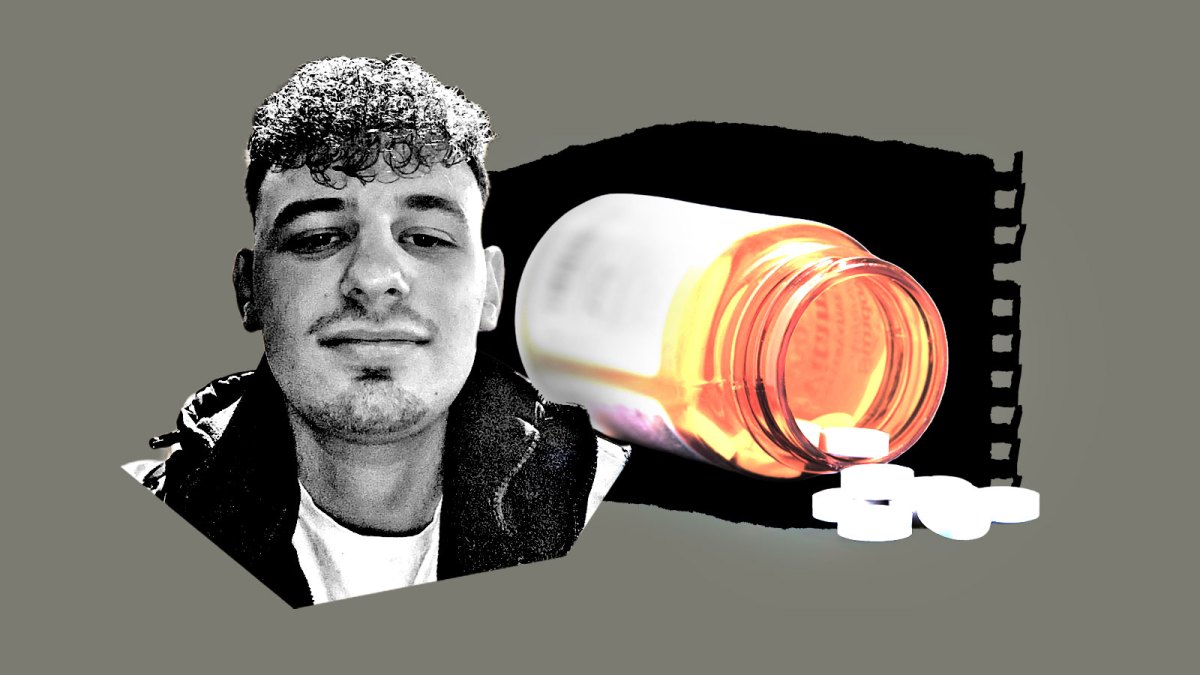
Yossi Cope was 16 when he first took Valium. He was offered a pill by his friend — who had been prescribed it by a doctor — and immediately thought, “oh wow, I’ve found my medicine”.
Cope, who had struggled with anxiety for years, got hooked on the sensation of calmness. He sought out drug dealers in Manchester to buy benzodiazepines, a class of sedative drugs that include diazepam, known as Valium. He was soon taking 30 pills a day, telling himself that “because it was a medicine, a prescription drug, it was all perfectly fine”.
After Cope moved abroad to study aged 19, he found a private psychiatrist who gave him Xanax, a fast-acting benzodiazepine, for anxiety. “I started photocopying my prescriptions. Going to every single pharmacy, giving them different names. I was going to any lengths to buy more and more and more.”

Cope was taking 350mg of Xanax a day. The recommended maximum dose is 4mg
• Middle classes drive surge in ADHD prescriptions
The recommended maximum daily dose of Xanax is 4mg. On his worst days, Cope would take 350mg, washing down handfuls of pills with alcohol. He lost the ability to form memories and “floated” through life. At one point he was run over by a bus but was too high to feel pain.
Cope’s father persuaded him to go to Delamere, a luxury private rehab clinic in Cheshire, where psychiatrists slowly tapered him off benzos. “I felt like I was dying from withdrawals,” he said. Now, aged 22, he has not had a pill since April. He plans to train as an addiction therapist.
Private rehab clinics have had an influx of patients addicted to prescription medication, most commonly benzodiazepines, opioid painkillers or sleeping tablets such as zopiclone.
The NHS has a central database to keep track of prescriptions but the private sector has no equivalent, making it hard to spot abuse.
People can become dependent after a short-term prescription from a GP to help with stress at work or insomnia. This leads to “doctor shopping”, when patients visit different private doctors seeking prescriptions for the same drug.
Dr Catherine Carney, a psychiatrist at Delamere, explained the “complicated performance” addicts put on. “It will start with their own GP. They might say ‘I’ve lost the previous prescription’ or ‘I left it on holiday’, and ask for more. But they can only get away with that for so long, because GPs are obliged to keep records.
“That’s when they will branch out into doctor shopping, where you might go to a private GP or private psychiatrist, whose records are not linked to the NHS. They also might be buying versions of the same medication on the internet or street.”
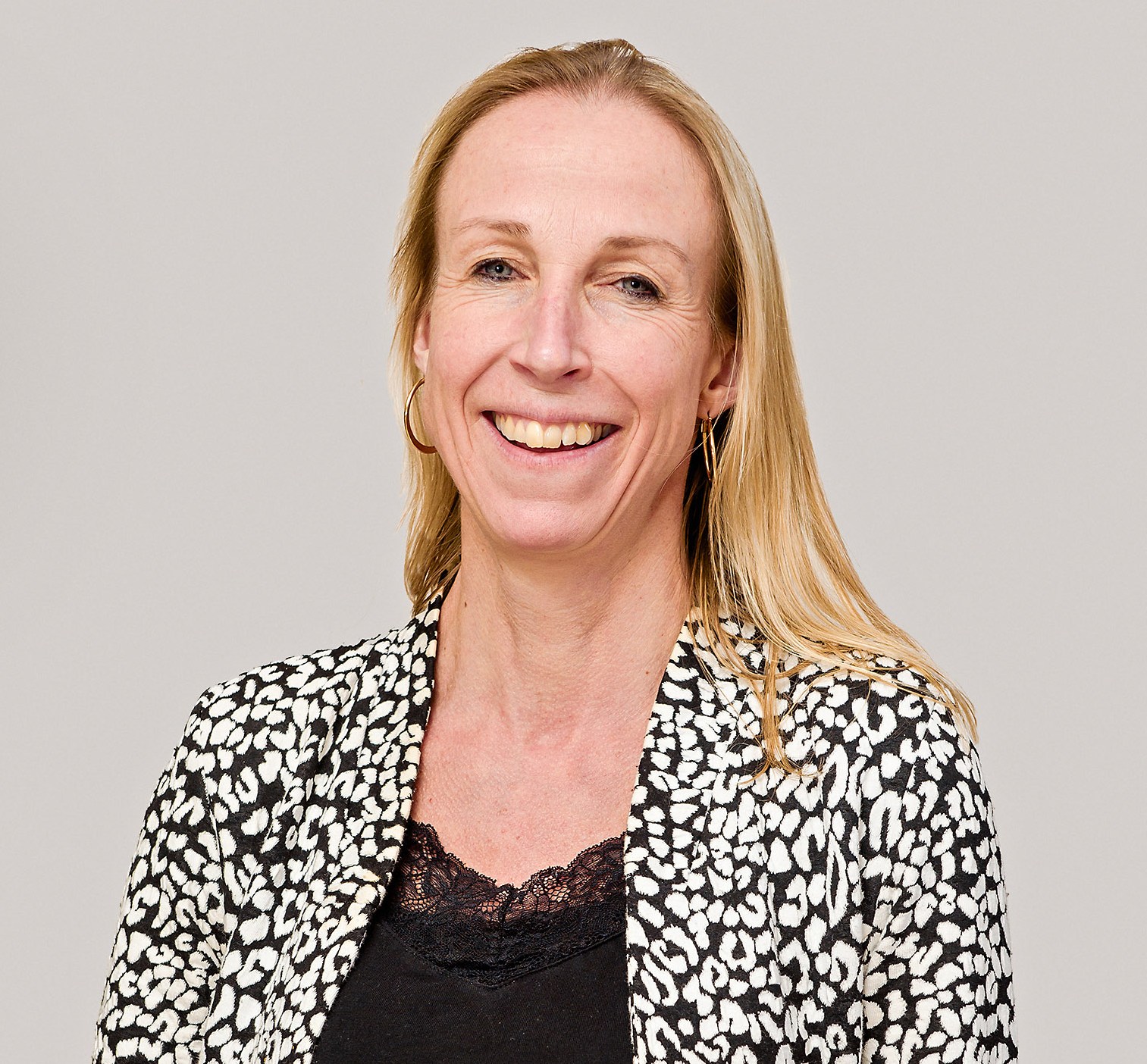
Dr Catherine Carney
ANDREW PRICE/VIEW FINDER PICTURES
• My day at Delamere, the £22,000-a-month rehab clinic filled with women
Some patients use doctors abroad. Carney recalled a woman who “went to Egypt every three months to stock up on zopiclone” and said: “One massive issue is that we don’t have a fully linked-up medical record system, your GP and NHS prescriptions don’t marry up with what you have had privately.”
NHS data shows that seven million patients were prescribed addictive medications in England last year, including opioid painkillers and diazepam. Six in ten were women and women aged 60 to 64 were most likely to be taking addictive drugs. Carney said that was linked to the menopause transition and its resulting “sleep problems, anxiety, low mood and stress”.
An NHS drive to reduce opioid and benzodiazepine prescriptions has succeeded, but long waiting lists for therapy and specialist care mean a prescription is often the easiest option.
Jan Gerber, chief executive and founder of Paracelsus Recovery, a rehab clinic costing £100,000 a week, said one third of his clients had a prescription drug addiction.

Jan Gerber
JON ATTENBOROUGH FOR THE TIMES
Drugs such as diazepam often felt like the “easiest way” for chief executives and people in high-powered jobs to deal with chronic stress. “It almost always develops innocently”, Gerber said, but soon they needed a higher dose for the same effect.
He said: “That is when the doctor shopping starts. We see clients who go to multiple different doctors to gain multiple prescriptions, or people who pay a premium and have found a private doctor who will just prescribe them whatever they want.”
• Jan Gerber: Running a rehab clinic for the rich depressed me
Requiring private prescriptions to be checked against an NHS database would protect some patients, Gerber said. “The NHS records all prescriptions, but you can get prescriptions from five private GPs and fill those prescriptions from five different pharmacies and those private prescriptions are not centrally recorded.”
Addicts could spend thousands of pounds a month obtaining prescriptions, he said. “We are not talking about criminal intent, it is just people trying to get by.”
Withdrawal from prescription drugs such as opioids and diazepam can be deadly and requires close medical support.
Helen Wells, clinical director at The Dawn rehab clinic in Thailand, said “you gently have to wean off a half a gram at a time”.
She said: “With prescription drugs, 90 per cent of the time they have been prescribed for an injury or anxiety or sleep. But because of the nature of those prescription drugs, they can become addictive in as little as two to four weeks. Before you know it, the prescribed medication becomes an addiction. There is often this mindset of: ‘Well, I was prescribed it so it can’t be an addiction’.”