
A Victorian coroner has identified multiple missed opportunities in the treatment of a Melbourne teenager who died in hospital after suffering a severe allergic reaction to a delivery meal.
James Tsindos has been remembered as a “vibrant, happy and healthy” teenager and talented pianist.
The year 12 student loved music and dreamed of becoming an entrepreneur and living in Los Angeles.
He died in 2021 after eating a delivery meal — a vegan burrito bowl that contained cashew sauce — that triggered a severe allergic reaction.
While James was known to have a nut allergy and asthma, he had never been diagnosed with anaphylaxis or prescribed an EpiPen.
James’s father called Triple Zero (000) and the 17-year-old was rushed to hospital via ambulance, receiving two doses of adrenaline on the way and responding well to treatment.
But after he arrived at Holmesglen Private Hospital on May 27, 2021, his condition quickly deteriorated.
James suffered a cardiac arrest and sustained significant brain damage when doctors were unable to restart his heart. He was transferred to the Alfred Hospital, where life support was switched off on June 1.
In an emotional hearing attended by more than 20 family and friends on Friday, Coroner Sarah Gebert handed down the findings of a coronial inquest exploring whether improved medical treatment may have saved his life.
Coroner could not say if better care would have saved James
The coroner considered whether a wheeze heard by paramedics treating the 17-year-old should have meant he was triaged in a more urgent category on arrival at hospital.
The court heard a second missed opportunity occurred when James’s wheezing was misunderstood as asthma when it should have raised alarm that his anaphylaxis was recurring, and he was in need of an urgent third dose of adrenaline.
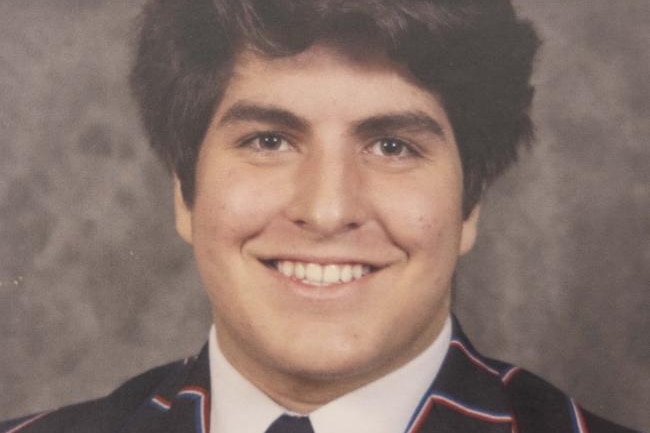
James Tsindos attended Brighton Grammar School in Melbourne’s bayside. (Supplied)
James was administered a third dose about 25 minutes after he arrived at hospital, by which point he had begun to have trouble breathing.
Despite these missed opportunities, the coroner said she could not conclude if more urgent treatment would have saved James’s life.
“I express my regret to the family that I am not able to do so,” Ms Gebert told the court.
She did conclude that earlier administration of the third adrenaline dose would have improved his chances of survival.
She acknowledged it was a complex case because on arrival at the hospital James appeared well.
“There was no hint, based on his presentation at that time, that within 20 minutes James would be unconscious,” she said.
Teenager’s death a ‘tragedy’, but not in vain
The coroner found more than 12 per cent of young people with nut allergies experience inadvertent exposure in a five-year period.
The vegan meal James ordered was labelled as containing “cashew cheese” but the coroner suspected “he presumed … it would only be made of cheese”.
She noted there was an increase in people experiencing anaphylaxis from vegan dishes ordered online and recommended that the Department of Health take action to improve safety around this issue, flagging consumer education or labelling of plant-based or vegan food substitutes.
Ms Gebert handed down eight recommendations in total, including improved triage handover between paramedics and hospitals and a consideration of new medical guidelines for the treatment and resuscitation of patients with asthma and anaphylaxis.
She also recommended the Royal College of General Practitioners consider whether improved education and allergy testing was needed for young people with food allergies who suffer asthma.
Speaking outside court, the lawyer representing the Tsindos family, Shari Liby, said what happened to James was a “tragedy” but she hoped the coroner’s recommendations would keep other people safe in the future.
“So while our family home is no longer filled with the sound of James at the piano, we do feel some gratitude to know that his death has not been in vain,” she said.