
 Weight Loss Drugs Challenge Big Food As Diets Change – Moby
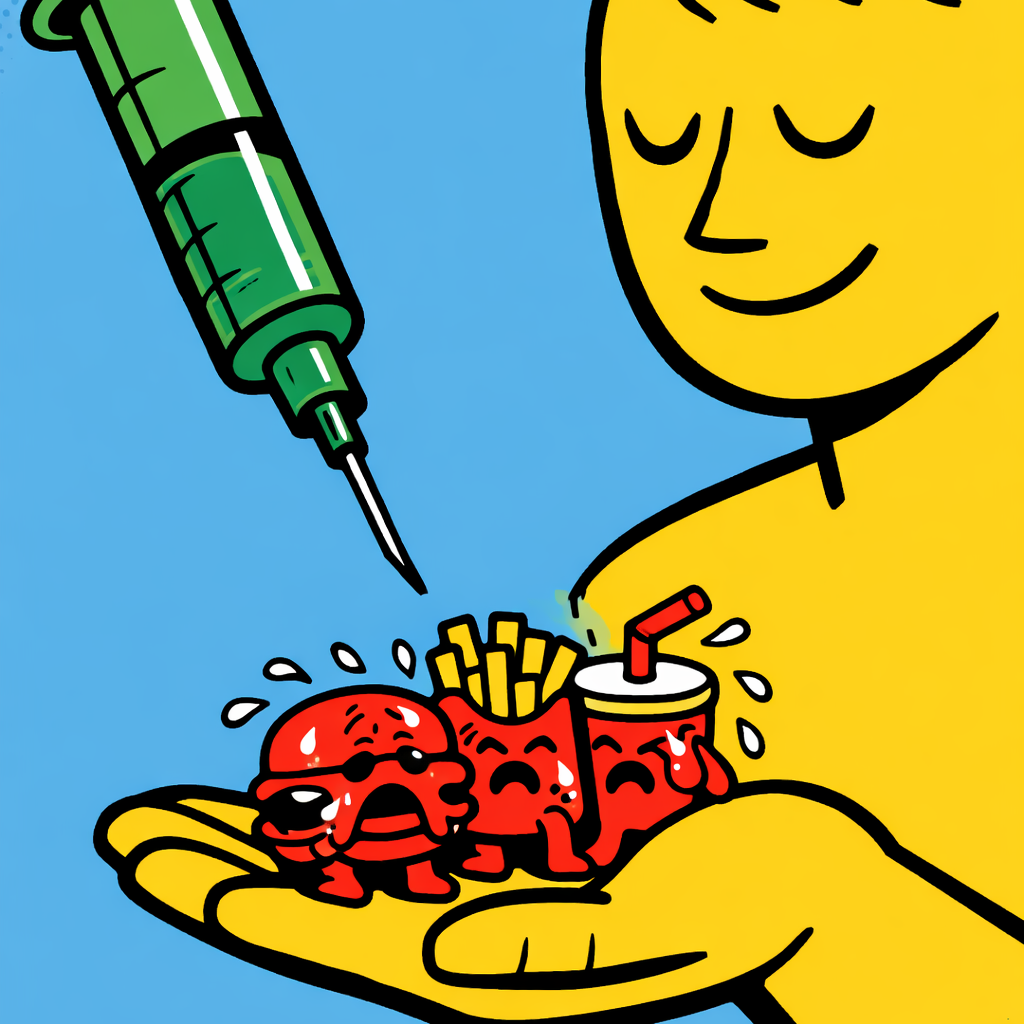
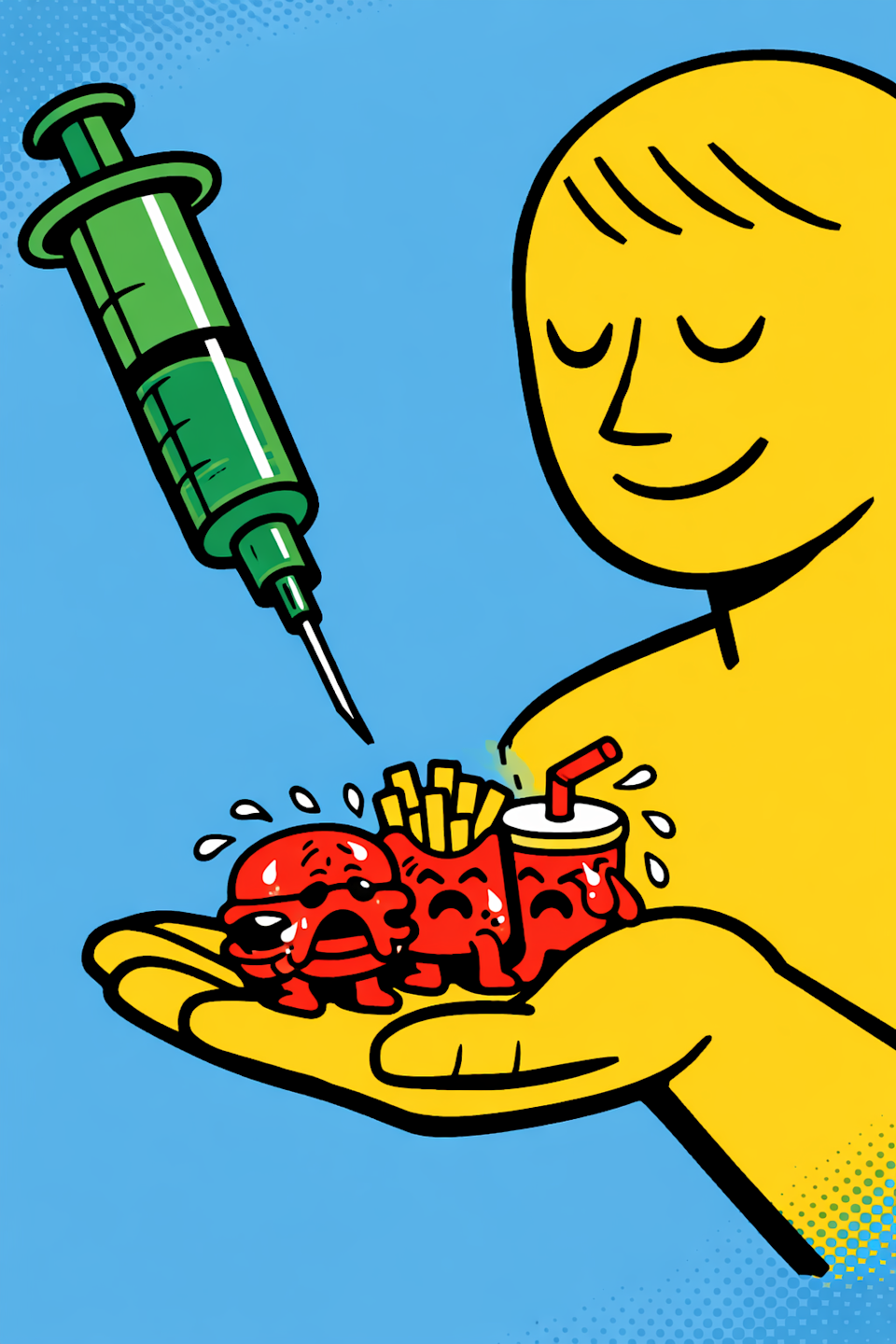
Americans are making healthier choices, and Big Food is staring down a $12 billion bill over the next decade. GLP-1 weight-loss drugs like Ozempic, Mounjaro and Wegovy have reached 20% of U.S. households. Big Food’s counterattack involves removing additives, shrinking packages, sprinkling in protein and fiber, and hoping Sun Chips can outrun semaglutide.
About one in five U.S. households now has someone taking a GLP-1 drug. Usage has more than doubled over the past year. These medications can cut calorie intake by roughly 40%, especially from sugar and alcohol, while nudging consumers toward nutrient-dense food.
GLP-1 drugs are taking a bite out of Big Food, reshaping demand for high-calorie, high-sugar, processed staples that anchor industry profits.
PepsiCo and Coca-Cola initially played wait and see. Once it became clear GLP-1s had staying power, the tone shifted. This year alone, nearly three dozen non-healthcare companies have referenced GLP-1 treatments or weight loss on earnings calls. That’s up from 14 during the same stretch last year and just five two years ago.
The data explains the nerves. For the first time, rising GLP-1 usage is contributing to a decline in sugar demand, pushing prices to five-year lows.
So the rebrand begins. Everything is now “functional.”
PepsiCo CEO Ramon Laguarta insists this is an opportunity. The company is leaning into portion control, single-serve packaging, hydration plays, fiber-forward snacks and “functional beverages,” which translates to Gatorade in a new outfit and Lay’s with added fiber. Laguarta has called fiber the company’s next-generation nutrient focus, complete with fiber-enhanced colas aimed at GLP-1 users.
Coke’s incoming CEO Henrique Braun is preaching speed. After flagging slower revenue growth and softer soda demand, he told analysts innovation needs to accelerate. Expect more protein in Fairlife, less sugar in drinks and smaller packaging across categories.
Executives increasingly frame GLP-1s as a structural shift in consumer behavior. Companies are pouring billions into R&D to keep pace. General Mills plans to lift capital spending by up to 23% to chase nutrient-dense innovation. The rest of the aisle is following.
Our analysts just identified a stock with the potential to be the next Nvidia. Tell us how you invest and we’ll show you why it’s our #1 pick. Tap here.
GLP-1 drugs suppress appetite and dramatically reduce caloric intake. Studies suggest users consume up to 40% fewer calories, with sharp pullbacks in dessert and alcohol and a tilt toward produce.
The category-level data is even starker. PwC finds dessert consumption down 84% among adopters. Alcohol falls 33%. Fresh produce jumps more than 70%.
Grocery baskets are shrinking. Family households are spending about 5% less on food. Single-person households are down 9%. That signals a volume story, not just a mix shift.
The snack industry alone generates north of $20–25 billion annually in salty snacks. A projected $12 billion cumulative drag over the next decade may sound incremental in percentage terms. It is real money in an industry built on steady, dependable growth.
When a drug can erase demand with a weekly injection, brand loyalty starts to look fragile.
Lower sugar consumption is healthier for Americans and brutal for parts of the supply chain. Sugar beet farmers, processors and factory workers will feel it as demand softens.
For Big Food, GLP-1s represent both threat and catalyst. The industry built empires on salt, sugar and scale. Now it is racing to retrofit those empires for a consumer who feels full faster and reads nutrition labels.
This sugar slowdown hits at the core of legacy brands. What is Coke with less sugar. What is Lay’s with extra fiber. The grocery aisle is about to find out.
One stock. Nvidia-level potential. 30M+ investors trust Moby to find it first. Get the pick. Tap here.