
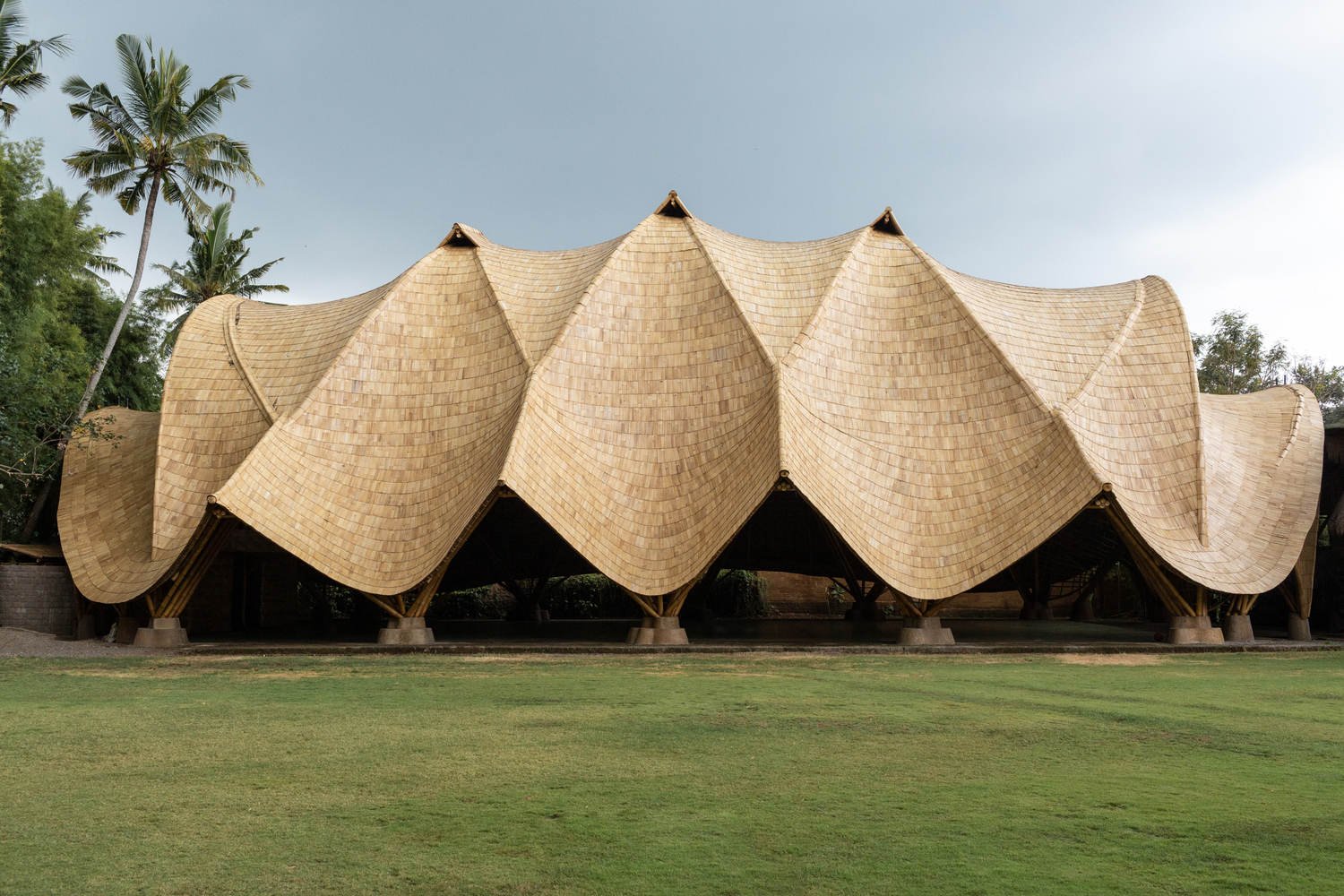
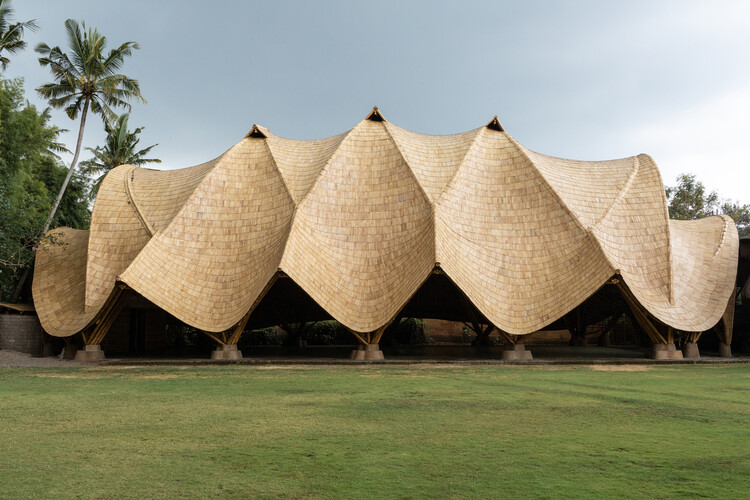
 The Arc at Green School by IBUKU. Image © Tommaso RIva
Share
Or
https://www.archdaily.com/1038931/world-day-of-social-justice-2026-labor-rights-spatial-equity-and-resource-governance
Today, 20 February, the United Nations marks World Day of Social Justice under the theme “Renewed Commitment to Social Development and Social Justice.” This year’s observance takes place in the aftermath of the Second World Summit for Social Development in Doha and the adoption of the Doha Political Declaration, renewing the commitments first articulated in the 1995 Copenhagen Declaration: poverty eradication, full and productive employment, decent work for all, and social inclusion as interdependent pillars of development. At a moment defined by widening inequalities and accelerating environmental and technological transitions, the 2026 commemoration calls for translating political affirmation into measurable, cross-sectoral implementation.



Established by the United Nations General Assembly in 2007, World Day of Social Justice has evolved into a platform for examining the links between social development, human rights, peace, and economic transformation. The Doha Political Declaration emphasizes embedding social objectives within macroeconomic, labour, climate, digital, and industrial strategies, recognizing that fragmented policy approaches risk deepening structural inequalities rather than resolving them. Although global gains have been recorded in poverty reduction, education access, and social protection coverage, persistent labour informality, gender disparities, territorial imbalances, and declining trust in institutions continue to shape uneven development trajectories. The 2026 observance places particular emphasis on strengthening labour market institutions, ensuring living wages, expanding universal social protection, and supporting transitions from informal to formal economies. It also underscores the need for equitable green and digital transitions, as climate adaptation infrastructure, energy systems, and technological networks reshape cities and regions at an unprecedented pace.
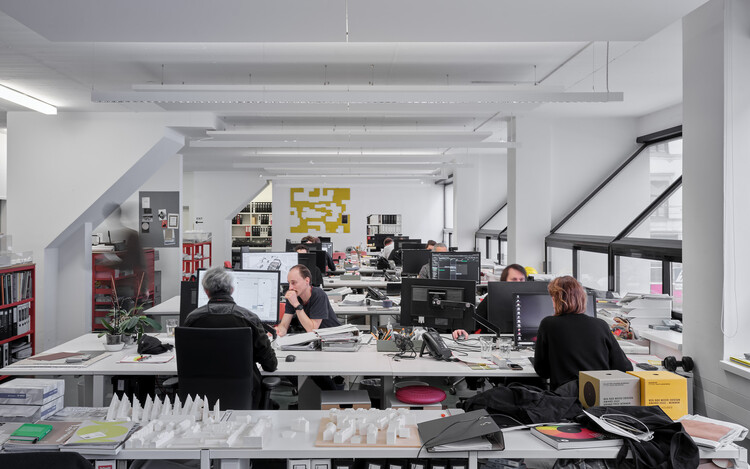 Feld72 Architekten. Image © Marc Goodwin
For architecture and urbanism, these dynamics are neither abstract nor peripheral. Patterns of exclusion materialize spatially, through housing precarity, unequal access to sanitation and mobility, exposure to environmental risk, and disparities in public investment. Resource governance, including the growing pressures of water scarcity, increasingly intersects with poverty and inequality. Intensifying droughts, aquifer depletion, and uneven access to drinking water amplify existing vulnerabilities, particularly in informal settlements and under-resourced territories. Recent warnings from the United Nations University Institute for Water, Environment and Health describing an era of “global water bankruptcy” highlight how ecological stress is inseparable from social justice. Infrastructure resilience, labour conditions, and environmental stewardship are now interwoven within the same spatial agenda.
Related Article World Wetlands Day 2026: Integrating Traditional Knowledge for Climate Resilience Labor, Informality, and the Ethics of Production
Within architectural discourse, social justice often begins with labour. The construction sector remains one of the world’s largest employers, yet it continues to face persistent challenges related to wage precarity, authorship, informality, and opaque global supply chains. The Decent Work Agenda institutionalized by the International Labour Organization frames employment quality as a central pillar of sustainable development, a principle echoed in Sustainable Development Goal 8. In spatial practice, this extends beyond working conditions on site to encompass procurement models, intellectual authorship, and the environmental externalities embedded in materials extraction, including water-intensive production processes. Questions of who benefits from value creation in architecture, and who bears its environmental and economic costs, remain central to the justice debate.
Fighting Slavery and Child Labor in Architecture: An Interview with Sharon Prince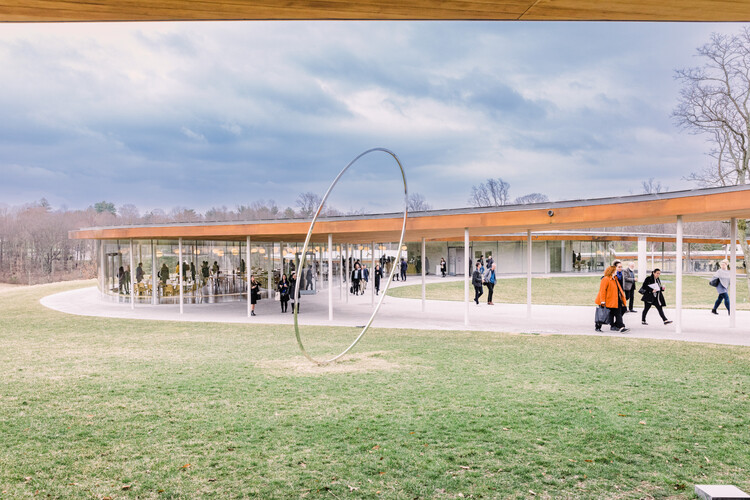 “Temporal Shift” sculpture by Alyson Shotz at Grace Farms. Image © Jacek DolataThe Architecture of Labor: Working Conditions and the New Normal
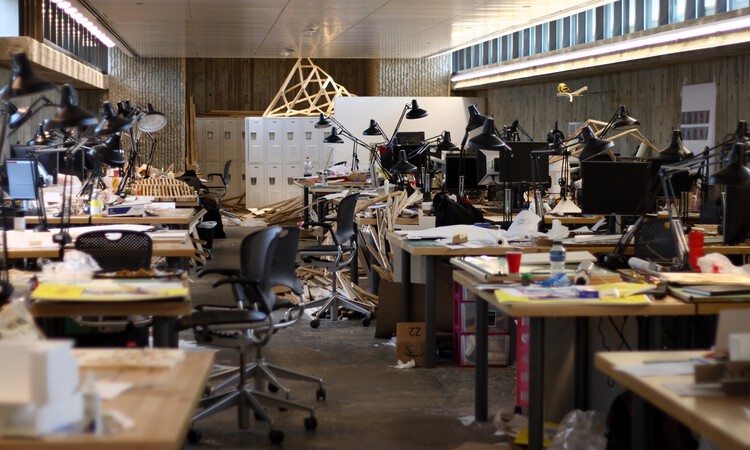 © via Duo Dickinson, Architectural ReviewCan Architects Finally Have a Seat at the Table? Labor Rights and Work Conditions in Architecture
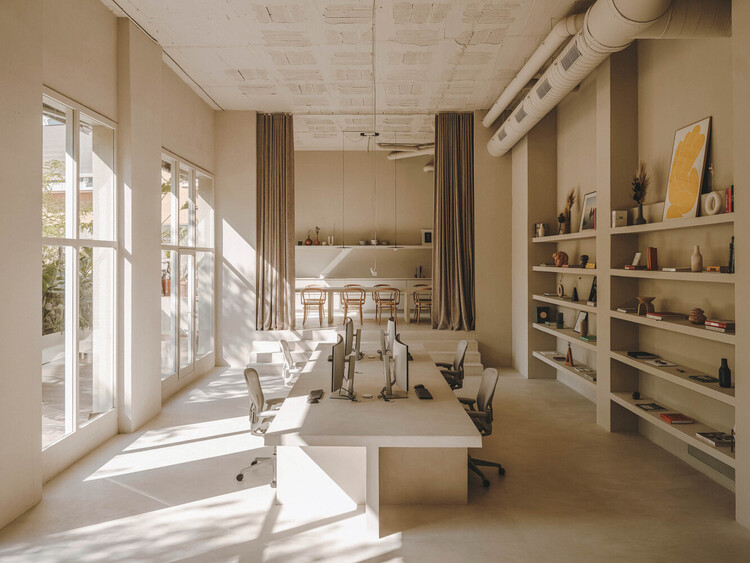 Six N. Five Studio Renovation / Isern Serra. Image © Salva LopezMaterials or Labor, What Should Cost More?
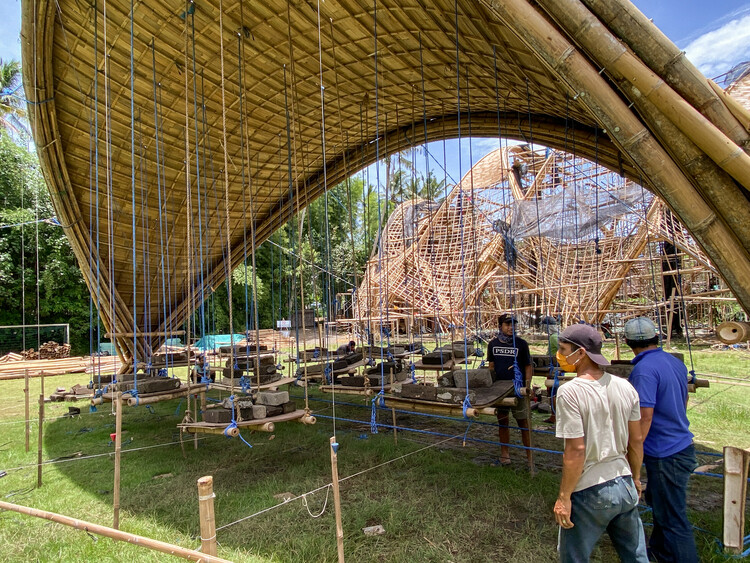 Saddle Test Gridshell for The Arc at Green School by IBUKU. Image Courtesy of IBUKUOn Ethics and Fair Labor in Architecture: The Example of Theaster Gates’ Serpentine Pavilion Design
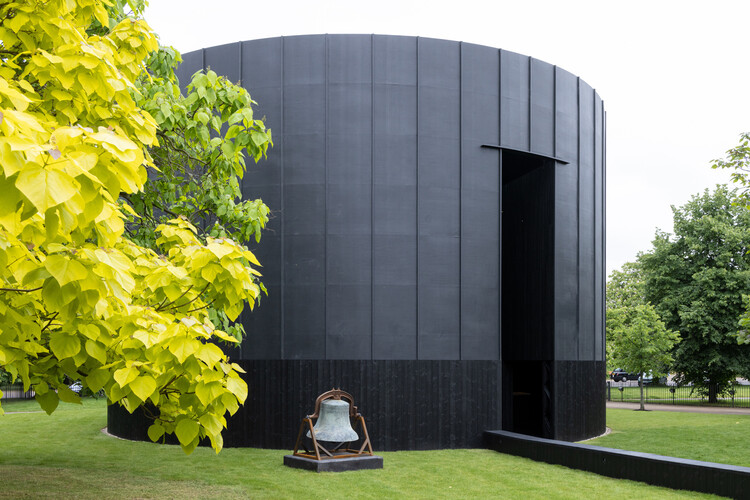 Serpentine Pavilion 2022 – Theaster Gates. Image © Iwan BaanGrace Farms Opens Long-Term Exhibition Focused on Forced Labor and Building Materials Supply Chains
 Grace Farms Long-Term Exhibition Focused on Forced Labor and Building Materials Supply Chains. Image Courtesy of Grace FarmsArchitectural Authorship in the Age of the Collective Practices
 Colectivo MEL. Image © Marc GoodwinSpatial Equity, Access, and Territorial Disparities
Social justice is equally expressed through access to housing, mobility, sanitation, public space, and basic utilities. Planning frameworks determine how infrastructure networks are extended, upgraded, or withheld, shaping patterns of inclusion and exclusion across territories. Informal settlements, incremental housing systems, and environmentally vulnerable occupations often reveal how inequality is embedded spatially. Climate pressures, including intensifying droughts and uneven water distribution, further exacerbate these divides, disproportionately affecting communities with limited political representation or financial capacity. Designing for equity, therefore, involves aligning land policy, risk mitigation, and service provision with participatory processes that strengthen community resilience.
Designing for All: Exploring Empathy, Inclusivity, Accessibility, and Spatial Equity in Architecture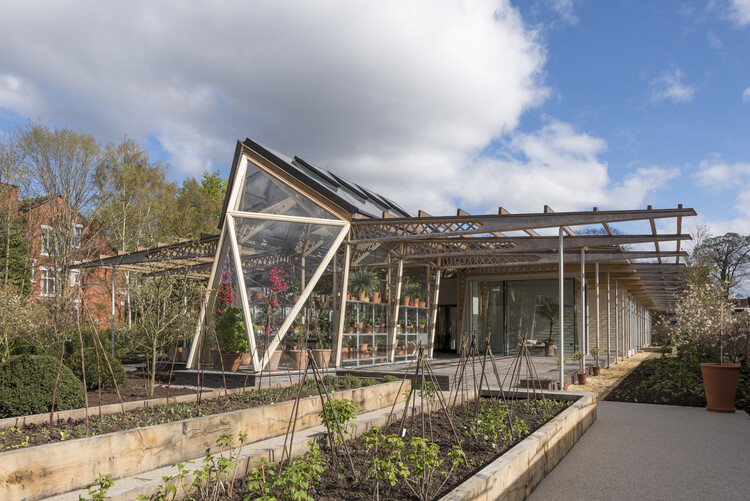 Maggie’s Cancer Centre Manchester / Foster + Partners. Image © Nigel Young, Foster + PartnersOvercoming Barriers: Social Justice in Latin American Architecture
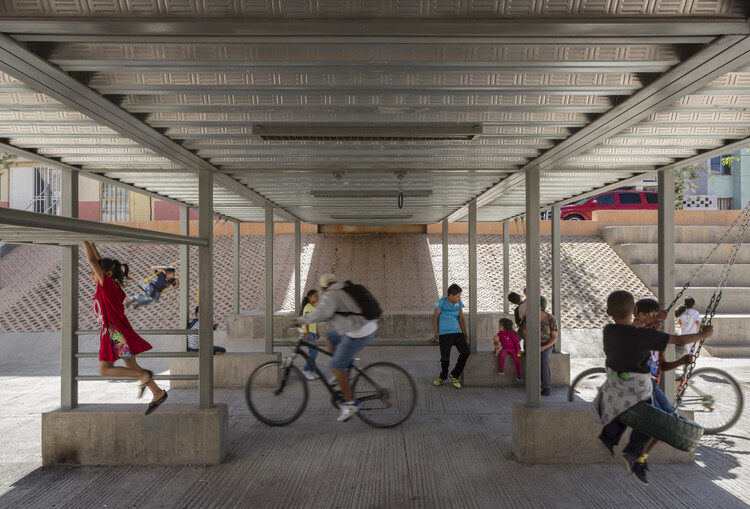 Parque Fresnillo en México / Rozana Montiel | Estudio de Arquitectura + Alin V. Wallach. Image © Sandra PereznietoWhat Informality and Incrementality Reveal About Sustainable Urbanism in India
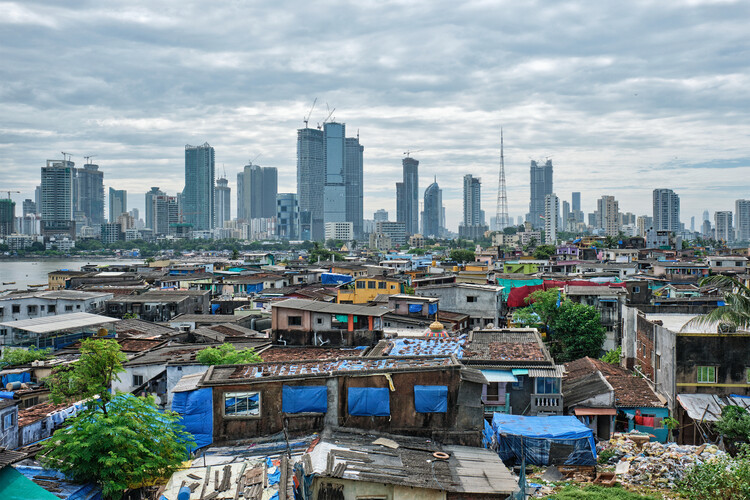 Informal settlements in the Bandra suburb – Mumbai, Maharashtra, India. Image © Dmitry Rukhlenko/ShutterstockHow Amsterdam Uses the Doughnut Economics Model to Create a Balanced Strategy for Both the People and the Environment
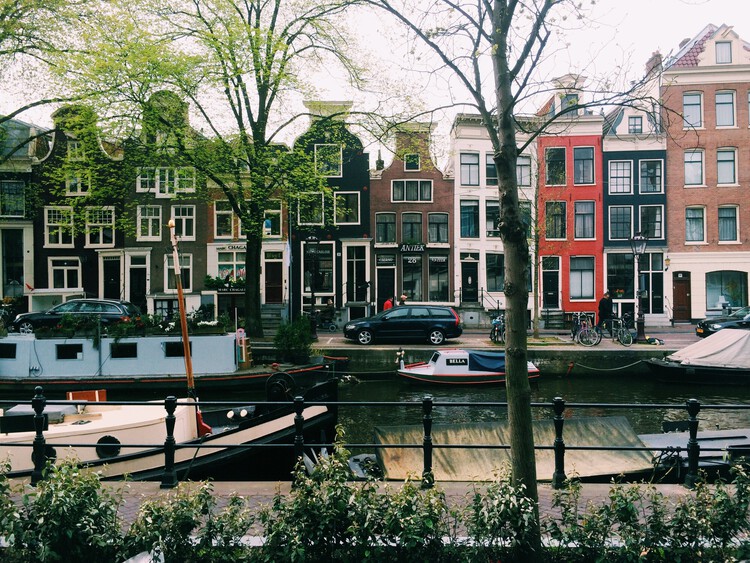 Dutch Canal Houses. Image © James Taylor-FosterEcological Limits, Water Governance, and Just Transitions
Environmental constraints are increasingly shaping the spatial implications of social development agendas. In many regions, water management has become a determining factor in infrastructure planning, urban expansion, and territorial policy, as drought cycles, aquifer depletion, sea-level rise, and shifting precipitation patterns influence land-use strategies and building systems. Beyond arid contexts, coastal settlements facing saline intrusion and rapidly urbanizing areas dependent on groundwater extraction are reassessing long-term infrastructure investment and growth models. At the same time, disparities in access to potable water and sanitation continue to produce differentiated urban conditions, linking hydrological systems to broader development patterns. Within architectural and urban discourse, this evolving context has prompted expanded engagement with water-sensitive urbanism, adaptive infrastructure approaches, decentralized collection and reuse strategies, and material life-cycle evaluation, situating resource management within wider spatial and environmental frameworks.
Designing for Water Scarcity: How Architects are Adapting to Arid Environments Concave Roof System. Image Courtesy of BMDesign StudioEfficient Water Management and Collection as Seen in 3 Indian Residential Projects
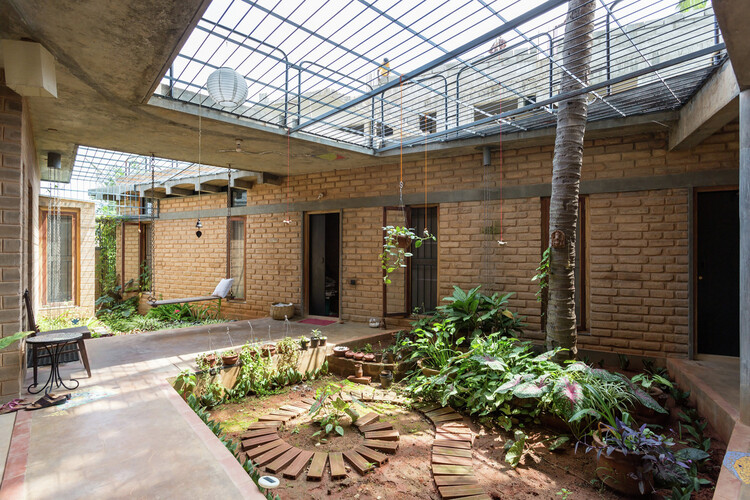 Residence for Charis / Biome Environmental Solutions. Image © Vivek MuthuramalingamWhat’s the Water Footprint of Your Architecture Project?
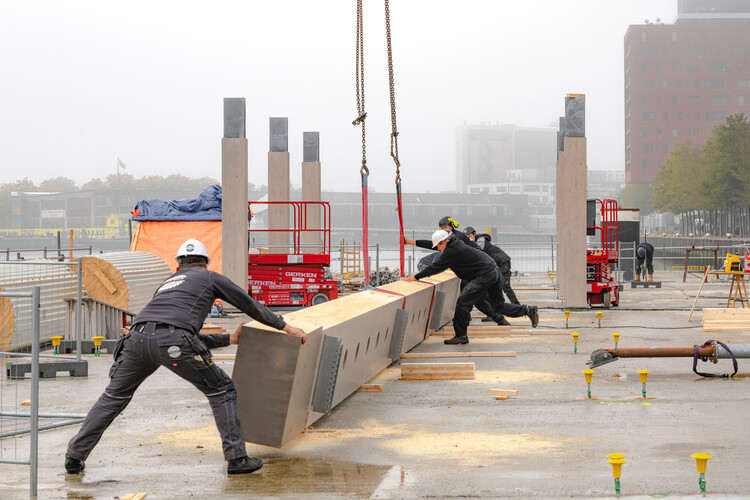 e Floating Office Rotterdam (FOR) / Powerhouse Company. Image © Sebastian van DammeCommunity Growth Through Architecture: Maximizing Limited Resources for Positive Impact
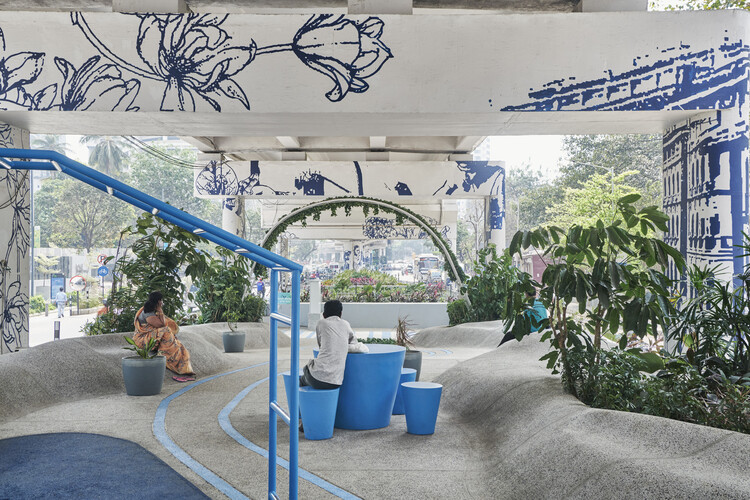 One Green Mile / MVRDV. Image © Suleiman MerchantLow-Tech Solutions for Complex Demands: An Interview with Architect Henry Glogau
 Courtesy of Henry Glogau
Explore ArchDaily’s input into recent United Nations International Days: International Day of Education, Intxernational Migrants Day, Human Rights Day, and International Youth Day.