
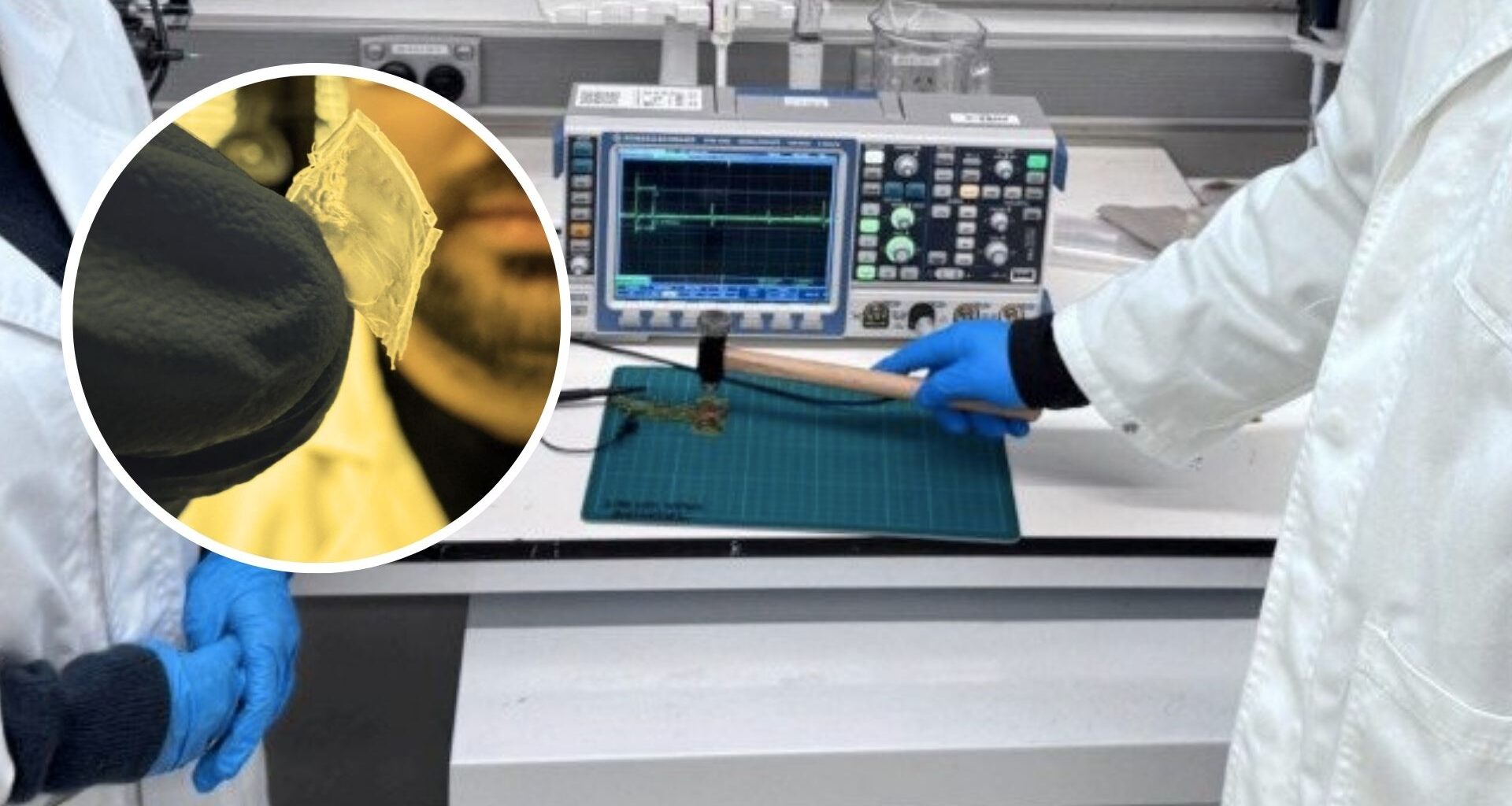
Researchers have become successful in generating electricity from compression using a flexible nylon-film device. RMIT University researchers’ device keeps working even after being run over by a car multiple times.
This achievement opens the door to self-powered sensors on our roads and other electronic devices.
The team also pointed out that nylon innovation support new technologies for traffic-management sensing on roads.
Certain materials can produce an electrical charge when they are squeezed
Researchers also revealed that certain materials – such as quartz, some ceramics and even bone – produce an electrical charge when they are squeezed, pressed or vibrated. This is piezoelectricity, coming from the Greek “piezein” meaning to press.
Modern vehicles rely on piezo components in fuel injectors, parking sensors, airbag systems and other functions. The latest innovation could provide a more durable alternative material for such components.
The team also claimed that the breakthrough tackles a long‑standing problem with energy‑harvesting plastics, which can produce power from movement but are often too fragile for real‑world use, while also reducing carbon emissions by using ambient energy naturally present in movement and pressure.
High-frequency sound vibrations used
Researchers used high-frequency sound vibrations while applying an electric field as the nylon solidified, helping its molecules form a more ordered structure. This technique enabled the nylon device to generate electricity each time it was bent, squeezed or tapped.
The team found a simple way to transform nylon into an energy generator that was “incredibly resilient”.
“This method could power next-generation devices that need to survive real-world stresses – whether that’s wearable tech, sensors or smart surfaces,” said Distinguished Professor Leslie Yeo from the School of Engineering.
Dr Amgad Rezk said the process offered significant advantages for industry, with an energy-efficient and scalable approach.
“We’re excited to see where prospective industry partners could take this technology, from flexible electronics to sports equipment.”
Nylon by itself does not convert movement into electricity efficiently, limiting its potential in powering everyday devices. The team used a durable industrial plastic called nylon‑11 that, unlike common nylons, can generate electricity from pressure when its molecules are carefully aligned, according to a press release.
The nylon films were flexible, tough and reliable, maintaining their ability to turn movement into power.
“Our nylon devices can harvest energy simply from compression during motion,” said Komljenovic.
“The thin-film devices are so robust, you can fold them, stretch them, even run a car over them – and they keep making power. This could mean new ways to charge small devices using compression from the movement of people, machines or vehicles.”
The researchers plan to scale up the technology for larger applications and exploring partnerships with industry to bring this innovation to market.