
A new free trade deal with the European Union (EU) is imminent and Australian farmers are anxious about what it will include.
After years of negotiations, and abandoned talks in 2023, a new trade agreement between Australia and the EU is expected to be signed within weeks.
National Farmers Federation (NFF) president Hamish McIntyre is pushing for a high-quality deal but is worried about the trade-offs.
“We need free trade agreements as farmers in Australia,” he said.
“We produce our ethically and sustainably produced food in Australia with very little, if any, subsidy so we need to remember that.”
Meanwhile, for shoppers the trade deal could create competition for some supermarket items, including cheese.

Progress was made when Don Farrell met EU ministers in Brussels in early February. (Supplied: Supplied: Minister for Trade and Tourism)
Dairy farmers nervous about sell-out
A deal would give Australian producers increased access to lucrative markets in Europe, with quota and tariff changes, but there would also be more European imports.
And while it would boost competition and choice for Australian consumers, local dairy farmers are concerned they would take a hit.
“We cannot afford for our dairy industry to be flooded with more product coming in from Europe that will really, really push it to the limits,” Mr McIntyre said.
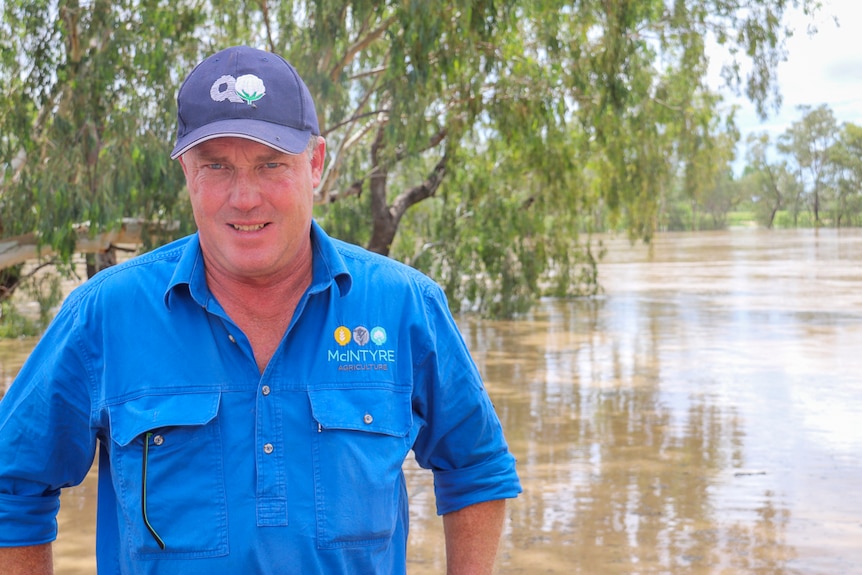
Hamish McIntyre says a good free trade deal with Europe will underpin Australian agriculture for decades to come. (ABC News: Lydia Burton)
Australian Dairy Farmers president Ben Bennett said Europe was a cheese “mega machine.”
“The EU is the biggest cheese producer in the world by a country mile,” Mr Bennett said.
“They’ll have surplus they’ll want to park in another first-world country and Australia will pay, of course.”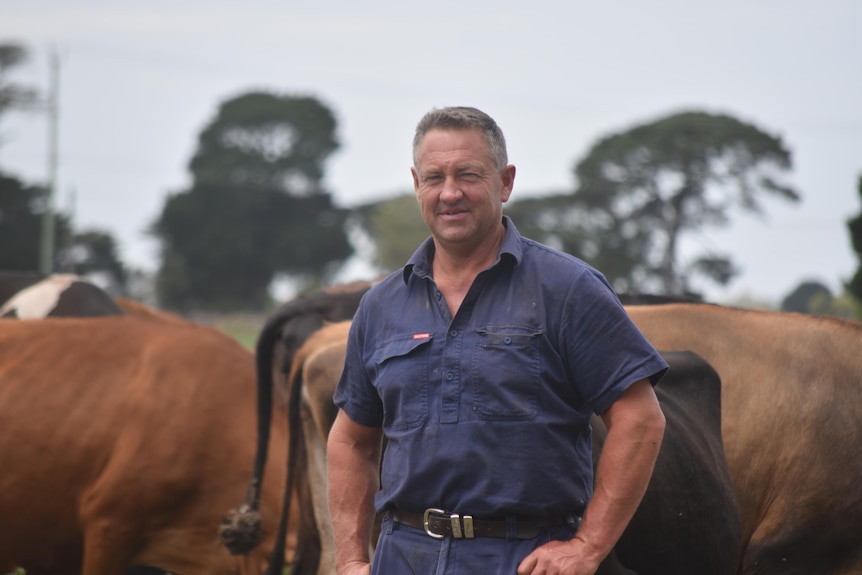
Ben Bennett is concerned Australian dairy will be sold out during free trade negotiations. (Supplied: Peter Somerville)
Labels a sticking point
Negotiations have also focused on geographical product names such as prosecco, kalamata olives, feta and parmesan.
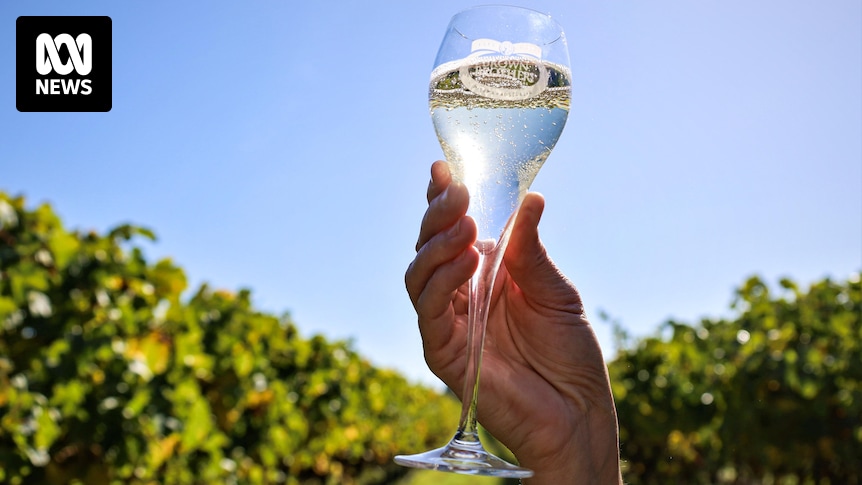
Victoria’s King Valley has produced most of Australia’s prosecco since the variety was planted there in 1999, with domestic production now worth $200 million.
Brown Brothers winery portfolio manager Katherine Brown said she had been fighting for 15 years to keep the name, and was not giving up.
“I’m feeling optimistic — hopefully we can put this prosecco-naming argument to bed,” Ms Brown said.

Prosecco producers have been fighting for years to retain use of the name. (ABC Rural: Annie Brown)
“It’s not just important for the King Valley, it’s important for generations to come, whether the EU keeps at us about other grape varieties like sangiovese.
“Hopefully by the end of next month, we will be popping the corks on prosecco with the knowledge that we can keep the name forever.”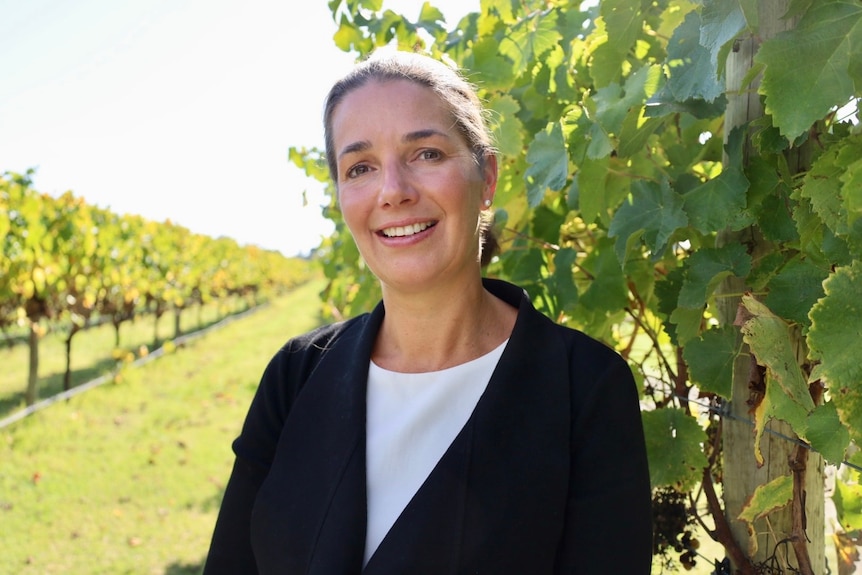
Katherine Brown hopes Australian winemakers can retain the prosecco name. (ABC Rural: Annie Brown)
Australian dairy is also on edge about the future of feta, mozzarella and parmesan names.
Mr Bennett said he “definitely” believed they were “at risk” of being lost to Australian producers in the deal.
“We’ve been advocating to stand firm on that. Time will tell, but it is possible,” Mr McIntyre said.
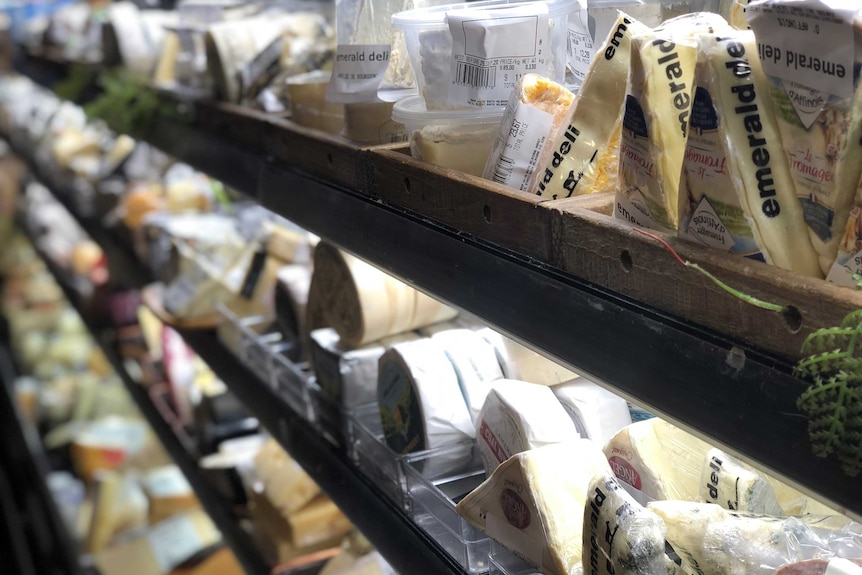
The EU wants Australia to stop using geographical names such as feta, parmesan and mozzarella. (ABC News: Marty McCarthy)
High-value market opportunities
While the dairy and wine industries are concerned, red meat producers are eagerly anticipating new opportunities.
Riverina prime lamb producer Tom Bull, in southern New South Wales, said improved access to the “high-value” EU market was long overdue.
“Since 1930, New Zealand has had 87 per cent of the quota in the EU and it certainly is very limiting.
“There’s a lot of high-end food service and retail operations in the EU.”
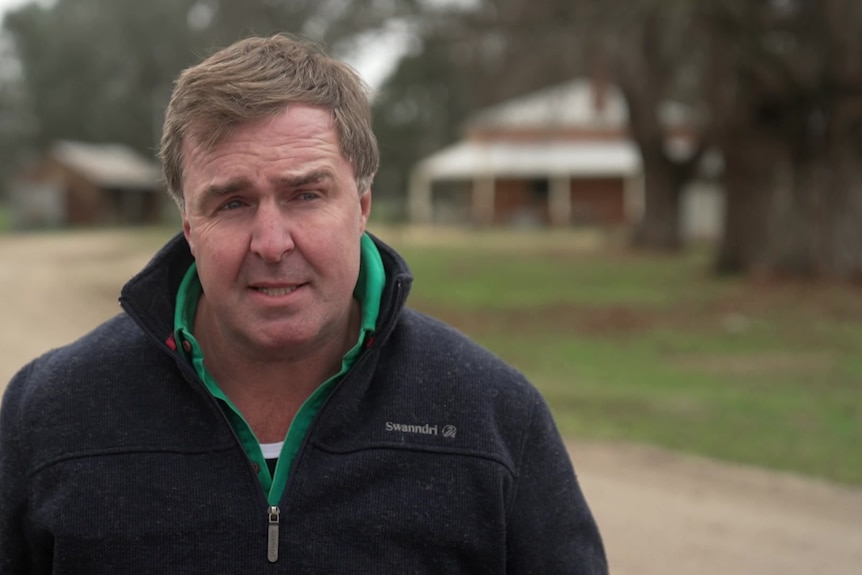
Tom Bull says a new trade deal with the EU would add value at the farm gate for sheep producers. (ABC Landline)
Australian red meat representative for the Free Trade Agreement negotiations Andrew McDonald said a rebalance was needed.
“We’ve got some pretty open trade for agriculture coming back this way from the EU, but we’d like to see that as a two-way street.
“There’s a long gap to close in that space.”
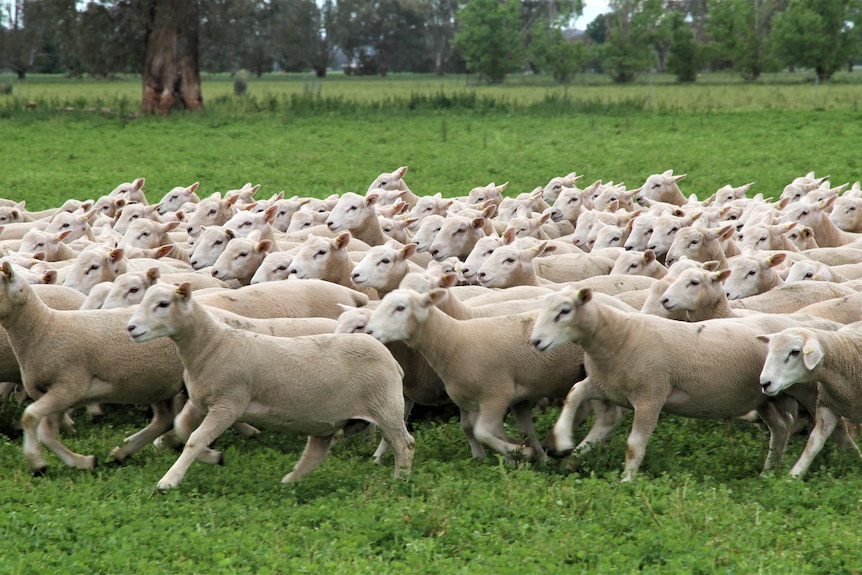
Australian lamb farmers want to be able to send more of their meat to Europe. (ABC Rural: Annie Brown)
Sweet deal important
Australian sugar has also struggled to find a place in the European market.
After a global crash that saw prices fall almost 40 per cent since April 2025, Canegrowers chairman Owen Menkens hoped access was close.
“It’s really important that we get a good deal because Australian sugar farmers are hurting at the moment,” Mr Menkens said.
In January, the EU finalised a deal with Mercosur, the South American trade bloc made up of Argentina, Paraguay, Uruguay and sugar powerhouse Brazil.
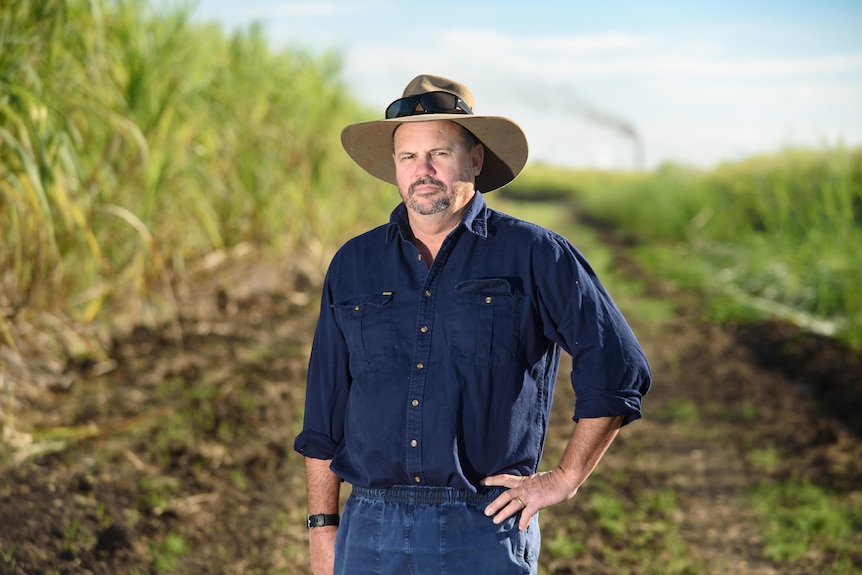
Owen Menkens says the European refineries want Australian sugar and are willing to pay a premium, but sky-high tariffs need to go. (Supplied: Canegrowers Australia.)
Farmers across the EU protested against it, but Mr Menkens said Australia should get the same deal.
“In that agreement, there was 180,000 tonnes of tariff-free [raw] sugar allowed into the EU from Brazil,” he said.
“They should be able to allow us in as well.”
But he is concerned the federal government has not communicated with the local industry during the latest talks.
“In 2023, we were right in the discussion. We were there with the [trade] minister when he was about to make the decision to sign,” he said.
“This time that hasn’t happened, we’ve been sidelined.”Government ‘on farmers’ side’
Only a small number of outstanding matters are yet to be resolved after talks between Trade Minister Don Farrell and EU ministers in Brussels earlier this month.
When it’s ready, the deal will go to Prime Minister Anthony Albanese and EU President Ursula von de Leyen for sign-off.
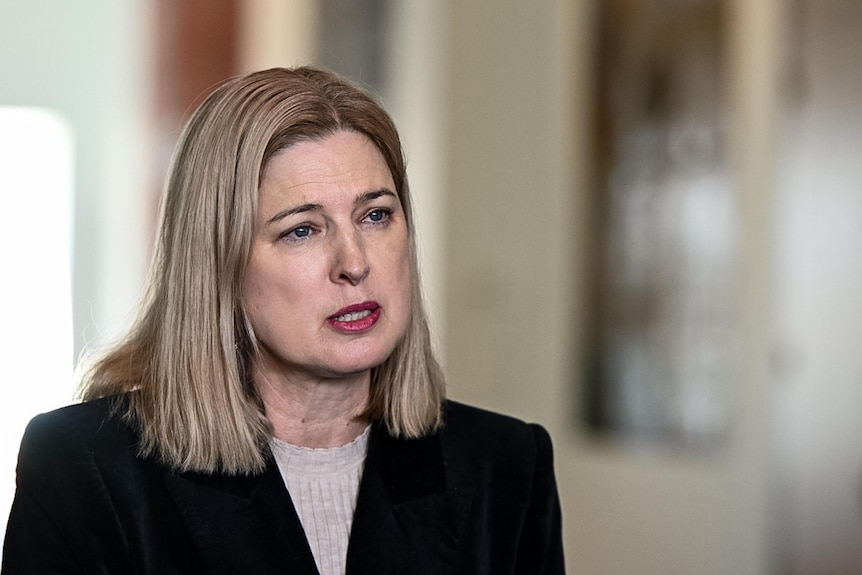
Julie Collins says Australia is committed to ensuring a free trade deal with the EU is in its interests. (ABC News: Brendan Esposito)
Agriculture Minister Julie Collins said the government would only accept an agreement that was better than what they walked away from in 2023.
“The government’s on the side of Australian ag and we want a deal that’s in the nation’s best interest,” she said.
“What I want to see is, across the board, Australian agriculture do better.”
Ms Collins said she hoped Australia could retain the use of the product names.
“They’re great Australian products and certainly those discussions continue with the EU.”
Additional reporting by Warwick Long, Joshua Becker, Annie Brown and Kallee Buchanan.