
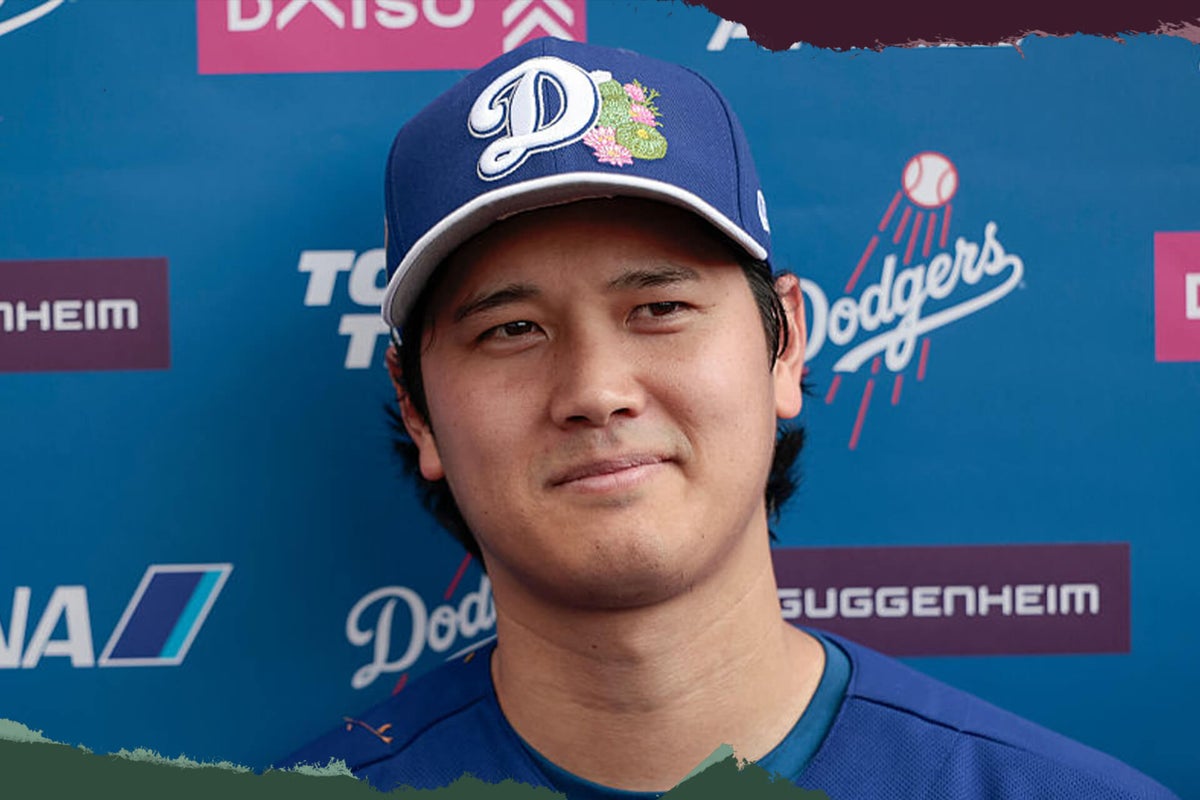
Spring may not have officially sprung, but the siren sounds of the season began ringing out in Arizona and Florida this week as baseball players reported for spring training. The upcoming MLB season will be the tensest in some time, with the twin clouds of an expiring labor agreement and broadcast rights uncertainty hanging low over the on-field action.
On this episode of “The Athletic Show,” Rates & Barrels podcast host Derek VanRiper joins the crew to talk about the big questions dogging baseball in 2026 — primarily the concern of a potential lockout.
The current collective bargaining agreement is set to expire in December, and the biggest issue of all — the institution of a salary cap — is the one on which the two sides are furthest apart. Team owners argue that the decline in regional broadcast revenue, coupled with outsized spending from franchises like the Los Angeles Dodgers and New York Mets, necessitates a payroll cap to ensure competition.
Unlike other major sports, baseball has no limit on roster spending, and small-market teams claim that without broadcast dollars rolling in, they cannot keep pace with teams like Los Angeles and New York (though it should be noted that no team in history has ever opened its books to prove that claim). The players’ union (MLBPA) has repeatedly said a salary cap is a non-starter, and the free-market nature of free agency has always been seen as a necessary counter to the rookie pay scale and arbitration system that controls players’ salaries through the early part of their careers.
Complicating things further is the resignation of the MLBPA’s executive director, Tony Clark, who stepped down after revelations about an inappropriate relationship with his sister-in-law. Clark’s abrupt departure happened amid an ongoing federal investigation into the MLBPA’s finances and allegations of impropriety, leaving the union in a state of upheaval heading into the sport’s biggest labor negotiation this century. The expectation is that the two sides won’t reach an agreement by the December deadline, leading to a lockout.
MLB’s last lockout in 2021-2022 shut down free agency and trades over the winter, and pushed the start of the season back to April 7 (though a full 162-game season was played). But the doomsday scenario is the 1994 strike, which began in August of that season and resulted in the cancellation of the remaining regular season and entire postseason. It was the longest work stoppage in baseball history (continuing into April of 1995), and the sport took years to recover from the damage.
With such a possibility looming, the impacts on trades and contract negotiations in 2026 will be tremendous, not to mention on-field play.
Change isn’t just reserved for the future, though. This season, “robot umps” will make their debut with the official rollout of the Automated Balls and Strikes system. Human umpires will still call balls and strikes; each team gets two challenges per game. If a pitcher, catcher, or hitter thinks the ump got it wrong, they can signal for a challenge, and the AI system reviews the call (much like the line call system in tennis). The result will be shown on the in-stadium video board and on the broadcast. If the call is overturned in the challenging team’s favor, they keep their challenge.
While traditionalists say the system robs baseball of its signature “human element,” fans and players alike have seemed to like ABS in its testing phases. The competition committee approved the system, and though it was used at last year’s All-Star Game, 2026 will be the first time most fans have seen it in game action.
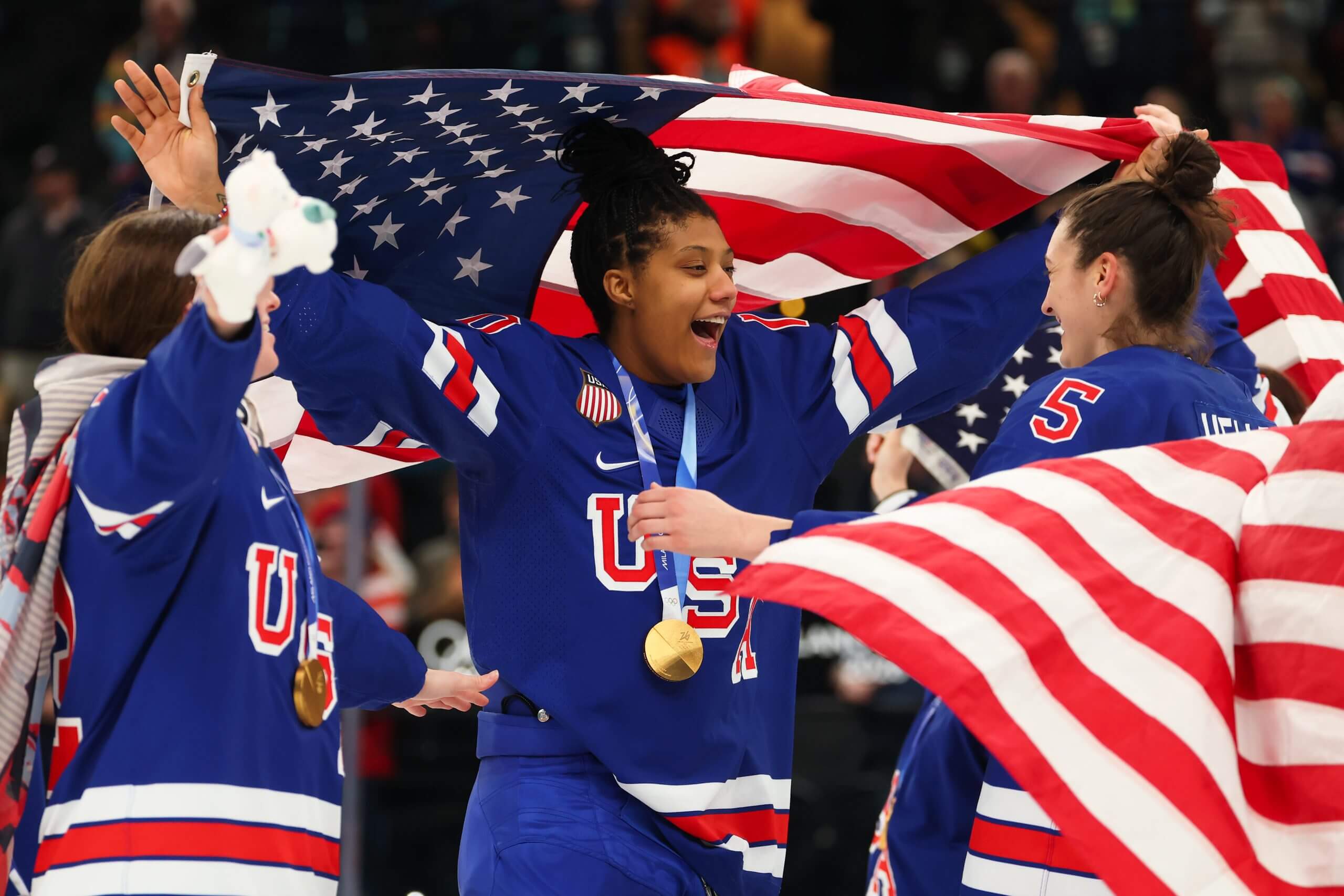
Laila Edwards and Megan Keller were among Team USA’s gold medal-winning stars at the Milan Cortina Olympics. (Gregory Shamus / Getty Images)
As baseball is just beginning, the world’s biggest sporting event is coming to a close. The final days of the Winter Olympics wrap an up-and-down performance by Team USA, with expected favorites taking tumbles and unlikely heroes rising to stardom. Athletic writer Lindsay Schnell joins the show from Milan to break down the highs and lows of these games, including the hype and heartbreak around the biggest names, and the thrilling hidden stories of lesser-known athletes.
Finally, we try to answer the question that has had readers of The Athletic debating for days: What’s the hardest coaching job in the world?
Our hosts make their cases for the New York Jets, Alabama Football, Manchester United, the dreaded Cleveland Browns, and take a look at some of the less-expected answers to that question.
You can watch the full conversation on the latest episode of “The Athletic Show” on Fire TV and wherever you get your podcasts.