


February 22, 2026 — 7:06pm
Save
You have reached your maximum number of saved items.
Remove items from your saved list to add more.
Save this article for later
Add articles to your saved list and come back to them anytime.
Got it
AAA
Thieves stole about 1700 alkaloid poppy plants from a farm in the Ballarat area earlier this month prompting health experts to warn the plant’s products could kill people.
Ballarat detectives are investigating the thefts that happened sometime between February 14 and 16.
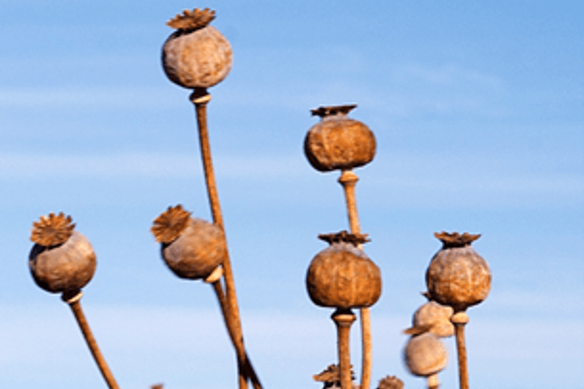 Thousands of alkaloid poppy plants, similar to those pictured, were stolen from a Ballarat area farm in February.Victorian Department of Health
Police have “strongly discouraged” anyone from handling, transporting or experimenting with the plants due to the life-threatening levels of toxicity.
The plants were grown for pharmaceutical use only, and at least 40 people were hospitalised with life-threatening conditions after drinking tea made from this type of poppy in recent years.
A drug alert from the Victorian Department of Health on Saturday said these poppy plants only have tiny trace amounts of opioids and can cause seizures and other issues.
“These poppies are very different from traditional opioid poppies and contain dangerously high concentrations of thebaine and oripavine, with risk of life-threatening toxicity. They contain only tiny (‘trace’) amounts of traditional opioids like morphine and codeine,” the alert said.
“Thebaine is very different from the opioids in traditional opium poppies.
“Thebaine does not produce pain relief, sedation or euphoria. Thebaine stimulates the nervous system and can lead to seizures, high body temperature, and life-threatening toxicity. Any exposure to thebaine may cause toxicity.”
Thebaine is used in the industrial manufacture of some drugs, among other uses.
The alert further warns people that the toxicity caused by these plants will not be reversed by the life-saving Naxolone that is used for treating opioid overdoses.
Editor’s pick
“Oripavine can produce opioid-like effects such as sedation, slowed breathing, and small pupils. However, oripavine is not used medically because it can also cause severe toxicity (agitation, seizures) and life-threatening complications at high doses,” it read.
“The effects may be unpredictable, particularly when combined with thebaine.
“Naloxone will reverse the opioid effects of oripavine but will not reverse the toxic stimulant effects. Naloxone will not reverse thebaine toxicity.”
At least 40 people experienced life-threatening symptoms from these kinds of products in 2022-2023.
“Poppy plant products may include dried flower heads (without petals), ground poppy-plant material, or liquid preparations derived from poppy plants. These products may contain high concentrations of thebaine and oripavine that lead to life-threatening toxicity,” the alert said.
“In 2022-2023 at least 40 people experienced life-threatening effects following consumption of thebaine-contaminated poppy seed ‘tea’ – including agitation, muscle twitching, high body temperature and seizures.”
Police continue to investigate the thefts and they have urged anyone who may have witnessed the thefts or has vision or information to contact them anonymously at crimestoppersvic.com.au or phone 1800 333 000.
The Morning Edition newsletter is our guide to the day’s most important and interesting stories, analysis and insights. Sign up here.
Save
You have reached your maximum number of saved items.
Remove items from your saved list to add more.
 Roy Ward is a sports writer, live blogger and breaking news journalist. He’s been writing for The Age since 2010.Connect via X or email.From our partners