
Certain products are exempted from the new tariffs, including energy products, pharmaceuticals and active pharmaceutical ingredients, some electronics and aerospace items, as well as metals used in currency and bullion. Semiconductors and pharmaceuticals are excluded as they may fall under separate Section 232 tariffs, which have not yet been implemented.
The Ministry of Trade and Industry said it is monitoring developments and will seek clarity from US authorities on implementation details, including whether processes for tariff refunds will be put in place.
The ministry noted that according to US Census Bureau data, the US ran a goods trade surplus of US$3.6 billion with Singapore in 2025, higher than the surplus of US$1.9 billion in 2024.
IMPACT OF TARIFFS
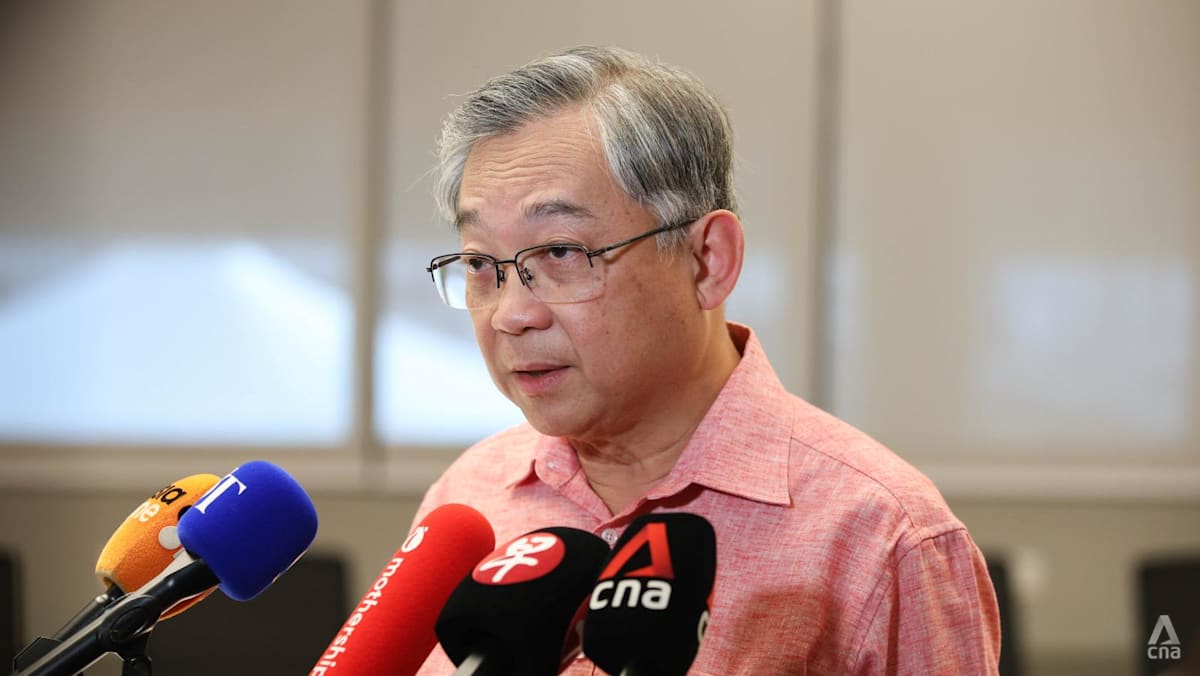
Asked for his assessment of the new tariff’s impact, Mr Gan said this depended on details of how it was implemented and how the rest of the world will react.
“But I would say that if the tariffs applied across the board, then it doesn’t affect the relative competitiveness, and therefore, I think (there will still be) opportunities for Singapore to be able to continue to do business with the US.
“But at the end of the day, tariffs also mean higher costs globally, and with higher costs, it will slow down economic investments. It will slow down trade … and therefore, I think there will be headwinds going ahead. So this is something that we have to always bear in mind.”
What is more critical is the uncertainty arising from the tariffs, Mr Gan said, noting Section 122’s 150-day time limit and possible changes during this period.
Responding to a question on whether Singapore might fall outside the legal grounds for tariffs, Mr Gan discouraged Singaporeans from thinking that way, pointing to how the US administration had been able to maintain its tariff structure through various approaches.
“It may not be exactly what it looks like today, may be some other shapes or forms, but I think it will be unproductive for us to assume that we are going to get out of this tariff structure anytime soon … better for us to accept the fact that we are going to have to live with this uncertain world going forward,” he added.