
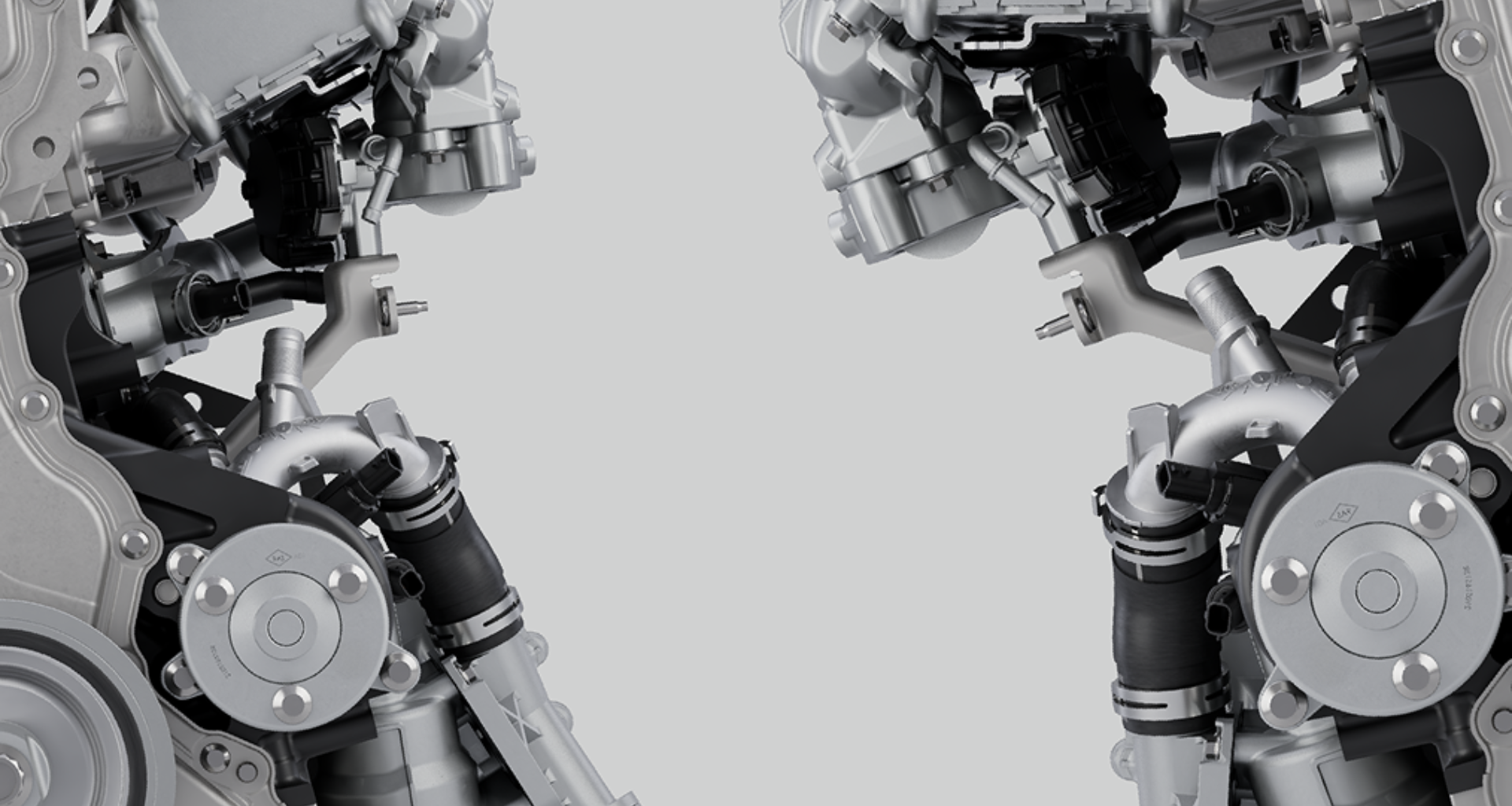
In a bid to extend the relevance of combustion technology in a lower-carbon era, Horse Powertrain presented a hybrid powertrain concept engineered to run on 100% renewable gasoline. The first demonstrator vehicle is slated for early 2026, underscoring the company’s intention to move quickly from concept validation to on-road testing.
The reveal places the Geely-linked supplier among leading global players seeking incremental efficiency gains from hybrid architectures even as full electrification accelerates.
Formed in 2024 as an independent supplier, Horse Powertrain consolidated the internal combustion and hybrid operations of Geely and Renault Group. The joint venture is owned 45% by Geely, 45% by Renault Group and 10% by Aramco, supplying engines and hybrid systems to Renault, Geely Auto, Volvo Cars, Nissan, Mitsubishi Motors and Proton.
Horse-Repsol H12 concept sets 44.2% efficiency benchmark
Building on its earlier hybrid architecture, Horse Powertrain said the newly unveiled system draws from the H12 hybrid engine concept developed in collaboration with Spanish energy major Repsol. The partners report that the engine reaches a peak brake thermal efficiency of 44.2%, a figure that places it at the upper end of current production-oriented hybrid combustion systems and underscores the focus on extracting maximum efficiency from renewable-compatible fuels.
Under standardized WLTP testing, the system achieves approximately 71 miles per gallon, representing about a 40% improvement over the 2023 European average for newly registered passenger vehicles, CarNewsChina reported.
Engineered to maximise thermodynamic performance, the H12 concept incorporates a 17:1 compression ratio, a reworked exhaust gas recirculation system, optimised turbocharging and transmission calibration tailored specifically for hybrid operation. Together, these modifications are designed to enhance combustion efficiency and improve energy recovery within a hybrid drivetrain architecture, extracting more usable output from each combustion cycle while supporting electrified performance.
Configured to operate on fully renewable gasoline supplied by Repsol, the powertrain is optimized for fuel produced from renewable feedstocks rather than fossil sources. The companies estimate that a mid-size vehicle equipped with the hybrid system could reduce carbon dioxide emissions by approximately 1.95 U.S. tons per year compared with a conventional gasoline vehicle, assuming about 7,800 miles of annual driving.
Hybrid project moves from bench testing to on-road demonstrator
Development has moved beyond the design phase, with two prototype engines already assembled and undergoing validation testing. The companies say the first demonstrator vehicle integrating the new hybrid system is scheduled for presentation in early 2026, marking the next step toward potential commercialization.
The reveal also arrives at a time when the automotive industry is accelerating development of hybrid powertrains even as battery electric vehicles continue to expand rapidly. Automakers and suppliers are increasingly pursuing a diversified mix of propulsion technologies, aiming to balance performance, efficiency, and environmental impact.
Regional differences in infrastructure, energy availability, and regulatory standards are shaping these strategies, prompting companies to tailor solutions for specific markets. By advancing hybrid systems alongside electrification, manufacturers hope to provide flexible, lower-emission options for consumers while navigating the transition to fully electric mobility.