
Energy insecurity in Bangladesh isn’t just a global problem. Policy design — not world fuel prices — drives high costs, supply risks, and industrial strain
21 February, 2026, 07:00 pm
Last modified: 21 February, 2026, 07:06 pm
Bangladesh levies import taxes on fuels—~26.5% HFO, ~2% LNG, ~5% coal—directly impacting electricity costs. Photo: TBS
“>
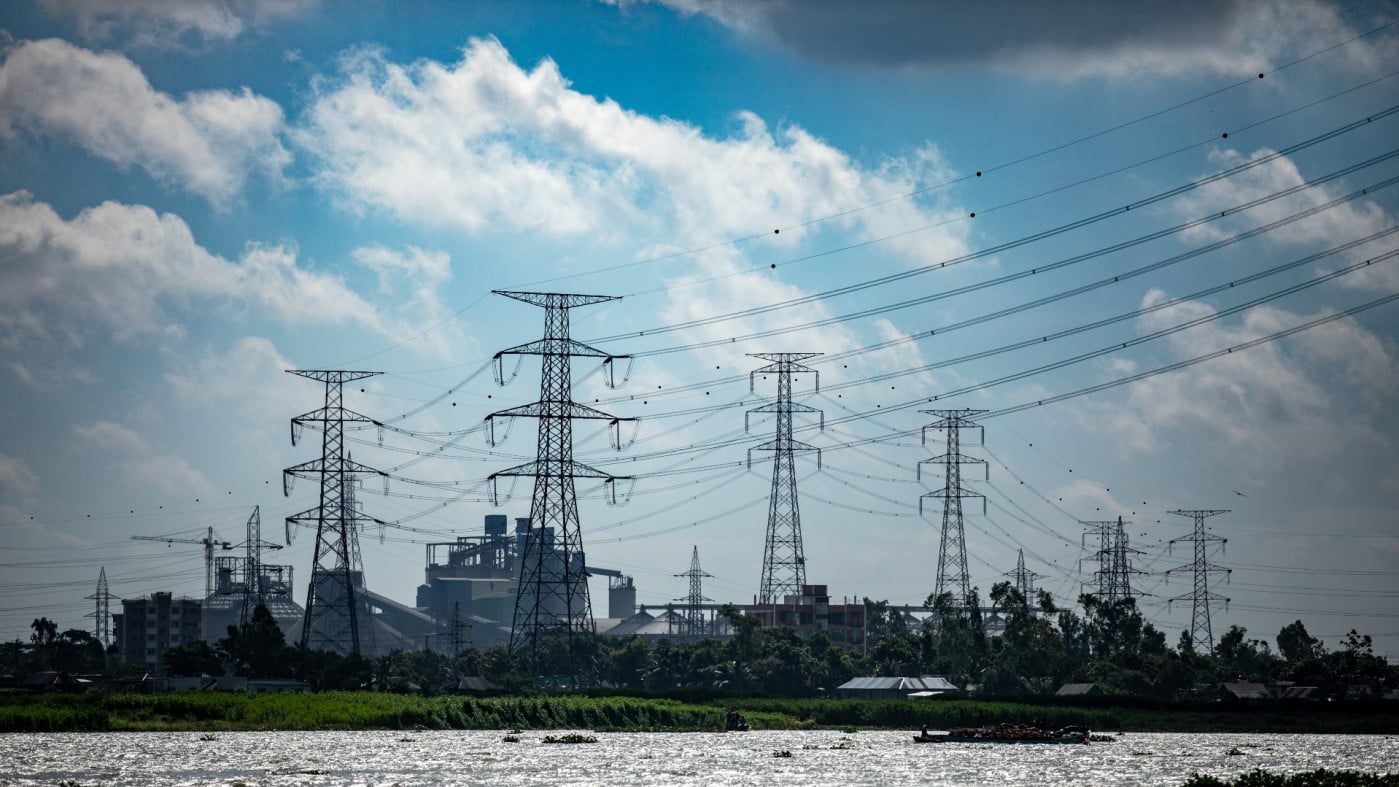
Bangladesh levies import taxes on fuels—~26.5% HFO, ~2% LNG, ~5% coal—directly impacting electricity costs. Photo: TBS
Bangladesh’s energy insecurity and high electricity costs are often explained as consequences of global fuel prices, foreign exchange shortages, or capacity payments. While these factors matter, they obscure a more uncomfortable truth: a significant part of our vulnerability is self-inflicted through policy design.
This reality becomes starker when viewed through today’s geopolitical lens. Nearly 90% of Bangladesh’s primary energy imports pass through the Strait of Hormuz, one of the world’s most fragile maritime chokepoints. The Strait is once again under acute tension, with the United States deploying its largest naval armada in the region and Iran openly warning that it could be closed if attacked.
For Bangladesh, this is not a distant conflict; it is a direct supply-side risk. Any disruption, even temporary, would delay LNG and oil cargoes, sharply raise prices, strain foreign exchange reserves, and force immediate load shedding. In such a world, energy policy must prioritise resilience, flexibility, and cost minimisation. Unfortunately, Bangladesh’s current framework does the opposite.
Today, Bangladesh imposes different tax rates on different primary fuels: approximately 26.5% on heavy fuel oil (HFO), around 2% on LNG, and about 5% on coal for imports by power generators. These taxes are levied at the import stage, long before electricity is generated. This is a fundamental policy error. Primary energy is not a consumption good; it is a strategic input. Taxing it heavily and unevenly distorts fuel choice, inflates generation costs, and reduces the system’s ability to respond during supply disruptions.
The distortion does not end at the port. Once fuels enter the system, the Bangladesh Power Development Board (BPDB) effectively bears an additional 15% in downstream costs, including taxes, margins, and administration charges, and for HFO-based generation perhaps 20%. In effect, the same unit of energy is burdened multiple times before it reaches consumers as electricity. The outcome is predictable: higher electricity tariffs or larger subsidies, reduced industrial competitiveness, strain on foreign exchange reserves, and lower investor confidence. At a time when global supply routes are under threat, this tax structure amplifies risk rather than mitigating it.

Keep updated, follow The Business Standard’s Google news channel
Bangladesh does not need complex reform — it needs discipline and consistency. All primary fuels should be subject to a single, uniform tax rate, ideally zero, or a maximum of 5% if revenue considerations demand it. Such an approach would lower delivered fuel costs immediately, allow fuel switching during crises without artificial penalties, improve transparency and predictability, and strengthen energy security rather than weaken it.
Bangladesh does not need complex reform to correct this. It needs discipline and consistency. All primary fuels should be subject to a single, uniform tax rate, ideally zero, or a maximum of 5% if revenue considerations demand it. Such an approach would lower delivered fuel costs immediately, allow fuel switching during crises without artificial penalties, improve transparency and predictability, and strengthen energy security rather than weaken it. Globally competitive economies tax value creation, not inputs critical to national productivity.
Energy security is not achieved through state control alone. It is achieved through diversification, efficiency, and risk distribution. State entities such as Bangladesh Petroleum Corporation (BPC) and Petrobangla’s Rupantarita Prakritik Gas Company Limited (RPGCL) primarily function as import intermediaries. The government could earn revenue and improve efficiency by corporatising and partially or fully privatising these entities, transferring working capital pressure, logistics risk, and price exposure to capable private operators.
The same principle applies to the transmission and distribution of both electricity and gas. Private participation under regulation has consistently delivered lower system losses, faster grid modernisation, and better service reliability. Bangladesh already relies on private markets for essential goods such as food grains and edible oils. There is no compelling economic logic to insist that the most capital-intensive import and distribution in the economy must remain monopolised by the state.
When global chokepoints can close overnight, rigid systems fail first. Bangladesh’s energy policy must be designed not for ideal conditions, but for disruption. That requires treating primary energy as a security input rather than a revenue source, removing tax distortions that magnify shocks, allowing private capital and expertise to share risk, and building flexibility into fuel sourcing and system operations. Energy security is not only about how much power a country can generate; it is about how quickly and affordably it can adapt when the world becomes unstable.
Bangladesh levies import taxes on fuels—~26.5% HFO, ~2% LNG, ~5% coal—directly impacting electricity costs. Photo: TBS
“>
Bangladesh levies import taxes on fuels—~26.5% HFO, ~2% LNG, ~5% coal—directly impacting electricity costs. Photo: TBS