
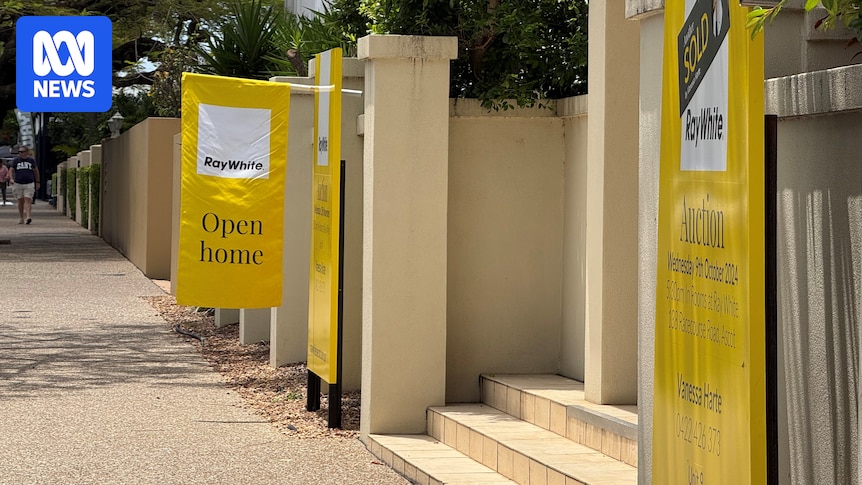
Queensland’s real estate sector is preparing for disruption due to Anzac Day in 2026 falling on a Saturday, traditionally the busiest day of the week for open houses and auctions.
Queensland government trading laws prohibit real estate agents from selling property on Anzac Day, and according to industry veteran Ashley Robinson, of Ray White Metro North, that even includes preparatory work for sales and auctions. Real estate offices may only open to handle rental transactions.
“Agents really can’t do anything on Anzac Day, and that includes making and taking phone calls in relation to sales,” Mr Robinson said.
Unlike other states, there will be no additional public holiday on the following Monday in Queensland.
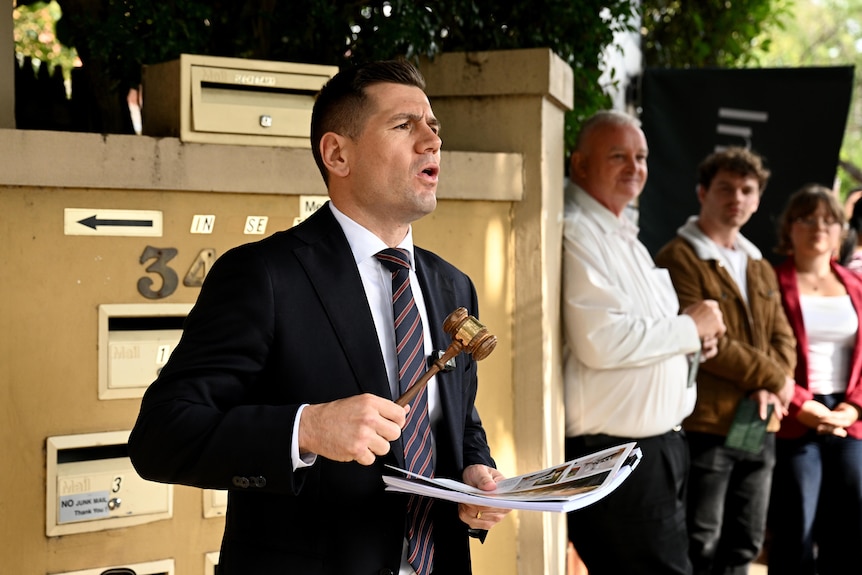
Auctions will have to be shifted due to Anzac Day falling on a Saturday. (AAP: Dan Himbrechts)
Ray White’s Mr Robinson said he expected many open houses and auctions would now be held on the following Sunday or the following Saturday. Agents had to prepare to work around Anzac Day, especially given the current buoyant market.
“In the greater scheme of things, it is only one day so I don’t see a big impact,” he said. “It is just a matter of being prepared.”
REIQ chief operating officer Kat Beavon told the ABC that no matter which day Anzac Day falls on — including Saturdays and Sundays — it was off limits to selling real estate, but not to leasing activity.
“Our advice to real estate agencies open for business on Anzac Day is to ensure that sales staff do not attend the office or conduct any work remotely, including holding open homes or auctions, and even responding to emails or telephone calls regarding real estate sales,” Ms Beavon said.

REIQ’s Kat Beavon said selling real estate was “off limits” on Anzac Day. (Supplied: REIQ)
This ensures they comply with the Trading Hours Act, which prohibits agencies from conducting the business of selling real estate on Anzac Day.
Commenting on the decision not to grant an additional public holiday for Anzac Day, Premier David Crisafulli said it was important that people kept the day “sacrosanct” and that people paused and reflected on its meaning.
“It’s about making sure that we honour those service men and women, and I think it’s important that we do it on that day,” said Mr Crisafulli.
Brisbane auctioneer David Holmes, of Holmes and Co, said that while April was traditionally one of the busiest months, he did not see any major problems rescheduling auctions due to Anzac Day falling on a Saturday.
Premier announces extra public holiday for NSW residents
Mr Holmes said agents would likely shift the auction to a weekday or a Sunday.
He said improved technology meant auctions did not have to be held on site, with people able to make online bids in any location.
While real estate agents are preparing for a quiet Anzac Day, many cafes and small shops are expected to weigh up the cost of opening due to public holiday penalty rates. Small shops and cafes are exempt from Anzac Day trading restrictions but have to pay their staff extra.
Other exempt retailers include antique shops, newsagents, bakeries, butchers and service stations.
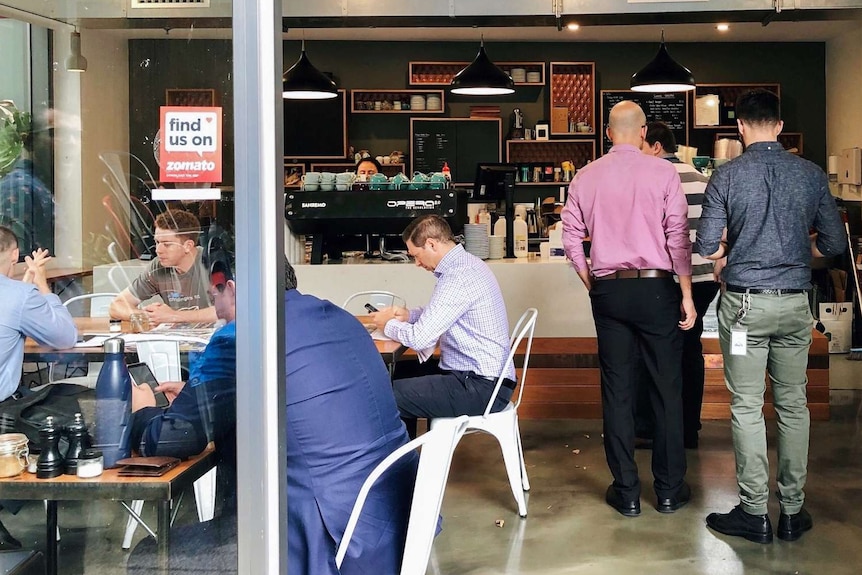
Cafes face higher wage costs on public holidays like Anzac Day. (ABC Radio Brisbane: Jessica Hinchliffe)
Coffee Commune founder Phil Di Bella said cafes will have to pay double time on Anzac Day compared to the usual weekend penalty rate of time and a half.
Mr Di Bella, whose business supplies coffee beans to over 2,000 cafes, said there needed to be a rethink of public holiday penalty rates given the rising number of hospitality venues closing their doors due to rising costs.
“At the end of the day, we’re not saying pay people less, but the more you pay in wages, the more you have to charge for your goods and services,” he said.
“It all comes down to what the consumer can afford to pay. A consumer can’t afford to pay $10 for a coffee, but if the cafe owner wants to make the money they used to make, it should be $8 to $10 a coffee.”

Phil Di Bella says cafes are struggling with wage costs. (ABC News: Jemima Burt)
Mr Di Bella said the wages bill for his 40 staff at the Coffee Commune was the same as the 130 staff he employed nine years ago at his former business, Di Bella Coffee.
“On that metric, wages have gone up 300 per cent,” he said. “If they keep putting wages up, prices are going to go up, and if prices go up, wages need to go up.
“This is the first time that everything’s gone up at once — utilities, packaging, freight, insurance.”
Mr Di Bella said revenue across the cafe sector in February was down 15 to 20 per cent.
“One in 10 cafes closed last year, and the average hospitality business last year was making just three per cent profit,” he said.
Comment has been sought from deputy premier and Industrial Relations Minister Jarrod Bleijie.